1010music Blackbox — VS — Akai MPC X
1010music Blackbox
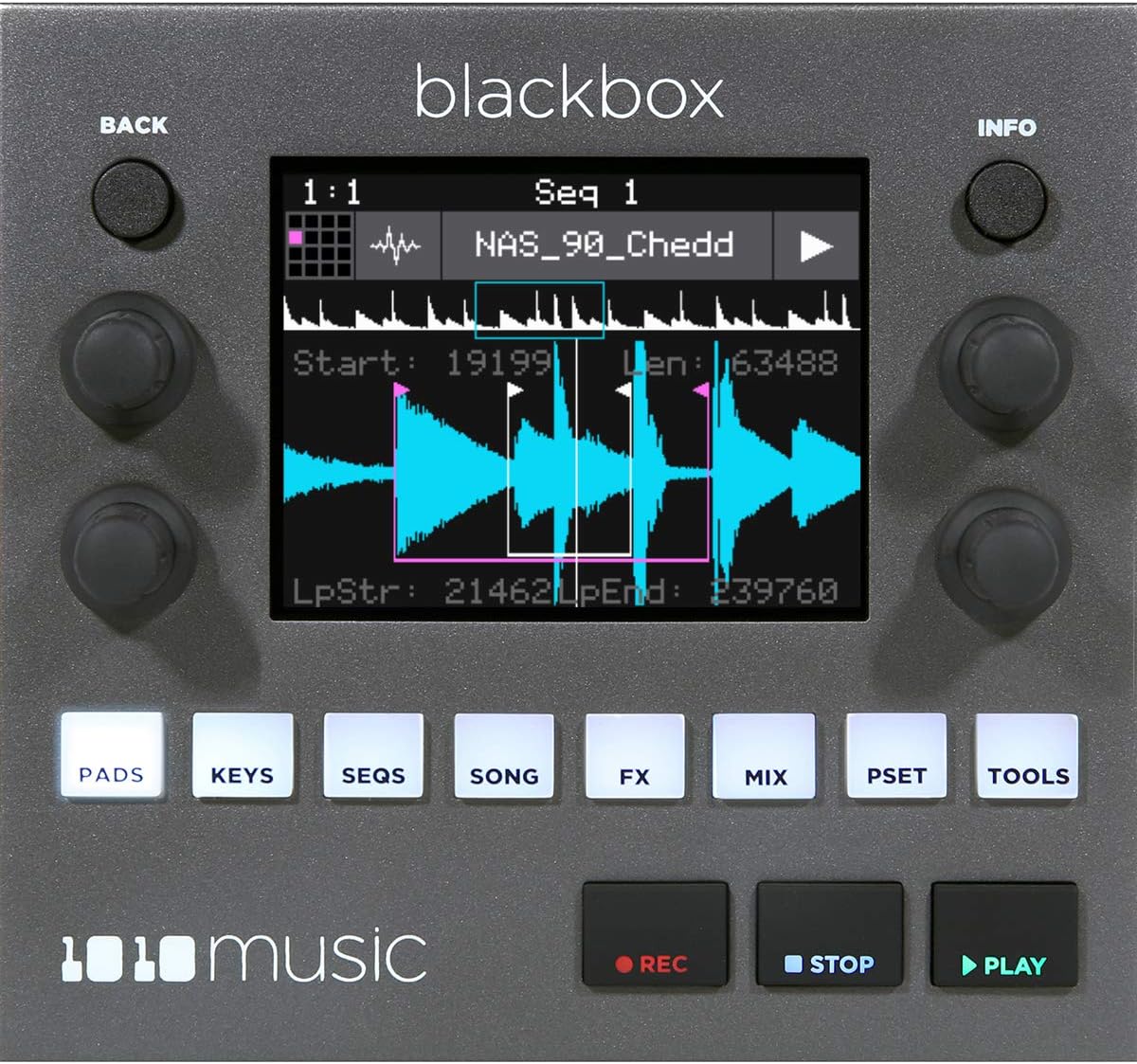
The Blackbox Compact Sampling Studio is a small but powerful music tool that lets you make full songs without a computer. You can record sounds from your synths or drum machines, slice and arrange them with the touchscreen, and build beats and melodies on the go. It's great for live performances too—just tap to trigger samples in real time. With a strong, pocket-sized design, it's built for travel and creativity anywhere. It comes ready with sounds, cables, and adapters so you can start making music right out of the box.
Akai MPC X
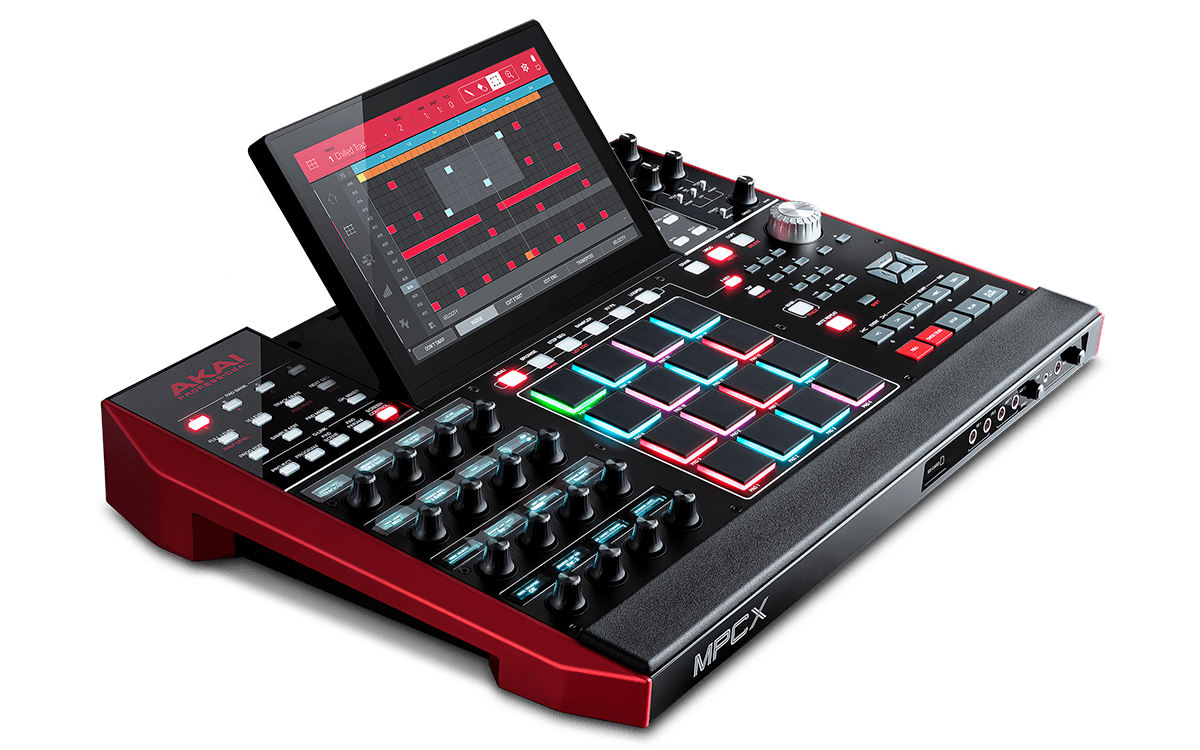
The MPC X is a powerful music-making machine that works with or without a computer. It has a big touchscreen, colorful pads, and tons of sounds built in. You can plug in microphones, turntables, and instruments, or add even more music with USB drives and SD cards. It's great for making beats, recording songs, and controlling other music gear. The MPC X is made for serious creators who want everything in one place.
| Spec | 1010music Blackbox | Akai MPC X |
|---|---|---|
| Manufacturer | 1010music | Akai Professional |
| Year Released | 2019 | 2017 |
| Polyphony | 128 | 128 |
| Sample Rate | 44.1kHz | 44.1kHz |
| Storage | MicroSD card | Internal SSD |
| Pads | No pads, uses buttons and encoders | 16 velocity-sensitive RGB pads |
| Sequencer | Yes | Yes |
| Effects | Multiple effects | EQ, Reverb, Delay, Compression |
| I/O | MIDI In/Out, USB, Audio In/Out | MIDI In/Out, USB, Audio In/Out |
| Screen | LCD display | 10.1-inch multi-touch display |
| Software Integration | No | MPC Software |
| Build | Compact standalone sampler | Standalone |
| Price | $649 | $2500 |
| More about | Details | Details |
Buy the 1010music Blackbox on Amazon.com
Buy Now On AmazonBuy the Akai MPC X on Amazon.com
Buy Now On Amazonlayout: post title: “Battle of the Samplers: Comparing the Akai MPC X and 1010music Blackbox”
Summary: If you’re in the market for a new sampler, the Akai MPC X and the 1010music Blackbox are two excellent options, each with its own set of features and strengths. In this blog post, we will explore the similarities and differences between these two devices, their pros and cons, and help you decide which one might be the best fit for your musical needs.
Introduction
Are you a music producer looking for the perfect sampler to up your game? Maybe you’re a beginner who wants to dive into the exciting world of music production. Either way, choosing the right sampler is a big decision. Two popular choices are the Akai MPC X and the 1010music Blackbox. Both are standalone samplers, which means you don’t need a computer to use them. But they have quite different features and designs. Let’s take a closer look at each one and see what makes them unique.
Akai MPC X vs. 1010music Blackbox
Design and Build
The Akai MPC X is a powerhouse with a robust build and professional look. It has a big 10.1-inch multi-touch display that makes it easy to navigate through your projects. Its 16 velocity-sensitive RGB pads are great for finger drumming and creating beats. Plus, it has a standalone build, meaning it’s a complete music production center all on its own.
On the other hand, the 1010music Blackbox is compact and portable. It doesn’t have pads like the MPC X; instead, it uses buttons and encoders. Its smaller LCD screen still allows for easy navigation, though it might take some getting used to if you’re accustomed to larger displays. The Blackbox’s compact design makes it easy to take on the go, perfect for musicians who like to create anywhere and everywhere.
Sound and Features
Both the Akai MPC X and the 1010music Blackbox offer 128-note polyphony, which is pretty impressive. This means they can handle playing multiple notes at once without any trouble. They also both have a sample rate of 44.1kHz, which is standard for professional music production.
The MPC X comes with a range of built-in effects like EQ, Reverb, Delay, and Compression. Its integration with MPC Software allows for even more creative possibilities. The Blackbox, while also featuring multiple effects, doesn’t integrate with software, which might be a downside for some users who like to use additional plugins.
Storage and Connectivity
When it comes to storage, the MPC X has an internal SSD, which is great for storing large projects and samples. It also has MIDI In/Out, USB, and Audio In/Out connections, making it easy to connect with other gear.
The Blackbox uses a MicroSD card for storage, which is easily swappable and can expand your storage capacity. Its connectivity options are similar to the MPC X, with MIDI In/Out, USB, and Audio In/Out, making it a versatile piece of gear.
Price
Price is always an important factor when buying music gear. The Akai MPC X is priced at $2500, reflecting its professional-grade features and build. It’s an investment, but for many producers, it’s worth the cost.
The 1010music Blackbox comes in at a more budget-friendly $850. Its lower price makes it accessible to more musicians, especially those just starting out or looking for a secondary sampler.
Pros and Cons
Akai MPC X
Pros:
- Large touchscreen for easy navigation
- 16 velocity-sensitive RGB pads
- Extensive effects and software integration
- Robust standalone build
Cons:
- High price point
- Larger and less portable
1010music Blackbox
Pros:
- Compact and portable
- Affordable price
- Easy-to-use interface
Cons:
- Smaller screen
- No software integration
- Lacks pads for finger drumming
Final Verdict
The Akai MPC X is best for professional producers who need a powerful, all-in-one production center. Its large screen and extensive features make it ideal for complex projects. If you’re looking for top-tier performance and don’t mind the investment, the MPC X is a great choice.
The 1010music Blackbox, on the other hand, is perfect for musicians who want a portable and affordable sampler. It’s great for live performances and quick, on-the-go music creation. If you’re new to sampling or need a travel-friendly option, the Blackbox is a fantastic pick.
In conclusion, both the Akai MPC X and the 1010music Blackbox have their own unique strengths. Your choice will depend on your specific needs, budget, and how you plan to use the sampler. Happy music making!