1010music Blackbox — VS — Akai MPC1000
1010music Blackbox
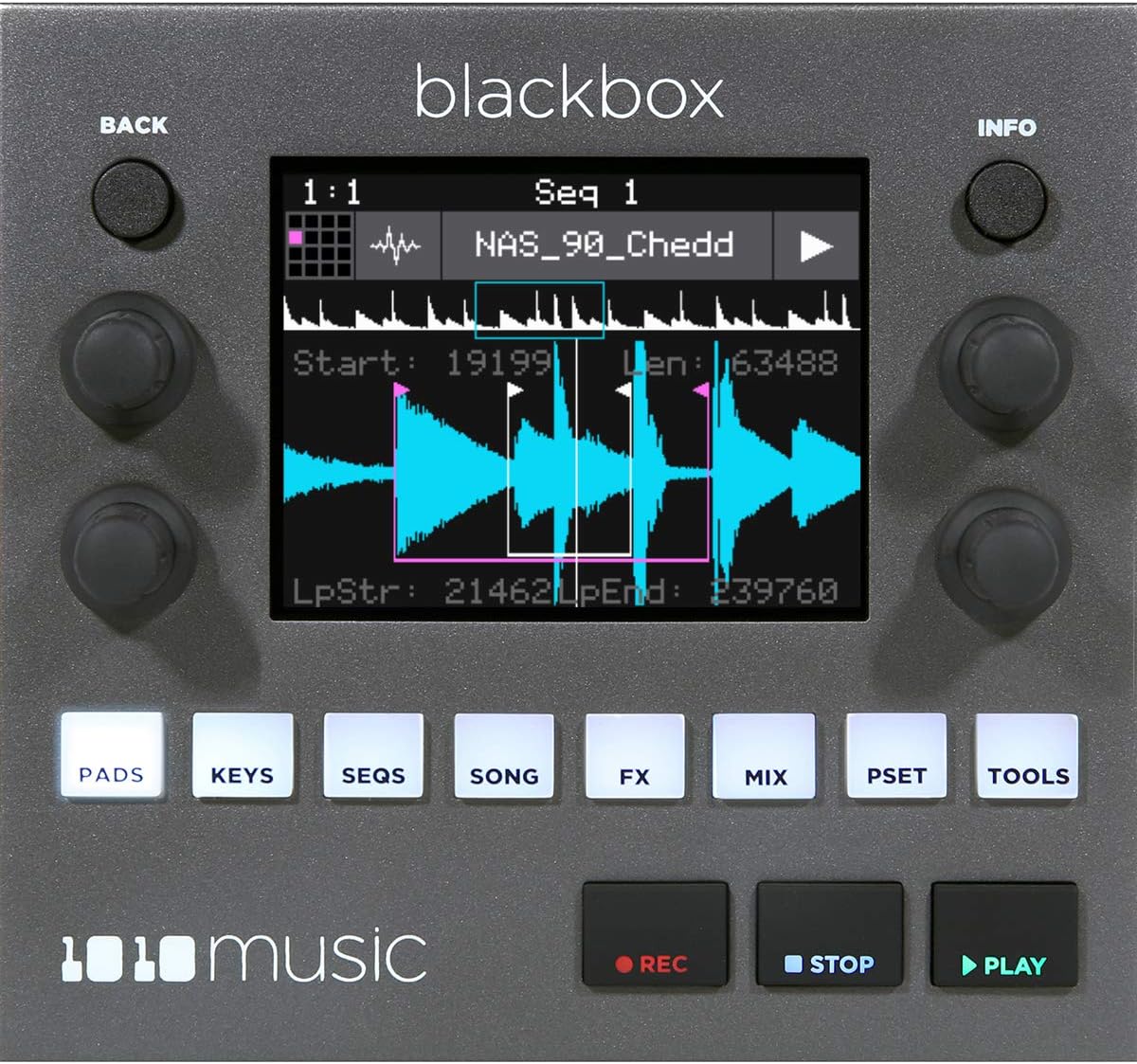
The Blackbox Compact Sampling Studio is a small but powerful music tool that lets you make full songs without a computer. You can record sounds from your synths or drum machines, slice and arrange them with the touchscreen, and build beats and melodies on the go. It's great for live performances too—just tap to trigger samples in real time. With a strong, pocket-sized design, it's built for travel and creativity anywhere. It comes ready with sounds, cables, and adapters so you can start making music right out of the box.
Akai MPC1000
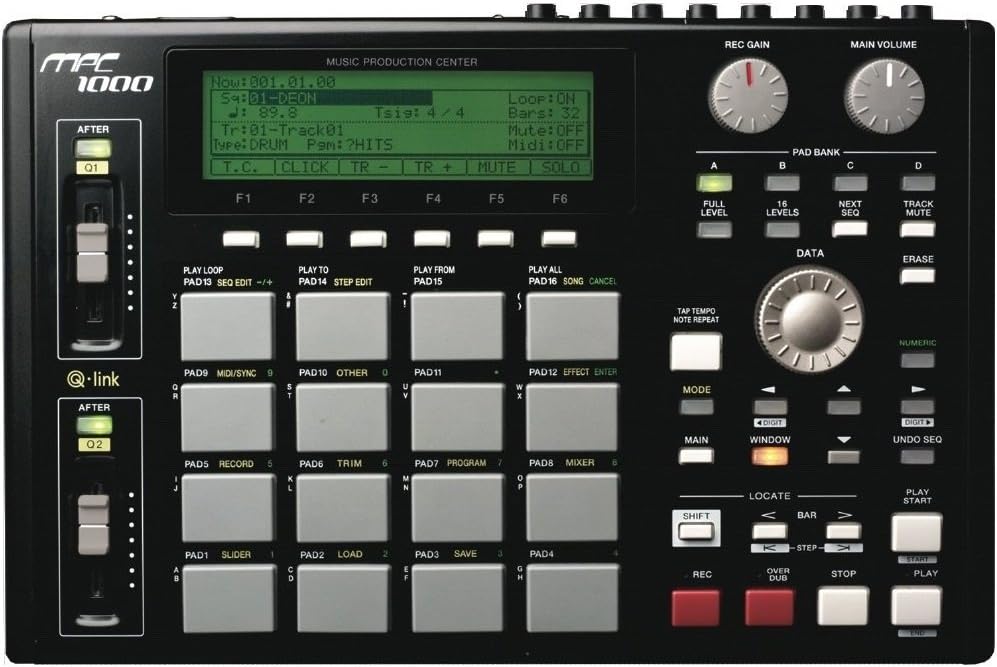
The Akai MPC1000 packs powerful music-making tools into a small, affordable machine. It features 32-voice stereo sampling, a 64-track sequencer, and 16 responsive pads for real-time playing and recording. With 16MB of built-in memory (expandable to 128MB) and the ability to save projects on a Compact Flash card, it’s easy to keep your sounds handy. Plus, you can connect it to a computer via USB to drag and drop your work quickly. Compact and rugged, the MPC1000 is perfect for producers on the go.
| Spec | 1010music Blackbox | Akai MPC1000 |
|---|---|---|
| Manufacturer | 1010music | Akai Professional |
| Year Released | 2019 | 2003 |
| Polyphony | 128 | 64 |
| Sample Rate | 44.1kHz | 44.1kHz |
| Storage | MicroSD card | CompactFlash |
| Pads | No pads, uses buttons and encoders | 16 velocity-sensitive pads |
| Sequencer | Yes | Yes |
| Effects | Multiple effects | EQ, Compression, Reverb |
| I/O | MIDI In/Out, USB, Audio In/Out | MIDI In/Out, Audio In/Out |
| Screen | LCD display | LCD |
| Software Integration | No | MPC Software |
| Build | Compact standalone sampler | Standalone |
| Price | $649 | $700 used |
| More about | Details | Details |
Buy the 1010music Blackbox on Amazon.com
Buy Now On AmazonSummary
In this blog post, we’re diving into the world of music samplers by comparing the modern 1010music Blackbox with the classic Akai MPC1000. Both are powerful tools for music producers, offering unique features that cater to different needs and preferences.
Introduction
Welcome to the world of music sampling, where creativity meets technology! Today, we’re comparing two popular samplers: the 1010music Blackbox and the Akai MPC1000. Whether you’re a budding musician or a seasoned producer, choosing the right sampler can make all the difference in your musical journey. Each of these samplers has its own strengths and quirks, so let’s dive in to see which one might be the best fit for you!
Feature Comparisons
Year of Release
Let’s start with a bit of history. The Akai MPC1000 was released way back in 2003. It’s like a classic car—old but gold! On the other hand, the 1010music Blackbox is a relatively new kid on the block, coming out in 2019. This means it has some modern features that the MPC1000 might lack.
Polyphony and Sample Rate
Polyphony is important because it tells us how many notes or sounds can be played at the same time. The Blackbox boasts a whopping 128 voices of polyphony. That means it can handle a lot of sounds at once! Meanwhile, the MPC1000 has 64 voices. It’s less, but still plenty for many musical projects. Both samplers have a sample rate of 44.1kHz, so they capture sound with the same level of quality.
Storage Options
Storage is where you’ll keep all your cool sounds. The Blackbox uses a MicroSD card. These cards are tiny and can hold a lot of data. The MPC1000, however, uses CompactFlash cards. These are a bit older and bigger, but they were quite popular back in the day.
Pads and Controls
The way you interact with a sampler can really change how you make music. The MPC1000 is famous for its 16 velocity-sensitive pads. These pads let you tap out rhythms and melodies with your fingers, feeling the music as you go. The Blackbox, however, doesn’t have pads. Instead, it uses buttons and encoders. This might make it feel a bit different, but it also means it’s very compact!
Sequencer and Effects
Both samplers have built-in sequencers. This means you can arrange your sounds and create complete songs right on the device. When it comes to effects, the Blackbox offers multiple options to tweak your sounds. The MPC1000 comes with EQ, compression, and reverb. These effects help shape how your music sounds.
Inputs and Outputs
Both samplers come with MIDI In/Out and Audio In/Out. This means you can connect them to other musical gear or your computer. The Blackbox also has USB connectivity, making it easier to integrate with modern setups.
Screen and Software Integration
The Blackbox features an LCD display, which is great for visually navigating your music. The MPC1000 also has an LCD screen, but it offers software integration with MPC Software. This can be handy if you want to work on a computer as well.
Build and Price
Both are standalone devices, meaning they don’t need a computer to work. However, the Blackbox is more compact, making it super portable. As for the price, the Blackbox costs around $850. The MPC1000 is cheaper at about $700 if you buy it used.
Pros and Cons
1010music Blackbox
Pros:
- Modern and compact design
- 128 voices of polyphony
- Multiple effects for sound tweaking
- USB connectivity for easy integration
Cons:
- No pads, which might feel less tactile
- Higher price point
Akai MPC1000
Pros:
- Classic design with 16 velocity-sensitive pads
- Well-regarded for sequencing capabilities
- Cheaper if bought used
- Software integration for expanded use
Cons:
- Only 64 voices of polyphony
- Older storage media (CompactFlash)
Final Verdict
Both the 1010music Blackbox and the Akai MPC1000 are excellent samplers, but they cater to different types of music creators. If you’re looking for something modern with lots of polyphony and effects, the Blackbox might be your best bet. It’s perfect for those who value portability and cutting-edge features.
However, if you love the feel of tapping out beats and appreciate a classic, tested design, the MPC1000 is a great choice. It’s ideal for those who want a tactile experience and don’t mind using older storage methods.
In the end, the best sampler for you will depend on your personal preferences and musical needs. Happy sampling!