1010music Blackbox — VS — Akai MPC2500
1010music Blackbox
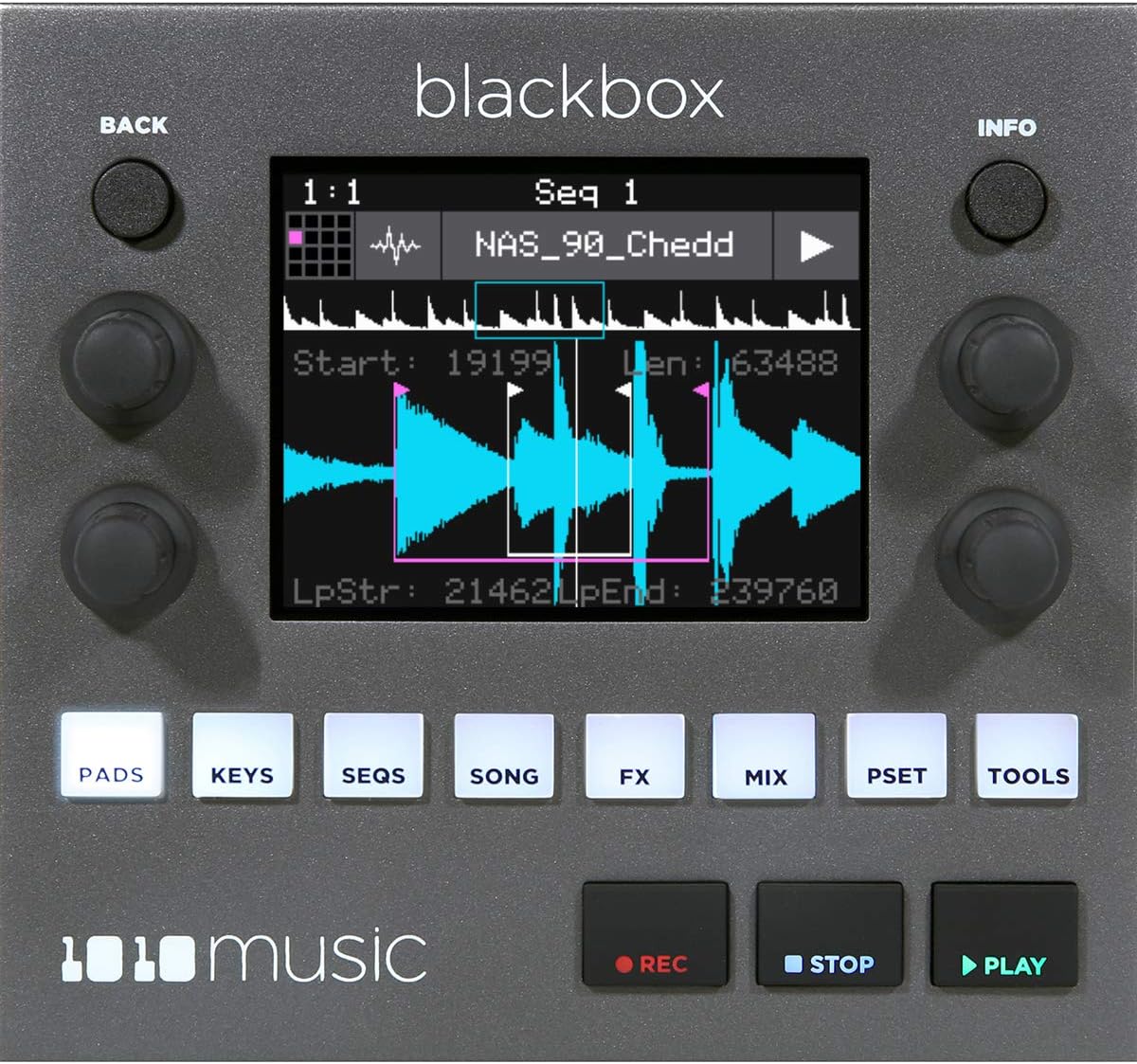
The Blackbox Compact Sampling Studio is a small but powerful music tool that lets you make full songs without a computer. You can record sounds from your synths or drum machines, slice and arrange them with the touchscreen, and build beats and melodies on the go. It's great for live performances too—just tap to trigger samples in real time. With a strong, pocket-sized design, it's built for travel and creativity anywhere. It comes ready with sounds, cables, and adapters so you can start making music right out of the box.
Akai MPC2500
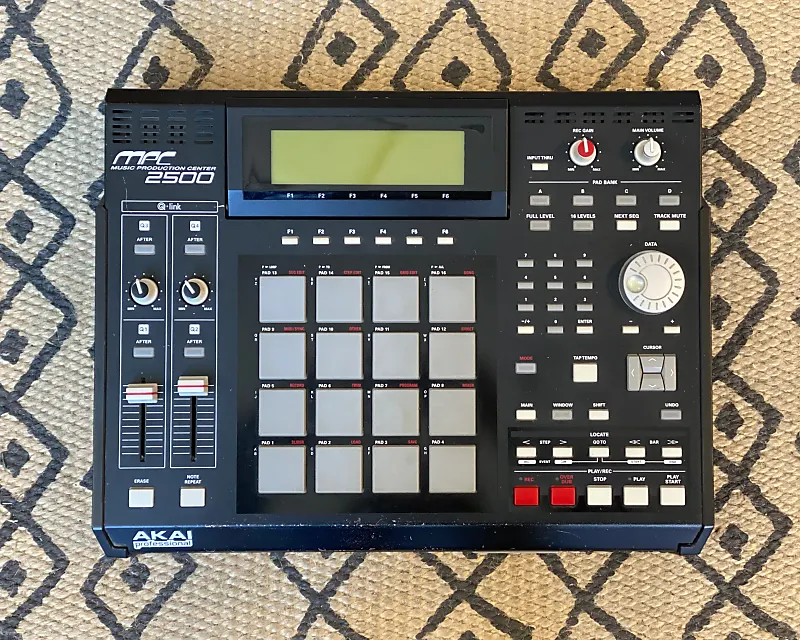
The Akai MPC2500 is a trusted tool for making beats and producing music, used by pros and performers alike. It has 16 classic pads, powerful sampling and editing features, and up to 128MB of memory for loading sounds. You get a 64-track sequencer, built-in effects, and real-time controls to shape your music as you play. With multiple outputs and easy file storage using CF cards or an optional hard drive, the MPC2500 gives you everything you need to create, perform, and finish your tracks—all in one solid machine.
| Spec | 1010music Blackbox | Akai MPC2500 |
|---|---|---|
| Manufacturer | 1010music | Akai Professional |
| Year Released | 2019 | 2005 |
| Polyphony | 128 | 64 |
| Sample Rate | 44.1kHz | 44.1kHz |
| Storage | MicroSD card | CompactFlash, ZIP Drive |
| Pads | No pads, uses buttons and encoders | 16 velocity-sensitive pads |
| Sequencer | Yes | Yes |
| Effects | Multiple effects | EQ, Compression, Reverb, Delay |
| I/O | MIDI In/Out, USB, Audio In/Out | MIDI In/Out, Audio In/Out |
| Screen | LCD display | LCD |
| Software Integration | No | MPC Software |
| Build | Compact standalone sampler | Standalone |
| Price | $649 | $800 used |
| More about | Details | Details |
Buy the 1010music Blackbox on Amazon.com
Buy Now On AmazonComparing the 1010music Blackbox and Akai MPC2500: Which Sampler is Right for You?
Short Summary
If you’re a music enthusiast or producer trying to decide between the 1010music Blackbox and the Akai MPC2500, this guide will break down the key differences and help you find the right fit for your music-making needs.
Introduction
Music producers and enthusiasts often find themselves in a bind when choosing the right tool for their craft. With technology evolving rapidly, many samplers are now available, each offering unique features and capabilities. Today, we dive into a detailed comparison between two popular samplers: the modern 1010music Blackbox and the classic Akai MPC2500. Whether you’re a seasoned producer or a budding musician, understanding the nuances of these devices can help you make an informed decision.
Feature Comparison
Year and Build
The 1010music Blackbox was introduced in 2019 and is known for its compact and modern design. It’s a standalone sampler with a sleek build, making it easy to carry around and use in various settings. On the other hand, the Akai MPC2500, released in 2005, is a classic that has stood the test of time. It’s also a standalone device but has a more traditional, robust build that many old-school producers appreciate.
Polyphony and Sample Rate
Polyphony refers to the number of individual notes or sounds a sampler can produce at the same time. The Blackbox boasts an impressive polyphony of 128, which allows for complex layering and intricate soundscapes. In contrast, the MPC2500 offers a polyphony of 64, which, while lower, is still sufficient for most sampling needs. Both devices have a sample rate of 44.1kHz, ensuring high-quality audio production.
Storage Options
Storage is crucial for samplers, as it determines how much audio data you can work with. The Blackbox uses a MicroSD card for storage, which is convenient and allows for easy expansion. The MPC2500, however, uses CompactFlash and ZIP Drive, which may be considered outdated by today’s standards. Despite this, the MPC2500’s storage options remain reliable for those who prefer a more traditional approach.
Control Interface: Pads vs. Buttons
A significant difference between these two samplers is their control interface. The Blackbox does not have traditional pads but instead uses buttons and encoders. This setup is complemented by its LCD display, which provides an intuitive workflow. Conversely, the MPC2500 features 16 velocity-sensitive pads, a hallmark of the MPC series, which many producers love for their tactile feedback and dynamic control.
Sequencer and Effects
Both samplers come equipped with sequencers, allowing you to create and arrange musical patterns. The Blackbox offers multiple effects to enhance your sound, providing flexibility for different genres. The MPC2500, known for its expanded effects like EQ, Compression, Reverb, and Delay, offers a wide range of sound-shaping options. Each device provides robust effects, but the MPC2500’s offerings are more varied.
Inputs, Outputs, and Screen
When it comes to connectivity, both devices are quite similar. They include MIDI In/Out and Audio In/Out, essential for integrating with other gear. The Blackbox also includes USB connectivity, adding a layer of modern convenience. Both samplers have LCD screens, which are crucial for navigating through their features and settings.
Software Integration
The Blackbox does not offer software integration, focusing instead on a standalone experience. In contrast, the MPC2500 integrates with MPC Software, providing additional tools and capabilities for those who prefer working within a digital audio workstation (DAW).
Pros and Cons
1010music Blackbox
Pros:
- Modern, compact design
- High polyphony of 128
- Intuitive workflow with LCD display
- Multiple effects for versatile sound shaping
- Easy storage expansion with MicroSD card
Cons:
- No traditional pads
- Lacks software integration
Akai MPC2500
Pros:
- Classic, robust design
- 16 velocity-sensitive pads
- Wide range of effects
- Integrates with MPC Software
- Affordable used price point
Cons:
- Lower polyphony of 64
- Outdated storage options
- Bulkier than modern alternatives
Final Verdict
The 1010music Blackbox is ideal for modern producers who prioritize portability, high polyphony, and ease of use. Its compact design and intuitive workflow make it an excellent choice for those on the go or with space constraints. However, it may not suit those who prefer the tactile feedback of traditional pads.
On the other hand, the Akai MPC2500 is perfect for producers who value the classic MPC experience. Its velocity-sensitive pads and wide range of effects offer a hands-on approach to music production. While its storage options are less modern, its integration with MPC Software provides added versatility.
In summary, your choice between these two samplers should reflect your personal workflow preferences and production needs. Whether you lean towards the modern capabilities of the Blackbox or the classic feel of the MPC2500, both devices offer powerful tools to help you create amazing music.