Akai MPC Key 61 — VS — Akai MPC2500
Akai MPC Key 61
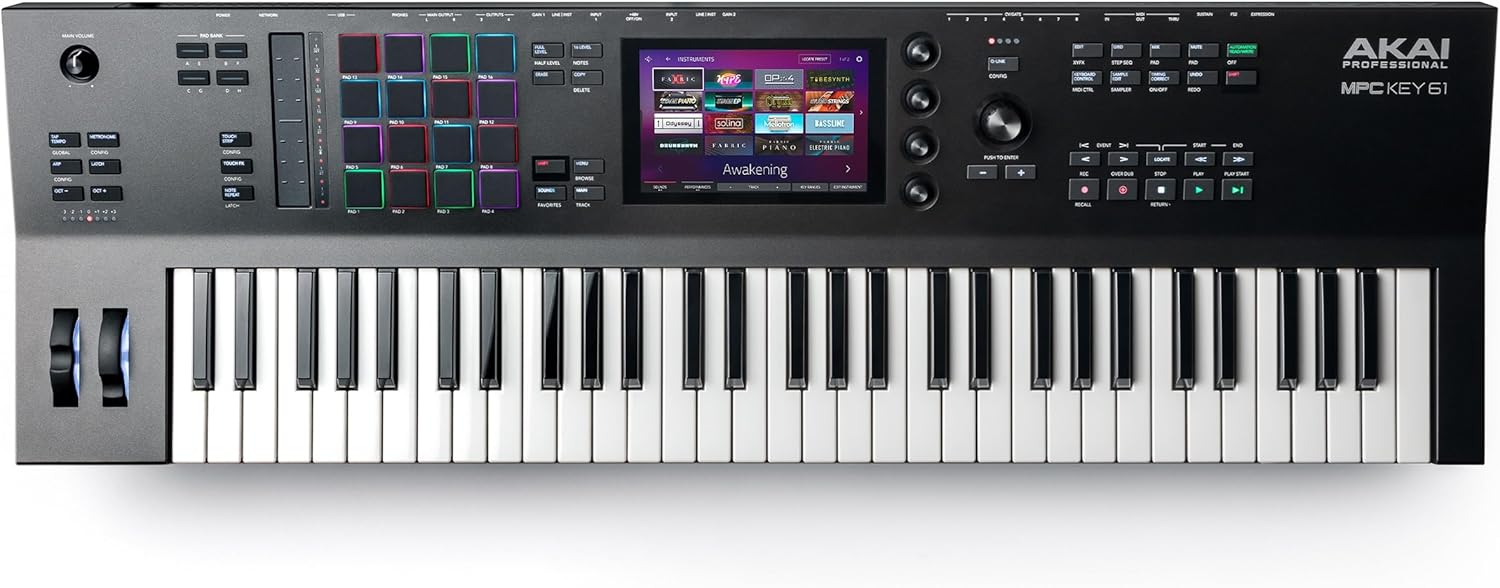
The MPC Key 61 is a powerful music keyboard that lets you make songs without needing a computer. It has 61 smooth keys you can play, colorful drum pads for making beats, and over 6,000 awesome sounds built in. You can change sounds with cool effects, twist and shape them using special controls, and even record your voice with a microphone. It connects to other music gear, works with Bluetooth and Wi-Fi, and even comes with software if you want to use it on a computer too. It's like a full music studio in one keyboard!
Akai MPC2500
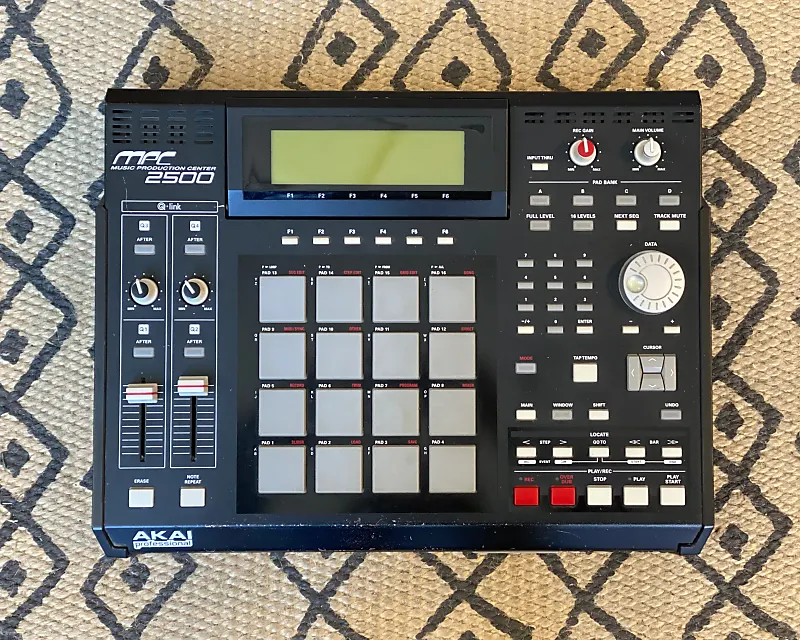
The Akai MPC2500 is a trusted tool for making beats and producing music, used by pros and performers alike. It has 16 classic pads, powerful sampling and editing features, and up to 128MB of memory for loading sounds. You get a 64-track sequencer, built-in effects, and real-time controls to shape your music as you play. With multiple outputs and easy file storage using CF cards or an optional hard drive, the MPC2500 gives you everything you need to create, perform, and finish your tracks—all in one solid machine.
| Spec | Akai MPC Key 61 | Akai MPC2500 |
|---|---|---|
| Manufacturer | Akai Professional | Akai Professional |
| Year Released | 2022 | 2005 |
| Polyphony | 128 | 64 |
| Sample Rate | 44.1kHz | 44.1kHz |
| Storage | Internal SSD | CompactFlash, ZIP Drive |
| Pads | 16 velocity-sensitive RGB pads | 16 velocity-sensitive pads |
| Sequencer | Yes | Yes |
| Effects | EQ, Reverb, Delay, Compression | EQ, Compression, Reverb, Delay |
| I/O | MIDI In/Out, USB, Audio In/Out | MIDI In/Out, Audio In/Out |
| Screen | 7-inch multi-touch display | LCD |
| Software Integration | MPC Software | MPC Software |
| Build | Keyboard controller with standalone capabilities | Standalone |
| Price | $1600 | $800 used |
| More about | Details | Details |
Buy the Akai MPC Key 61 on Amazon.com
Buy Now On AmazonAkai MPC Key 61 vs. Akai MPC2500: Which One is Right for You?
Summary: Are you a music producer or performer trying to choose between the Akai MPC Key 61 and the Akai MPC2500? Both are powerful tools, but they suit different needs. Let’s dive into the features, pros, and cons of each to help you decide.
Introduction
Welcome to the exciting world of music production! If you’re here, you’re probably considering adding a sampler to your musical toolkit. Today, we’re comparing two popular devices in the Akai MPC lineup: the modern Akai MPC Key 61 and the classic Akai MPC2500. Whether you’re a seasoned producer or just starting out, choosing the right sampler can make a huge difference in your creative process. Let’s explore what each has to offer!
Feature Comparisons
Year of Release and Design
The Akai MPC Key 61 is the new kid on the block, released in 2022. It’s a sleek, modern instrument that combines the functionality of a keyboard with the power of an MPC. On the other hand, the Akai MPC2500 was released in 2005 and is known for its reliability and classic MPC feel. It’s a standalone unit, which means it doesn’t need to be connected to a computer to function.
Polyphony and Sample Rate
Polyphony refers to the number of notes a sampler can play at once. The Akai MPC Key 61 offers 128-note polyphony, providing a rich, full sound. In contrast, the Akai MPC2500 provides 64-note polyphony, which is still quite capable but may be limiting for more complex compositions. Both samplers operate at a standard sample rate of 44.1kHz, ensuring high-quality audio playback.
Storage Options
When it comes to storage, the Akai MPC Key 61 boasts an internal SSD, providing ample room for your sounds and projects. The Akai MPC2500, however, uses CompactFlash and ZIP Drives. While this might seem outdated, it does offer a certain charm and can be more than sufficient for users who prefer physical media.
Pads and Sequencers
Both samplers feature 16 velocity-sensitive pads, which are essential for creating beats and triggering samples. The Akai MPC Key 61 takes it a step further with RGB pads that light up in different colors, making it visually appealing and easier to use in low-light settings. Both devices come equipped with a sequencer, allowing you to arrange and edit your projects with ease.
Effects and Connectivity
Effects can add depth and texture to your music. Both samplers offer EQ, reverb, delay, and compression. However, the Akai MPC Key 61 integrates these effects with its modern software, providing a more seamless experience. As for connectivity, both devices include MIDI and audio inputs and outputs. The Akai MPC Key 61 also features USB connectivity, which is essential for integrating with modern devices.
Screen and Software Integration
The Akai MPC Key 61 features a 7-inch multi-touch display, providing a modern, user-friendly interface. The Akai MPC2500, meanwhile, has a more basic LCD screen. Both samplers integrate with MPC Software, allowing you to expand your creative possibilities and connect with your computer for additional functionality.
Price
Price is a major consideration for most of us. The Akai MPC Key 61 is priced at around $1600, reflecting its advanced features and modern design. The Akai MPC2500 can be found used for approximately $800, making it a more budget-friendly option.
Pros and Cons
Akai MPC Key 61
Pros:
- Modern design with 61 keys
- High polyphony (128 notes)
- RGB pads for visual feedback
- Large, user-friendly touchscreen
- Internal SSD storage
- USB connectivity
Cons:
- Higher price point
- May be overkill for simple projects
Akai MPC2500
Pros:
- Classic MPC feel
- Reliable and durable design
- More affordable (used)
- Standalone capabilities
Cons:
- Lower polyphony (64 notes)
- Outdated storage options
- Basic screen interface
Final Verdict
So, who are these samplers best for? The Akai MPC Key 61 is ideal for modern producers and performers who want a versatile, all-in-one instrument. It’s perfect for those who need a powerful tool with advanced features and are willing to invest in their craft. On the other hand, the Akai MPC2500 is great for enthusiasts who appreciate the classic MPC experience and are looking for an affordable entry into the world of music production.
In conclusion, whether you choose the cutting-edge capabilities of the Akai MPC Key 61 or the tried-and-true Akai MPC2500, both are fantastic choices that can help you create amazing music. Happy producing!