Akai MPC Key 61 — VS — Akai MPC5000
Akai MPC Key 61
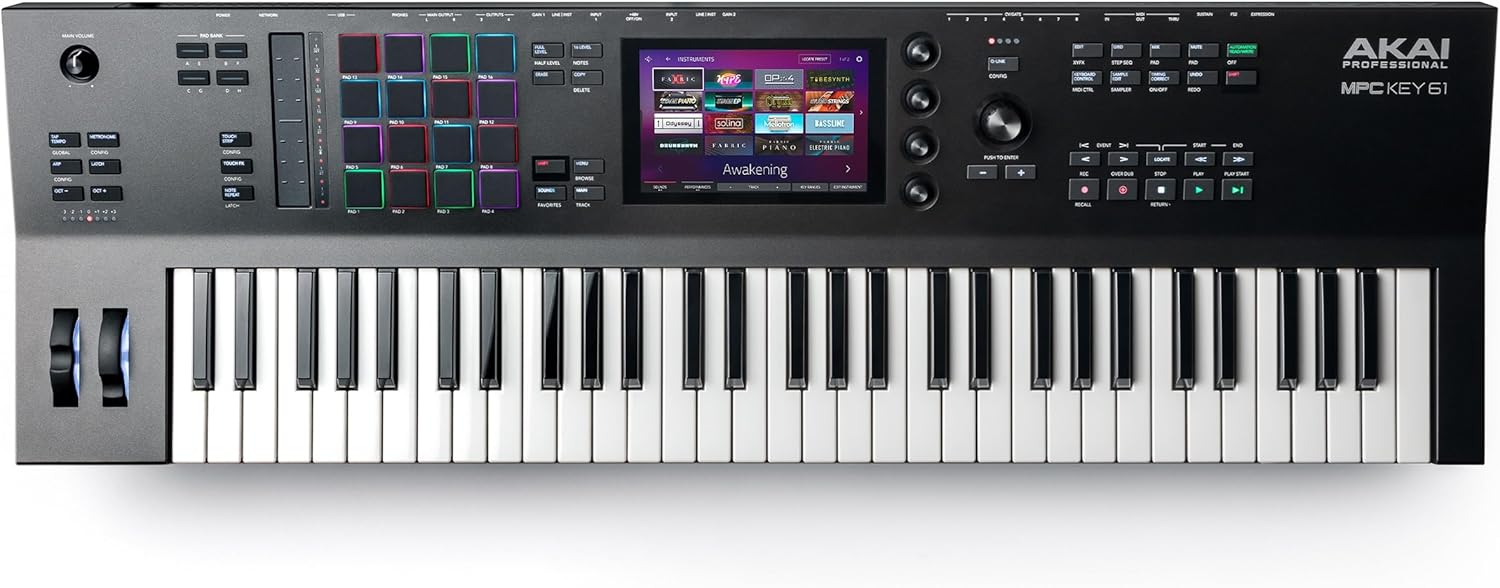
The MPC Key 61 is a powerful music keyboard that lets you make songs without needing a computer. It has 61 smooth keys you can play, colorful drum pads for making beats, and over 6,000 awesome sounds built in. You can change sounds with cool effects, twist and shape them using special controls, and even record your voice with a microphone. It connects to other music gear, works with Bluetooth and Wi-Fi, and even comes with software if you want to use it on a computer too. It's like a full music studio in one keyboard!
Akai MPC5000
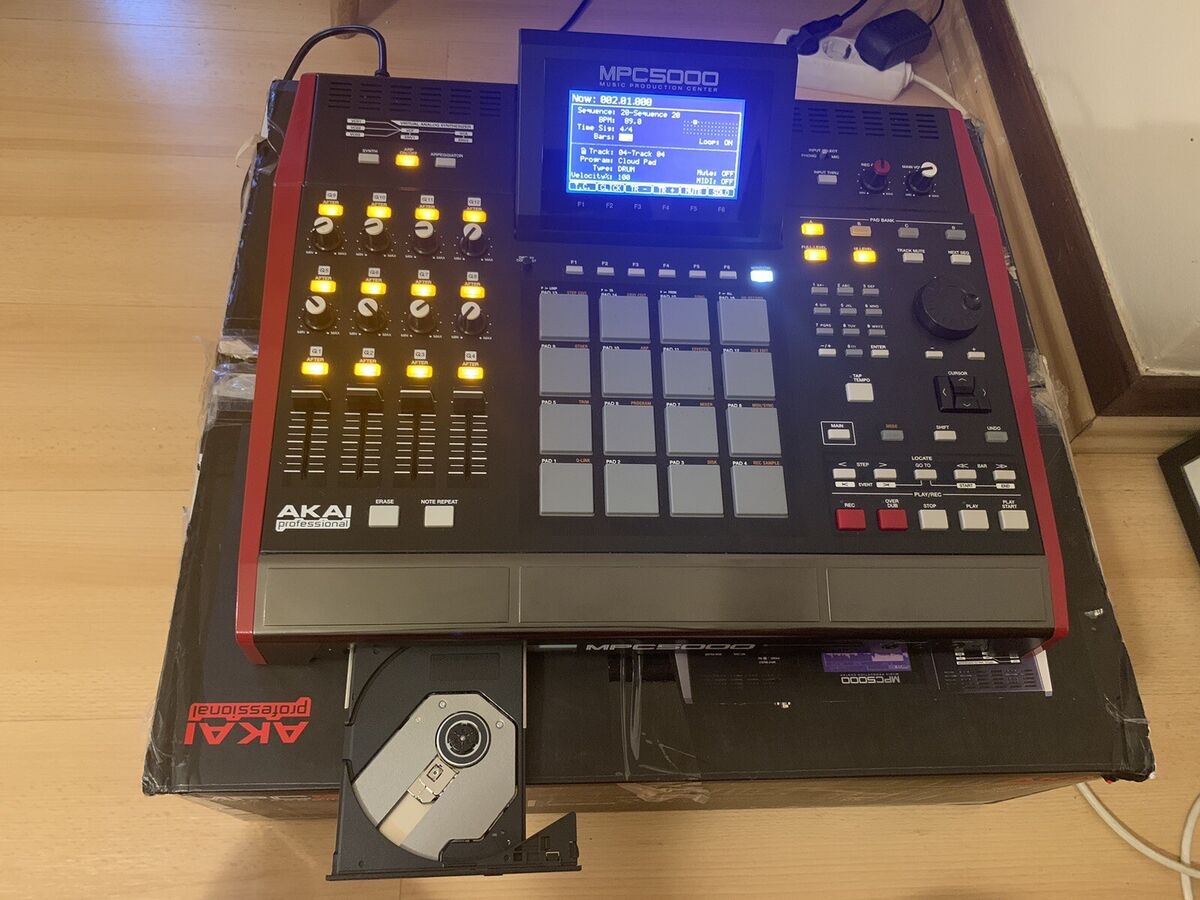
High-end MPC with expanded sampling and advanced effects.
| Spec | Akai MPC Key 61 | Akai MPC5000 |
|---|---|---|
| Manufacturer | Akai Professional | Akai Professional |
| Year Released | 2022 | 2006 |
| Polyphony | 128 | 128 |
| Sample Rate | 44.1kHz | 44.1kHz |
| Storage | Internal SSD | Internal Hard Drive, CompactFlash |
| Pads | 16 velocity-sensitive RGB pads | 16 velocity-sensitive pads |
| Sequencer | Yes | Yes |
| Effects | EQ, Reverb, Delay, Compression | EQ, Compression, Reverb, Delay, Filtering |
| I/O | MIDI In/Out, USB, Audio In/Out | MIDI In/Out, Audio In/Out |
| Screen | 7-inch multi-touch display | Color LCD |
| Software Integration | MPC Software | MPC Software |
| Build | Keyboard controller with standalone capabilities | Standalone |
| Price | $1600 | $1200 used |
| More about | Details | Details |
Buy the Akai MPC Key 61 on Amazon.com
Buy Now On AmazonAkai MPC Key 61 vs. Akai MPC5000: A Detailed Comparison
Short Summary:
The Akai MPC Key 61 and the Akai MPC5000 are both powerful music production tools, each with unique features that cater to different needs. The MPC Key 61 is a modern keyboard with integrated MPC capabilities, while the MPC5000 is a classic standalone sampler with extensive sampling and effects options. This comparison will help you decide which one is right for you.
Introduction
Welcome to the world of Akai MPCs! If you’re a music gear enthusiast, the chances are you’ve come across the Akai MPC series—renowned for their seamless integration of sampling, sequencing, and beat-making capabilities. Today, we’re diving into a head-to-head comparison between two members of this legendary family: the Akai MPC Key 61 and the Akai MPC5000. Whether you’re a seasoned pro or just starting your musical journey, this guide will help you understand the strengths and weaknesses of each device.
Akai MPC Key 61
Features and Capabilities
The Akai MPC Key 61 is a modern marvel, released in 2022. It’s a 61-key keyboard that incorporates the beloved MPC features, making it a versatile tool for both production and performance. With a polyphony of 128, it can handle complex compositions with ease. The 44.1kHz sample rate ensures high-quality sound output, and its internal SSD storage means you have plenty of space for your samples and projects.
One of the stand-out features of the MPC Key 61 is its 16 velocity-sensitive RGB pads. These pads are not only responsive but also visually appealing, thanks to their RGB lighting. The device includes a sequencer and a wide range of effects, such as EQ, Reverb, Delay, and Compression, providing you with all the tools you need to sculpt your sound.
Connectivity is a breeze with MIDI In/Out, USB, and Audio In/Out options, and the 7-inch multi-touch display makes navigation intuitive and straightforward. The MPC Key 61 also integrates seamlessly with MPC Software, offering a powerful combination of hardware and software for music production.
Pros and Cons
Pros:
- Modern design with a full 61-key keyboard
- High polyphony of 128
- Intuitive 7-inch multi-touch display
- RGB pads for dynamic performance
- Excellent software integration with MPC Software
Cons:
- Higher price point at $1600
- Might be too advanced for beginners
Akai MPC5000
Features and Capabilities
The Akai MPC5000, released in 2006, was a game-changer in its time and still holds its ground today. As a standalone unit, it offers everything you need without requiring a computer. Like the MPC Key 61, it boasts a polyphony of 128 and a sample rate of 44.1kHz, ensuring top-notch sound quality.
Storage on the MPC5000 is handled through an internal hard drive and CompactFlash, offering ample space for your samples and projects. Its 16 velocity-sensitive pads are incredibly responsive, allowing for expressive beat-making. The device also comes equipped with a sequencer and a robust effects suite, including EQ, Compression, Reverb, Delay, and Filtering, giving producers plenty of creative possibilities.
The MPC5000 features a color LCD screen, which, while not as advanced as the multi-touch display on the MPC Key 61, still provides clear navigation through menus and settings. It also supports MPC Software, making it a flexible choice for those who prefer hardware-centric production.
Pros and Cons
Pros:
- Standalone functionality
- Comprehensive effects suite
- High polyphony of 128
- Classic MPC workflow
- More affordable at $1200 used
Cons:
- Older model with less modern features
- Bulkier design
- Limited screen functionality compared to newer models
Feature Comparisons
Build and Design
The MPC Key 61 shines with its sleek, modern design and keyboard integration, making it ideal for musicians who want a traditional playing experience combined with MPC capabilities. In contrast, the MPC5000 sticks to its roots with a classic standalone design, perfect for those who prefer hardware-only setups without the need for a computer.
Pads and Controls
Both devices offer 16 velocity-sensitive pads, but the MPC Key 61 takes it up a notch with RGB lighting, enhancing visual feedback during performances. While the MPC5000’s pads lack this feature, they still deliver the tactile response that MPC users love.
Display and Interface
The MPC Key 61’s 7-inch multi-touch display offers a more modern and intuitive interface compared to the MPC5000’s color LCD. This makes browsing, editing, and arranging your music a more seamless experience on the MPC Key 61.
Software and Integration
Both models integrate with MPC Software, providing powerful tools for music creation. However, the MPC Key 61’s more recent release means it’s likely to receive ongoing updates and support, ensuring compatibility with the latest software advancements.
Price and Value
The MPC5000 may have a lower price tag, especially when purchased used, making it a more budget-friendly option. However, the MPC Key 61 justifies its higher price with modern features and a more versatile design.
Final Verdict
When choosing between the Akai MPC Key 61 and the Akai MPC5000, consider your specific needs and preferences. If you’re looking for a cutting-edge device with a keyboard and advanced features, the MPC Key 61 is the way to go. However, if you prefer a standalone unit with a classic feel and are working with a tighter budget, the MPC5000 remains a reliable and powerful choice.
In the end, both devices offer exceptional capabilities for music production, and your decision should reflect your workflow and creative aspirations. Happy music-making!