Akai MPC Key 61 — VS — Elektron Octatrack MKI
Akai MPC Key 61
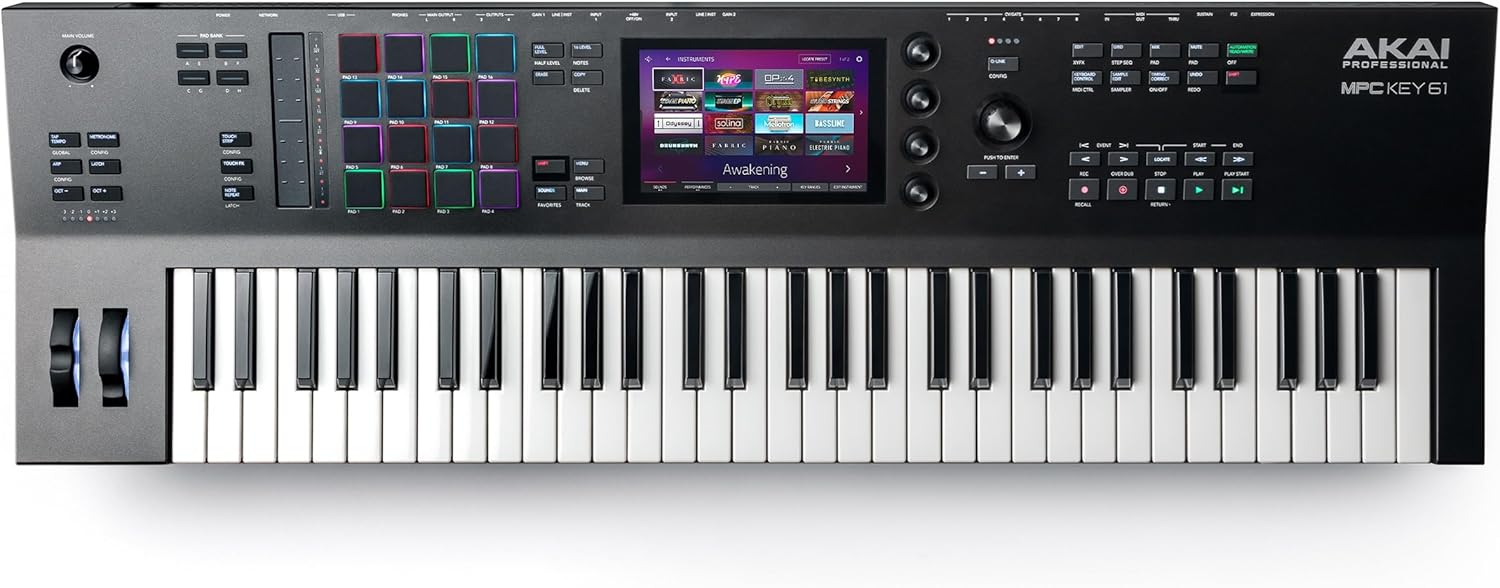
The MPC Key 61 is a powerful music keyboard that lets you make songs without needing a computer. It has 61 smooth keys you can play, colorful drum pads for making beats, and over 6,000 awesome sounds built in. You can change sounds with cool effects, twist and shape them using special controls, and even record your voice with a microphone. It connects to other music gear, works with Bluetooth and Wi-Fi, and even comes with software if you want to use it on a computer too. It's like a full music studio in one keyboard!
Elektron Octatrack MKI
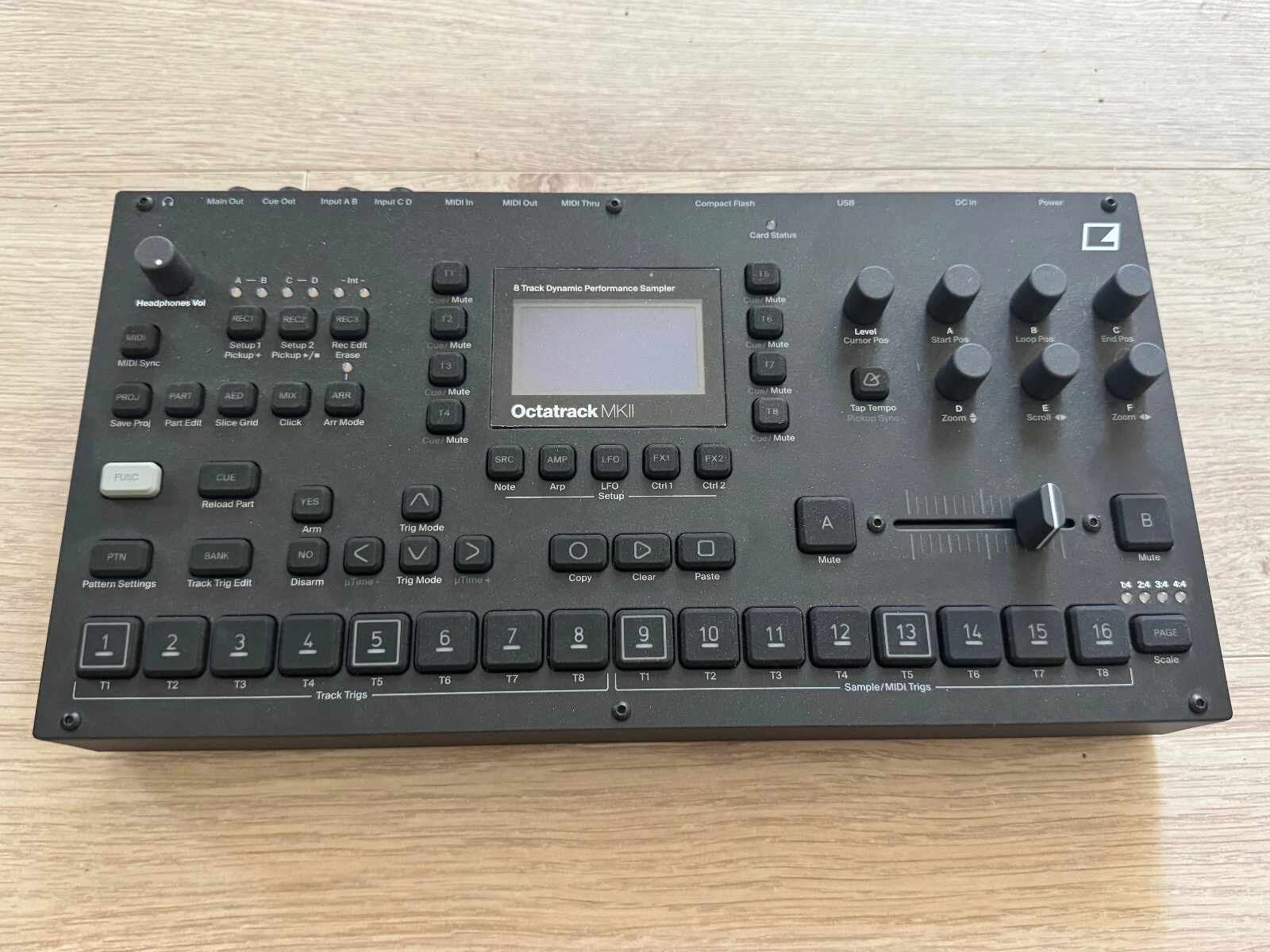
The Elektron Octatrack is a powerful music tool that lets you sample, loop, and remix sounds in real time. It has 8 tracks for playing and twisting audio, plus 8 more for controlling other gear with MIDI. You can load sounds from a memory card or record them live, then use built-in effects, a crossfader, and a step sequencer to create unique tracks. Whether you're performing live or making music in the studio, the Octatrack MK1 gives you deep control over your sound in a hands-on, creative way.
| Spec | Akai MPC Key 61 | Elektron Octatrack MKI |
|---|---|---|
| Manufacturer | Akai Professional | Elektron |
| Year Released | 2022 | 2010 |
| Polyphony | 128 | 8 |
| Sample Rate | 44.1kHz | 48kHz |
| Storage | Internal SSD | Compact Flash |
| Pads | 16 velocity-sensitive RGB pads | No pads, uses buttons and encoders |
| Sequencer | Yes | Yes |
| Effects | EQ, Reverb, Delay, Compression | Filters, Delay, Reverb |
| I/O | MIDI In/Out, USB, Audio In/Out | MIDI In/Out/Thru, Audio In/Out |
| Screen | 7-inch multi-touch display | OLED display |
| Software Integration | MPC Software | Elektron Transfer |
| Build | Keyboard controller with standalone capabilities | Desktop |
| Price | $1600 | |
| More about | Details | Details |
Buy the Akai MPC Key 61 on Amazon.com
Buy Now On AmazonAkai MPC Key 61 vs. Elektron Octatrack MKI: A Comprehensive Comparison
Summary: Choosing the right sampler can be a challenge for music enthusiasts. The Akai MPC Key 61 and the Elektron Octatrack MKI each offer unique features that cater to different styles of music production. This article will guide you through their similarities and differences to help you decide which is the best fit for your creative needs.
Introduction
Hello, music makers! If you’re here, you’re probably on the hunt for a new sampler to spice up your music production. Today, we’re diving deep into two popular devices: the Akai MPC Key 61 and the Elektron Octatrack MKI. These two machines are beloved by many, but they each have their own special features that make them stand out. So, grab your headphones and let’s explore what makes each of these samplers unique!
Key Features: Akai MPC Key 61
The Akai MPC Key 61 is a modern powerhouse in the world of music production. Released in 2022 by Akai Professional, this sampler combines a 61-key keyboard with the iconic MPC features that producers love. It boasts a whopping 128 notes of polyphony, which means you can play lots of notes at once! That’s perfect for creating lush, full sounds.
The MPC Key 61 comes with a 7-inch multi-touch display, making it easy to navigate through its features. Plus, it has 16 velocity-sensitive RGB pads that light up in different colors. These are great for tapping out beats or triggering samples during a live performance. With an internal SSD for storage, you have plenty of space to save your creations.
This sampler is also packed with effects like EQ, reverb, delay, and compression. These are perfect for shaping your sound and adding that extra sparkle to your tracks. The MPC Key 61 integrates seamlessly with MPC Software, allowing for a smooth workflow between hardware and software.
Key Features: Elektron Octatrack MKI
The Elektron Octatrack MKI, released back in 2010, is a classic in the world of sampling and sequencing. While it doesn’t have the colorful pads of the MPC Key 61, it uses buttons and encoders to control its powerful features. It offers 8-note polyphony, which might seem small compared to the MPC, but is perfect for its design as a loop-based music creation tool.
The Octatrack MKI operates with a sample rate of 48kHz, ensuring high-quality audio playback. It uses Compact Flash for storage, which might seem a bit old-school but offers quick and reliable access to your samples. Its OLED display might be smaller than the MPC’s screen, but it provides clear and concise information, making it easy to tweak your sounds on the fly.
With effects like filters, delay, and reverb, the Octatrack MKI is perfect for adding depth and character to your music. It also integrates with Elektron Transfer software, allowing you to manage your samples and projects efficiently.
Feature Comparisons
Sound and Polyphony
The Akai MPC Key 61 shines with its 128-note polyphony, making it ideal for those who love to layer sounds and create complex compositions. In contrast, the Elektron Octatrack MKI offers 8-note polyphony, which suits its design for live looping and sample manipulation. Both have their strengths, but the choice depends on whether you prefer more notes or specialized looping capabilities.
Display and Interface
The MPC Key 61’s 7-inch multi-touch display is a standout feature, providing an intuitive interface that’s easy to navigate. The colorful RGB pads add a visual element to performances that the Octatrack, with its buttons and encoders, doesn’t replicate. However, the Octatrack’s OLED display offers a straightforward view of essential information without the need for touch input.
Storage and Connectivity
When it comes to storage, the Akai MPC Key 61’s internal SSD offers ample space, while the Octatrack MKI relies on Compact Flash cards. In terms of connectivity, both offer MIDI In/Out, but the MPC Key 61 also includes USB connectivity, making it more adaptable to modern setups.
Effects and Integration
Both samplers come equipped with a range of effects. The MPC Key 61 includes EQ, reverb, delay, and compression, providing a versatile toolset for sound shaping. The Octatrack MKI offers filters, delay, and reverb, focusing on enhancing the character of samples. Integration with software is a breeze for both devices, with MPC Software for the Akai and Elektron Transfer for the Octatrack.
Pros and Cons
Akai MPC Key 61
Pros:
- High polyphony (128 notes)
- Large multi-touch display
- 16 RGB pads for dynamic playing
- Modern storage and connectivity options
- Comprehensive effects suite
Cons:
- Higher price point at $1600
- Keyboard form factor might not suit all producers
Elektron Octatrack MKI
Pros:
- Compact and portable desktop design
- High-quality audio with 48kHz sample rate
- Focused on sample manipulation and live performance
- Unique button and encoder interface
Cons:
- Lower polyphony (8 notes)
- Limited storage options with Compact Flash
- Smaller OLED display
Final Thoughts
Both the Akai MPC Key 61 and the Elektron Octatrack MKI have their own unique appeal. The MPC Key 61 is perfect for those who need a versatile, all-in-one production and performance tool with a keyboard. It’s great for creating complex, layered compositions and working seamlessly with software.
On the other hand, the Elektron Octatrack MKI is a dream for those who love sample manipulation and live performance. Its compact design and unique interface make it a favorite for on-the-go music creation and live sets.
In conclusion, if you’re a producer looking for a high-performance keyboard with extensive features, the Akai MPC Key 61 is your best bet. But if you’re an artist who thrives on creativity and live sampling, the Elektron Octatrack MKI might just be your new favorite instrument. Happy music-making!