Akai MPC Key 61 — VS — Korg Volca Sample
Akai MPC Key 61
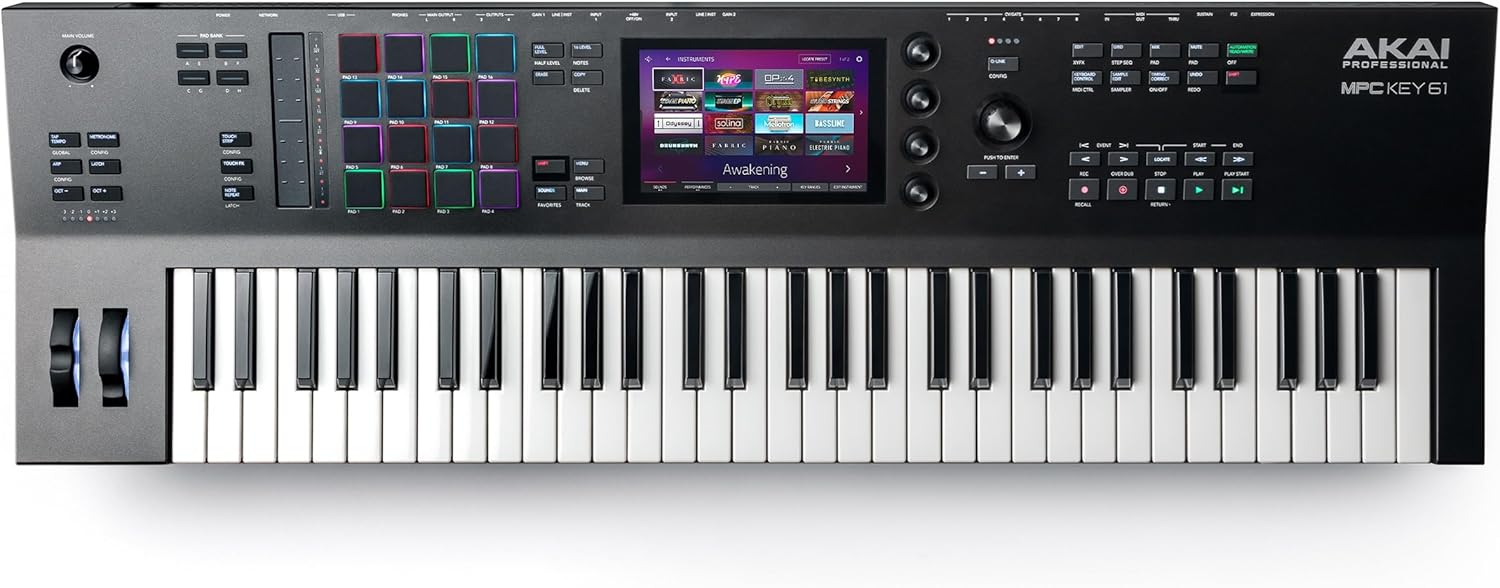
The MPC Key 61 is a powerful music keyboard that lets you make songs without needing a computer. It has 61 smooth keys you can play, colorful drum pads for making beats, and over 6,000 awesome sounds built in. You can change sounds with cool effects, twist and shape them using special controls, and even record your voice with a microphone. It connects to other music gear, works with Bluetooth and Wi-Fi, and even comes with software if you want to use it on a computer too. It's like a full music studio in one keyboard!
Korg Volca Sample
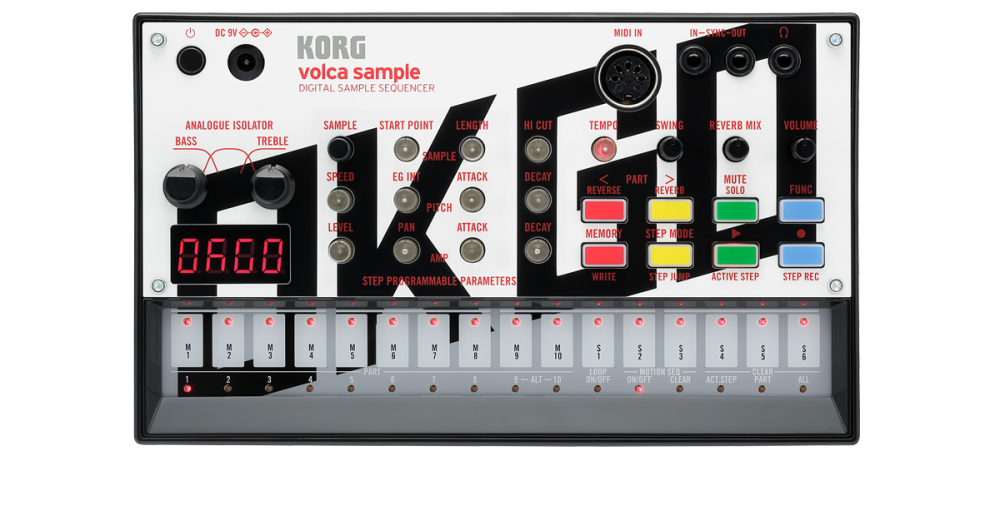
The original Korg Volca Sample is a small, hands-on drum machine that lets you play, tweak, and sequence up to 100 custom sounds. You can build beats, add motion effects, reverse samples, and create grooves with its fun and easy sequencer. It includes features like a powerful analog isolator, reverb, and song mode for more creative control. You could only load new samples using a special iOS app. This model has now been replaced by the improved <a href='/samplers/korg-volca-sample-2'>Volca Sample 2</a>, which adds USB, more memory, and a better workflow.
| Spec | Akai MPC Key 61 | Korg Volca Sample |
|---|---|---|
| Manufacturer | Akai Professional | Korg |
| Year Released | 2022 | 2014 |
| Polyphony | 128 | 16 |
| Sample Rate | 44.1kHz | 44.1kHz |
| Storage | Internal SSD | Internal memory |
| Pads | 16 velocity-sensitive RGB pads | No pads, uses buttons |
| Sequencer | Yes | Yes |
| Effects | EQ, Reverb, Delay, Compression | Reverb, Delay |
| I/O | MIDI In/Out, USB, Audio In/Out | MIDI In, Audio Out |
| Screen | 7-inch multi-touch display | LED indicators |
| Software Integration | MPC Software | No |
| Build | Keyboard controller with standalone capabilities | Portable |
| Price | $1600 | $149 |
| More about | Details | Details |
Buy the Akai MPC Key 61 on Amazon.com
Buy Now On AmazonThe Ultimate Guide to Choosing Between the Akai MPC Key 61 and the Korg Volca Sample
Welcome to our deep dive into two exciting samplers that could change your music-making game. If you’re trying to decide between the Akai MPC Key 61 and the Korg Volca Sample, you’ve come to the right place. These devices offer unique features for different types of music enthusiasts. Let’s explore each in detail to help you make the right choice.
Introduction
Music gear enthusiasts know that choosing the right sampler can make a big difference in how you create and perform music. Today, we’re going to look at two popular options: the Akai MPC Key 61 and the Korg Volca Sample. Both are powerful in their own ways, but they cater to different needs and budgets. Whether you’re a budding bedroom producer or a live performer, this guide will help you decide which sampler suits you best.
Akai MPC Key 61: A Comprehensive Overview
The Akai MPC Key 61 is a powerhouse designed for those who need a complete music production center. Released in 2022, this sampler is packed with features that cater to both production and performance.
Features and Usability
-
Polyphony and Sound Quality: The Akai MPC Key 61 boasts 128-note polyphony, which means you can play many notes at once. This is great for complex compositions and rich sound textures. The sample rate is 44.1kHz, ensuring high-quality audio.
-
Storage and Interface: With an internal SSD, you have plenty of space to store your samples and projects. The 7-inch multi-touch display makes navigating the device a breeze. It also features 16 velocity-sensitive RGB pads, adding a tactile element to your music-making.
-
Effects and Connectivity: This sampler comes with a range of effects like EQ, Reverb, Delay, and Compression, allowing you to shape your sound easily. It also has MIDI In/Out, USB, and Audio In/Out for versatile connectivity, making it easy to integrate into any setup.
-
Software Integration: The MPC Software integration provides a seamless workflow for producers who like to work both on and off the computer.
Pros and Cons of the Akai MPC Key 61
Pros:
- High polyphony allows for complex music layers.
- Integrated keyboard and pads for versatile use.
- Extensive connectivity options make it a studio hub.
- Comprehensive effects suite for sound shaping.
Cons:
- Price point at $1600 may be high for beginners.
- Size and weight could be less portable for live setups.
Korg Volca Sample: A Closer Look
The Korg Volca Sample is a compact and portable sampler ideal for live performances. Launched in 2014, it remains a favorite for musicians on the go.
Features and Usability
-
Polyphony and Sound Quality: With 16-note polyphony, the Volca Sample is perfect for simpler compositions. Like the Akai, it also operates at a 44.1kHz sample rate, ensuring good sound quality.
-
Storage and Interface: The Volca Sample uses internal memory for storage and features LED indicators instead of a full screen. It doesn’t have pads, but its buttons are intuitive for step sequencing.
-
Effects and Connectivity: It offers Reverb and Delay effects, which are simple but effective for live tweaking. With only MIDI In and Audio Out, it’s a bit limited in connectivity compared to the Akai.
-
Build and Portability: The Volca Sample’s compact design makes it highly portable, perfect for musicians who perform live and need something easy to transport.
Pros and Cons of the Korg Volca Sample
Pros:
- Affordable price at $180 makes it accessible to many.
- Highly portable, great for live gigs and travel.
- Simple interface is easy to learn and use.
Cons:
- Limited polyphony might not suit complex compositions.
- Minimal connectivity options restrict integration.
- Lack of a screen can hinder detailed editing.
Feature Comparison
Both the Akai MPC Key 61 and the Korg Volca Sample offer unique features that cater to different kinds of music creators. The Akai’s extensive features make it a robust option for studio work, while the Korg’s simplicity and portability cater to live performers.
Polyphony and Sound Quality
The Akai MPC Key 61 outshines the Korg Volca Sample when it comes to polyphony, offering 128 notes compared to the Korg’s 16. This makes the Akai better suited for complex arrangements and richer soundscapes.
Storage and Interface
When it comes to storage, the Akai’s internal SSD is a big advantage, providing ample space for samples and projects. The Korg’s internal memory is sufficient for its purpose but may require frequent management. The Akai’s large touch screen is user-friendly, whereas the Korg relies on LED indicators, which might be less intuitive for some users.
Effects and Connectivity
Both devices offer basic effects, but the Akai comes with a more extensive suite, allowing for greater sound manipulation. In terms of connectivity, the Akai is far more versatile with its MIDI In/Out, USB, and Audio In/Out, compared to the Korg’s limited MIDI In and Audio Out.
Build and Portability
The Korg Volca Sample wins in portability due to its compact build, making it easy to carry around for gigs. The Akai MPC Key 61 is more robust and better suited for a permanent studio setup.
Summary
Choosing between the Akai MPC Key 61 and the Korg Volca Sample depends on your specific needs and budget. The Akai offers a comprehensive music production experience with its extensive features and high-quality build, while the Korg provides an affordable and portable option for live performances and quick jam sessions.
Final Verdict
The Akai MPC Key 61 is ideal for producers who want an all-in-one studio solution and don’t mind investing in a high-end device. It’s perfect for those who need advanced features and a robust workflow.
The Korg Volca Sample is best for musicians looking for a budget-friendly, portable sampler that they can easily take to gigs or use for quick, on-the-go production.
No matter which device you choose, both samplers offer unique strengths that can greatly enhance your music creation journey.