Akai MPC Key 61 — VS — Polyend Tracker
Akai MPC Key 61
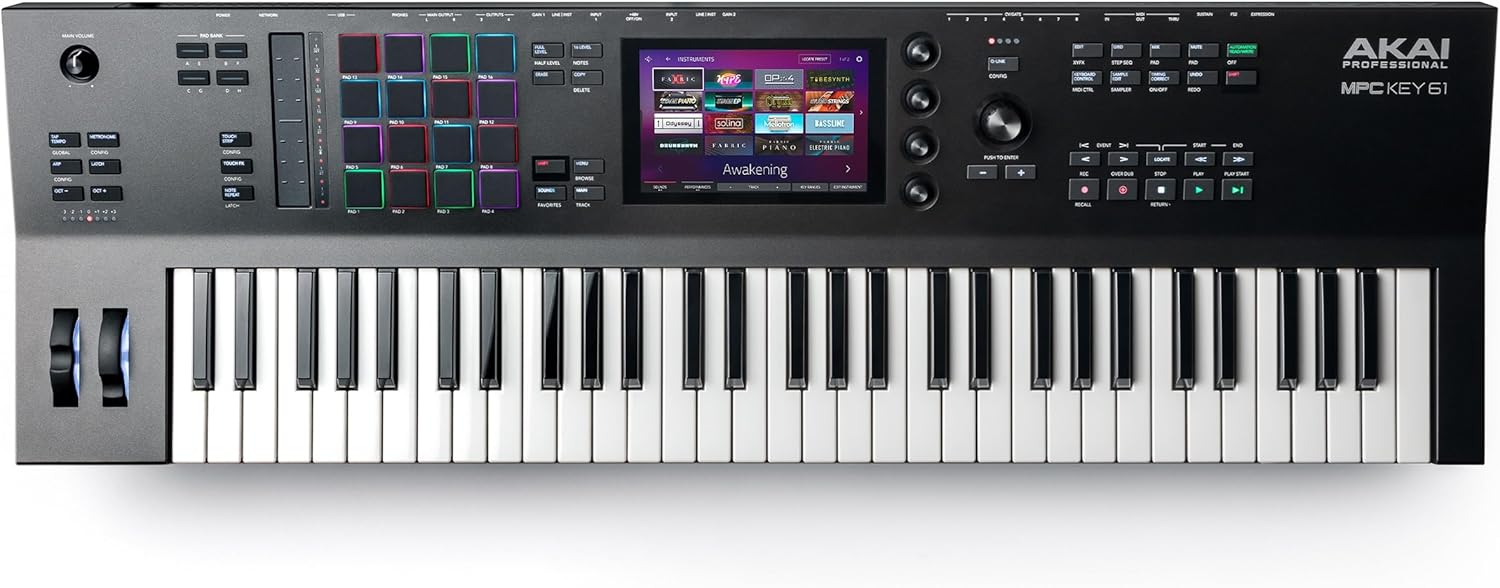
The MPC Key 61 is a powerful music keyboard that lets you make songs without needing a computer. It has 61 smooth keys you can play, colorful drum pads for making beats, and over 6,000 awesome sounds built in. You can change sounds with cool effects, twist and shape them using special controls, and even record your voice with a microphone. It connects to other music gear, works with Bluetooth and Wi-Fi, and even comes with software if you want to use it on a computer too. It's like a full music studio in one keyboard!
Polyend Tracker
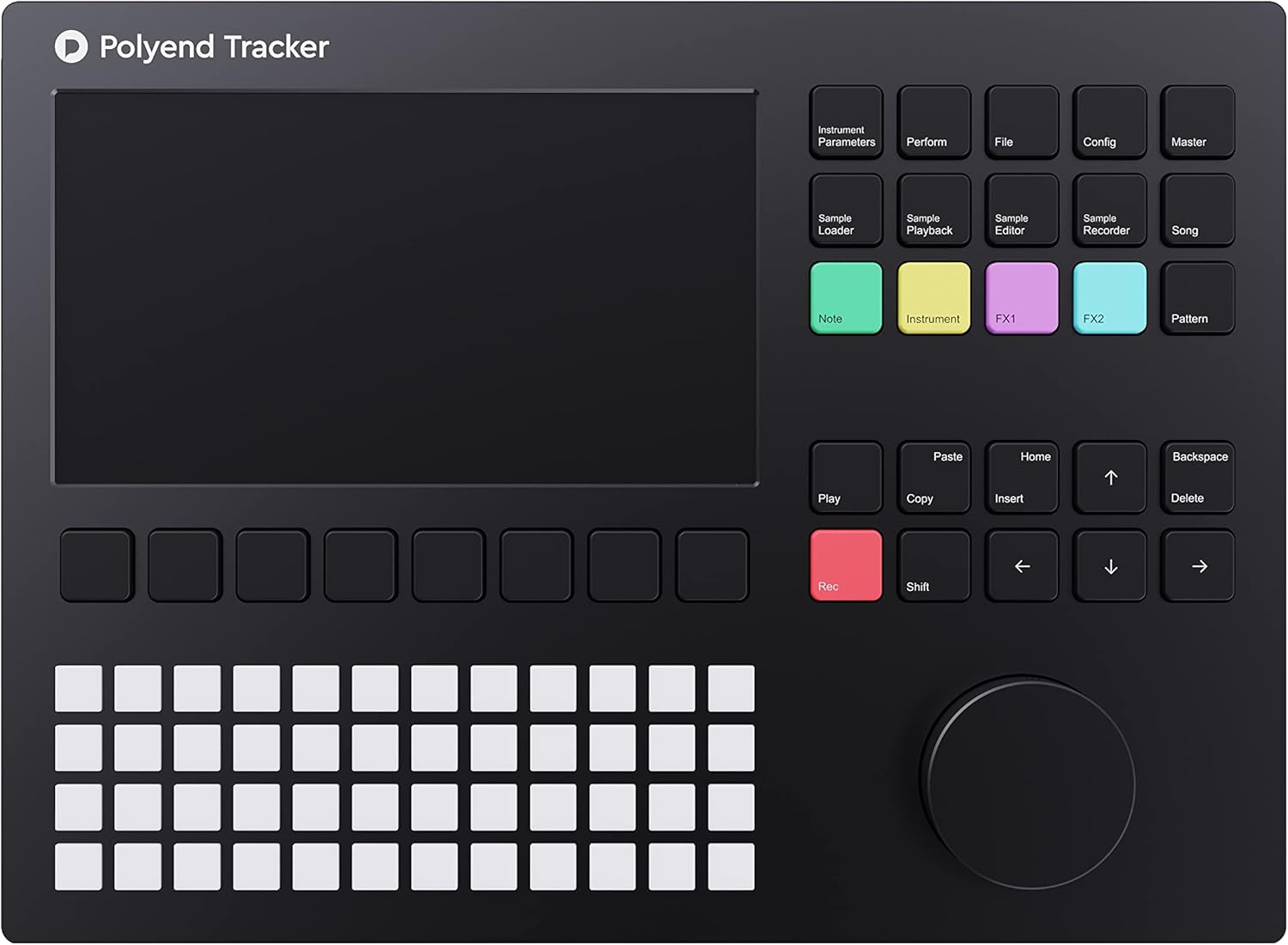
Polyend Tracker is a powerful, easy-to-use music workstation that helps you create and perform your own songs. It's compact, lightweight, and built for making music anywhere—at home, in the studio, or on the go. You can load in your own samples, record new ones with a mic or even from the built-in FM radio, then slice, shape, and play them your way. It has a simple layout, a strong sequencer, and tools like filters and effects to build full tracks. You can also connect it to other gear using MIDI. It's made for creative people who want a fresh, hands-on way to make music.
| Spec | Akai MPC Key 61 | Polyend Tracker |
|---|---|---|
| Manufacturer | Akai Professional | Polyend |
| Year Released | 2022 | 2020 |
| Polyphony | 128 | 64 |
| Sample Rate | 44.1kHz | 44.1kHz |
| Storage | Internal SSD | MicroSD card |
| Pads | 16 velocity-sensitive RGB pads | No pads, buttons for input |
| Sequencer | Yes | Yes |
| Effects | EQ, Reverb, Delay, Compression | Multiple effects |
| I/O | MIDI In/Out, USB, Audio In/Out | MIDI In/Out, USB, Audio In/Out |
| Screen | 7-inch multi-touch display | LCD display |
| Software Integration | MPC Software | No |
| Build | Keyboard controller with standalone capabilities | Tracker-style sampler |
| Price | $1600 | $599 |
| More about | Details | Details |
Buy the Akai MPC Key 61 on Amazon.com
Buy Now On AmazonBuy the Polyend Tracker on Amazon.com
Buy Now On AmazonDiscovering the World of Samplers: Akai MPC Key 61 vs. Polyend Tracker
Summary: In this blog, we will explore the Akai MPC Key 61 and Polyend Tracker, two popular samplers in the music production world. If you are passionate about creating music, these devices might be just what you need. Read on to find out which sampler is perfect for you!
Introduction
Hello, music enthusiasts! Today, we are diving into the fascinating world of samplers. If you love making music, you’ve probably heard of the Akai MPC Key 61 and the Polyend Tracker. These samplers help musicians create and perform music in exciting ways. But which one should you choose? Let’s find out by comparing their features, pros, and cons!
Meet the Contenders
Akai MPC Key 61
The Akai MPC Key 61 is a powerful sampler by Akai Professional that came out in 2022. It’s a 61-key keyboard that combines the classic MPC features with modern music production tools. With its colorful pads and big touchscreen, it’s designed for both creation and live performances.
Polyend Tracker
The Polyend Tracker, released in 2020, is a unique tracker-style sampler from Polyend. It doesn’t have keys like the Akai, but instead uses a grid of buttons for input. It’s known for its innovative sequencing approach and compact design, making it a favorite among electronic music producers.
Feature Comparisons
Musical Polyphony
Polyphony is all about how many sounds a device can play at once. The Akai MPC Key 61 offers a whopping 128 voices of polyphony! This means you can layer many sounds together to create rich, full music compositions.
The Polyend Tracker, on the other hand, provides 64 voices of polyphony. While it’s less than the Akai, 64 voices are still plenty for most music projects, especially if you’re into electronic music.
Pros of Akai MPC Key 61:
- High polyphony allows for complex compositions.
- Great for performers needing multiple layers of sound.
Cons of Akai MPC Key 61:
- The high polyphony might be more than needed for simple projects.
Pros of Polyend Tracker:
- Sufficient polyphony for electronic music.
- Compact and portable design.
Cons of Polyend Tracker:
- Less polyphony compared to the Akai.
Sampling Rate and Storage
Both samplers have a sample rate of 44.1kHz, which is perfect for high-quality audio. But when it comes to storage, the Akai MPC Key 61 shines with its internal SSD, ensuring fast and reliable access to your samples.
The Polyend Tracker uses a MicroSD card for storage. This makes it easy to swap cards and expand storage, but it might not be as fast as the SSD in the Akai.
Pros of Akai MPC Key 61:
- Internal SSD for quick sample access.
Cons of Akai MPC Key 61:
- Fixed internal storage might limit expansion.
Pros of Polyend Tracker:
- Expandable storage with MicroSD cards.
Cons of Polyend Tracker:
- Potentially slower access than an SSD.
Pads and Input
The Akai MPC Key 61 features 16 velocity-sensitive RGB pads, perfect for dynamic music creation. You can tap out beats and control samples with ease. The large 7-inch multi-touch display allows for intuitive navigation and control over your music.
The Polyend Tracker doesn’t have pads, but it uses a grid of buttons for input. The layout is designed to work seamlessly with its tracker-style sequencing, which is a unique and creative way to make music.
Pros of Akai MPC Key 61:
- Responsive pads for expressive performances.
- Large touchscreen for easy control.
Cons of Akai MPC Key 61:
- Bulky due to the keyboard and pads.
Pros of Polyend Tracker:
- Innovative button grid for unique sequencing.
- Compact design for portability.
Cons of Polyend Tracker:
- Lack of pads might be a drawback for beatmakers.
Sequencing and Effects
Both samplers come with impressive sequencers and effects. The Akai MPC Key 61 includes EQ, Reverb, Delay, and Compression, giving you full control over your sound. Its sequencer is versatile, allowing for complex arrangements.
The Polyend Tracker also offers multiple effects and a powerful sequencer. Its tracker-style approach is known for inspiring creativity and pushing the boundaries of traditional music production.
Pros of Akai MPC Key 61:
- Versatile effects for polished sound.
- Robust sequencer for detailed arrangements.
Cons of Akai MPC Key 61:
- Traditional sequencing might not inspire all users.
Pros of Polyend Tracker:
- Creative sequencing approach.
- Unique effects for experimental sounds.
Cons of Polyend Tracker:
- Tracker-style sequencing may have a learning curve.
Inputs and Outputs
Both devices include MIDI In/Out, USB, and Audio In/Out options. This makes them compatible with various music gear and software. However, the Akai MPC Key 61 also integrates with MPC Software, enhancing its capabilities further.
The Polyend Tracker, while not offering specific software integration, still connects well with other devices, making it a flexible choice for studio setups.
Pros of Akai MPC Key 61:
- Seamless integration with MPC Software.
- Comprehensive I/O options.
Cons of Akai MPC Key 61:
- Software integration might not be necessary for all users.
Pros of Polyend Tracker:
- Flexible connectivity options.
- Works well in different setups.
Cons of Polyend Tracker:
- Lack of dedicated software integration.
Build and Price
The Akai MPC Key 61, with its keyboard controller and standalone capabilities, comes in at a price of $1600. It’s a serious investment for musicians looking for a powerful, all-in-one music production tool.
The Polyend Tracker, priced at $1200, offers a more affordable option with its tracker-style design. Its compact build makes it ideal for traveling musicians and those with limited space.
Pros of Akai MPC Key 61:
- All-in-one design for comprehensive music production.
- Suitable for live performances.
Cons of Akai MPC Key 61:
- Higher price point.
Pros of Polyend Tracker:
- Affordable and compact.
- Easy to transport.
Cons of Polyend Tracker:
- May require additional equipment for full production capabilities.
Final Verdict
Both the Akai MPC Key 61 and Polyend Tracker are excellent samplers, each with its own strengths. The Akai MPC Key 61 is perfect for musicians who want a complete production and performance tool. Its high polyphony, pads, and software integration make it ideal for those working on complex projects.
On the other hand, the Polyend Tracker is great for electronic music producers who enjoy a unique sequencing approach. Its portability and affordable price make it a fantastic choice for musicians on the go.
In conclusion, if you’re seeking an all-encompassing music production powerhouse, the Akai MPC Key 61 is your best bet. However, if you’re after a creative and portable solution, the Polyend Tracker is your perfect match.
Thank you for joining us on this musical journey! We hope this comparison helps you find the right sampler for your needs. Keep creating and enjoy making music!