Akai MPC Key 61 — VS — Teenage Engineering EP-133 K.O. II Sampler
Akai MPC Key 61
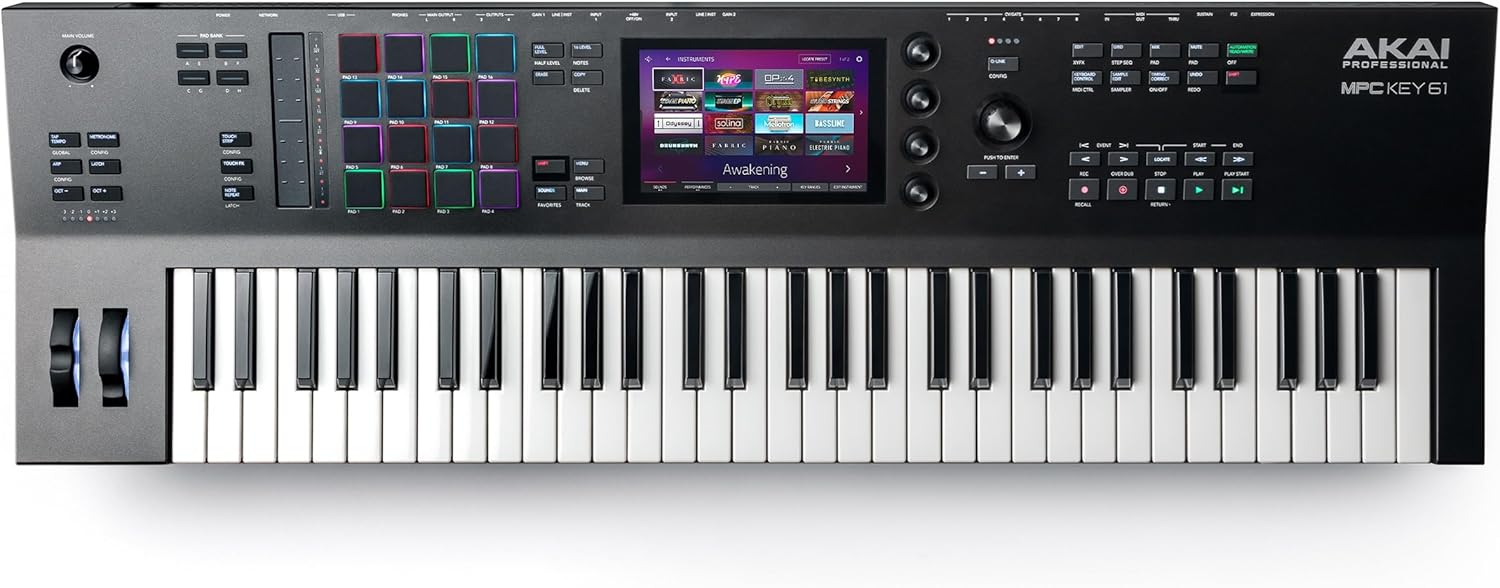
The MPC Key 61 is a powerful music keyboard that lets you make songs without needing a computer. It has 61 smooth keys you can play, colorful drum pads for making beats, and over 6,000 awesome sounds built in. You can change sounds with cool effects, twist and shape them using special controls, and even record your voice with a microphone. It connects to other music gear, works with Bluetooth and Wi-Fi, and even comes with software if you want to use it on a computer too. It's like a full music studio in one keyboard!
Teenage Engineering EP-133 K.O. II Sampler
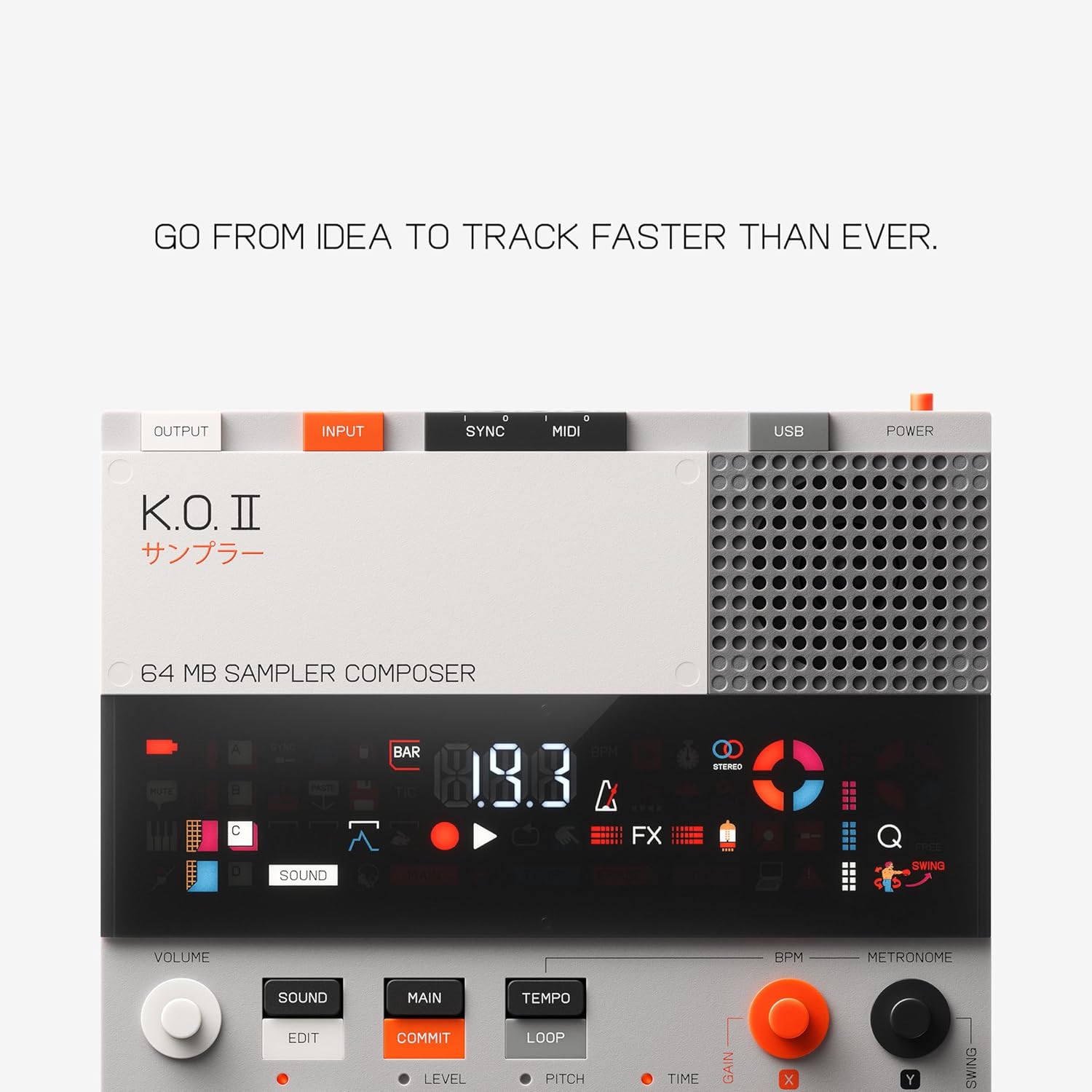
The EP-133 K.O. II is Teenage Engineering's next-gen portable sampler. It features punchy pads, step sequencing, powerful FX, and sample warping—all in a stylish and compact design. It's a fantastic upgrade from the original PO-33 for musicians looking for portability and hands-on performance.
| Spec | Akai MPC Key 61 | Teenage Engineering EP-133 K.O. II Sampler |
|---|---|---|
| Manufacturer | Akai Professional | Teenage Engineering |
| Year Released | 2022 | 2023 |
| Polyphony | 128 | Polyphonic (unspecified) |
| Sample Rate | 44.1kHz | 16-bit / 46.875kHz |
| Storage | Internal SSD | Internal + microSD |
| Pads | 16 velocity-sensitive RGB pads | 16 velocity-sensitive pads |
| Sequencer | Yes | Yes |
| Effects | EQ, Reverb, Delay, Compression | Filter, Delay, Reverb, Compression |
| I/O | MIDI In/Out, USB, Audio In/Out | USB-C, Line In/Out, MIDI via TRS |
| Screen | 7-inch multi-touch display | OLED display |
| Software Integration | MPC Software | Minimal, plug-and-play |
| Build | Keyboard controller with standalone capabilities | Durable plastic housing with step sequencer |
| Price | $1600 | $299 |
| More about | Details | Details |
Buy the Akai MPC Key 61 on Amazon.com
Buy Now On AmazonBuy the Teenage Engineering EP-133 K.O. II Sampler on Amazon.com
Buy Now On AmazonBattle of the Samplers: Akai MPC Key 61 vs. Teenage Engineering EP-133 K.O. II Sampler
If you’re on the hunt for a sampler that suits your music production needs, the Akai MPC Key 61 and the Teenage Engineering EP-133 K.O. II Sampler are two great options. Both offer unique features and benefits, but which one is right for you? In this post, we’ll dive deep into each sampler’s features, pros and cons, and help you decide which one is the perfect fit for your music-making journey.
Introduction
Music gear enthusiasts know the joy of finding the perfect instrument that enhances their creative process. Samplers have become essential tools for musicians, offering endless possibilities for creating beats, melodies, and entire songs. Today, we’re comparing two standout samplers: the Akai MPC Key 61 and the Teenage Engineering EP-133 K.O. II. Let’s explore what sets them apart and who they’re best suited for.
Features Comparison
Design and Build
The Akai MPC Key 61 is a robust keyboard controller that feels like a full music studio. It features 61 keys with smooth action, making it comfortable for both beginners and experienced players. The build is substantial, designed to stay put in your studio, yet it’s portable enough for live performances. The standout feature here is its 7-inch multi-touch display, which offers an intuitive interface for programming and editing.
On the other hand, the Teenage Engineering EP-133 K.O. II Sampler is all about portability and style. It’s compact and lightweight, making it easy to carry around. Its durable plastic housing ensures it can withstand the rigors of travel and live performance. The OLED display, while smaller than the Akai’s, is bright and clear, providing essential information at a glance.
Sound and Effects
When it comes to sound, the Akai MPC Key 61 shines with its 128-note polyphony and 44.1kHz sample rate. It houses over 6,000 built-in sounds, ensuring you never run out of creative options. The effects suite includes EQ, reverb, delay, and compression, allowing you to shape your sound to perfection.
The EP-133 K.O. II offers a polyphonic experience, although the exact number of voices isn’t specified. It operates at a 16-bit / 46.875kHz sample rate, which is slightly lower than the Akai, but the sound quality remains impressive. Its effects include filter, delay, reverb, and compression, providing plenty of tools for creative sound design.
Pads and Sequencing
Both samplers come with 16 velocity-sensitive pads, perfect for creating beats and triggering samples. The Akai MPC Key 61 pads are RGB-lit, adding a visual element to your performance. The sequencing capabilities are robust, with advanced features that cater to both beginners and seasoned producers.
The EP-133 K.O. II also features 16 pads, offering a satisfying tactile response. Its step sequencer is user-friendly, making it easy to build complex patterns and beats. The sampler’s intuitive design ensures that even those new to music production can start creating quickly.
Connectivity and Integration
For connectivity, the Akai MPC Key 61 offers MIDI In/Out, USB, and audio In/Out, making it versatile for studio and live use. It also supports Bluetooth and Wi-Fi, ensuring seamless integration with other devices and software. The MPC software integration extends its capabilities, allowing for deeper editing and control.
The EP-133 K.O. II keeps things simple with USB-C and Line In/Out connections. It also supports MIDI via TRS, providing flexibility for various setups. Its minimal plug-and-play software integration makes it easy to get started without a steep learning curve.
Storage
The Akai MPC Key 61 comes with an internal SSD, providing ample space for storing samples and projects. This is a significant advantage for producers who work with large sample libraries.
In contrast, the EP-133 K.O. II offers internal storage with the option to expand using a microSD card. This is ideal for those who need extra space but want to keep their device light and portable.
Pros and Cons
Akai MPC Key 61
Pros:
- Extensive sound library with over 6,000 built-in sounds
- High-quality 7-inch multi-touch display
- Robust build and keyboard with 61 smooth keys
- Comprehensive connectivity options, including Bluetooth and Wi-Fi
- Advanced effects suite
Cons:
- Higher price point ($1600)
- Larger and less portable than other options
Teenage Engineering EP-133 K.O. II
Pros:
- Compact and portable design
- Affordable price ($299)
- Easy-to-use step sequencer
- MicroSD expandability for storage
- Stylish and durable build
Cons:
- Limited sound library compared to Akai
- Smaller display with less detailed interface
- Lower sample rate
Summary
Both the Akai MPC Key 61 and the Teenage Engineering EP-133 K.O. II offer unique features for music makers. The Akai is a powerhouse with extensive capabilities, while the Teenage Engineering model excels in portability and ease of use.
Final Verdict
The Akai MPC Key 61 is best for producers who need a comprehensive, standalone music production solution. Its extensive sound library, advanced sequencing, and robust build make it ideal for both studio and live settings. However, its higher price point makes it more suitable for serious musicians or those who want to invest in a long-term solution.
The Teenage Engineering EP-133 K.O. II Sampler is perfect for musicians on the go who value portability and simplicity. Its affordability and compact design make it an excellent choice for beginners or those who need a reliable, travel-friendly sampler.
Whether you’re a seasoned producer or a budding musician, choosing the right sampler can greatly enhance your creative process. Consider your specific needs, budget, and workflow to find the perfect fit for your musical journey. For more details, check out the Akai MPC Key 61 and Teenage Engineering EP-133 K.O. II Sampler pages.