Akai MPC Key 61 — VS — Teenage Engineering OP-1 Field
Akai MPC Key 61
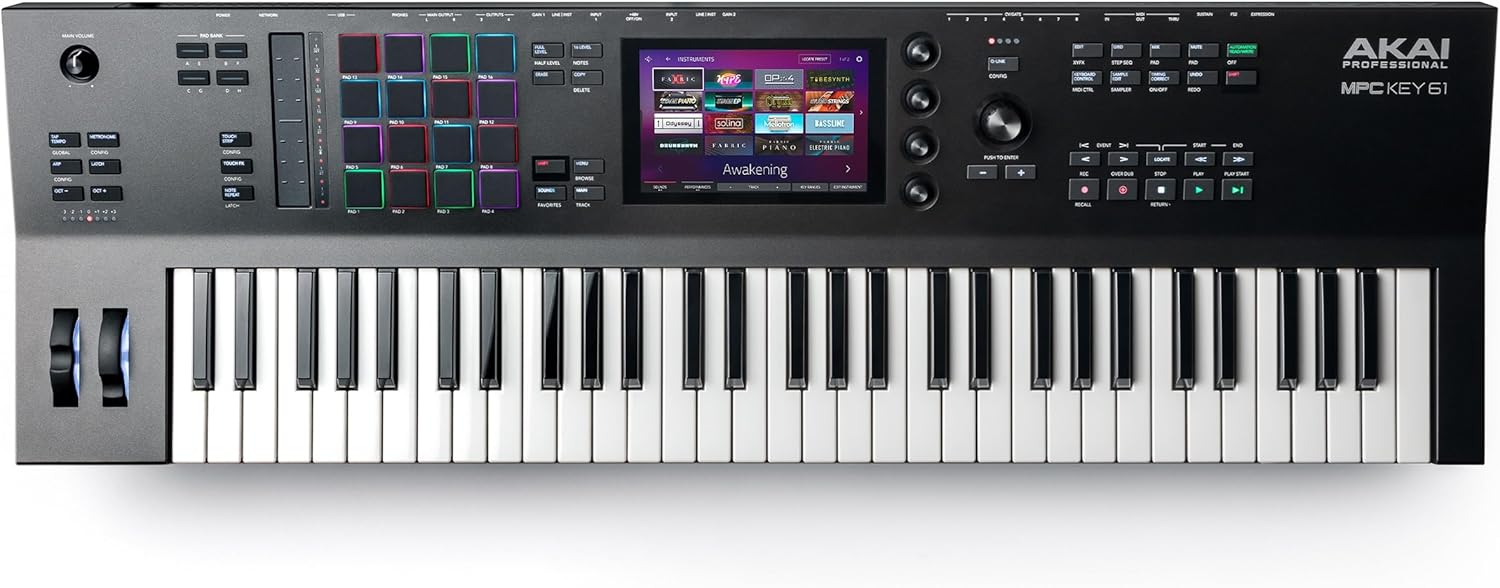
The MPC Key 61 is a powerful music keyboard that lets you make songs without needing a computer. It has 61 smooth keys you can play, colorful drum pads for making beats, and over 6,000 awesome sounds built in. You can change sounds with cool effects, twist and shape them using special controls, and even record your voice with a microphone. It connects to other music gear, works with Bluetooth and Wi-Fi, and even comes with software if you want to use it on a computer too. It's like a full music studio in one keyboard!
Teenage Engineering OP-1 Field
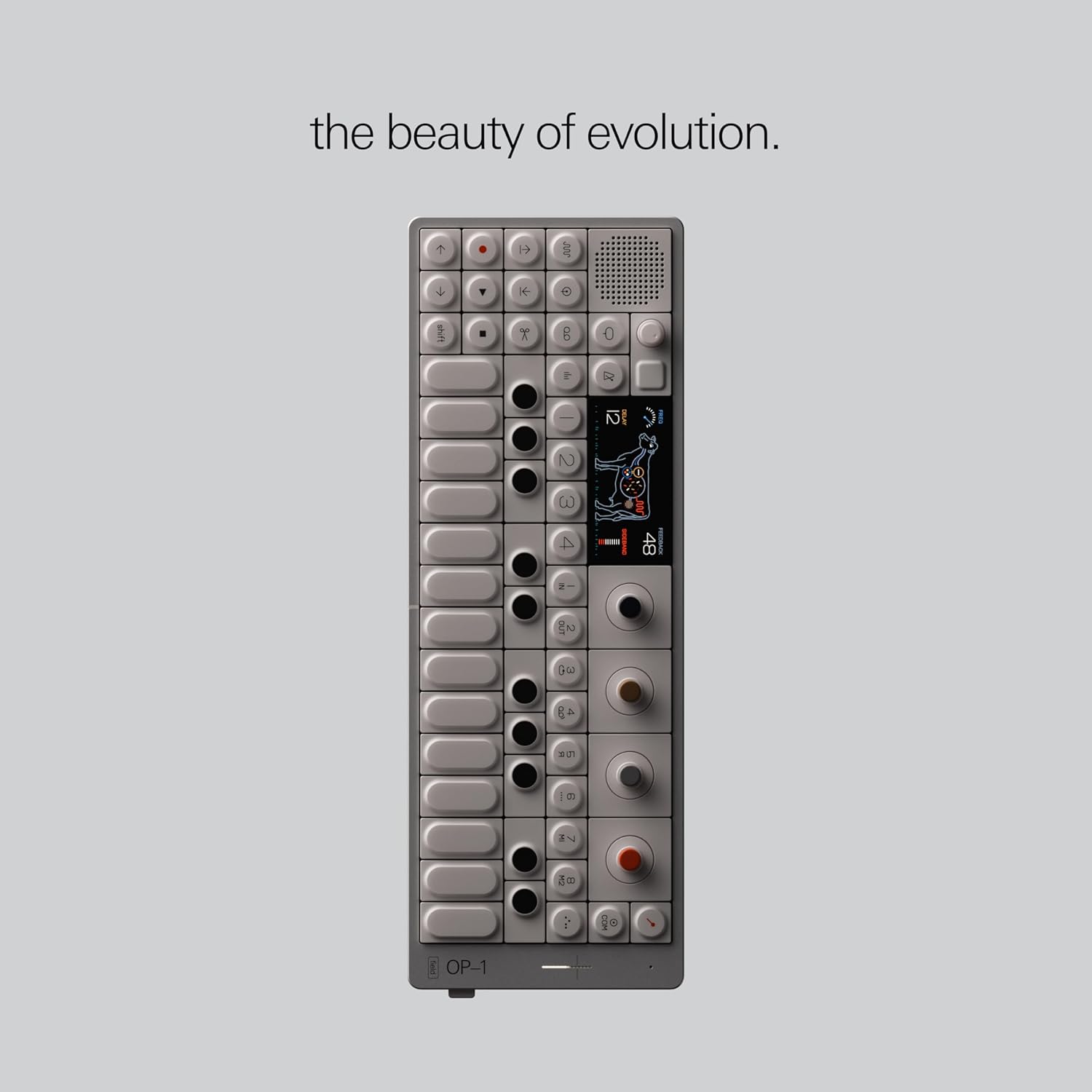
The OP-1 Field is a super cool, all-in-one music maker you can take anywhere. It's small, strong, and sounds amazing. You can play music, record sounds, and mix it all together right on the device. It has a bright screen, loud speakers, and even velcro on the back to add fun stuff. You can connect it to your phone or computer, and it works great with other music gear too. Whether you're at home or outside, it's ready to help you create awesome music.
| Spec | Akai MPC Key 61 | Teenage Engineering OP-1 Field |
|---|---|---|
| Manufacturer | Akai Professional | Teenage Engineering |
| Year Released | 2022 | 2022 |
| Polyphony | 128 | 8 |
| Sample Rate | 44.1kHz | 44.1kHz |
| Storage | Internal SSD | Internal storage |
| Pads | 16 velocity-sensitive RGB pads | No pads, uses buttons |
| Sequencer | Yes | Yes |
| Effects | EQ, Reverb, Delay, Compression | Multiple effects |
| I/O | MIDI In/Out, USB, Audio In/Out | USB Audio, MIDI |
| Screen | 7-inch multi-touch display | OLED display |
| Software Integration | MPC Software | No |
| Build | Keyboard controller with standalone capabilities | Portable synth/sampler/sequencer |
| Price | $1600 | $1999 |
| More about | Details | Details |
Buy the Akai MPC Key 61 on Amazon.com
Buy Now On AmazonBuy the Teenage Engineering OP-1 Field on Amazon.com
Buy Now On AmazonAkai MPC Key 61 vs Teenage Engineering OP-1 Field: Which Sampler Should You Choose?
Short Summary:
When it comes to samplers, both the Akai MPC Key 61 and Teenage Engineering OP-1 Field bring unique features to the table. The Akai MPC Key 61 is a versatile powerhouse with a focus on production and performance, while the Teenage Engineering OP-1 Field offers a portable and creative approach to music-making.
Introduction
Hello, music gear enthusiasts! Are you ready to explore the exciting world of samplers? Today, we’re diving into a detailed comparison of two popular devices: the Akai MPC Key 61 and the Teenage Engineering OP-1 Field. Whether you’re a seasoned producer or just starting your musical journey, understanding the features and capabilities of these samplers will help you decide which one fits your needs best.
Features Comparison
Build and Design
The Akai MPC Key 61 is a robust keyboard controller that combines the feel of a traditional keyboard with the powerful features of an MPC. It boasts a full-size, 61-key layout, making it ideal for musicians who prefer playing keys while producing. With a sleek design and a large 7-inch multi-touch display, the MPC Key 61 offers an intuitive workflow for both studio and live performances.
On the other hand, the Teenage Engineering OP-1 Field is all about portability and creativity. This compact device is a hybrid synth, sampler, and sequencer, designed to fit effortlessly into your backpack. Its unique OLED display and minimalist design make it stand out, offering a different tactile experience compared to traditional keyboard controllers.
Sound and Polyphony
When it comes to sound, the Akai MPC Key 61 provides a rich and versatile palette with its 128-note polyphony. This allows for complex arrangements and layers, making it suitable for intricate productions. The sample rate of 44.1kHz ensures high-quality audio, which is essential for professional music-making.
In contrast, the Teenage Engineering OP-1 Field offers 8-note polyphony. While this is significantly lower than the MPC Key 61, it encourages a more creative and minimalist approach to composition. This limitation can actually inspire unique musical ideas and soundscapes, appealing to musicians who enjoy thinking outside the box.
Sequencing and Effects
Both devices offer sequencing capabilities, but they approach it differently. The Akai MPC Key 61 includes an advanced sequencer, allowing for complex and detailed arrangements. Its 16 velocity-sensitive RGB pads provide a hands-on approach to beat-making and performance, perfect for producers who thrive on tactile interaction.
The OP-1 Field, while lacking traditional pads, uses buttons for sequencing. This might seem limiting at first, but many users find it liberating and intuitive. The OP-1 Field also boasts multiple effects, offering a wide range of sound manipulation options that encourage experimentation.
Connectivity and Integration
Connectivity is crucial for any music production setup. The Akai MPC Key 61 excels in this area with MIDI In/Out, USB, and Audio In/Out options. It also integrates seamlessly with MPC Software, providing a comprehensive solution for producers who rely on software-based workflows.
The OP-1 Field, while more limited in connectivity, still offers USB Audio and MIDI capabilities. However, it does not integrate with any specific software, emphasizing its standalone nature. This makes it an excellent choice for musicians who prefer working without a computer.
Pros and Cons
Akai MPC Key 61
Pros:
- Full-size 61-key keyboard for versatile performance
- High polyphony (128 notes) for complex compositions
- Comprehensive connectivity options
- Seamless integration with MPC Software
- Large multi-touch display for intuitive navigation
Cons:
- Higher price point at $1600
- Larger and less portable compared to OP-1 Field
Teenage Engineering OP-1 Field
Pros:
- Highly portable and compact design
- Unique workflow that encourages creativity
- Multiple effects for sound experimentation
- OLED display for clear visual feedback
- More affordable at $1300
Cons:
- Lower polyphony (8 notes)
- Limited connectivity and no software integration
- No traditional pads, using buttons instead
Final Verdict
Choosing between the Akai MPC Key 61 and the Teenage Engineering OP-1 Field depends on your specific needs and preferences. If you’re looking for a comprehensive production tool with powerful features and seamless integration, the Akai MPC Key 61 is the way to go. It’s perfect for producers who need a versatile setup for both studio and live performances.
On the other hand, if portability and creativity are your top priorities, the Teenage Engineering OP-1 Field is an excellent choice. It’s ideal for musicians who enjoy a unique approach to music-making and don’t mind working with fewer keys and polyphony.
Happy music-making!