Akai MPC Live II — VS — Akai MPC5000
Akai MPC Live II
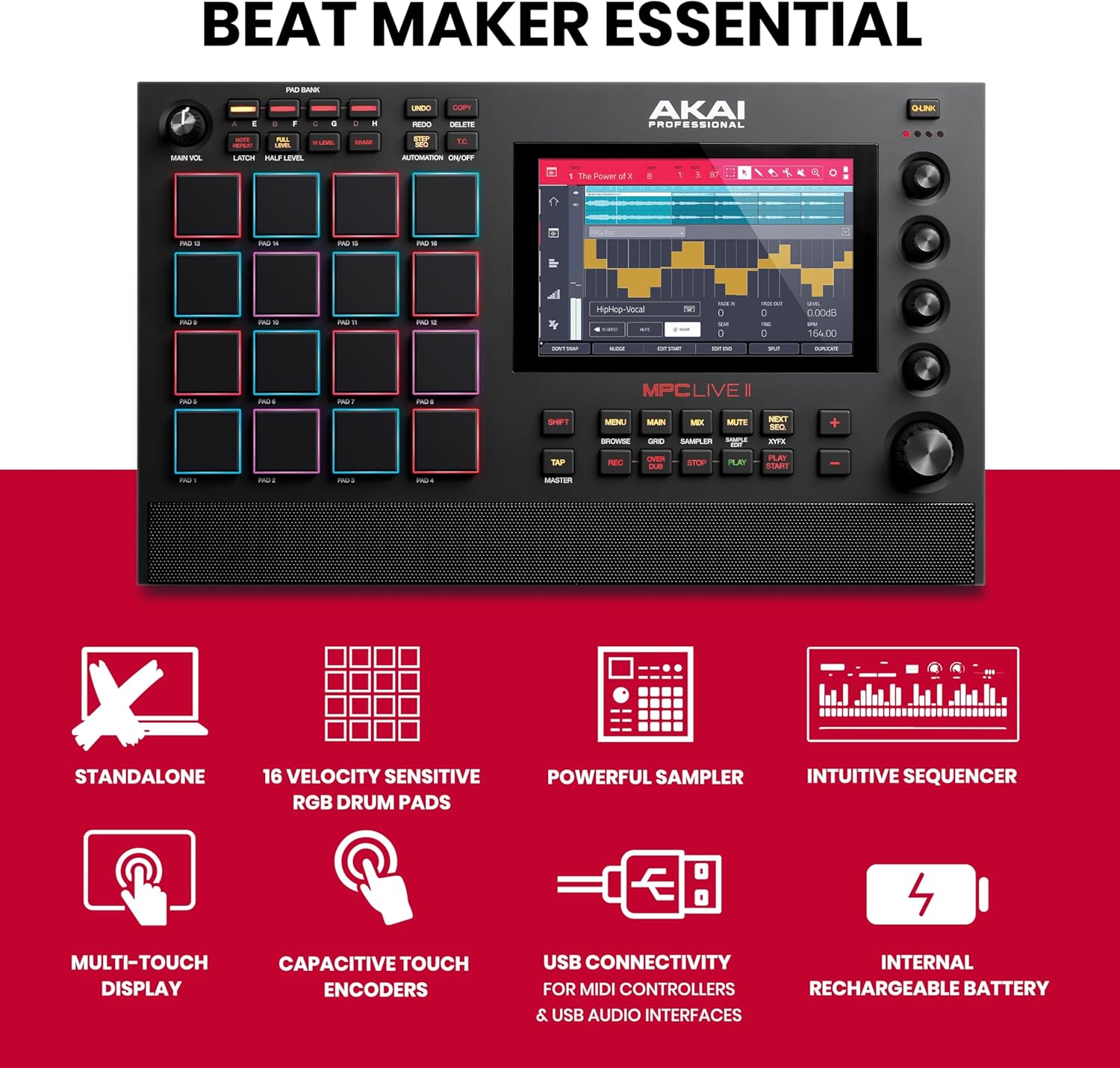
The MPC Live II is a portable, all-in-one music maker with built-in speakers and a rechargeable battery. You can make music anywhere, hear your beats clearly, and connect to Wi-Fi to grab samples or control Ableton Live. It's powerful, easy to use, and ready whenever inspiration strikes.
Akai MPC5000
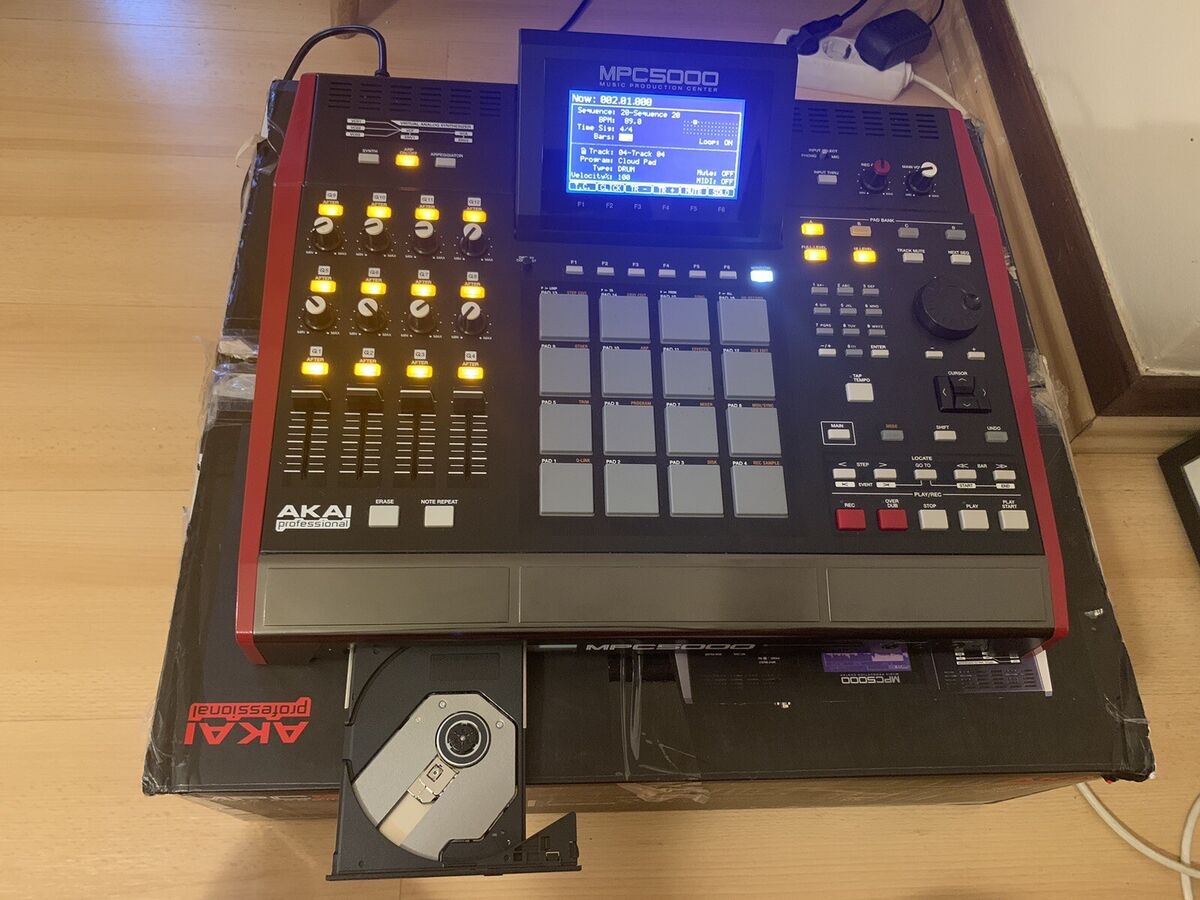
High-end MPC with expanded sampling and advanced effects.
| Spec | Akai MPC Live II | Akai MPC5000 |
|---|---|---|
| Manufacturer | Akai Professional | Akai Professional |
| Year Released | 2020 | 2006 |
| Polyphony | 128 | 128 |
| Sample Rate | 44.1kHz | 44.1kHz |
| Storage | Internal SSD | Internal Hard Drive, CompactFlash |
| Pads | 16 velocity-sensitive RGB pads | 16 velocity-sensitive pads |
| Sequencer | Yes | Yes |
| Effects | EQ, Reverb, Delay, Compression | EQ, Compression, Reverb, Delay, Filtering |
| I/O | MIDI In/Out, USB, Audio In/Out | MIDI In/Out, Audio In/Out |
| Screen | 7-inch multi-touch display | Color LCD |
| Software Integration | MPC Software | MPC Software |
| Build | Standalone | Standalone |
| Price | $1,299 | $1200 used |
| More about | Details | Details |
Buy the Akai MPC Live II on Amazon.com
Buy Now On AmazonA Quick Look at the Akai MPC Live II and Akai MPC5000
Welcome to our ultimate showdown between two incredible music-making machines: the Akai MPC Live II and the Akai MPC5000. Both of these samplers are powerful tools for musicians and beatmakers, offering unique features to help you create amazing music. But which one is right for you? Let’s dive deep and find out!
Introduction
In the world of music production, having the right gear can make all the difference. Samplers are essential tools for creating beats and adding layers to your tracks. Today, we’ll explore two popular samplers from Akai Professional: the modern MPC Live II and the classic MPC5000. Whether you’re a seasoned producer or just starting out, choosing the right sampler can elevate your music to new heights.
Features Face-Off
Design and Build Quality
The Akai MPC Live II hit the market in 2020, bringing with it a sleek and modern design that appeals to today’s producers. It features 16 velocity-sensitive RGB pads that light up in vibrant colors, making it not only functional but also visually engaging. The standalone build means it doesn’t need to be hooked up to a computer to work, offering flexibility for on-the-go music creation. Additionally, it comes with built-in speakers and an extended battery life, making it perfect for jam sessions anywhere.
On the other hand, the Akai MPC5000, released in 2006, boasts a robust and sturdy design typical of gear from that era. Its 16 velocity-sensitive pads are responsive, though they lack the colorful RGB lighting of its modern counterpart. Like the Live II, the MPC5000 is a standalone unit, allowing producers the freedom to create without a computer. Its color LCD screen provides clear navigation through its features.
Sound and Effects
Both the MPC Live II and the MPC5000 have a polyphony of 128 voices and a sample rate of 44.1kHz, ensuring high-quality sound output. However, the MPC Live II offers a slightly more advanced set of effects, including EQ, Reverb, Delay, and Compression, providing producers with a wide range of sound-shaping tools.
The MPC5000 also delivers impressive effects like EQ, Compression, Reverb, and Delay, but it adds Filtering to the mix, giving producers additional options for sound manipulation. For those who love experimenting with different sounds, the MPC5000’s filtering effect is a notable advantage.
Storage and Connectivity
When it comes to storage, the MPC Live II uses an internal SSD, which is modern and fast, ensuring quick access to your samples and projects. In contrast, the MPC5000 relies on an internal hard drive and CompactFlash for storage. While the latter might seem outdated by today’s standards, it still offers ample space for storing your creations.
Both devices offer robust connectivity options with MIDI In/Out and Audio In/Out. The MPC Live II also includes USB connectivity, which can be a significant advantage for producers looking to integrate with other digital tools and software.
Display and Interface
The MPC Live II features a 7-inch multi-touch display, which is a game-changer for intuitive navigation and ease of use. This touch interface allows producers to interact with their music in a tactile way, similar to using a smartphone or tablet.
In comparison, the MPC5000’s color LCD screen, while clear and functional, lacks the touch capability. Producers who prefer traditional button navigation might find this appealing, but those looking for a more modern interface might prefer the Live II.
Software Integration
Both samplers integrate seamlessly with MPC Software, allowing producers to expand their creative possibilities by combining hardware and software. This integration makes it easy to transfer projects from the sampler to your computer, enabling further editing and production.
Pros and Cons
Akai MPC Live II
Pros:
- Modern design with RGB pads
- Built-in speakers and extended battery life
- 7-inch multi-touch display
- Fast internal SSD storage
- USB connectivity for easy integration
Cons:
- Higher price point at $1400
- Might require a learning curve for beginners
Akai MPC5000
Pros:
- Classic and sturdy design
- Additional filtering effect
- More affordable on the used market at $1200
- Reliable standalone operation
Cons:
- No RGB lighting on pads
- Lacks modern connectivity options like USB
- Older storage solutions with CompactFlash
Summary
Both the Akai MPC Live II and MPC5000 are powerful samplers with their own set of strengths. The Live II offers modern features and a sleek design, while the MPC5000 provides a classic experience with robust effects and reliable performance.
Final Verdict
So, which one is for you? If you’re a modern producer who values cutting-edge technology, portability, and ease of use, the Akai MPC Live II is your best bet. Its advanced features and intuitive interface make it perfect for those who love creating music on the go.
However, if you appreciate classic gear and are looking for a reliable, cost-effective solution, the Akai MPC5000 is a fantastic choice. Its sturdy build and timeless design will appeal to producers who enjoy the tactile feel of traditional gear.
Whichever you choose, both samplers are excellent tools that can help you bring your musical ideas to life. Happy music making!