Akai MPC Live — VS — Akai MPC One
Akai MPC Live
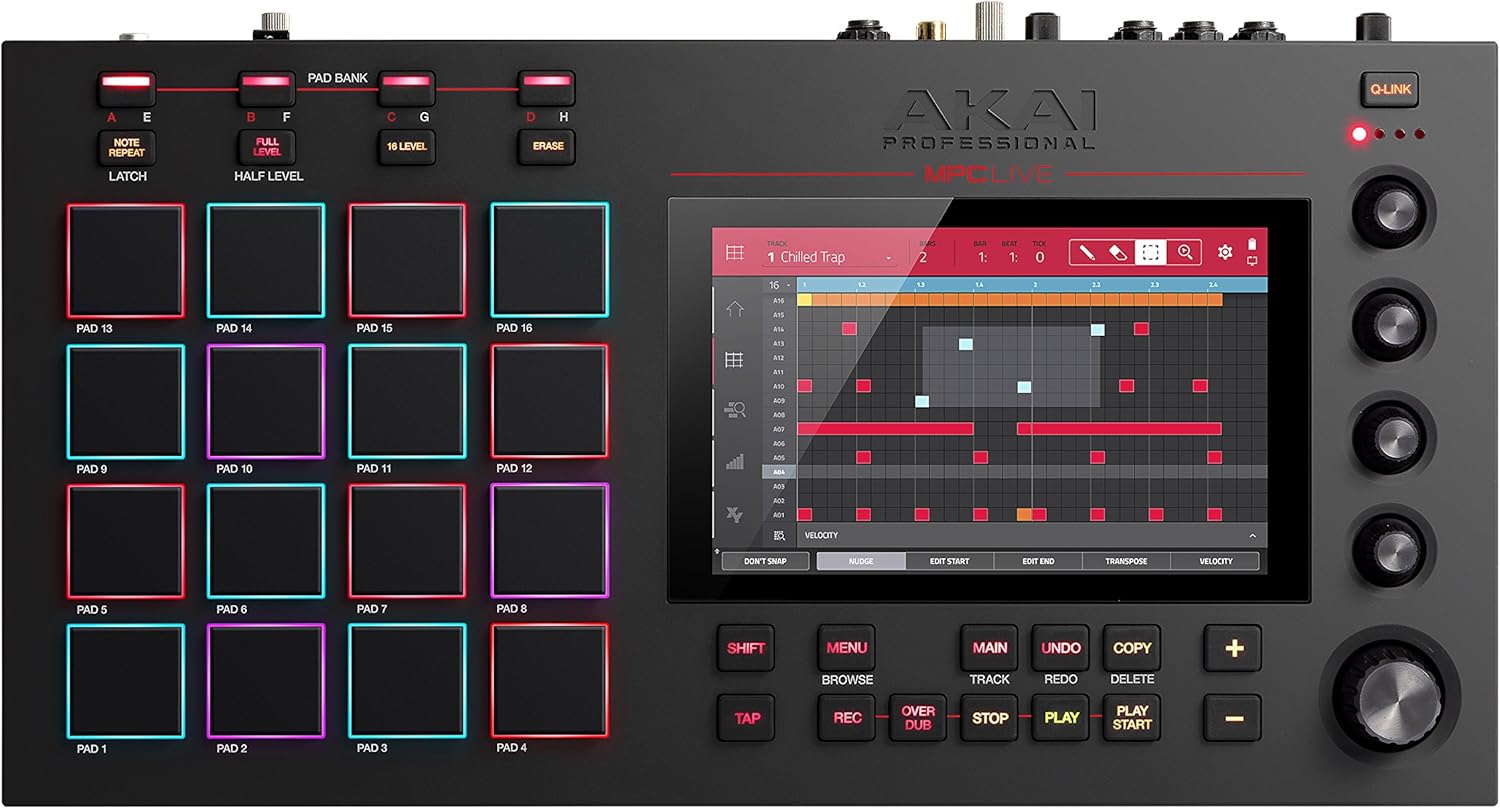
The MPC Live is a powerful, portable music-making machine you can use anywhere. It runs on a built-in battery, has tons of pro features, and works without a computer. You can plug in speakers, instruments, turntables, and more. With its bright screen, easy-to-use pads, and lots of ways to connect, the MPC Live is perfect for making music at home, in the studio, or on stage.
Akai MPC One
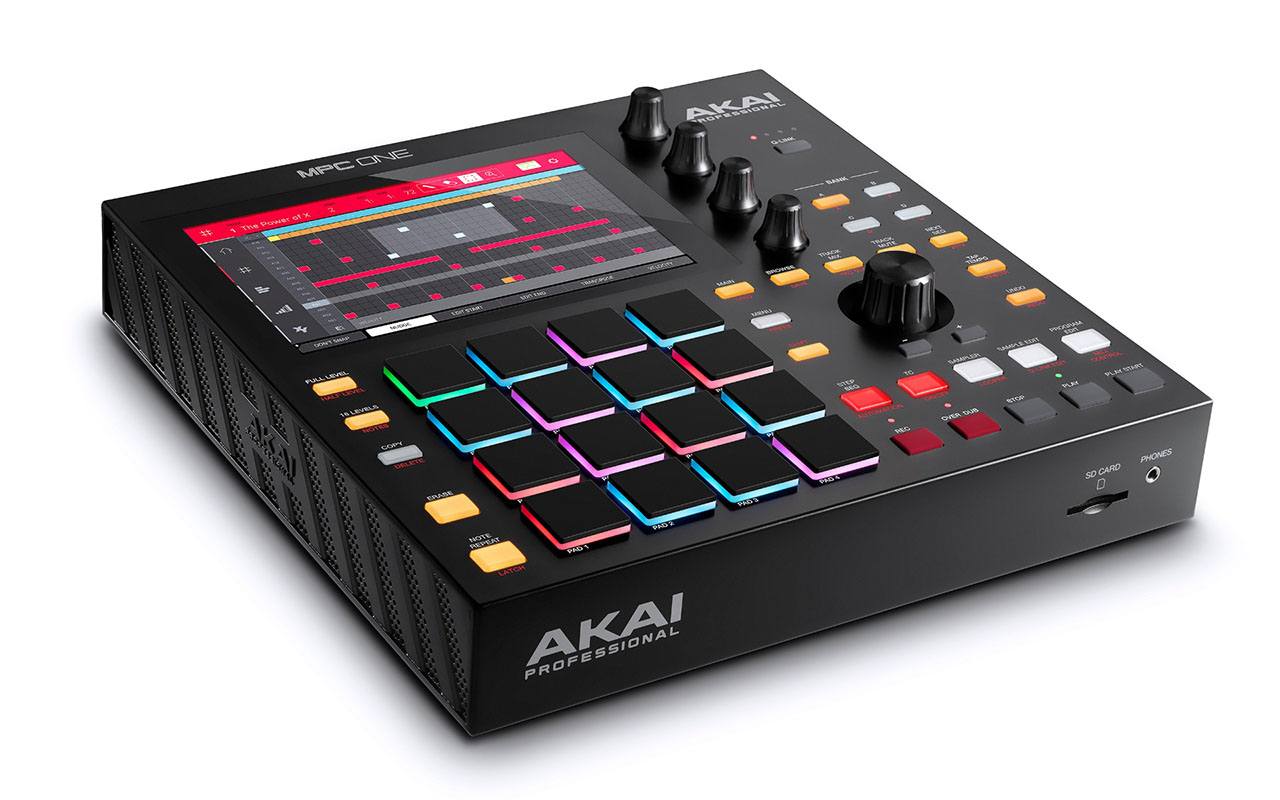
The MPC One is a powerful music-making machine that works all by itself—no computer needed. It has 16 colorful pads, a big touchscreen, and easy-to-use knobs to help you make beats, melodies, and more. You can plug in your other gear, record sounds, and even edit your music right on the screen. It's fast, fun, and built to grow with you as your music skills get better.
| Spec | Akai MPC Live | Akai MPC One |
|---|---|---|
| Manufacturer | Akai Professional | Akai Professional |
| Year Released | 2017 | 2020 |
| Polyphony | 128 | 128 |
| Sample Rate | 44.1kHz | 44.1kHz |
| Storage | Internal SSD | Internal SSD |
| Pads | 16 velocity-sensitive RGB pads | 16 velocity-sensitive RGB pads |
| Sequencer | Yes | Yes |
| Effects | EQ, Reverb, Delay, Compression | EQ, Reverb, Delay, Compression |
| I/O | MIDI In/Out, USB, Audio In/Out | MIDI In/Out, USB, Audio In/Out |
| Screen | 7-inch multi-touch display | 7-inch multi-touch display |
| Software Integration | MPC Software | MPC Software |
| Build | Standalone | Standalone |
| Price | $1299 | $700 |
| More about | Details | Details |
Buy the Akai MPC Live on Amazon.com
Buy Now On AmazonBuy the Akai MPC One on Amazon.com
Buy Now On AmazonAkai MPC Live vs Akai MPC One: Which Sampler Should You Choose?
Summary: The Akai MPC Live and the Akai MPC One are both incredible tools for music production enthusiasts. While they share many features, they also have distinct differences, making each better suited for different types of users. In this post, we’ll explore these two popular samplers, comparing their features, pros, and cons, to help you decide which one is the best fit for your music-making needs.
Introduction
Music production has never been more accessible, thanks to powerful tools like samplers and music production centers (MPCs). Among the leading names in this space is Akai Professional, known for its range of versatile and robust music gear. Today, we will dive deep into two of their standout products: the Akai MPC Live and the Akai MPC One. Both are standalone units, meaning they don’t require a computer to function, but they cater to different needs and preferences. Whether you’re a beginner or a seasoned producer, understanding the differences between these two MPCs will help you make an informed decision.
Design and Build Quality
Akai MPC Live
The Akai MPC Live is a sleek and portable device that first hit the market in 2017. It boasts a sturdy build with a modern aesthetic, making it perfect for producers who are always on the go. Its standout feature is its internal SSD storage, allowing you to store your projects and samples without needing external drives. The unit is equipped with 16 velocity-sensitive RGB pads that respond to your touch, making it easy to create dynamic beats and melodies.
Additionally, the MPC Live features a 7-inch multi-touch display, which is both responsive and intuitive. This screen allows you to navigate through menus, tweak parameters, and arrange your tracks with ease. The build is standalone, meaning you can create music without needing a computer, which is a huge plus for those who want to produce music anywhere.
Akai MPC One
Introduced in 2020, the Akai MPC One is a compact and affordable alternative to the MPC Live. While it shares the same 16 velocity-sensitive RGB pads and a 7-inch multi-touch display, its design is slightly more compact, making it ideal for home studios with limited space. Like the MPC Live, it also features internal SSD storage, ensuring that you have plenty of space for all your samples and projects.
The MPC One’s build is also standalone, providing full production capabilities without the need for a computer. This makes it an attractive option for beginners who want to dive into music production without investing in additional equipment. Its compact size doesn’t compromise on functionality, offering a robust set of features at a more budget-friendly price.
Features
Polyphony and Sound Quality
Both the Akai MPC Live and the Akai MPC One offer 128-note polyphony, allowing you to layer sounds and create complex compositions without worrying about voices cutting off. They both have a sample rate of 44.1kHz, which is standard for professional music production, ensuring high-quality audio playback and recording.
Effects and Sequencer
Both MPCs come equipped with essential effects like EQ, Reverb, Delay, and Compression. These effects allow you to shape your sound and add depth and character to your tracks. The sequencer feature is also present in both models, enabling you to arrange your songs and control each element of your music precisely.
Connectivity and Integration
In terms of connectivity, both the MPC Live and MPC One feature MIDI In/Out, USB, and Audio In/Out ports. This makes it easy to connect to other hardware like synthesizers, drum machines, and audio interfaces. They also integrate seamlessly with MPC Software, allowing you to expand your production capabilities further when connected to a computer.
Pros and Cons
Akai MPC Live
Pros:
- Portability: The MPC Live is designed for producers on the move, with a robust build that can withstand travel.
- Internal Storage: The internal SSD provides ample space for samples and projects, eliminating the need for external storage.
- Touchscreen Display: The 7-inch multi-touch display is intuitive and enhances the user experience.
Cons:
- Price: At $1200, it is more expensive than the MPC One, which might be a barrier for budget-conscious buyers.
- Size: While portable, it’s slightly larger than the MPC One, which could be a consideration for those with very limited space.
Akai MPC One
Pros:
- Affordability: At $700, the MPC One offers great value for those new to music production or on a tight budget.
- Compact Design: Its smaller size makes it ideal for home studios with space constraints.
- Full Production Capabilities: Despite its lower price, it doesn’t compromise on features, offering a comprehensive music-making experience.
Cons:
- Storage: While it has internal storage, it might not match the capacity of the MPC Live, depending on your needs.
- Size Limitation: The compact design might not appeal to those who prefer larger interfaces for live performances.
Final Verdict
Both the Akai MPC Live and the Akai MPC One are fantastic samplers that cater to different needs. The Akai MPC Live is perfect for producers who need a portable, high-capacity device for music production on the go. Its robust build and internal storage make it ideal for live performances and traveling musicians.
On the other hand, the Akai MPC One is suited for beginners and those with budget constraints. Its compact design is perfect for home studios, and it offers full production capabilities at an affordable price.
In conclusion, if you are a seasoned producer who values portability and storage, the MPC Live is the way to go. However, if you’re just starting or need a more budget-friendly option, the MPC One is a fantastic choice that doesn’t skimp on features. Whichever you choose, both samplers are excellent tools that will enhance your music production journey.