Akai MPC Live — VS — Akai MPC1000
Akai MPC Live
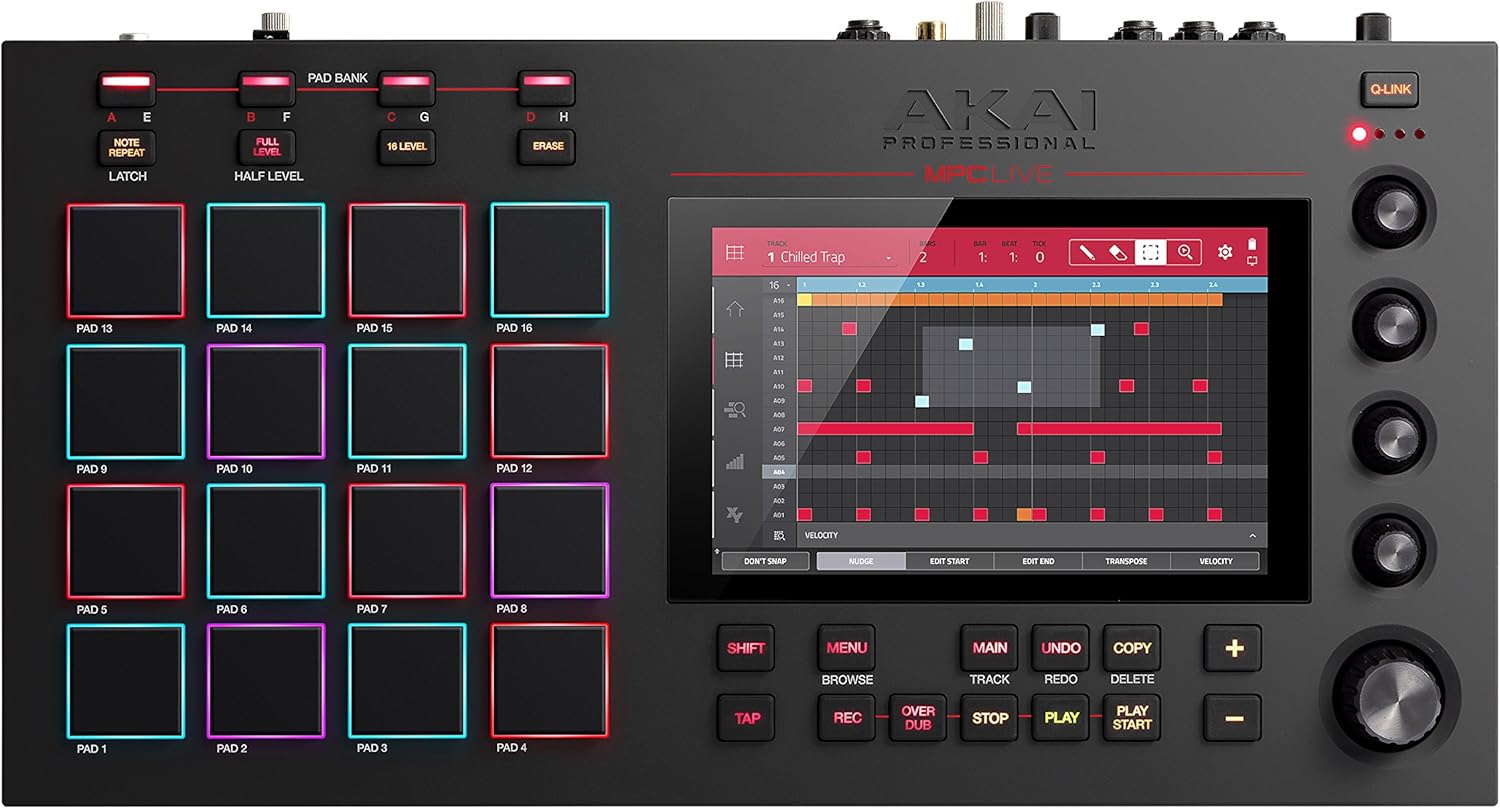
The MPC Live is a powerful, portable music-making machine you can use anywhere. It runs on a built-in battery, has tons of pro features, and works without a computer. You can plug in speakers, instruments, turntables, and more. With its bright screen, easy-to-use pads, and lots of ways to connect, the MPC Live is perfect for making music at home, in the studio, or on stage.
Akai MPC1000
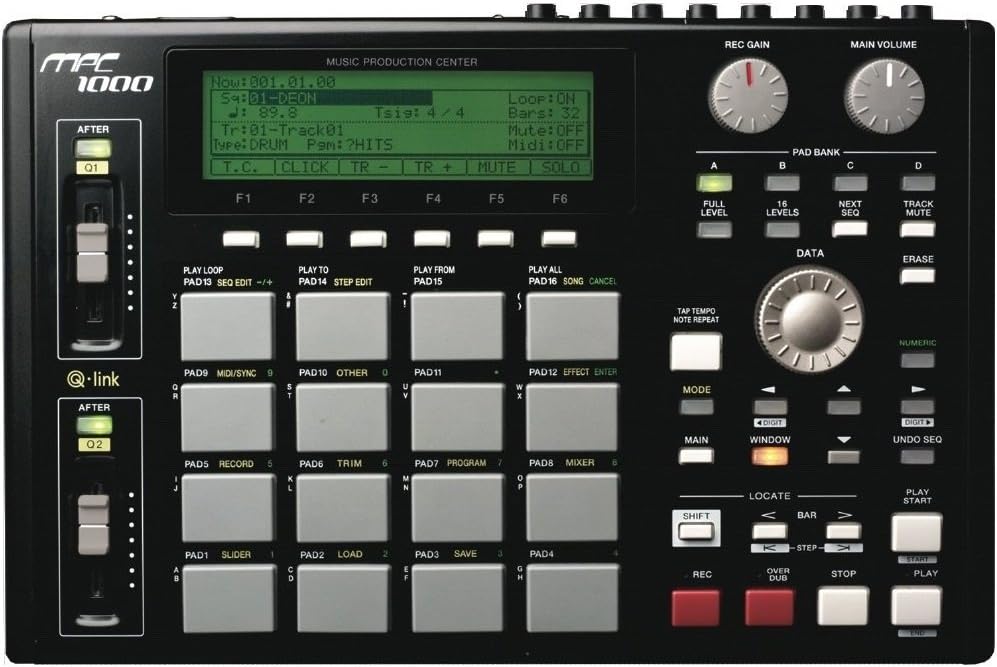
The Akai MPC1000 packs powerful music-making tools into a small, affordable machine. It features 32-voice stereo sampling, a 64-track sequencer, and 16 responsive pads for real-time playing and recording. With 16MB of built-in memory (expandable to 128MB) and the ability to save projects on a Compact Flash card, it’s easy to keep your sounds handy. Plus, you can connect it to a computer via USB to drag and drop your work quickly. Compact and rugged, the MPC1000 is perfect for producers on the go.
| Spec | Akai MPC Live | Akai MPC1000 |
|---|---|---|
| Manufacturer | Akai Professional | Akai Professional |
| Year Released | 2017 | 2003 |
| Polyphony | 128 | 64 |
| Sample Rate | 44.1kHz | 44.1kHz |
| Storage | Internal SSD | CompactFlash |
| Pads | 16 velocity-sensitive RGB pads | 16 velocity-sensitive pads |
| Sequencer | Yes | Yes |
| Effects | EQ, Reverb, Delay, Compression | EQ, Compression, Reverb |
| I/O | MIDI In/Out, USB, Audio In/Out | MIDI In/Out, Audio In/Out |
| Screen | 7-inch multi-touch display | LCD |
| Software Integration | MPC Software | MPC Software |
| Build | Standalone | Standalone |
| Price | $1299 | $700 used |
| More about | Details | Details |
Buy the Akai MPC Live on Amazon.com
Buy Now On AmazonAkai MPC Live vs. Akai MPC1000: Which One Is Right for You?
Summary: Dive into the world of music production with our in-depth comparison of the Akai MPC Live and the Akai MPC1000. Discover their features, pros, and cons to decide which sampler best suits your needs.
Introduction
Hello, music lovers and gear enthusiasts! If you’re passionate about creating beats, you’ve probably heard of the Akai MPC series. These samplers have been a big hit in the music world, helping producers create amazing tracks for decades. Today, we’re going to explore two popular models: the Akai MPC Live and the Akai MPC1000. We’ll look at their features, differences, and who each one is best for. So, let’s dive in and see what makes these samplers so special!
Features: A Tale of Two Samplers
Design and Build
The Akai MPC Live is a more modern take on the classic MPC design. Released in 2017, it boasts a sleek and stylish look with a 7-inch multi-touch display. This screen allows you to interact with the sampler much like you would with a tablet, making it user-friendly and intuitive. The MPC Live is a standalone device, which means you don’t need a computer to use it—perfect for making music anywhere!
On the other hand, the Akai MPC1000, which came out in 2003, has a more traditional design. It features a smaller LCD screen, which isn’t touch-sensitive, but it still gets the job done. Like the MPC Live, the MPC1000 is also a standalone device, letting you create music without needing a computer.
Pads and Controls
Both samplers come with 16 velocity-sensitive pads, but the MPC Live takes it a step further with RGB lighting. This feature adds a splash of color and can help you keep track of your samples and sequences. The pads on both devices are responsive and great for finger drumming, making it easy to bring your beats to life.
Sound and Effects
When it comes to sound, both samplers have a sample rate of 44.1kHz, ensuring high-quality audio. The MPC Live offers a polyphony of 128 voices, which means it can play more sounds at once compared to the MPC1000’s 64 voices. This can be a big deal if you’re working on complex compositions with many layers.
Both devices offer a range of effects, including EQ, reverb, and compression. The MPC Live also includes delay, giving you even more options to shape your sound.
Storage and Connectivity
The MPC Live has a significant advantage in terms of storage. It comes with an internal SSD, making it easy to save and access your projects. The MPC1000 uses CompactFlash cards for storage, which can be more cumbersome, especially if you need to swap cards frequently.
In terms of connectivity, both samplers offer MIDI In/Out and Audio In/Out. The MPC Live also has USB connectivity, making it easier to integrate with other devices and software. Both models integrate with MPC Software, allowing you to expand their capabilities even further.
Price
The price difference between these two units is quite noticeable. The MPC Live is priced at $1200, reflecting its modern features and capabilities. In contrast, the MPC1000 can be found for around $700 on the used market, making it a more budget-friendly option for those just starting out or looking for a classic MPC experience.
Pros and Cons
Akai MPC Live
Pros:
- Modern design with a 7-inch multi-touch display
- RGB pads for enhanced visual feedback
- Higher polyphony (128 voices)
- Internal SSD for storage
- USB connectivity for easy integration
- Standalone operation
Cons:
- Higher price point ($1200)
- May be overwhelming for beginners due to advanced features
Akai MPC1000
Pros:
- Classic MPC design
- Affordable price ($700 used)
- Standalone operation
- Reliable and proven track record
Cons:
- Smaller, non-touch LCD screen
- Lower polyphony (64 voices)
- Uses CompactFlash for storage
Final Verdict: Which Sampler is Right for You?
Choosing between the Akai MPC Live and the Akai MPC1000 depends on your needs and budget. If you’re looking for a modern sampler with advanced features and don’t mind spending more, the MPC Live is a fantastic choice. It’s perfect for producers who want to create music on the go and enjoy using a touch screen.
However, if you’re on a budget or prefer a classic MPC experience, the MPC1000 is a solid option. It’s reliable, easy to use, and has been a favorite among producers for years. It’s ideal for those who appreciate simplicity and don’t need all the bells and whistles.
In conclusion, both samplers have their unique strengths. Whether you’re a beginner or a seasoned producer, there’s an MPC out there for you!