Akai MPC Live — VS — Akai MPC2500
Akai MPC Live
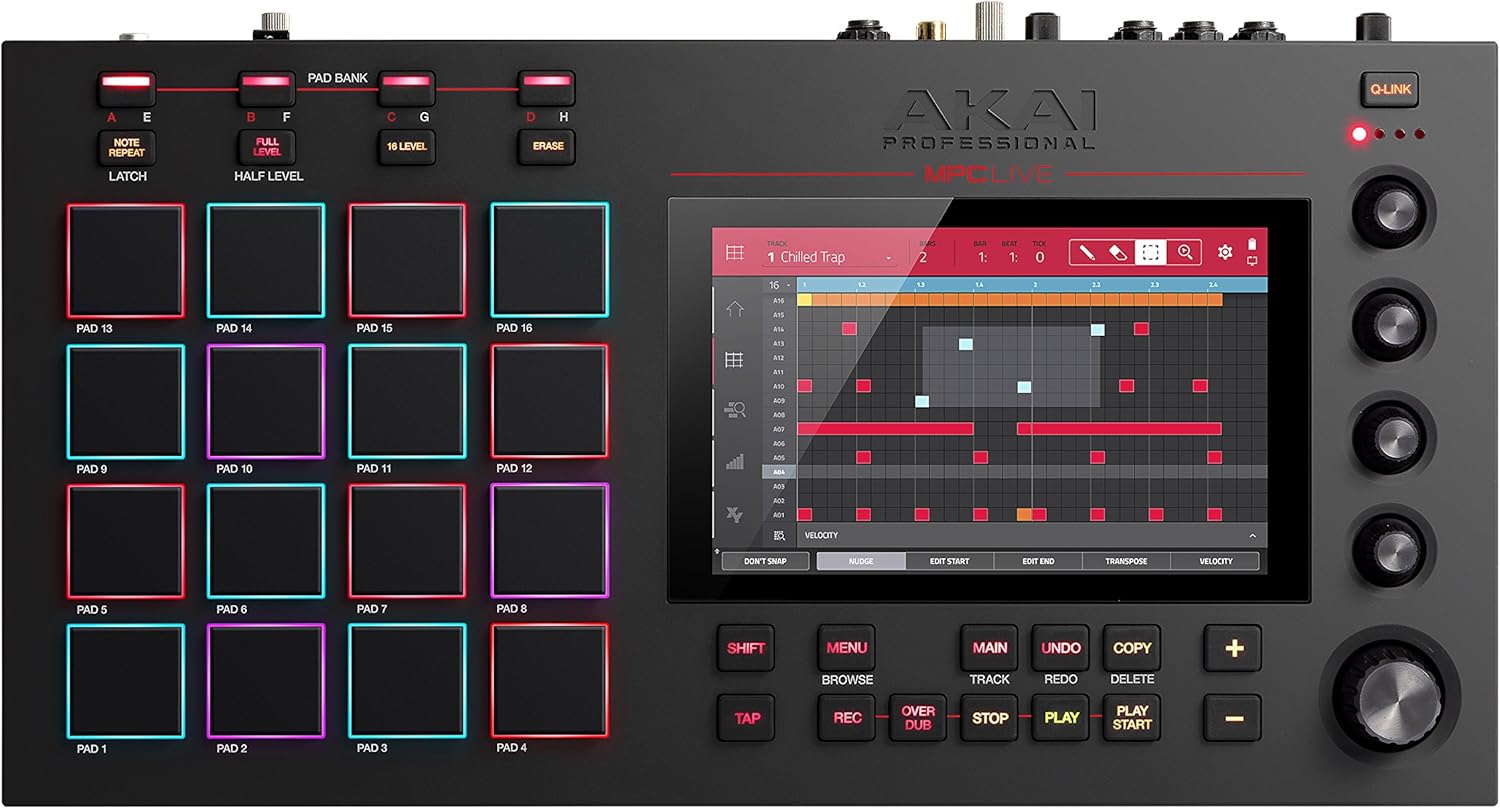
The MPC Live is a powerful, portable music-making machine you can use anywhere. It runs on a built-in battery, has tons of pro features, and works without a computer. You can plug in speakers, instruments, turntables, and more. With its bright screen, easy-to-use pads, and lots of ways to connect, the MPC Live is perfect for making music at home, in the studio, or on stage.
Akai MPC2500
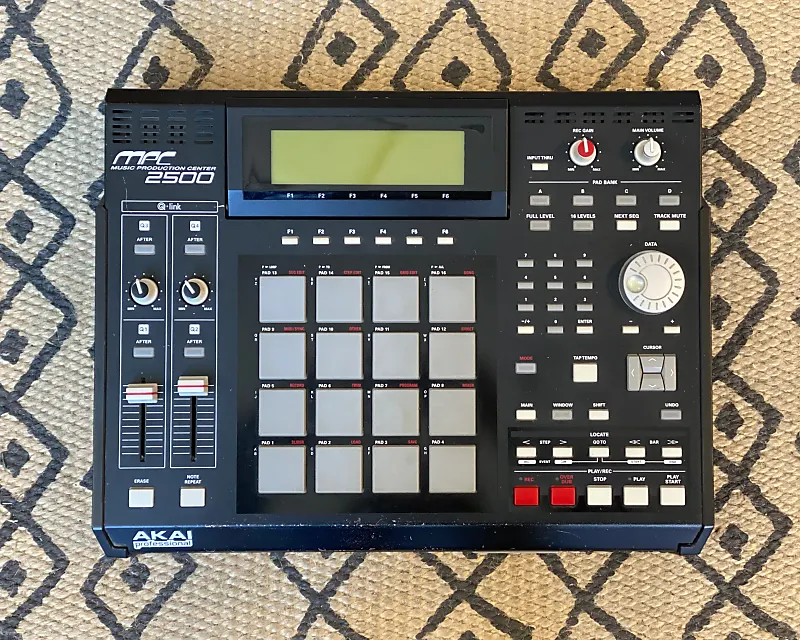
The Akai MPC2500 is a trusted tool for making beats and producing music, used by pros and performers alike. It has 16 classic pads, powerful sampling and editing features, and up to 128MB of memory for loading sounds. You get a 64-track sequencer, built-in effects, and real-time controls to shape your music as you play. With multiple outputs and easy file storage using CF cards or an optional hard drive, the MPC2500 gives you everything you need to create, perform, and finish your tracks—all in one solid machine.
| Spec | Akai MPC Live | Akai MPC2500 |
|---|---|---|
| Manufacturer | Akai Professional | Akai Professional |
| Year Released | 2017 | 2005 |
| Polyphony | 128 | 64 |
| Sample Rate | 44.1kHz | 44.1kHz |
| Storage | Internal SSD | CompactFlash, ZIP Drive |
| Pads | 16 velocity-sensitive RGB pads | 16 velocity-sensitive pads |
| Sequencer | Yes | Yes |
| Effects | EQ, Reverb, Delay, Compression | EQ, Compression, Reverb, Delay |
| I/O | MIDI In/Out, USB, Audio In/Out | MIDI In/Out, Audio In/Out |
| Screen | 7-inch multi-touch display | LCD |
| Software Integration | MPC Software | MPC Software |
| Build | Standalone | Standalone |
| Price | $1299 | $800 used |
| More about | Details | Details |
Buy the Akai MPC Live on Amazon.com
Buy Now On AmazonAkai MPC Live vs. Akai MPC2500: Which Sampler is Right for You?
Summary: The Akai MPC Live and the Akai MPC2500 are two powerful samplers from Akai Professional, each with its own strengths. The MPC Live offers modern features and portability, while the MPC2500 shines with its classic feel and robust build. Let’s explore which one suits you best!
Introduction
Hello, music gear enthusiasts! Today, we’re diving into a battle between two legends from Akai Professional: the Akai MPC Live and the Akai MPC2500. Both these samplers have made waves in the music world, but which one is right for you? Whether you’re a budding producer or a seasoned beatmaker, understanding the differences between these two machines will help you make an informed decision. So, let’s get started!
The New Kid on the Block: Akai MPC Live
The Akai MPC Live, launched in 2017, is a modern marvel in the world of samplers. It’s designed for those who crave mobility and innovation. This standalone device comes with a built-in SSD, allowing you to store countless sounds and projects directly on the device. The 16 velocity-sensitive RGB pads are a delight to use, offering a vibrant and responsive experience. Plus, the 7-inch multi-touch display is like having a mini computer at your fingertips. For those who enjoy integrating software, the MPC Live offers seamless connectivity with the MPC Software, providing an expansive platform for creativity.
Pros of the Akai MPC Live
- Portability: With its sleek design and internal storage, you can take your music-making skills anywhere.
- Modern Features: The multi-touch display and RGB pads bring a new level of interaction and visual feedback.
- High Polyphony: With 128 voices, you can layer and create complex sounds without worry.
- Software Integration: Perfect for producers who love working with digital audio workstations (DAWs).
Cons of the Akai MPC Live
- Pricey: At $1200, it’s an investment, especially for beginners.
- Learning Curve: The advanced features might be overwhelming for those new to samplers.
The Classic Choice: Akai MPC2500
Let’s take a step back to 2005, when the Akai MPC2500 was all the rage. This sampler is cherished for its robust build and timeless design. The MPC2500 may not have the flashy features of its modern counterpart, but it has a charm that’s hard to resist. With 64 voices of polyphony, it offers plenty of room for creativity. The 16 velocity-sensitive pads provide a tactile feel that many musicians love. Storage might seem old-school with options like CompactFlash and ZIP Drives, but for some, this is exactly the kind of nostalgia they crave.
Pros of the Akai MPC2500
- Affordable: At around $800 used, it’s more budget-friendly for those looking to explore music production.
- Durable Build: Known for its solid construction, it’s built to last.
- Classic Appeal: Perfect for those who appreciate the vintage feel and workflow of older gear.
Cons of the Akai MPC2500
- Limited Storage Options: CompactFlash and ZIP Drives might feel outdated.
- Lower Polyphony: With 64 voices, it might be limiting for complex compositions.
- Lacks Modern Features: No touch screen or RGB pads can be a downside for those wanting modern technology.
Feature Comparisons
Polyphony and Sound Quality
Polyphony refers to how many voices or sounds a sampler can play at once. The MPC Live has a whopping 128 voices of polyphony, double that of the MPC2500. This means you can create richer and more layered compositions without running out of space for your sounds. Both devices operate at a 44.1kHz sample rate, ensuring high-quality audio reproduction.
Storage and Portability
When it comes to storage, the MPC Live’s internal SSD is a game-changer, allowing you to carry your entire library of sounds wherever you go. On the other hand, the MPC2500 relies on CompactFlash and ZIP Drives, which might seem limited but can be perfect for those who prefer a more hands-on approach to file management. The MPC Live’s portability is further enhanced by its compact design, making it ideal for live performances and travel.
Pads and Display
The MPC Live boasts 16 velocity-sensitive RGB pads that add a splash of color and interactivity to your music-making process. The 7-inch multi-touch display is intuitive and user-friendly, allowing you to access features with the swipe of a finger. In contrast, the MPC2500 offers 16 velocity-sensitive pads without the RGB lighting and an LCD screen that, while functional, lacks the touch capability of the MPC Live.
Effects and Sequencer
Both samplers come equipped with EQ, Reverb, Delay, and Compression effects, providing you with the tools to shape your sounds. The sequencer in both the MPC Live and the MPC2500 is robust, allowing you to create intricate beats and patterns. However, the MPC Live’s sequencer benefits from its integration with the MPC Software, offering more advanced editing capabilities.
Which Sampler is Right for You?
Choosing between the Akai MPC Live and the Akai MPC2500 depends on your needs and preferences. If you’re someone who values modern technology, portability, and seamless software integration, the Akai MPC Live is a fantastic choice. It’s perfect for producers who are always on the go and want a device that can keep up with their fast-paced lifestyle.
On the other hand, if you’re drawn to the classic feel of older gear and appreciate the robust build of vintage samplers, the Akai MPC2500 might be more your style. It’s a great option for those who want to explore music production without breaking the bank and enjoy the tactile experience of using physical media for storage.
Conclusion
Both the Akai MPC Live and the Akai MPC2500 have their unique strengths and appeal to different types of music creators. The MPC Live is a powerhouse of modern features and portability, while the MPC2500 offers a classic experience with a timeless design. Whatever your choice, both samplers stand as testaments to Akai Professional’s commitment to quality and innovation in the world of music production. Happy music-making!