Akai MPC Live — VS — Akai MPC5000
Akai MPC Live
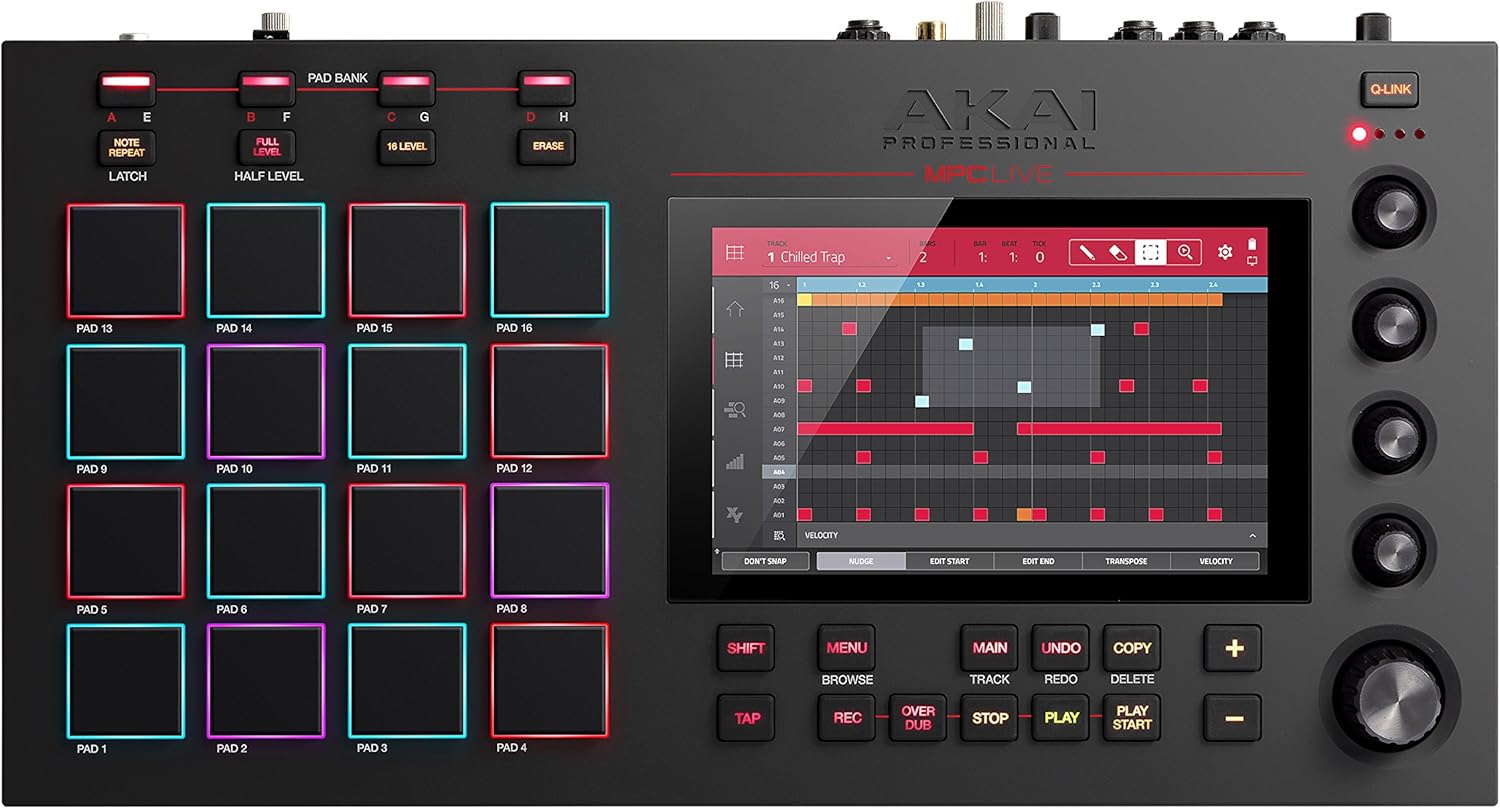
The MPC Live is a powerful, portable music-making machine you can use anywhere. It runs on a built-in battery, has tons of pro features, and works without a computer. You can plug in speakers, instruments, turntables, and more. With its bright screen, easy-to-use pads, and lots of ways to connect, the MPC Live is perfect for making music at home, in the studio, or on stage.
Akai MPC5000
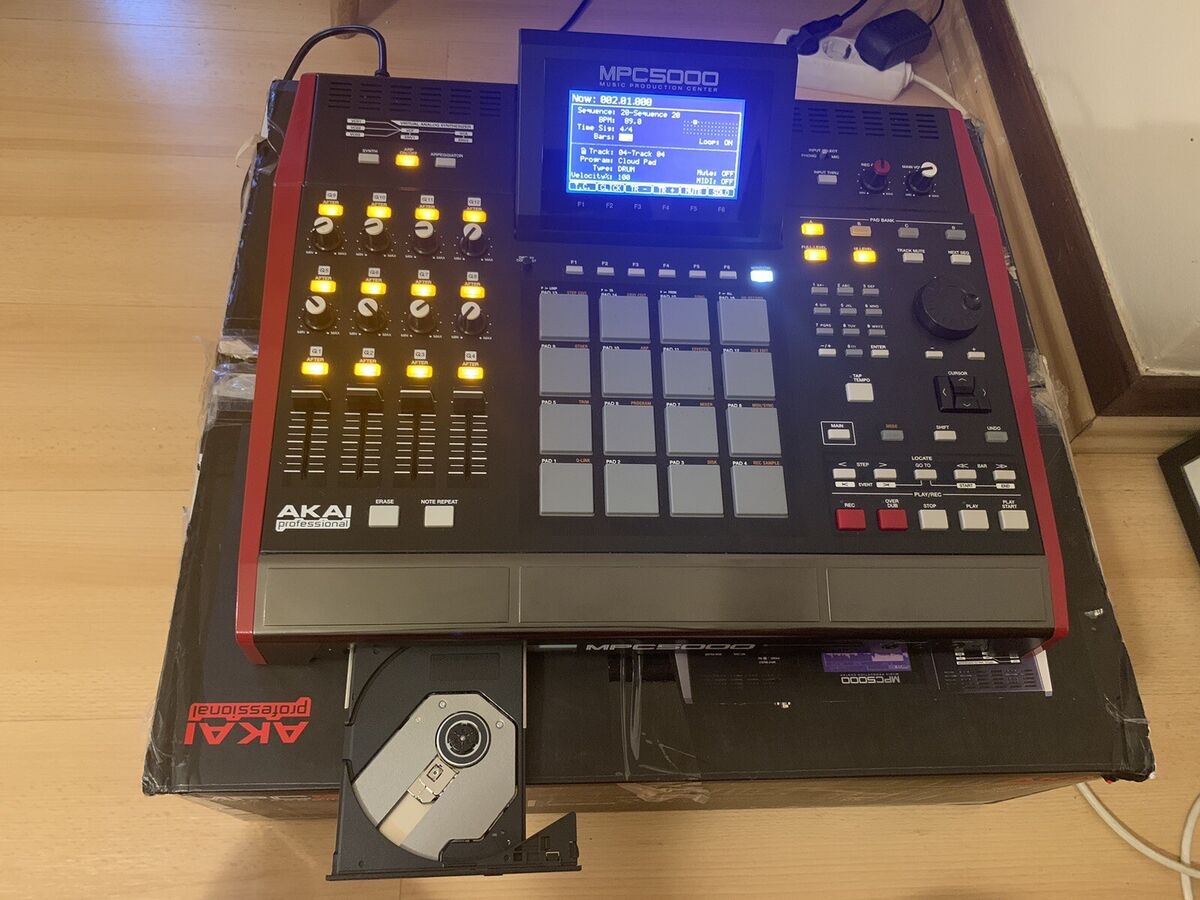
High-end MPC with expanded sampling and advanced effects.
| Spec | Akai MPC Live | Akai MPC5000 |
|---|---|---|
| Manufacturer | Akai Professional | Akai Professional |
| Year Released | 2017 | 2006 |
| Polyphony | 128 | 128 |
| Sample Rate | 44.1kHz | 44.1kHz |
| Storage | Internal SSD | Internal Hard Drive, CompactFlash |
| Pads | 16 velocity-sensitive RGB pads | 16 velocity-sensitive pads |
| Sequencer | Yes | Yes |
| Effects | EQ, Reverb, Delay, Compression | EQ, Compression, Reverb, Delay, Filtering |
| I/O | MIDI In/Out, USB, Audio In/Out | MIDI In/Out, Audio In/Out |
| Screen | 7-inch multi-touch display | Color LCD |
| Software Integration | MPC Software | MPC Software |
| Build | Standalone | Standalone |
| Price | $1299 | $1200 used |
| More about | Details | Details |
Buy the Akai MPC Live on Amazon.com
Buy Now On AmazonAkai MPC Live vs. Akai MPC5000: Which Sampler Should You Choose?
Ever wondered which Akai sampler is the best fit for your music production needs? In this post, we’ll dive into a detailed comparison between two popular models from Akai Professional: the Akai MPC Live and the Akai MPC5000. Both offer amazing features and capabilities, but they cater to different types of users. Let’s explore what makes each of these samplers unique and help you decide which one to add to your gear collection.
Introduction
Music production is an art, and like any art form, the tools you use can significantly impact your creative process. Akai Professional has been a trusted name in the music industry, known for its innovative samplers that have shaped the sound of countless artists and producers. The Akai MPC Live and MPC5000 are two standout models, each with its own strengths and appeal. Whether you’re a seasoned professional or just starting, understanding what each sampler offers will help you make an informed decision.
Design and Build
Akai MPC Live
The Akai MPC Live, launched in 2017, is a modern, sleek device designed with portability and versatility in mind. It’s built as a standalone unit, meaning you don’t need a computer to use it, which is perfect for producers on the go. Its standout feature is the 7-inch multi-touch display, which makes navigating through menus and editing samples intuitive and fun. The 16 velocity-sensitive RGB pads are not only responsive but also visually engaging, lighting up in different colors to help you keep track of your beats and sequences.
Akai MPC5000
On the other hand, the Akai MPC5000, released in 2006, is a robust machine known for its durability and advanced capabilities. While it doesn’t have a touch screen, it does feature a color LCD that provides clear visuals for your projects. The 16 velocity-sensitive pads, although lacking RGB lighting, are highly responsive and have been a staple in Akai’s design for years. It’s also a standalone device, allowing you to create music without needing external software or hardware.
Sound and Performance
Polyphony and Sample Rate
Both samplers boast a polyphony of 128 voices and a sample rate of 44.1 kHz, ensuring high-quality sound production. This means that whether you’re layering complex tracks or creating simple loops, both devices can handle the workload without compromising on sound clarity.
Effects and Sequencing
The Akai MPC Live comes equipped with a comprehensive suite of effects, including EQ, reverb, delay, and compression. This allows for a wide range of sound manipulation options, making it a versatile tool for creative expression. Its sequencer is also top-notch, providing the flexibility to craft intricate arrangements with ease.
Similarly, the MPC5000 offers a robust set of effects, with the addition of filtering, which can add a unique character to your sounds. Its sequencer is equally powerful, known for its precision and reliability, making it a favorite among producers who demand meticulous control over their projects.
Storage and Connectivity
Akai MPC Live
The Akai MPC Live features an internal SSD for storage, which provides fast access to your files and ample space for your projects. The device also supports USB connectivity, MIDI In/Out, and Audio In/Out, allowing for seamless integration with other equipment and easy transfer of data.
Akai MPC5000
The MPC5000 offers an internal hard drive and CompactFlash for storage. While the hard drive provides plenty of space, the CompactFlash option can be seen as a bit outdated by today’s standards. However, it does offer MIDI In/Out and Audio In/Out connectivity, ensuring it can still connect with various studio setups.
User Experience and Software Integration
Akai MPC Live
The user experience on the Akai MPC Live is enhanced by its touch screen, which makes navigating through menus and editing samples intuitive. It integrates seamlessly with MPC Software, providing additional features and updates that keep your device current with modern production techniques.
Akai MPC5000
The MPC5000, while lacking a touch screen, still offers a solid user experience with its straightforward interface and reliable performance. It also integrates with MPC Software, though its older design means it may not support some of the latest software features available on newer models.
Pros and Cons
Akai MPC Live
Pros:
- Portable and modern design
- 7-inch multi-touch display
- Internal SSD for fast storage
- Comprehensive effects suite
Cons:
- Higher price point for new users
- May require updates for latest features
Akai MPC5000
Pros:
- Durable and robust build
- Advanced sampling capabilities
- Reliable sequencer
Cons:
- Lacks a touch screen
- Storage options may seem outdated
- May require additional gear for full potential
Conclusion
Both the Akai MPC Live and MPC5000 are powerful tools for music producers, each with its own unique strengths. The MPC Live is ideal for those who value portability, modern features, and intuitive controls. Its touch screen and RGB pads make it perfect for producers who want a cutting-edge device that can keep up with their creative ideas. Meanwhile, the MPC5000 is best for those who appreciate a classic, sturdy design and require advanced sampling capabilities. Its robust build and reliable performance make it a great choice for studio-based producers who value control and precision.
Final Verdict
If you’re a music producer who values mobility and modern tech, the Akai MPC Live is your best bet. It’s perfect for those always on the move, seeking the latest features and ease of use. However, if you are someone who prefers a time-tested device with a solid build and doesn’t mind a bit of a vintage touch, the Akai MPC5000 will serve you well, especially if you’re working from a studio and need reliable performance without the frills of modern design.
Choosing between these two great samplers depends on your specific needs and production style. Whatever you choose, both are sure to provide the tools you need to create amazing music. Happy producing!