Akai MPC Live — VS — Korg Volca Sample
Akai MPC Live
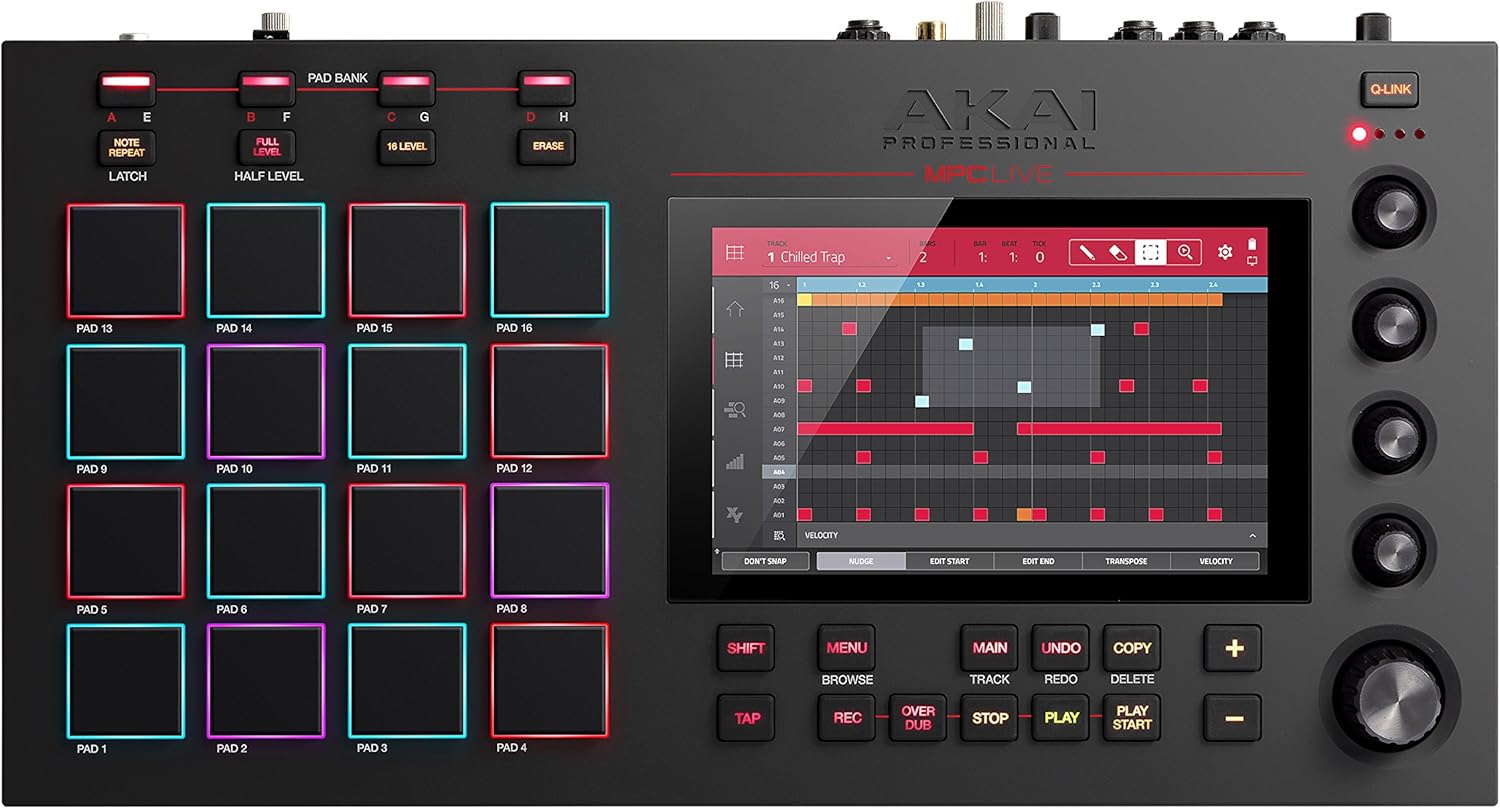
The MPC Live is a powerful, portable music-making machine you can use anywhere. It runs on a built-in battery, has tons of pro features, and works without a computer. You can plug in speakers, instruments, turntables, and more. With its bright screen, easy-to-use pads, and lots of ways to connect, the MPC Live is perfect for making music at home, in the studio, or on stage.
Korg Volca Sample
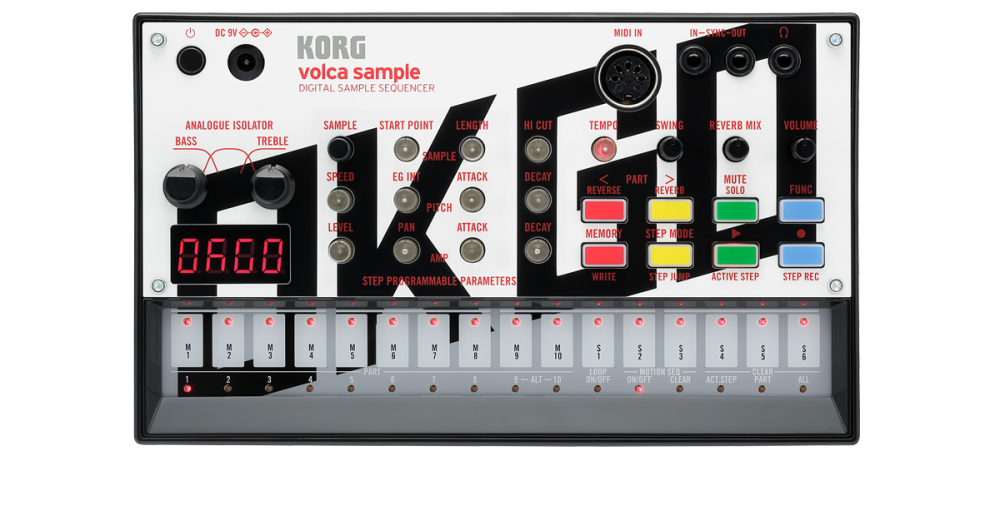
The original Korg Volca Sample is a small, hands-on drum machine that lets you play, tweak, and sequence up to 100 custom sounds. You can build beats, add motion effects, reverse samples, and create grooves with its fun and easy sequencer. It includes features like a powerful analog isolator, reverb, and song mode for more creative control. You could only load new samples using a special iOS app. This model has now been replaced by the improved <a href='/samplers/korg-volca-sample-2'>Volca Sample 2</a>, which adds USB, more memory, and a better workflow.
| Spec | Akai MPC Live | Korg Volca Sample |
|---|---|---|
| Manufacturer | Akai Professional | Korg |
| Year Released | 2017 | 2014 |
| Polyphony | 128 | 16 |
| Sample Rate | 44.1kHz | 44.1kHz |
| Storage | Internal SSD | Internal memory |
| Pads | 16 velocity-sensitive RGB pads | No pads, uses buttons |
| Sequencer | Yes | Yes |
| Effects | EQ, Reverb, Delay, Compression | Reverb, Delay |
| I/O | MIDI In/Out, USB, Audio In/Out | MIDI In, Audio Out |
| Screen | 7-inch multi-touch display | LED indicators |
| Software Integration | MPC Software | No |
| Build | Standalone | Portable |
| Price | $1299 | $149 |
| More about | Details | Details |
Buy the Akai MPC Live on Amazon.com
Buy Now On AmazonComparing the Akai MPC Live and the Korg Volca Sample
Summary: The Akai MPC Live and the Korg Volca Sample are both powerful tools for music production. While the MPC Live stands out with its standalone capabilities and advanced features, the Volca Sample shines in its simplicity and portability. Each device has its unique strengths, making them suitable for different types of music creators.
Introduction
If you love making music, you know that the right tools can make all the difference. Two popular choices for music makers are the Akai MPC Live and the Korg Volca Sample. Both are samplers, which means they can record and play back sounds. But they do this in their own special ways. In this article, we’ll explore what makes each of these samplers unique, their strengths and weaknesses, and which one might be the best fit for you.
The Akai MPC Live: A Standalone Powerhouse
Features and Capabilities
The Akai MPC Live is known for its versatility and power. Released in 2017 by Akai Professional, it quickly became a favorite among music producers. One of its standout features is its 7-inch multi-touch display. This screen makes it easy to see and control your music projects, much like a smartphone or tablet.
The MPC Live is truly a standalone device. This means you don’t need to connect it to a computer to make music. It has a built-in SSD for storage, so you can save your projects right on the device. With 128-voice polyphony, you can play many notes at once, allowing for rich and complex sounds.
For those who love to tweak their music, the MPC Live offers a range of effects, including EQ, reverb, delay, and compression. These tools let you shape your sound just the way you like it. Plus, with 16 velocity-sensitive RGB pads, you can play beats and melodies dynamically.
Pros and Cons
Pros:
- Standalone Capability: No need for a computer.
- Large Touch Screen: Easy to navigate and control.
- High Polyphony: Supports complex compositions.
- Comprehensive Effects: Wide range of sound-shaping tools.
Cons:
- Price: At $1200, it’s a significant investment.
- Complexity: May be overwhelming for beginners.
The Korg Volca Sample: Compact and Fun
Features and Capabilities
The Korg Volca Sample, introduced in 2014, is all about simplicity and portability. It’s a compact device, making it perfect for live performances or jamming on the go. Unlike the MPC Live, the Volca Sample uses buttons instead of pads. While it might seem less sophisticated, this setup is straightforward and effective for its purposes.
With a polyphony of 16 voices, it might not match the MPC Live’s complexity, but it’s more than enough for most live performance needs. The Volca Sample includes reverb and delay effects, which are great for adding depth to your sounds. It also has a step sequencer, a popular feature for electronic music creators.
The Volca Sample is incredibly affordable at $180, which makes it accessible to a wide range of musicians. However, it lacks advanced features like software integration and a large display. Instead, it uses LED indicators to show you what’s happening.
Pros and Cons
Pros:
- Affordability: Very budget-friendly.
- Portability: Easy to carry around.
- User-Friendly: Simple and intuitive.
Cons:
- Limited Features: No software integration or multi-touch display.
- Lower Polyphony: Less suitable for complex compositions.
Feature Comparison
Build and Design
The Akai MPC Live is built for those who want a complete music production setup in one device. Its sturdy build and comprehensive features make it a great choice for studio work. The 7-inch multi-touch display is a highlight, providing a modern interface for controlling your music.
On the other hand, the Korg Volca Sample is all about portability. It’s small and light, perfect for taking with you wherever you go. Its design is pared down to essentials, focusing on ease of use and quick access to sounds and sequences.
Sound and Effects
Both devices offer high-quality sound with a sample rate of 44.1kHz. However, the MPC Live has a broader range of effects, giving you more options to shape your sound. This makes it ideal for those who love to experiment with audio processing.
The Volca Sample, while limited in effects, provides the basics with reverb and delay. These are often enough for live performances, where simplicity and immediacy are key.
Connectivity and Integration
The MPC Live excels with its connectivity options, including MIDI In/Out, USB, and Audio In/Out. It also integrates with MPC Software, allowing for seamless workflow between your device and computer. This makes it a powerful hub for any studio setup.
In contrast, the Volca Sample has basic connectivity with MIDI In and Audio Out. It doesn’t offer software integration, which might be a limitation for some producers. However, this simplicity can also be a benefit, reducing setup time and complexity.
Final Verdict
Choosing between the Akai MPC Live and the Korg Volca Sample depends on your needs and budget. If you’re looking for a comprehensive, standalone music production powerhouse and are willing to invest, the Akai MPC Live is an excellent choice. It’s perfect for those who want deep control over their music and the ability to work independently of a computer.
However, if you’re just starting out or need a portable device for live performances, the Korg Volca Sample is a fantastic option. It’s affordable, easy to use, and great for on-the-go creativity.
Both devices have their unique strengths, making them valuable tools for different music creators. Whether you’re producing complex studio tracks or jamming live on stage, there’s a sampler out there for you.