Akai MPC Live — VS — Polyend Play
Akai MPC Live
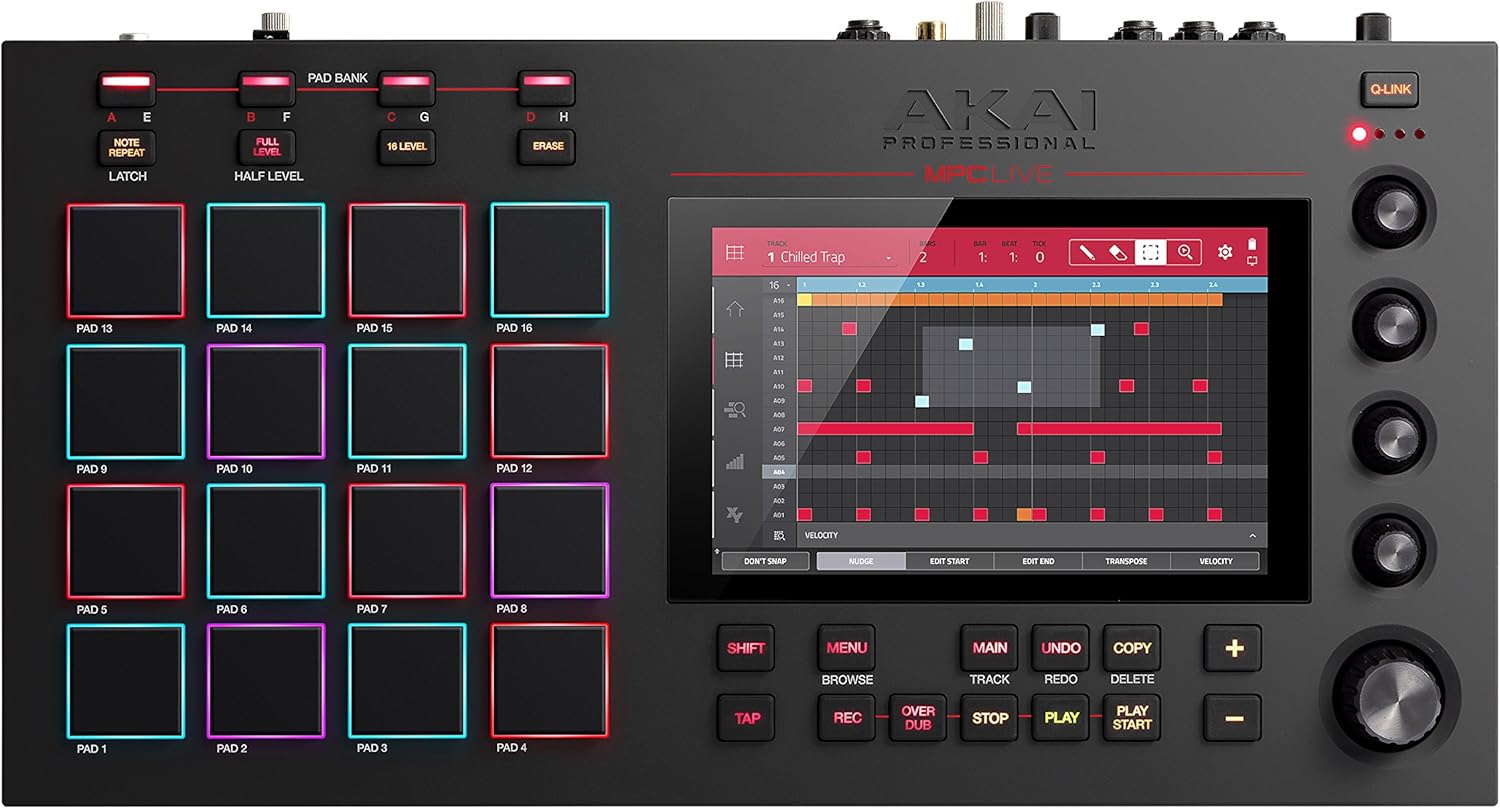
The MPC Live is a powerful, portable music-making machine you can use anywhere. It runs on a built-in battery, has tons of pro features, and works without a computer. You can plug in speakers, instruments, turntables, and more. With its bright screen, easy-to-use pads, and lots of ways to connect, the MPC Live is perfect for making music at home, in the studio, or on stage.
Polyend Play
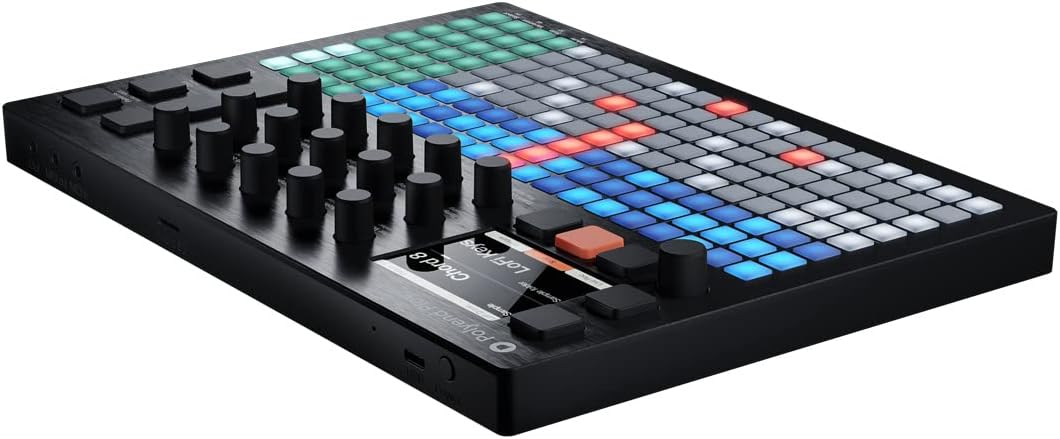
The Polyend Play is a powerful and intuitive sampler and groovebox designed for creative freedom without the complexity. It features over 30 ready-to-use sample kits, eight audio tracks, and eight polyphonic MIDI tracks, all accessible through a user-friendly interface tailored for both studio production and live performance. With 35 unique playback modes, randomizer and step repeater functions, a flexible 64-step sequencer, customizable pattern placement, onboard effects, and deep MIDI integration, the Play invites hands-on experimentation and effortless arrangement—whether you're jamming or building complete tracks from scratch.
| Spec | Akai MPC Live | Polyend Play |
|---|---|---|
| Manufacturer | Akai Professional | Polyend |
| Year Released | 2017 | 2022 |
| Polyphony | 128 | 64 |
| Sample Rate | 44.1kHz | 44.1kHz |
| Storage | Internal SSD | MicroSD card |
| Pads | 16 velocity-sensitive RGB pads | 16 velocity-sensitive pads |
| Sequencer | Yes | Yes |
| Effects | EQ, Reverb, Delay, Compression | Multiple effects |
| I/O | MIDI In/Out, USB, Audio In/Out | MIDI In/Out, USB, Audio In/Out |
| Screen | 7-inch multi-touch display | LCD display |
| Software Integration | MPC Software | No |
| Build | Standalone | Groovebox |
| Price | $1299 | $1100 |
| More about | Details | Details |
Buy the Akai MPC Live on Amazon.com
Buy Now On AmazonBuy the Polyend Play on Amazon.com
Buy Now On AmazonSummary
Choosing between the Akai MPC Live and the Polyend Play can be challenging, as both offer fantastic features for music production. The Akai MPC Live is renowned for its standalone production capabilities, multi-touch screen, and extensive software integration. On the other hand, the Polyend Play offers a compact groovebox experience with modern workflow and a focus on simplicity. Both devices cater to different needs, making it essential to understand their strengths and weaknesses.
A Tale of Two Samplers: Akai MPC Live vs. Polyend Play
Hello, music gear enthusiasts! Today, we’re diving into the world of samplers, exploring two remarkable devices that have captured the attention of producers worldwide: the Akai MPC Live and the Polyend Play. Whether you’re a seasoned beatmaker or just starting your musical journey, picking the right sampler is crucial. In this post, we’ll explore the features, pros, and cons of these two devices to help you make an informed decision.
Meet the Contenders
Akai MPC Live
Released in 2017 by Akai Professional, the MPC Live is a powerhouse in the world of music production. Known for its standalone capabilities, this device allows you to create music without needing a computer. It boasts a 7-inch multi-touch display, making it easy to navigate through its features. With a polyphony of 128, it can handle complex compositions. The MPC Live offers a plethora of effects, including EQ, reverb, delay, and compression, allowing you to shape your sound with precision.
Polyend Play
The Polyend Play, launched in 2022, is a groovebox that brings a fresh approach to music creation. It offers a streamlined workflow with its LCD display and 16 velocity-sensitive pads. Unlike the MPC Live, the Play emphasizes simplicity, making it an excellent choice for those who prefer a more straightforward interface. It supports sampling and comes with multiple effects to enhance your tracks. With a polyphony of 64, it handles most musical ideas with ease.
Feature Showdown
Screen and Interface
The Akai MPC Live features a 7-inch multi-touch display, which is one of its standout features. This screen allows users to interact with the device intuitively, offering a tactile experience similar to using a tablet. Navigating through menus, editing samples, and arranging tracks is a breeze with this touch interface.
In contrast, the Polyend Play uses an LCD display. While it might not be as interactive as a multi-touch screen, it provides a clear and concise view of your settings and sequences. The focus here is on simplicity, which can be beneficial for users who find large touchscreens overwhelming.
Pads and Playability
Both devices come equipped with 16 velocity-sensitive pads, but there are subtle differences. The MPC Live’s pads are RGB, which means they can light up in different colors. This feature is helpful for visual feedback, especially when performing live or managing multiple tracks.
The Polyend Play also offers responsive pads, but without the RGB feature. However, the simplicity in design can be an advantage for those who prefer a straightforward approach to beat-making.
Storage and Portability
The Akai MPC Live comes with internal SSD storage, which is a significant advantage for those who require ample space for their samples and projects. This internal storage makes it ideal for producers who want to work without relying on external devices.
On the other hand, the Polyend Play uses a MicroSD card for storage. While this means you’ll need to manage your storage separately, it offers flexibility in terms of swapping out cards for different projects.
Effects and Sound Shaping
Both samplers come with a variety of effects, but the Akai MPC Live takes the lead with its comprehensive suite that includes EQ, reverb, delay, and compression. These tools are essential for producers looking to refine their sound and add professional polish to their tracks.
The Polyend Play includes multiple effects as well, though the specifics aren’t as detailed. Its effects are designed to complement the groovebox’s workflow, providing enough tools to enhance your sound without overwhelming the user.
Connectivity and Integration
Connectivity is crucial for any music production setup. Both devices offer MIDI In/Out, USB, and Audio In/Out, ensuring compatibility with various gear. However, the MPC Live stands out with its software integration. It works seamlessly with Akai’s MPC Software, allowing users to extend their production capabilities beyond the hardware.
The Polyend Play, while lacking dedicated software integration, offers a more self-contained experience. This can be seen as a positive for those who prefer hardware-focused production without additional software dependencies.
Pros and Cons
Akai MPC Live
Pros:
- Standalone capability with internal storage
- 7-inch multi-touch display for easy navigation
- Extensive effects suite
- High polyphony (128)
- Seamless software integration
Cons:
- Higher price point ($1200)
- Complexity might be overwhelming for beginners
Polyend Play
Pros:
- Compact and portable design
- Simple and intuitive workflow
- Affordable price ($1100)
- Flexible storage with MicroSD card
- Modern groovebox experience
Cons:
- Lower polyphony (64)
- Lack of software integration
- Limited effects compared to MPC Live
Final Verdict: Who Should Buy Which?
If you’re an experienced producer looking for a standalone device with robust features and software integration, the Akai MPC Live is the way to go. Its extensive effects and intuitive touchscreen make it a versatile tool for complex productions.
However, if you’re a beginner or someone who values simplicity and portability, the Polyend Play might be the better choice. Its straightforward interface and modern groovebox design make it an excellent option for on-the-go music creation.
In conclusion, both samplers have their strengths and are designed to cater to different audiences. Consider your needs, experience level, and production style when making your choice. Happy music-making!