Akai MPC Live — VS — Polyend Tracker
Akai MPC Live
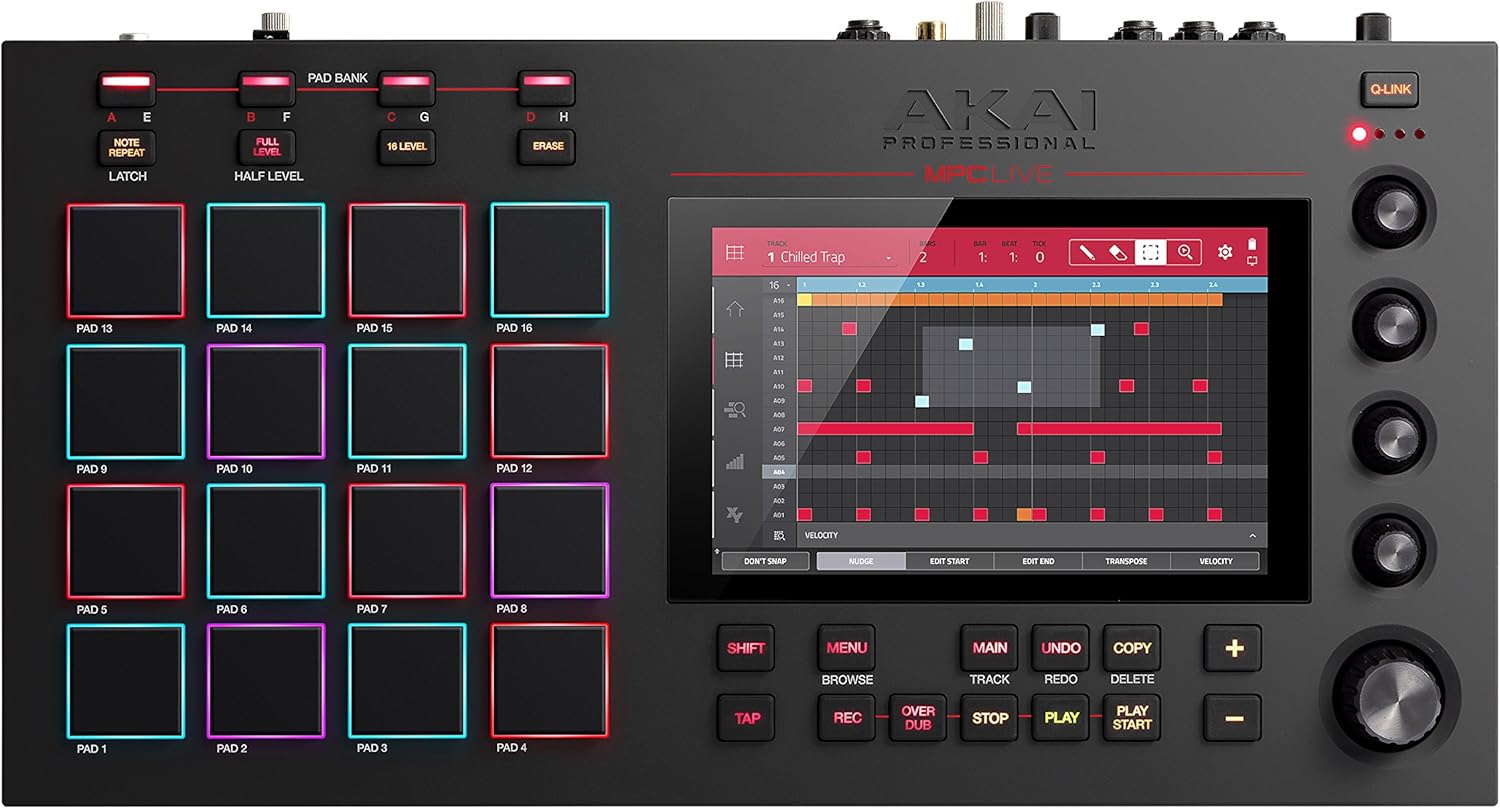
The MPC Live is a powerful, portable music-making machine you can use anywhere. It runs on a built-in battery, has tons of pro features, and works without a computer. You can plug in speakers, instruments, turntables, and more. With its bright screen, easy-to-use pads, and lots of ways to connect, the MPC Live is perfect for making music at home, in the studio, or on stage.
Polyend Tracker
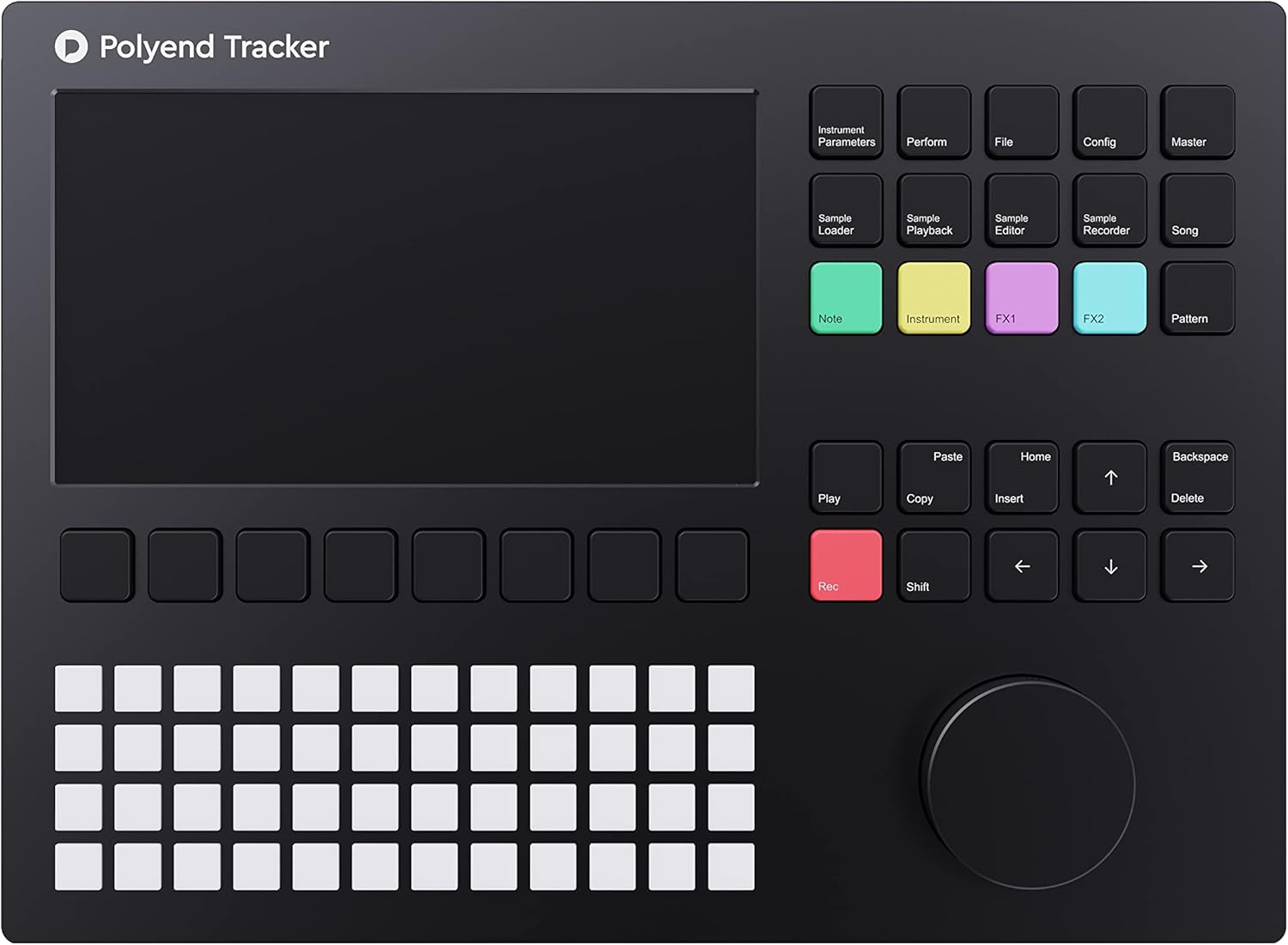
Polyend Tracker is a powerful, easy-to-use music workstation that helps you create and perform your own songs. It's compact, lightweight, and built for making music anywhere—at home, in the studio, or on the go. You can load in your own samples, record new ones with a mic or even from the built-in FM radio, then slice, shape, and play them your way. It has a simple layout, a strong sequencer, and tools like filters and effects to build full tracks. You can also connect it to other gear using MIDI. It's made for creative people who want a fresh, hands-on way to make music.
| Spec | Akai MPC Live | Polyend Tracker |
|---|---|---|
| Manufacturer | Akai Professional | Polyend |
| Year Released | 2017 | 2020 |
| Polyphony | 128 | 64 |
| Sample Rate | 44.1kHz | 44.1kHz |
| Storage | Internal SSD | MicroSD card |
| Pads | 16 velocity-sensitive RGB pads | No pads, buttons for input |
| Sequencer | Yes | Yes |
| Effects | EQ, Reverb, Delay, Compression | Multiple effects |
| I/O | MIDI In/Out, USB, Audio In/Out | MIDI In/Out, USB, Audio In/Out |
| Screen | 7-inch multi-touch display | LCD display |
| Software Integration | MPC Software | No |
| Build | Standalone | Tracker-style sampler |
| Price | $1299 | $599 |
| More about | Details | Details |
Buy the Akai MPC Live on Amazon.com
Buy Now On AmazonBuy the Polyend Tracker on Amazon.com
Buy Now On AmazonAkai MPC Live vs. Polyend Tracker: Which Sampler is Right for You?
Summary: Discover the differences between the Akai MPC Live and the Polyend Tracker in this detailed comparison. Both devices offer unique features and cater to different music-making needs. Learn which sampler is best suited for your creative journey.
Introduction
Hey there, music gear enthusiasts! Are you on a quest to find the perfect sampler for your music production needs? Today, we’re diving into a head-to-head comparison of two popular samplers: the Akai MPC Live and the Polyend Tracker. These devices have sparked the curiosity of many budding and seasoned producers alike. Whether you’re looking to create beats on the go or experiment with a unique sequencing style, understanding what each sampler offers is crucial. Let’s explore these two amazing machines and see which one might be your next studio companion.
Feature Comparisons
Design and Build
Let’s first talk about how these samplers are built. The Akai MPC Live is known for its sturdy standalone design. This means you don’t need to connect it to a computer to make music. It comes with a 7-inch multi-touch display, making it feel like a mini-computer for music creation. The 16 velocity-sensitive RGB pads are perfect for drumming out beats with your fingers, and they light up in different colors, helping you keep track of your sounds.
On the other hand, the Polyend Tracker has a tracker-style build, which is quite different from the traditional pad-based samplers. Instead of pads, it uses buttons for input and sequencing. Its LCD display is smaller than the Akai’s screen, but it offers a unique way to input and view your musical ideas. The Tracker’s design is more compact and lightweight, making it an excellent choice for those who like to make music on the move.
Sound and Polyphony
When it comes to sound, both samplers offer a sample rate of 44.1kHz, ensuring high-quality audio. The Akai MPC Live boasts a whopping 128 voices of polyphony. This means you can layer many sounds on top of each other without running out of voices. It’s perfect for complex compositions with lots of instruments and effects.
The Polyend Tracker, while slightly less powerful in this area, provides 64 voices of polyphony. This is still plenty for most music projects, especially if you prefer minimalistic or electronic music styles that don’t require as many simultaneous sounds.
Storage and Portability
Storage is another important factor to consider. The MPC Live comes with an internal SSD, providing ample space to store your samples and projects. You won’t have to worry about running out of room for your creations anytime soon. Plus, it’s always ready to go without needing additional storage devices.
The Polyend Tracker uses a microSD card for storage. This makes it easy to swap out cards and expand your storage as needed. It’s a flexible option, especially if you like to separate your projects or carry multiple cards for different sounds.
Sequencing and Effects
Both samplers shine in the sequencing department. The MPC Live features a robust sequencer, allowing you to arrange your music with ease. It also integrates seamlessly with MPC Software for even more sequencing options when connected to a computer. The effects on the MPC Live include EQ, Reverb, Delay, and Compression, giving you all the tools you need to polish your tracks.
The Polyend Tracker also has a powerful sequencer, but with a unique tracker-style approach. This might appeal to those who enjoy a more retro or experimental workflow. The Tracker offers multiple effects to enhance your sounds, though it doesn’t have the same level of software integration as the MPC Live.
Connectivity
Both devices are well-equipped with connectivity options. They each have MIDI In/Out, USB, and Audio In/Out, making it easy to hook them up to other gear or your computer. Whether you’re connecting to a MIDI keyboard, an audio interface, or another piece of studio equipment, both samplers have you covered.
Pros and Cons
Akai MPC Live
Pros:
- Standalone operation with a powerful multi-touch screen
- 16 RGB pads for tactile music creation
- High polyphony count of 128 voices
- Internal SSD for ample storage
- Seamless integration with MPC Software
Cons:
- Larger and heavier than the Tracker
- Higher learning curve for beginners
Polyend Tracker
Pros:
- Lightweight and portable design
- Unique tracker-style sequencing for creative workflows
- Expandable storage with microSD cards
- Intuitive button-based input
Cons:
- Lower polyphony compared to MPC Live
- Smaller display may not suit everyone’s preference
Final Verdict
So, who are these samplers best for? The Akai MPC Live is ideal for producers who need a powerful, standalone device with extensive features and high polyphony. It’s perfect for those who enjoy using pads for beat-making and require a lot of storage for their projects. If you’re looking for a versatile and robust music production tool, the MPC Live is a fantastic choice.
On the other hand, the Polyend Tracker is suited for musicians who enjoy a unique sequencing experience and need a portable device they can take anywhere. Its tracker-style interface is great for electronic music producers who want to experiment with different sounds and arrangements.
In conclusion, both samplers offer something special. It all depends on your personal preferences and how you like to make music. Whether you choose the MPC Live or the Polyend Tracker, you’re sure to have a blast creating music with these incredible tools.