Akai MPC Live — VS — Roland SP-404A
Akai MPC Live
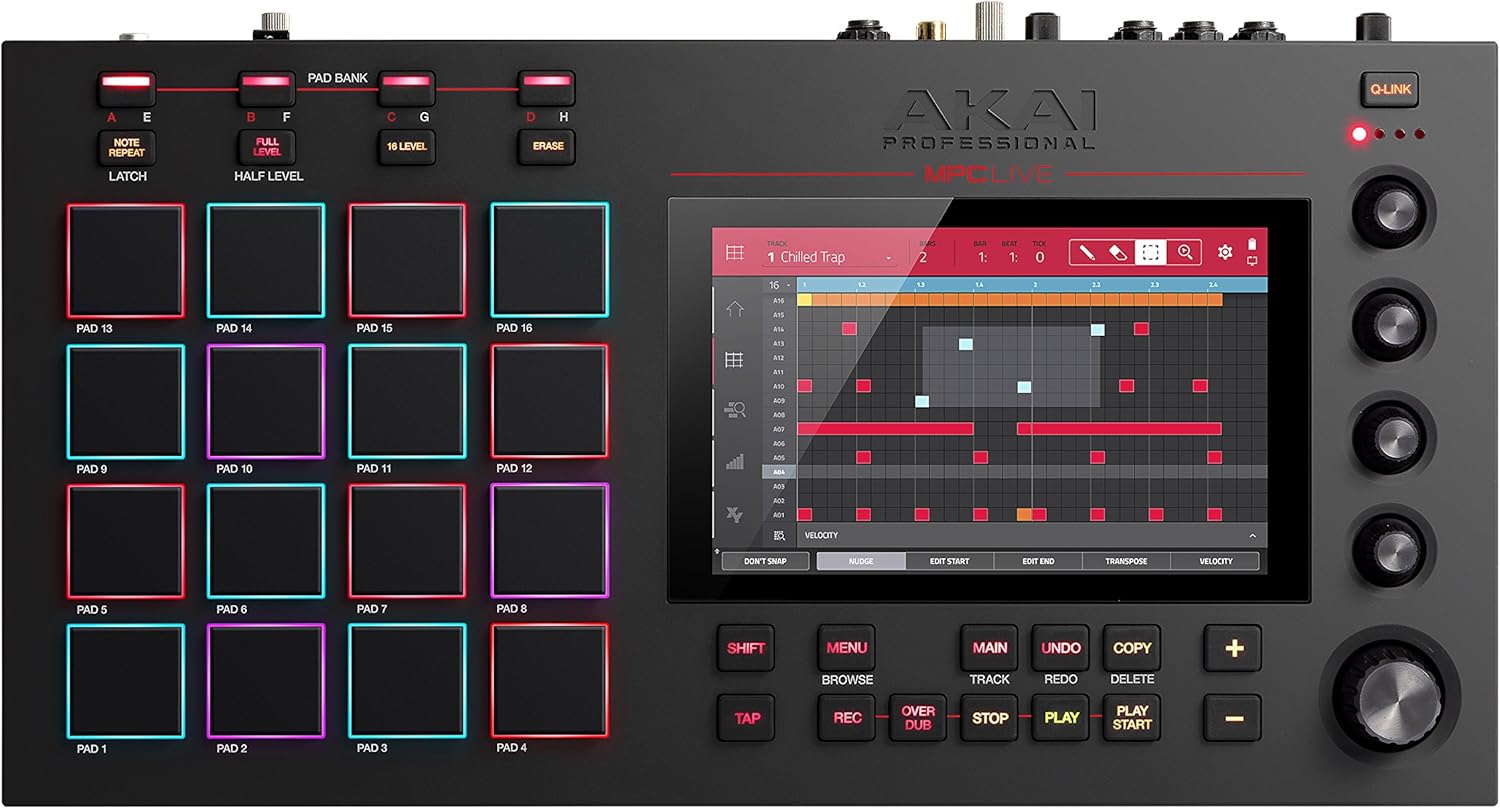
The MPC Live is a powerful, portable music-making machine you can use anywhere. It runs on a built-in battery, has tons of pro features, and works without a computer. You can plug in speakers, instruments, turntables, and more. With its bright screen, easy-to-use pads, and lots of ways to connect, the MPC Live is perfect for making music at home, in the studio, or on stage.
Roland SP-404A
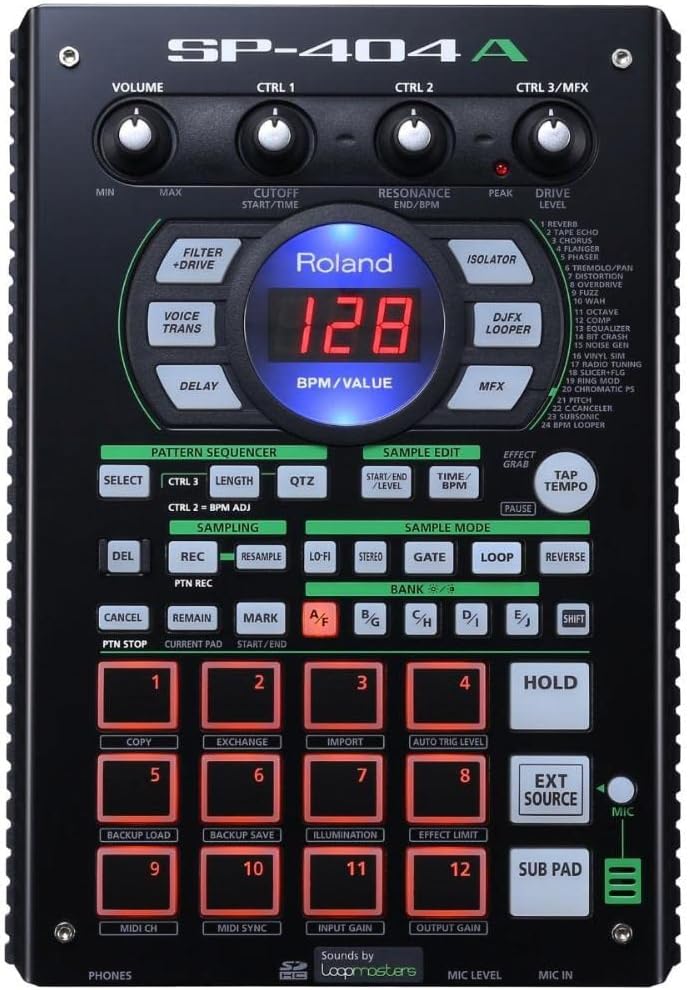
The SP-404A is a fun music machine made for live shows. You can use it to play cool sounds, beats, and effects. It works really well with another music tool called the Roland TR-8, but you can also use it by itself. It has 12 big buttons you can press to play sounds, plus lots of awesome effects to change how your music feels. It even comes with a card full of great sounds to get you started. Whether you're a DJ, a musician, or just love making beats, the SP-404A helps you create music in a fun and easy way.
| Spec | Akai MPC Live | Roland SP-404A |
|---|---|---|
| Manufacturer | Akai Professional | Roland |
| Year Released | 2017 | 2017 |
| Polyphony | 128 | 128 |
| Sample Rate | 44.1kHz | 44.1kHz |
| Storage | Internal SSD | SD card |
| Pads | 16 velocity-sensitive RGB pads | 12 velocity-sensitive pads |
| Sequencer | Yes | No |
| Effects | EQ, Reverb, Delay, Compression | Vintage effects, Reverb, Delay |
| I/O | MIDI In/Out, USB, Audio In/Out | MIDI In/Out, USB, Audio In/Out |
| Screen | 7-inch multi-touch display | OLED display |
| Software Integration | MPC Software | Roland Software |
| Build | Standalone | Portable |
| Price | $1299 | $600 |
| More about | Details | Details |
Buy the Akai MPC Live on Amazon.com
Buy Now On AmazonBuy the Roland SP-404A on Amazon.com
Buy Now On AmazonAkai MPC Live vs. Roland SP-404A: A Deep Dive into Two Iconic Samplers
Summary: The Akai MPC Live and the Roland SP-404A are both powerful music production tools, each with its own unique features and advantages. This article compares these two popular samplers to help you decide which is the right fit for your music production needs.
When it comes to music production, samplers play a crucial role in shaping the sound and feel of your tracks. Two standout choices in the world of samplers are the Akai MPC Live and the Roland SP-404A. Both are beloved by musicians and producers for their unique features and capabilities. In this article, we’re going to explore what makes each of these samplers special, and help you decide which one might be the right fit for you.
Introduction to the Samplers
The Akai MPC Live and the Roland SP-404A are both celebrated devices in the music production community. Released in 2017, both samplers offer a blend of modern and classic features, making them appealing to a wide range of users. Whether you’re looking for a standalone production unit or a portable effects powerhouse, these samplers have something to offer.
Feature Comparisons
Build and Portability
The Akai MPC Live is a standalone sampler, meaning you don’t need a computer to use it. This device comes with a 7-inch multi-touch display, making it easy to navigate through menus and tweak your sounds. It also has an internal SSD for storage, so you can keep your samples and projects right on the device. With 16 velocity-sensitive RGB pads, the MPC Live is perfect for creating beats and triggering samples.
On the other hand, the Roland SP-404A is designed to be highly portable. It’s a minor update to the classic SP-404SX and features 12 velocity-sensitive pads. The device uses an SD card for storage, so you can easily swap out cards for different projects. Its OLED display may not be as large as the MPC’s screen, but it’s sufficient for its purpose. The SP-404A’s compact size makes it an excellent choice for musicians who need a mobile setup.
Sound and Effects
Both samplers offer a polyphony of 128, which means you can play up to 128 notes simultaneously. They also share the same sample rate of 44.1kHz, ensuring high-quality audio playback.
The Akai MPC Live shines with its range of effects, including EQ, reverb, delay, and compression. These effects are essential for shaping your sound and adding depth to your tracks. The MPC Live is also integrated with MPC Software, allowing for seamless transitions between your hardware and computer-based production.
The Roland SP-404A, while not as feature-rich in terms of effects, offers a variety of vintage effects alongside reverb and delay. These effects are beloved by producers for their character and texture, making the SP-404A a great choice for those who want to add a unique touch to their music. It also integrates with Roland Software, though its standalone capabilities are more limited compared to the MPC Live.
Inputs and Outputs
When it comes to connectivity, both samplers offer MIDI In/Out, USB, and Audio In/Out, providing flexibility in how you incorporate them into your studio setup. However, the Akai MPC Live’s standalone build and added features make it more versatile for live performances and studio work.
Pros and Cons
Akai MPC Live
Pros:
- Standalone operation with internal SSD storage
- Large 7-inch multi-touch display
- Rich selection of effects
- Seamless integration with MPC Software
- 16 velocity-sensitive RGB pads for dynamic performance
Cons:
- Higher price point at $1200
- Larger and heavier, affecting portability
Roland SP-404A
Pros:
- Highly portable and compact design
- Affordable price at $600
- Characterful vintage effects
- Easy swap SD card storage for projects
Cons:
- Limited effects compared to the MPC Live
- Smaller OLED display
- No built-in sequencer
Final Verdict
In conclusion, both the Akai MPC Live and the Roland SP-404A have their strengths and weaknesses. The Akai MPC Live is perfect for those who want a comprehensive, standalone music production center with a wide range of features. It’s ideal for studio producers and live performers who need a powerful tool at their fingertips.
The Roland SP-404A, however, is perfect for musicians who value portability and the unique sound of vintage effects. It’s great for anyone who needs a compact and affordable device for quick sampling and live performances.
Ultimately, the choice between the two will depend on your specific needs and preferences. Whether you’re just starting out in music production or you’re a seasoned pro, both samplers offer fantastic options for crafting your sound.