Akai MPC Live — VS — Teenage Engineering EP-133 K.O. II Sampler
Akai MPC Live
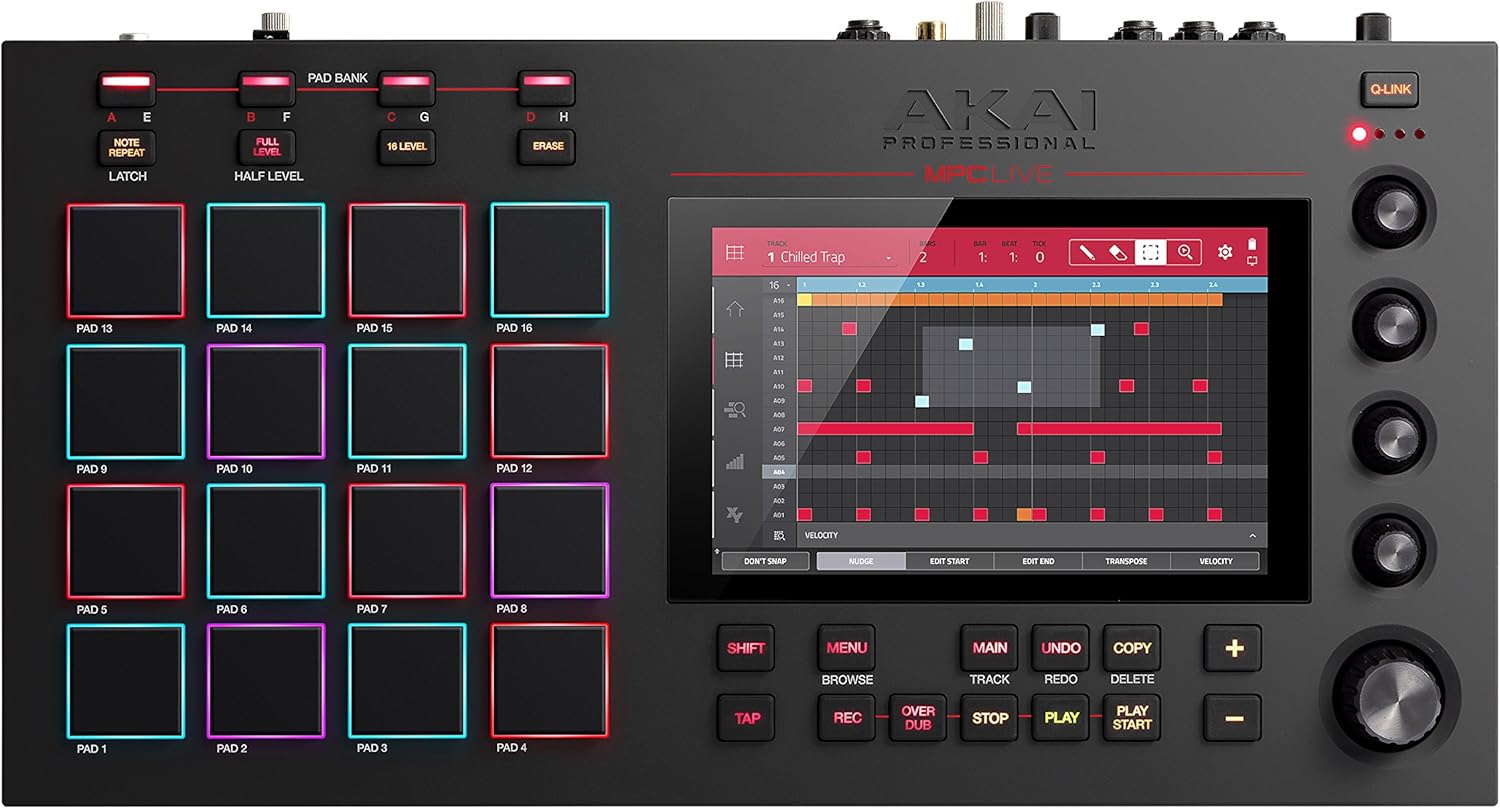
The MPC Live is a powerful, portable music-making machine you can use anywhere. It runs on a built-in battery, has tons of pro features, and works without a computer. You can plug in speakers, instruments, turntables, and more. With its bright screen, easy-to-use pads, and lots of ways to connect, the MPC Live is perfect for making music at home, in the studio, or on stage.
Teenage Engineering EP-133 K.O. II Sampler
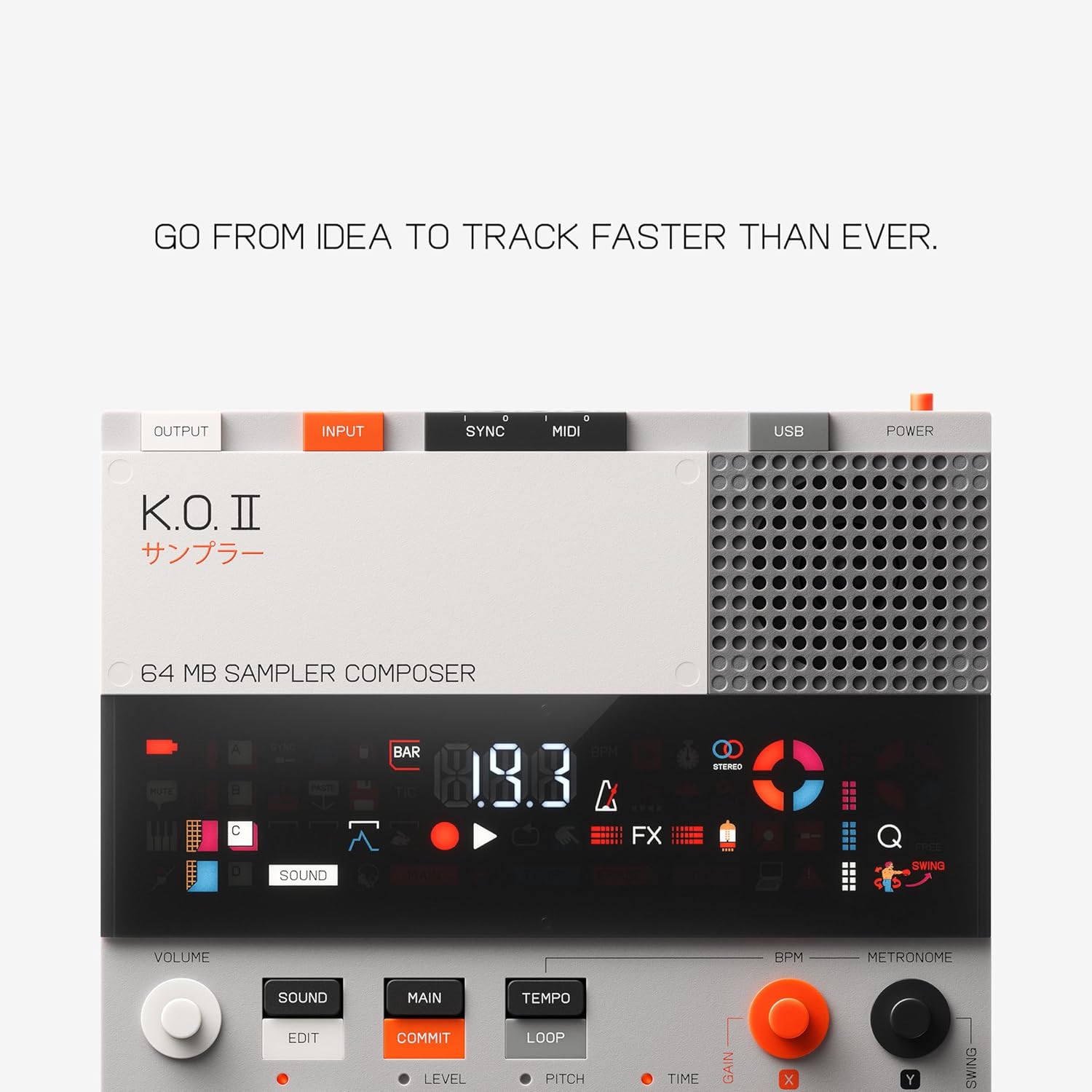
The EP-133 K.O. II is Teenage Engineering's next-gen portable sampler. It features punchy pads, step sequencing, powerful FX, and sample warping—all in a stylish and compact design. It's a fantastic upgrade from the original PO-33 for musicians looking for portability and hands-on performance.
| Spec | Akai MPC Live | Teenage Engineering EP-133 K.O. II Sampler |
|---|---|---|
| Manufacturer | Akai Professional | Teenage Engineering |
| Year Released | 2017 | 2023 |
| Polyphony | 128 | Polyphonic (unspecified) |
| Sample Rate | 44.1kHz | 16-bit / 46.875kHz |
| Storage | Internal SSD | Internal + microSD |
| Pads | 16 velocity-sensitive RGB pads | 16 velocity-sensitive pads |
| Sequencer | Yes | Yes |
| Effects | EQ, Reverb, Delay, Compression | Filter, Delay, Reverb, Compression |
| I/O | MIDI In/Out, USB, Audio In/Out | USB-C, Line In/Out, MIDI via TRS |
| Screen | 7-inch multi-touch display | OLED display |
| Software Integration | MPC Software | Minimal, plug-and-play |
| Build | Standalone | Durable plastic housing with step sequencer |
| Price | $1299 | $299 |
| More about | Details | Details |
Buy the Akai MPC Live on Amazon.com
Buy Now On AmazonBuy the Teenage Engineering EP-133 K.O. II Sampler on Amazon.com
Buy Now On AmazonAkai MPC Live vs. Teenage Engineering EP-133 K.O. II Sampler: Which One is Right for You?
Summary: The Akai MPC Live and the Teenage Engineering EP-133 K.O. II are two exciting samplers that offer unique features for musicians and producers. While the MPC Live is a powerful, standalone device with extensive connectivity and professional features, the EP-133 K.O. II boasts a compact design, ideal for on-the-go music creation. Let’s dive deeper into what each sampler has to offer!
Introduction
Music gear enthusiasts, rejoice! Today, we’re diving into a face-off between two impressive pieces of music-making gear: the Akai MPC Live and the Teenage Engineering EP-133 K.O. II Sampler. Whether you’re a budding producer or a seasoned musician, picking the right sampler can make a huge difference in your creative process. Join us as we explore what makes each of these samplers special and figure out which one might be the best fit for you.
Akai MPC Live: A Powerhouse for Pros
The Akai MPC Live is a beast of a sampler, designed for those who want a serious music-making station. Released in 2017 by Akai Professional, it has been a favorite among musicians who need a reliable and portable music production tool. Its standout feature is its standalone capability, meaning you don’t need a computer to make music. Just plug in your instruments, microphones, or speakers, and you’re good to go.
Features
The MPC Live boasts a whopping 128 polyphony, allowing for rich and complex compositions. Its sample rate of 44.1kHz ensures high-quality audio playback and recording. The internal SSD storage provides ample space for your samples and projects, making it easy to carry your work wherever you go.
The sampler is equipped with 16 velocity-sensitive RGB pads, offering a responsive and colorful interface for playing and programming beats. The 7-inch multi-touch display makes navigation a breeze, letting you easily shape and edit your sounds.
Connectivity is where the MPC Live shines. With MIDI In/Out, USB, and Audio In/Out, it’s easy to integrate with other gear. The built-in effects like EQ, Reverb, Delay, and Compression give your tracks a polished sound without needing external processors.
Pros and Cons
Pros:
- Standalone Operation: No computer required; perfect for on-the-go production.
- Extensive Connectivity: MIDI, USB, and audio connectivity for versatile setups.
- Professional Effects: Built-in effects for polished sound.
- Large Touch Display: Easy navigation and editing with a 7-inch screen.
Cons:
- Price: At $1299, it’s a significant investment.
- Size: Larger and heavier than some portable options.
Teenage Engineering EP-133 K.O. II Sampler: Compact and Stylish
The Teenage Engineering EP-133 K.O. II is a sleek and portable sampler released in 2023. Known for their unique designs, Teenage Engineering has packed a lot of punch into this small device. It’s a fantastic choice for musicians who need something lightweight and simple to use.
Features
The K.O. II is polyphonic, though the exact polyphony isn’t specified. It records at a 16-bit / 46.875kHz sample rate, which is great for capturing ideas on the fly. The internal storage, combined with a microSD slot, offers flexibility for saving your creations.
With 16 velocity-sensitive pads, the K.O. II allows for expressive playing. The OLED display, while smaller than the MPC’s, provides clear feedback and is easy to read even in dim lighting.
Its connectivity includes USB-C, Line In/Out, and MIDI via TRS, making it compatible with modern setups. The effects section includes Filter, Delay, Reverb, and Compression, giving you tools to shape your sound creatively.
Pros and Cons
Pros:
- Portability: Compact design ideal for traveling musicians.
- Stylish Design: Modern look with durable plastic housing.
- Affordable: At $299, it’s much more budget-friendly.
- Simple Connectivity: USB-C and MIDI make it easy to connect.
Cons:
- Limited Effects: Less variety compared to professional gear.
- Minimal Software Integration: Less integration for those who rely on DAWs.
Feature Comparisons
Portability
The Akai MPC Live is portable for its class, but it’s not as compact as the Teenage Engineering EP-133 K.O. II. The K.O. II is designed to be carried anywhere, making it perfect for musicians who are always on the move. If space and weight are top concerns, the K.O. II takes the lead.
Sound Quality
Both samplers offer great sound quality, but the MPC Live’s 44.1kHz sample rate is standard for professional audio. The K.O. II’s 16-bit / 46.875kHz might be more than sufficient for quick sketches and creative experimentation but may not meet the needs of audiophiles.
User Interface
The MPC Live’s 7-inch multi-touch display is a significant advantage for users who prefer a more visual and interactive experience. The K.O. II’s OLED display is smaller but fits its minimalist design, providing essential information without clutter.
Connectivity
The MPC Live wins in terms of connectivity, offering extensive options for integrating with other equipment. The USB-C and MIDI via TRS on the K.O. II are modern and convenient but might not be enough for more complex setups.
Who Are These Samplers Best For?
The Akai MPC Live is ideal for serious musicians and producers who need a standalone device with professional features. It’s perfect for those who want to create complex compositions and have the budget to invest in a powerful tool.
On the other hand, the Teenage Engineering EP-133 K.O. II Sampler is best for beginners or musicians who prioritize portability and simplicity. It’s a great choice for those who want to make music on the go without breaking the bank.
Final Verdict
In conclusion, both the Akai MPC Live and the Teenage Engineering EP-133 K.O. II offer unique advantages depending on your needs. If you seek a robust, all-in-one music production station, the MPC Live is the way to go. However, if you desire a compact, stylish, and affordable sampler, the K.O. II is an excellent choice. Happy music-making!
For more information, check out the detailed pages for the Akai MPC Live and Teenage Engineering EP-133 K.O. II Sampler.