Akai MPC One+ — VS — Akai MPC1000
Akai MPC One+
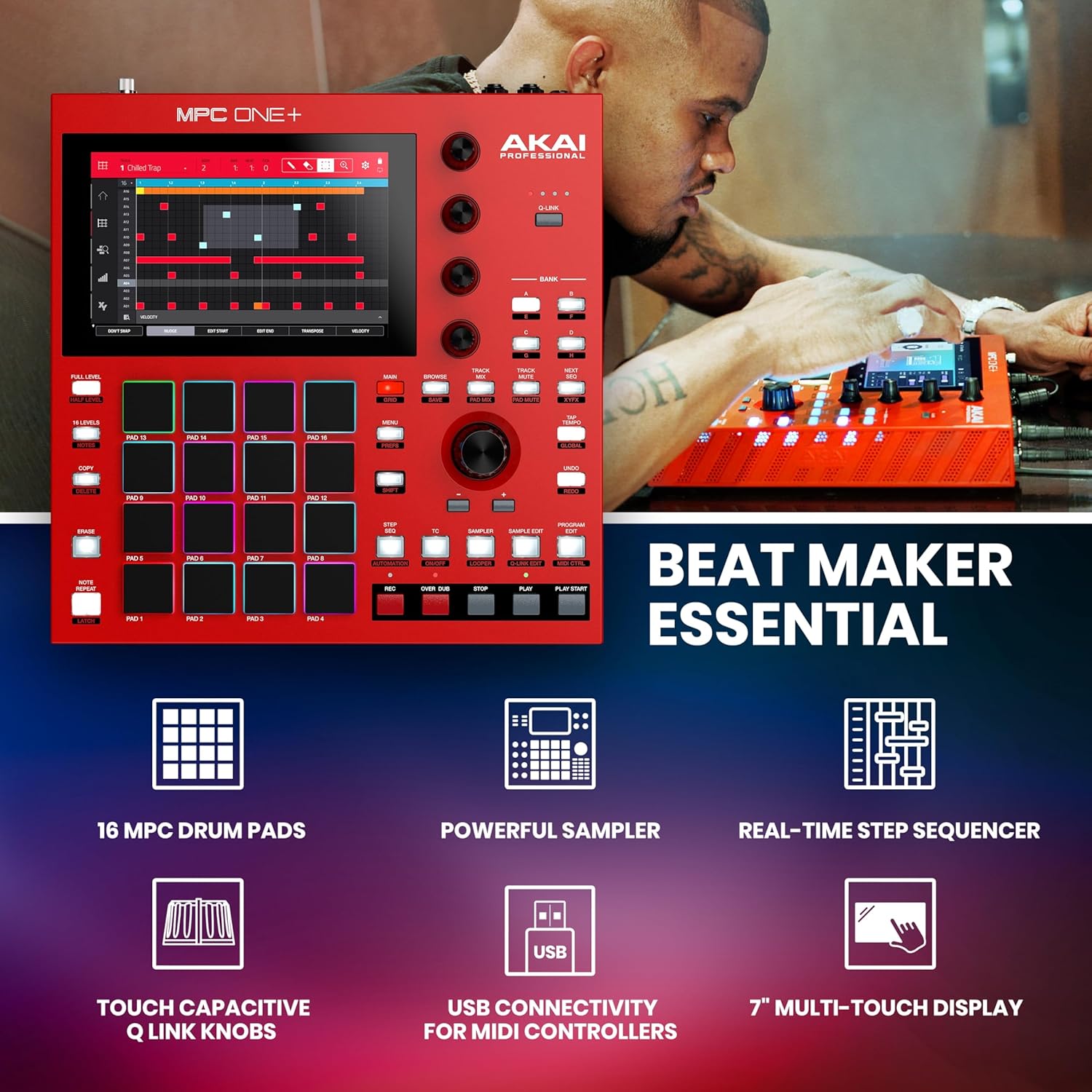
The MPC One+ is a fast, powerful music-making machine with Wi-Fi, Bluetooth, and 16GB of storage. It lets you connect your gear, play with thousands of sounds, and stay creative anywhere—no computer needed.
Akai MPC1000
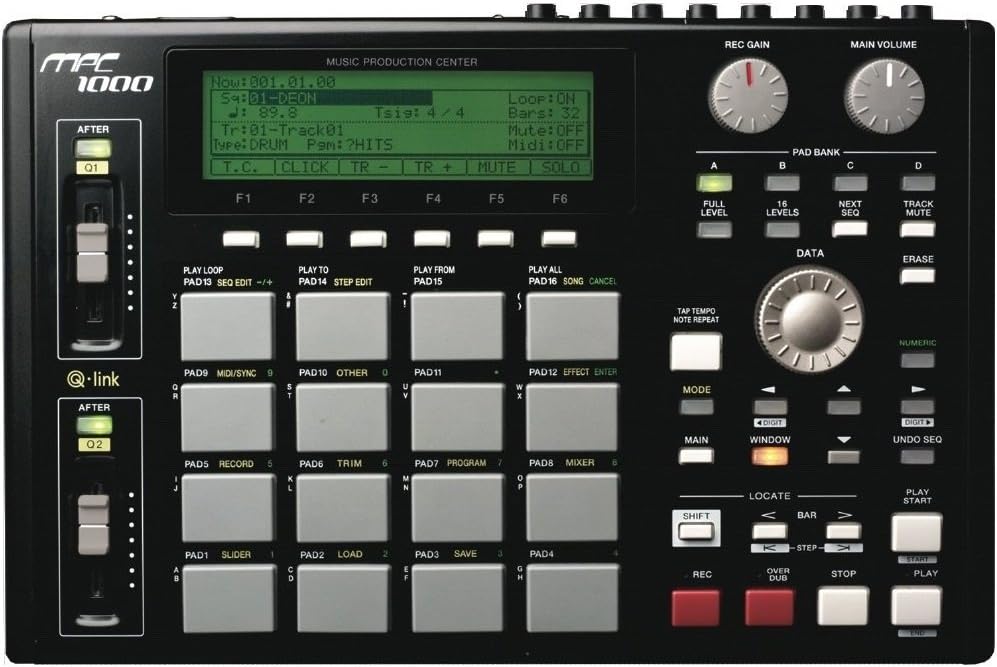
The Akai MPC1000 packs powerful music-making tools into a small, affordable machine. It features 32-voice stereo sampling, a 64-track sequencer, and 16 responsive pads for real-time playing and recording. With 16MB of built-in memory (expandable to 128MB) and the ability to save projects on a Compact Flash card, it’s easy to keep your sounds handy. Plus, you can connect it to a computer via USB to drag and drop your work quickly. Compact and rugged, the MPC1000 is perfect for producers on the go.
| Spec | Akai MPC One+ | Akai MPC1000 |
|---|---|---|
| Manufacturer | Akai Professional | Akai Professional |
| Year Released | 2023 | 2003 |
| Polyphony | 128 | 64 |
| Sample Rate | 44.1kHz | 44.1kHz |
| Storage | Internal SSD | CompactFlash |
| Pads | 16 velocity-sensitive RGB pads | 16 velocity-sensitive pads |
| Sequencer | Yes | Yes |
| Effects | EQ, Reverb, Delay, Compression | EQ, Compression, Reverb |
| I/O | MIDI In/Out, USB, Audio In/Out | MIDI In/Out, Audio In/Out |
| Screen | 7-inch multi-touch display | LCD |
| Software Integration | MPC Software | MPC Software |
| Build | Standalone | Standalone |
| Price | $750 | $700 used |
| More about | Details | Details |
Buy the Akai MPC One+ on Amazon.com
Buy Now On AmazonAkai MPC One+ vs. Akai MPC1000: Which Sampler Should You Choose?
Summary: The Akai MPC One+ and MPC1000 are both excellent samplers with unique strengths. The MPC One+ offers modern features and seamless software integration, while the MPC1000 provides a classic feel and robust performance.
Introduction
Welcome, music gear enthusiasts! If you’re diving into the world of music production, you’ve probably come across the iconic Akai MPC series. Today, we’re putting two popular models head-to-head: the Akai MPC One+ and the Akai MPC1000. Both are standalone samplers packed with features to help you create amazing beats and tunes. But which one is right for you? Let’s explore the ins and outs of these two samplers to help you make an informed choice.
Feature Comparison
Year of Release and Build
The Akai MPC1000 was released in 2003, making it a classic choice for those who love vintage gear. It offers a robust standalone build, with a dependable design that has stood the test of time. In contrast, the Akai MPC One+ was released in 2023. It is the latest update to the MPC One and comes with improved software and hardware features. The MPC One+ also features a standalone build, ensuring that you can make music without needing a computer.
Pads and Display
Both samplers come with 16 velocity-sensitive pads, but the MPC One+ takes it a step further with RGB lighting. This feature not only looks cool but also helps you keep track of your samples and sequences more easily. The MPC1000’s pads, while still responsive, lack this modern touch. When it comes to the display, the MPC One+ shines with a 7-inch multi-touch display, allowing for intuitive navigation and editing. The MPC1000, meanwhile, features a more traditional LCD screen, which works well but doesn’t offer the same level of interaction.
Polyphony and Sample Rate
Polyphony refers to the number of different sounds that can be played simultaneously. The MPC One+ boasts a polyphony of 128, double that of the MPC1000, which has 64. This means you can layer more sounds and create more complex compositions with the MPC One+. Both samplers offer a sample rate of 44.1kHz, ensuring high-quality audio recording and playback.
Storage Options
When it comes to storage, the MPC One+ includes an internal SSD, offering ample space for your samples and projects. This is a significant upgrade from the MPC1000, which relies on CompactFlash cards. While CompactFlash was a great option back in 2003, it doesn’t compare to the convenience and capacity of modern SSDs.
Effects and Connectivity
Both the MPC One+ and MPC1000 provide a range of effects, including EQ, reverb, and compression. However, the MPC One+ includes an additional delay effect, giving you more creative options. In terms of connectivity, both samplers offer MIDI In/Out and audio In/Out, but the MPC One+ also includes USB connectivity, making it easier to integrate with other gear and your computer.
Software Integration
Software integration is crucial for modern music production. The MPC One+ features seamless integration with MPC Software, allowing for a smooth transition between hardware and software editing. The MPC1000 also supports MPC Software, but given its age, its integration isn’t as robust as the newer model.
Price
The MPC One+ is priced at $750, reflecting its modern features and capabilities. The MPC1000, on the other hand, is typically available for around $700 used, making it a budget-friendly option for those who don’t mind pre-owned gear.
Pros and Cons
Akai MPC One+
Pros:
- Modern features with RGB pads and a multi-touch display
- High polyphony of 128 for complex compositions
- Internal SSD offers ample storage
- USB connectivity for easy integration
- Additional delay effect for creative flexibility
- Seamless MPC Software integration
Cons:
- Higher price point than used MPC1000
- May be overwhelming for beginners due to advanced features
Akai MPC1000
Pros:
- Classic, reliable build with a vintage feel
- Budget-friendly pricing in the used market
- Good range of effects for its time
- Solid standalone performance
Cons:
- Lower polyphony of 64
- Limited storage with CompactFlash
- LCD screen lacks modern touch capabilities
- Less robust software integration
Final Verdict
Both the Akai MPC One+ and MPC1000 offer unique advantages depending on your needs. The Akai MPC One+ is ideal for modern producers who want advanced features, seamless integration with software, and plenty of creative options. It’s perfect for those who are willing to invest a little more for a cutting-edge experience. On the other hand, the Akai MPC1000 is a great choice for musicians who appreciate a classic, straightforward approach to sampling and want a reliable, budget-friendly option.
In conclusion, consider your music production goals and budget to determine which sampler suits you best. Whether you choose the modern capabilities of the MPC One+ or the tried-and-true performance of the MPC1000, you’ll have a powerful tool for creating incredible music. Happy sampling!