Akai MPC One+ — VS — Akai MPC2500
Akai MPC One+
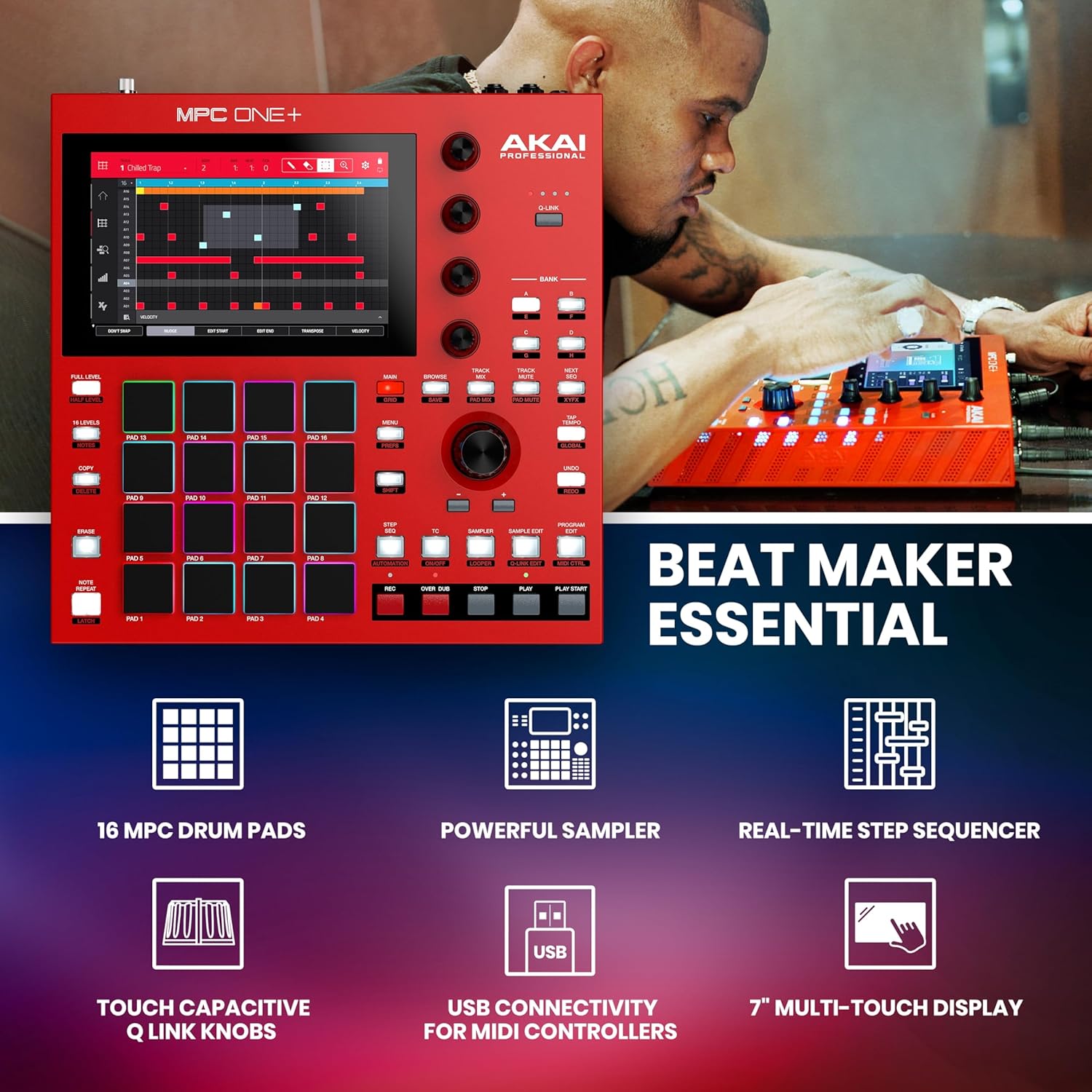
The MPC One+ is a fast, powerful music-making machine with Wi-Fi, Bluetooth, and 16GB of storage. It lets you connect your gear, play with thousands of sounds, and stay creative anywhere—no computer needed.
Akai MPC2500
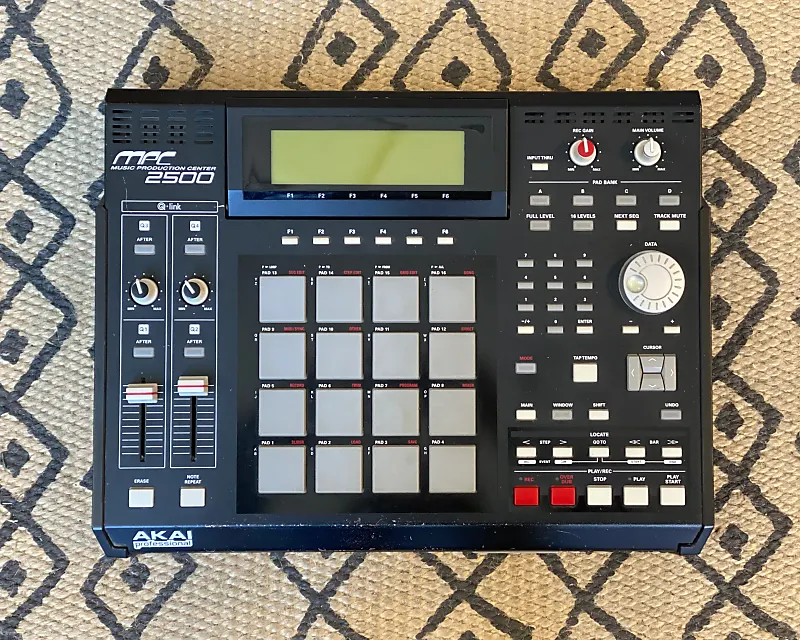
The Akai MPC2500 is a trusted tool for making beats and producing music, used by pros and performers alike. It has 16 classic pads, powerful sampling and editing features, and up to 128MB of memory for loading sounds. You get a 64-track sequencer, built-in effects, and real-time controls to shape your music as you play. With multiple outputs and easy file storage using CF cards or an optional hard drive, the MPC2500 gives you everything you need to create, perform, and finish your tracks—all in one solid machine.
| Spec | Akai MPC One+ | Akai MPC2500 |
|---|---|---|
| Manufacturer | Akai Professional | Akai Professional |
| Year Released | 2023 | 2005 |
| Polyphony | 128 | 64 |
| Sample Rate | 44.1kHz | 44.1kHz |
| Storage | Internal SSD | CompactFlash, ZIP Drive |
| Pads | 16 velocity-sensitive RGB pads | 16 velocity-sensitive pads |
| Sequencer | Yes | Yes |
| Effects | EQ, Reverb, Delay, Compression | EQ, Compression, Reverb, Delay |
| I/O | MIDI In/Out, USB, Audio In/Out | MIDI In/Out, Audio In/Out |
| Screen | 7-inch multi-touch display | LCD |
| Software Integration | MPC Software | MPC Software |
| Build | Standalone | Standalone |
| Price | $750 | $800 used |
| More about | Details | Details |
Buy the Akai MPC One+ on Amazon.com
Buy Now On AmazonAkai MPC One+ vs. Akai MPC2500: Which Sampler Suits You Best?
Summary: Discover the differences between the Akai MPC One+ and the Akai MPC2500 to find out which sampler is perfect for your music creation needs. We’ll dive into their features, pros, and cons, providing a clear picture of who each machine is best suited for.
Introduction
Hey there, music gear lovers! Are you on the hunt for the perfect sampler to add to your studio setup? Today, we’re taking a closer look at two popular samplers from Akai Professional: the Akai MPC One+ and the Akai MPC2500. These samplers have been helping musicians create amazing beats and tracks for years. Whether you’re new to music production or a seasoned pro, choosing the right tool is super important. So, let’s explore what each of these samplers has to offer!
Feature Comparisons
Design and Build
The Akai MPC One+ is the newer model, making its debut in 2023. It’s sleek and modern, with a 7-inch multi-touch display that lets you interact with your music in a very intuitive way. The RGB pads light up in different colors, making it visually exciting and easier to organize your samples by color.
On the other hand, the Akai MPC2500, released in 2005, has a more classic look with its LCD screen. While it doesn’t have a touch display, it still offers a robust build that’s stood the test of time. Both models feature 16 velocity-sensitive pads, but the MPC One+ pads have the added benefit of RGB lighting.
Sound and Effects
When it comes to sound, the two samplers share some similarities. Both offer a sample rate of 44.1kHz and include essential effects such as EQ, Reverb, Delay, and Compression. However, the MPC One+ boasts a polyphony of 128, which means it can handle twice as many voices as the MPC2500, which has a polyphony of 64. This makes the MPC One+ better for more complex and layered sounds.
Storage and Connectivity
The MPC One+ features an internal SSD for storage, providing ample space for your sounds and projects without needing external storage. It also has USB connectivity, making it easy to transfer files. Meanwhile, the MPC2500 uses CompactFlash and ZIP drives for storage, which may feel a bit outdated for today’s standards. Both samplers have MIDI In/Out and Audio In/Out, ensuring they can integrate well with other gear.
Software Integration
Both models integrate with MPC Software, enhancing their functionality with powerful tools for music production. The software helps you arrange, mix, and edit your music right from your computer, although the MPC One+ stands out with its more advanced integration due to its touch display and improved hardware.
Pros and Cons
Akai MPC One+
Pros:
- Modern design with a 7-inch multi-touch display
- RGB pads for better organization
- Higher polyphony of 128 for complex sounds
- SSD storage for faster access and more space
- Good price point at $750
Cons:
- Might be overwhelming for beginners due to advanced features
- Limited to those who prefer traditional samplers without a touchscreen
Akai MPC2500
Pros:
- Classic, reliable design
- Solid build quality
- Familiar interface for long-time users
- Available at $800 used, which can be a pro for collectors
Cons:
- Limited storage options with CompactFlash and ZIP drives
- Lower polyphony of 64
- No touch display
Who Are They Best For?
The Akai MPC One+ is perfect for modern producers who love working with cutting-edge technology. Its advanced features make it ideal for those looking to create complex compositions with ease. If you’re someone who enjoys a vibrant, interactive experience, this is the sampler for you.
The Akai MPC2500 suits those who appreciate a more traditional approach to music production. If you’re a fan of classic gear or someone who has been using older MPC models, you’ll feel right at home with the MPC2500. It’s also a great choice for collectors who value vintage equipment.
Conclusion
In the world of samplers, both the Akai MPC One+ and the Akai MPC2500 have their unique strengths. Whether you prefer the modern features of the MPC One+ or the classic design of the MPC2500, both are excellent tools for creating music. Consider your personal needs and preferences to choose the sampler that will best support your musical journey. Happy music-making!