Akai MPC One+ — VS — Polyend Tracker
Akai MPC One+
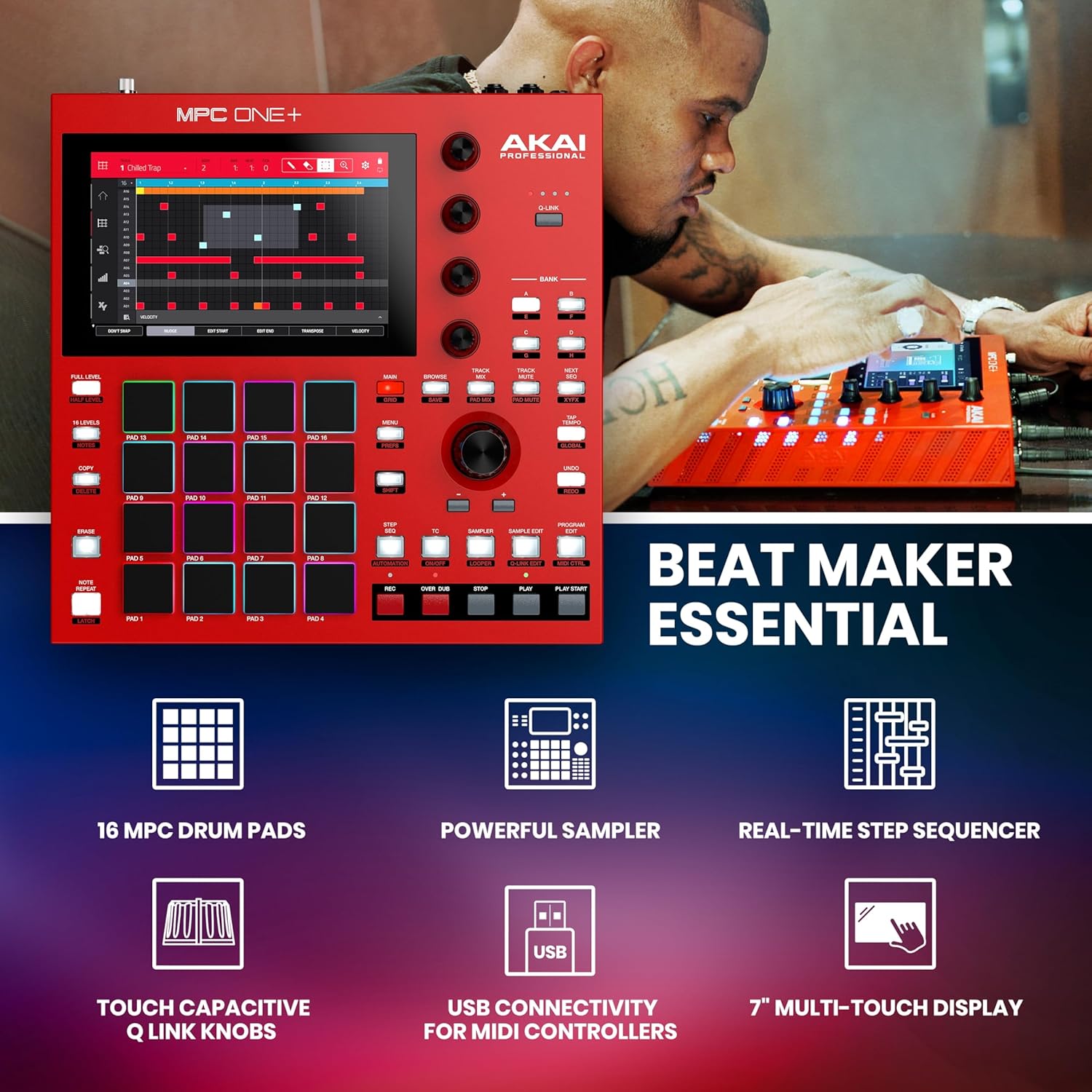
The MPC One+ is a fast, powerful music-making machine with Wi-Fi, Bluetooth, and 16GB of storage. It lets you connect your gear, play with thousands of sounds, and stay creative anywhere—no computer needed.
Polyend Tracker
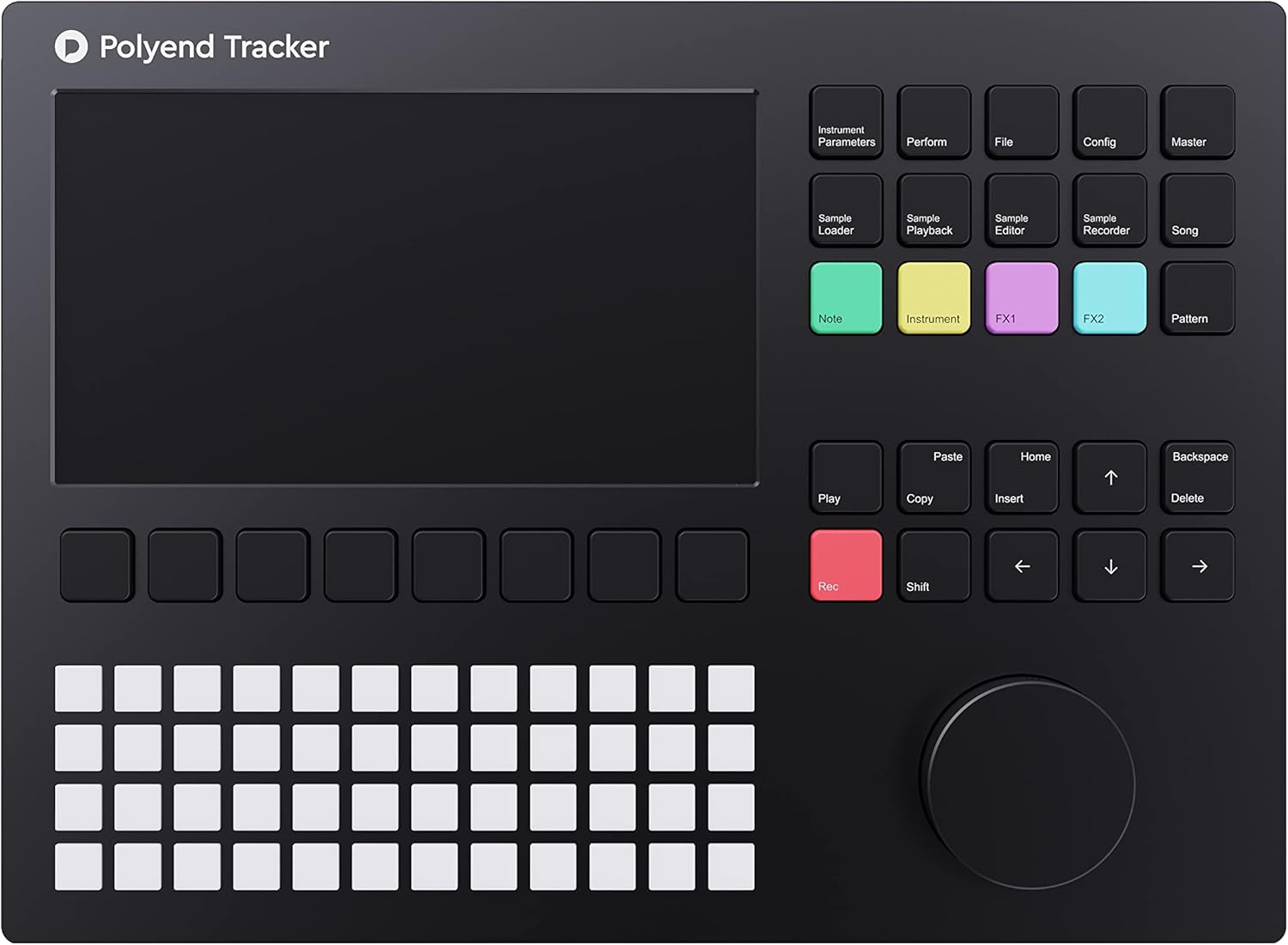
Polyend Tracker is a powerful, easy-to-use music workstation that helps you create and perform your own songs. It's compact, lightweight, and built for making music anywhere—at home, in the studio, or on the go. You can load in your own samples, record new ones with a mic or even from the built-in FM radio, then slice, shape, and play them your way. It has a simple layout, a strong sequencer, and tools like filters and effects to build full tracks. You can also connect it to other gear using MIDI. It's made for creative people who want a fresh, hands-on way to make music.
| Spec | Akai MPC One+ | Polyend Tracker |
|---|---|---|
| Manufacturer | Akai Professional | Polyend |
| Year Released | 2023 | 2020 |
| Polyphony | 128 | 64 |
| Sample Rate | 44.1kHz | 44.1kHz |
| Storage | Internal SSD | MicroSD card |
| Pads | 16 velocity-sensitive RGB pads | No pads, buttons for input |
| Sequencer | Yes | Yes |
| Effects | EQ, Reverb, Delay, Compression | Multiple effects |
| I/O | MIDI In/Out, USB, Audio In/Out | MIDI In/Out, USB, Audio In/Out |
| Screen | 7-inch multi-touch display | LCD display |
| Software Integration | MPC Software | No |
| Build | Standalone | Tracker-style sampler |
| Price | $750 | $599 |
| More about | Details | Details |
Buy the Akai MPC One+ on Amazon.com
Buy Now On AmazonBuy the Polyend Tracker on Amazon.com
Buy Now On AmazonDiscover the Rhythm: Akai MPC One+ vs. Polyend Tracker
In the world of music production, samplers can be a musician’s best friend. These nifty devices help create beats, melodies, and entire songs from scratch. Today, we’re diving into a face-off between two popular samplers: the Akai MPC One+ and the Polyend Tracker. Both have their own strengths and quirks, and we’re here to explore what makes each one special.
Introduction
Imagine having the power to make music right at your fingertips! That’s what samplers like the Akai MPC One+ and Polyend Tracker offer. Whether you’re a budding music producer or just curious about how music is made, these devices are like magical musical boxes. They come packed with features that help you create beats, remix tunes, and bring your musical ideas to life. Let’s find out which one might be your perfect music buddy.
Feature Showdown
Polyphony and Sound Quality
First up, let’s talk about polyphony. This fancy word refers to how many sounds a sampler can play at once. The Akai MPC One+ boasts a whopping 128 voices of polyphony. This means you can layer lots of sounds together without them cutting off. On the other hand, the Polyend Tracker offers 64 voices. While that’s fewer than the MPC One+, it’s still plenty for most musical creations.
Both samplers have a sample rate of 44.1kHz, which is the standard for CD-quality audio. This means your music will sound clear and crisp on both devices, so you don’t need to worry about sound quality.
Storage and Data Handling
Storage is where these two samplers differ significantly. The Akai MPC One+ comes with an internal SSD, giving you ample space to store your samples and projects right on the device. This means you can save your work without needing any extra gadgets. In contrast, the Polyend Tracker uses a MicroSD card for storage. This is handy if you like keeping your files on tiny cards that you can swap out easily. However, it means you’ll need to have some MicroSD cards ready for extra storage.
Pads and Input
When it comes to playing and creating music, the Akai MPC One+ shines with its 16 velocity-sensitive RGB pads. These colorful pads are not only fun to play with but also respond to how hard you hit them, allowing for expressive performances. The Polyend Tracker, being a tracker-style sampler, doesn’t have pads. Instead, it uses buttons for input, which might take a little getting used to if you’re more accustomed to traditional drum pads.
Sequencer and Effects
Both devices feature sequencers, which are like musical timelines that help you arrange your sounds into songs. The Akai MPC One+ integrates seamlessly with MPC Software, giving you a powerful toolset to create intricate patterns and arrangements. The Polyend Tracker, while not offering software integration, boasts a unique sequencing approach that many musicians find inspiring and different.
When it comes to effects, the Akai MPC One+ offers a variety of options, including EQ, Reverb, Delay, and Compression. The Polyend Tracker also includes multiple effects, though specific details are not provided. Both devices are equipped with enough effects to add spice and depth to your music.
Screen and User Interface
A big part of how easy a sampler is to use comes down to its screen and interface. The Akai MPC One+ features a 7-inch multi-touch display, making it intuitive and easy to navigate. This touch screen allows you to interact with your music in a hands-on way. The Polyend Tracker has an LCD display, which, while functional, might not offer the same level of interactivity as a touch screen. However, many users enjoy its retro feel and straightforward layout.
Connectivity and Build
In terms of connectivity, both devices offer MIDI In/Out, USB, and Audio In/Out options, making them versatile and easy to integrate into any setup. The Akai MPC One+ is a standalone unit, meaning it can function independently without needing a computer. The Polyend Tracker, with its tracker-style build, is also a standalone device, but its design and feature set make it particularly suited for those who enjoy the tracker workflow.
Pros and Cons
Akai MPC One+
Pros:
- High polyphony with 128 voices
- 16 velocity-sensitive RGB pads for expressive playing
- Large, intuitive 7-inch multi-touch display
- Internal SSD for ample storage
- Seamless software integration with MPC Software
- Standalone functionality
Cons:
- Higher price point at $750
- May require a learning curve for beginners
Polyend Tracker
Pros:
- Unique tracker-style sequencing
- Multiple effects to enhance your sound
- Easy storage with MicroSD card
- Standalone build, no computer needed
- Inspiring interface for creative workflows
Cons:
- Lower polyphony with 64 voices
- No pads, which might be a downside for some users
- Less intuitive LCD display
- Higher price at $1200
Final Verdict
Both the Akai MPC One+ and the Polyend Tracker have their unique charms. The Akai MPC One+ is perfect for those who want a feature-rich, powerful device with modern touches like a touch screen and ample storage. It’s great for musicians who enjoy pad-based input and want seamless software integration.
On the other hand, the Polyend Tracker is ideal for those who love the tracker workflow and seek a device that inspires creativity in a different way. It’s perfect for producers who enjoy experimenting with unique sequencing methods and appreciate a more hands-on approach to music production.
In summary, the choice between these two samplers depends on your personal workflow and preferences. Whether you’re drawn to the vibrant pads of the Akai MPC One+ or the distinctive sequencing style of the Polyend Tracker, both devices offer endless possibilities for making music. Choose the one that resonates with your creative spirit, and let the music-making adventure begin!