Akai MPC One+ — VS — Roland SP-404A
Akai MPC One+
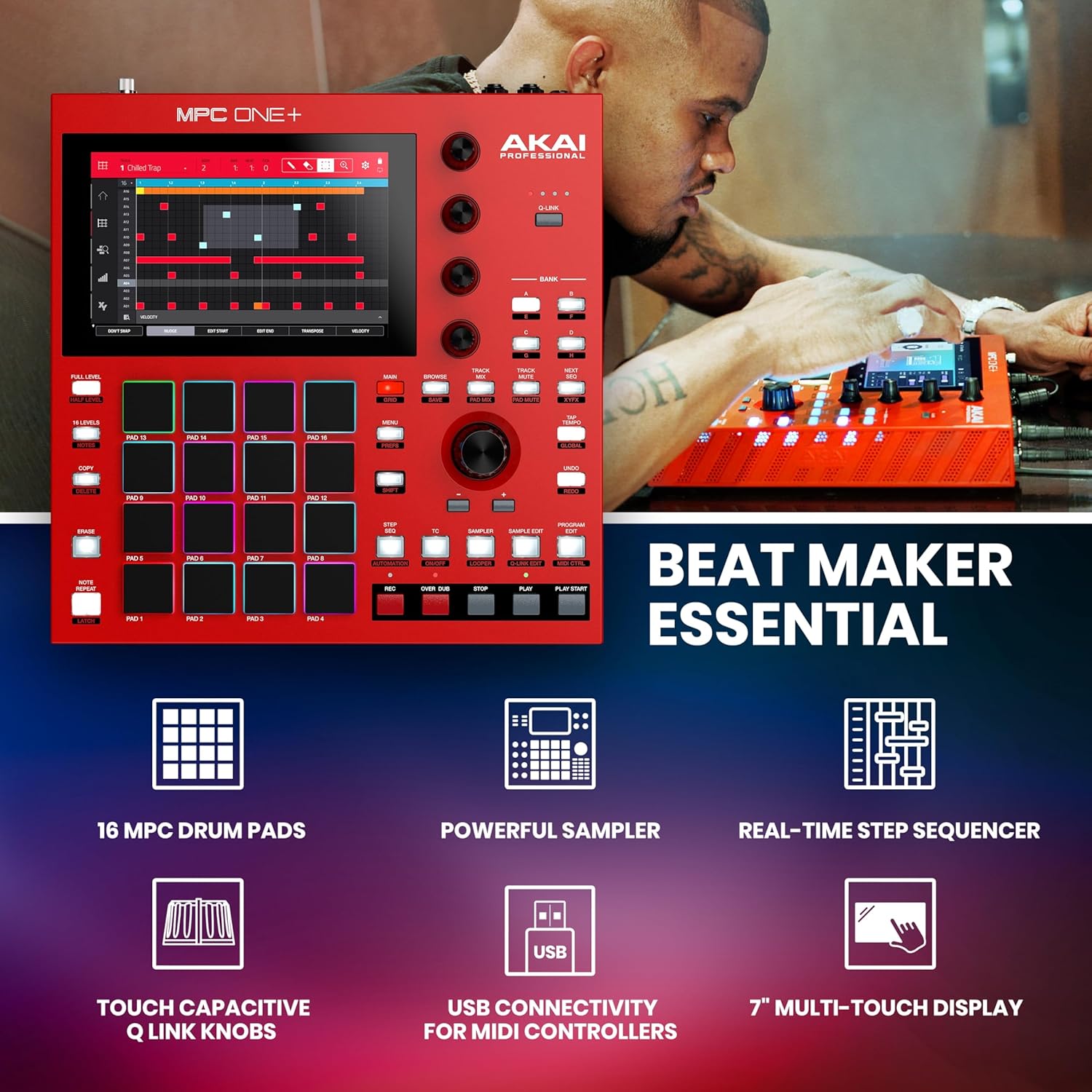
The MPC One+ is a fast, powerful music-making machine with Wi-Fi, Bluetooth, and 16GB of storage. It lets you connect your gear, play with thousands of sounds, and stay creative anywhere—no computer needed.
Roland SP-404A
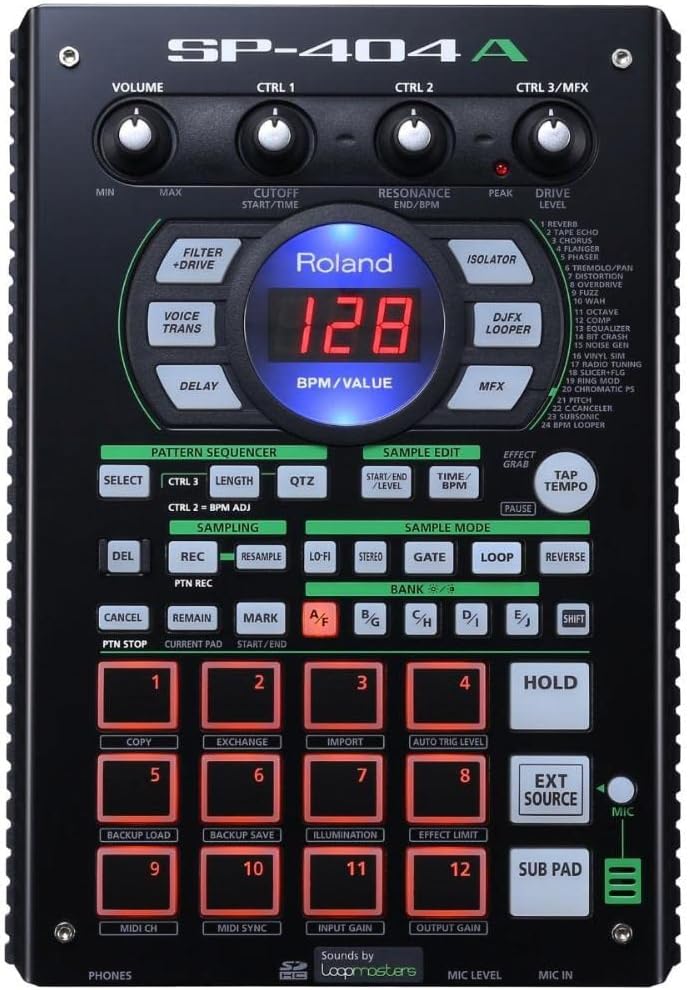
The SP-404A is a fun music machine made for live shows. You can use it to play cool sounds, beats, and effects. It works really well with another music tool called the Roland TR-8, but you can also use it by itself. It has 12 big buttons you can press to play sounds, plus lots of awesome effects to change how your music feels. It even comes with a card full of great sounds to get you started. Whether you're a DJ, a musician, or just love making beats, the SP-404A helps you create music in a fun and easy way.
| Spec | Akai MPC One+ | Roland SP-404A |
|---|---|---|
| Manufacturer | Akai Professional | Roland |
| Year Released | 2023 | 2017 |
| Polyphony | 128 | 128 |
| Sample Rate | 44.1kHz | 44.1kHz |
| Storage | Internal SSD | SD card |
| Pads | 16 velocity-sensitive RGB pads | 12 velocity-sensitive pads |
| Sequencer | Yes | No |
| Effects | EQ, Reverb, Delay, Compression | Vintage effects, Reverb, Delay |
| I/O | MIDI In/Out, USB, Audio In/Out | MIDI In/Out, USB, Audio In/Out |
| Screen | 7-inch multi-touch display | OLED display |
| Software Integration | MPC Software | Roland Software |
| Build | Standalone | Portable |
| Price | $750 | $600 |
| More about | Details | Details |
Buy the Akai MPC One+ on Amazon.com
Buy Now On AmazonBuy the Roland SP-404A on Amazon.com
Buy Now On AmazonAkai MPC One+ vs. Roland SP-404A: Battle of the Samplers
Summary: In this blog post, we’ll explore two popular samplers, the Akai MPC One+ and the Roland SP-404A, comparing their features, pros, and cons, to help you decide which one might be right for you.
Introduction
Music enthusiasts and producers, gather around! If you’re diving into the world of music production, you’ve likely heard of the Akai MPC One+ and the Roland SP-404A. These samplers are like magic boxes that can transform your musical ideas into reality. Whether you want to create beats, loops, or full tracks, these devices are packed with features that can help you on your creative journey. But which one should you choose? Let’s break it down together.
Feature Comparisons
Year of Release and Design
The Akai MPC One+ is a fresh face in the music world, released in 2023. It’s like the new kid on the block with all the latest gadgets. On the other hand, the Roland SP-404A has been around since 2017. It’s a bit more like the wise elder, with a classic design that many musicians love.
Sound and Storage
Both the Akai MPC One+ and the Roland SP-404A offer 128-note polyphony, meaning they can play a lot of sounds at once. They also share a sample rate of 44.1kHz, which is great for high-quality audio.
When it comes to storage, the Akai MPC One+ features an internal SSD, which means it has plenty of space built right in. In contrast, the Roland SP-404A uses an SD card for storage, making it easy to swap out cards but requiring you to manage your storage separately.
Pads and Controls
Pads are like the keys to your music kingdom. The Akai MPC One+ boasts 16 velocity-sensitive RGB pads, which are colorful and responsive. They’re perfect for creating dynamic beats and patterns. The Roland SP-404A has 12 velocity-sensitive pads, and while they might be fewer, they’re known for their durability and classic feel.
Sequencing and Effects
If you’re a fan of sequencing, the Akai MPC One+ has you covered with its built-in sequencer. This means you can arrange your music directly on the device. The Roland SP-404A, however, does not have a sequencer, so you’ll need other tools if sequencing is a priority.
When it comes to effects, both samplers shine. The Akai MPC One+ offers EQ, Reverb, Delay, and Compression, providing a modern palette of sound-shaping tools. The Roland SP-404A focuses on vintage effects, along with Reverb and Delay, to give your music a classic touch.
Connectivity and Screen
Both samplers offer MIDI In/Out, USB, and Audio In/Out, giving you plenty of options to connect with other gear. The Akai MPC One+ stands out with its 7-inch multi-touch display, making navigation and editing a breeze. The Roland SP-404A features an OLED display which, while smaller, is clear and functional.
Software Integration and Build
The Akai MPC One+ integrates seamlessly with MPC Software, allowing you to expand your capabilities when connected to a computer. It’s designed as a standalone device, which means you can use it without any additional equipment. The Roland SP-404A also offers software integration via Roland Software, and its portable build makes it easy to take your music anywhere.
Price
Finally, let’s talk about the cost. The Akai MPC One+ is priced at $750, reflecting its advanced features and newer technology. The Roland SP-404A, with its classic charm and portability, comes in at $600.
Pros and Cons
Akai MPC One+
Pros:
- Newest technology with 2023 release
- 16 RGB pads for dynamic performance
- Built-in sequencer for music arrangement
- Large 7-inch multi-touch display
- Internal SSD for ample storage
Cons:
- Higher price point at $750
- Standalone build might be bulky for some users
Roland SP-404A
Pros:
- Classic design with a proven track record
- Portable and easy to transport
- Vintage effects for a unique sound
- Lower price at $600
Cons:
- No built-in sequencer
- Fewer pads compared to Akai MPC One+
Final Verdict
Both the Akai MPC One+ and the Roland SP-404A are excellent choices for music production. If you’re looking for the latest technology, a built-in sequencer, and more pads, the Akai MPC One+ is perfect for you. Its features are ideal for those who want an all-in-one solution.
On the other hand, if you prefer a portable device with a classic feel and love vintage effects, the Roland SP-404A is your go-to. It’s great for musicians who want to take their music on the road and enjoy a simpler setup.
In summary, choose the Akai MPC One+ if you want cutting-edge technology and functionality. Pick the Roland SP-404A if you’re after portability and a timeless sound. Happy music-making!