Akai MPC One+ — VS — Teenage Engineering OP-1 Field
Akai MPC One+
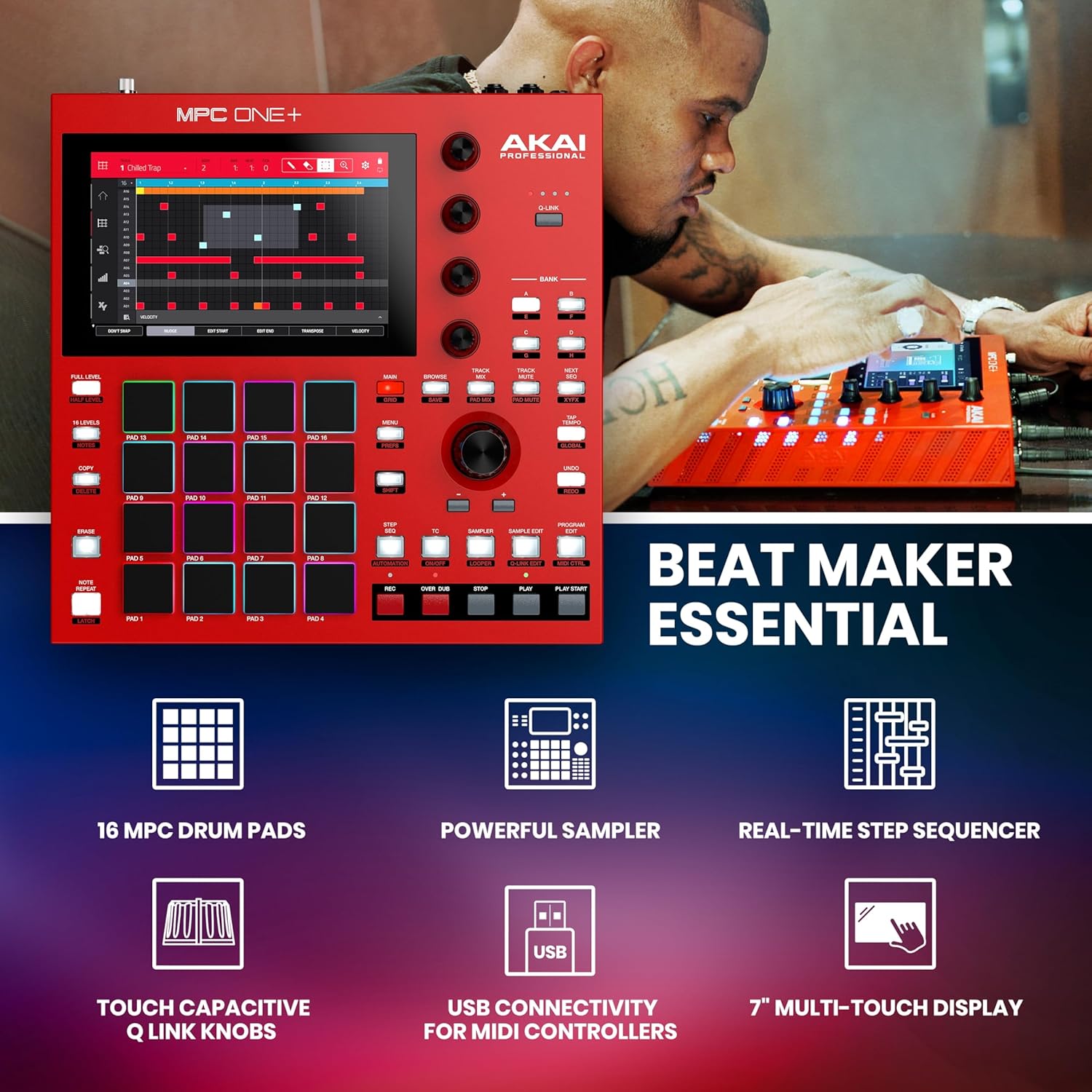
The MPC One+ is a fast, powerful music-making machine with Wi-Fi, Bluetooth, and 16GB of storage. It lets you connect your gear, play with thousands of sounds, and stay creative anywhere—no computer needed.
Teenage Engineering OP-1 Field
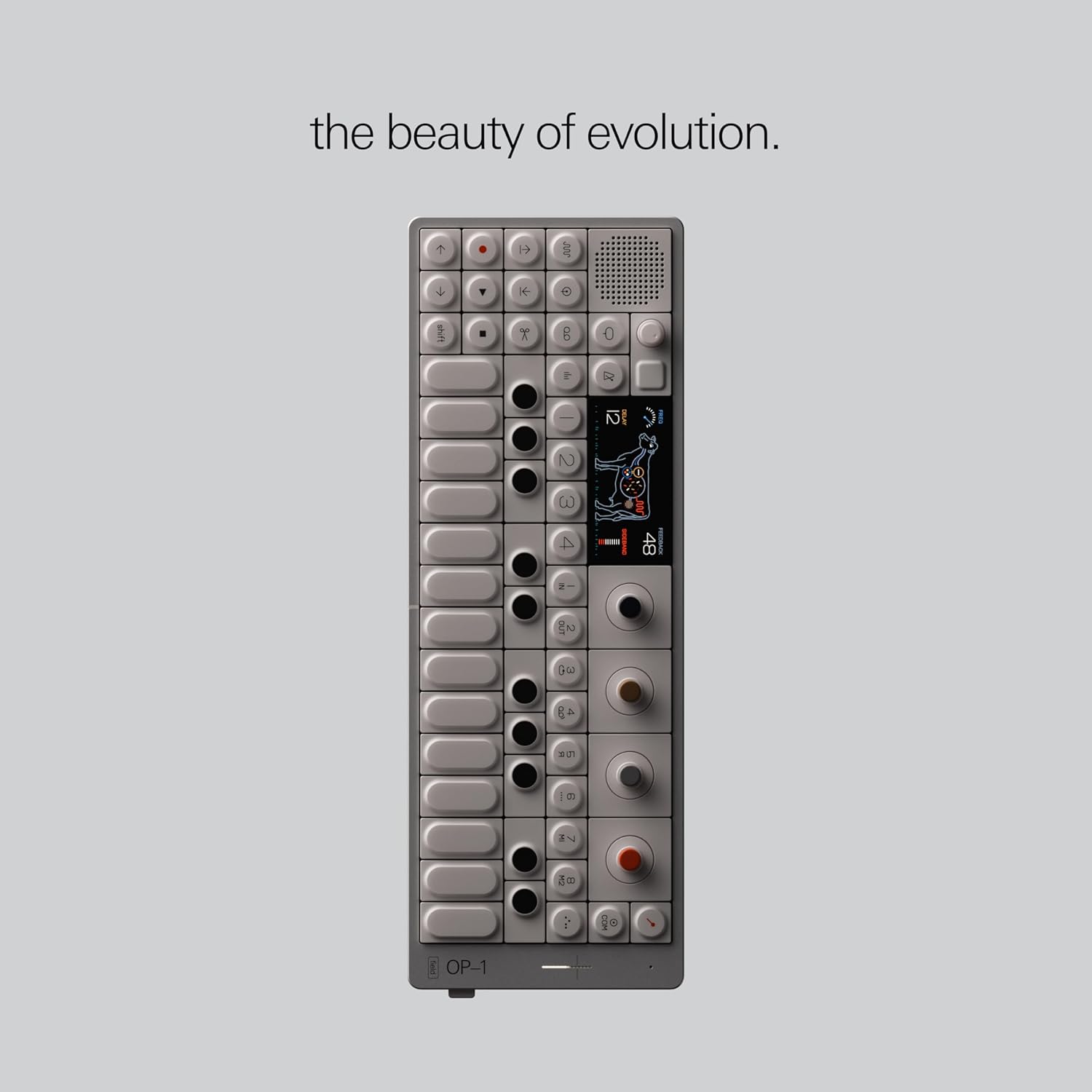
The OP-1 Field is a super cool, all-in-one music maker you can take anywhere. It's small, strong, and sounds amazing. You can play music, record sounds, and mix it all together right on the device. It has a bright screen, loud speakers, and even velcro on the back to add fun stuff. You can connect it to your phone or computer, and it works great with other music gear too. Whether you're at home or outside, it's ready to help you create awesome music.
| Spec | Akai MPC One+ | Teenage Engineering OP-1 Field |
|---|---|---|
| Manufacturer | Akai Professional | Teenage Engineering |
| Year Released | 2023 | 2022 |
| Polyphony | 128 | 8 |
| Sample Rate | 44.1kHz | 44.1kHz |
| Storage | Internal SSD | Internal storage |
| Pads | 16 velocity-sensitive RGB pads | No pads, uses buttons |
| Sequencer | Yes | Yes |
| Effects | EQ, Reverb, Delay, Compression | Multiple effects |
| I/O | MIDI In/Out, USB, Audio In/Out | USB Audio, MIDI |
| Screen | 7-inch multi-touch display | OLED display |
| Software Integration | MPC Software | No |
| Build | Standalone | Portable synth/sampler/sequencer |
| Price | $750 | $1999 |
| More about | Details | Details |
Buy the Akai MPC One+ on Amazon.com
Buy Now On AmazonBuy the Teenage Engineering OP-1 Field on Amazon.com
Buy Now On AmazonAkai MPC One+ vs. Teenage Engineering OP-1 Field: A Detailed Comparison
Summary: In this blog post, we will explore the Akai MPC One+ and the Teenage Engineering OP-1 Field. Both are powerful music-making devices, but they serve different needs. We’ll look at their features, pros and cons, and help you decide which might be the best fit for you.
Introduction
Hello, music enthusiasts! If you’re diving into the world of music production, you might have heard about two popular devices: the Akai MPC One+ and the Teenage Engineering OP-1 Field. Both are fantastic tools for creating music, but they have different strengths and weaknesses. In this blog post, we’ll compare these two samplers to help you choose the right one for your needs.
Features Comparison
Let’s start by looking at what makes each of these devices unique.
Build and Design
The Akai MPC One+ is a standalone music production center. It has a sturdy build with 16 velocity-sensitive RGB pads that make it easy to create beats. It also features a large 7-inch multi-touch display for a more intuitive user experience. On the other hand, the Teenage Engineering OP-1 Field is a portable synth, sampler, and sequencer with a distinctive design. It doesn’t have pads like the MPC One+, but it uses buttons and an OLED display. Its compact size makes it perfect for making music on the go.
Sound and Performance
When it comes to polyphony, the Akai MPC One+ offers 128 voices, allowing for more complex compositions. It has a sample rate of 44.1kHz, matching the OP-1 Field in this regard. The OP-1 Field, however, provides only 8 voices of polyphony, which might be limiting for some users but could be sufficient for others focusing on simplicity and creativity.
Storage and Connectivity
The Akai MPC One+ comes with an internal SSD, providing ample storage for your projects and samples. It also includes robust connectivity options such as MIDI In/Out, USB, and Audio In/Out. This makes it versatile for connecting with other gear. The OP-1 Field also has internal storage and features USB Audio and MIDI for connectivity. While it may not offer the same level of connectivity as the MPC One+, its simplicity is part of its charm.
Effects and Software Integration
Both devices come with a variety of effects. The MPC One+ includes EQ, Reverb, Delay, and Compression, and integrates with MPC Software, offering a seamless workflow between hardware and software. The OP-1 Field, on the other hand, boasts multiple effects that cater to creative sound design, but it does not integrate with external software. This highlights the OP-1 Field’s focus on being a self-contained music-making tool.
Pros and Cons
Now, let’s weigh the strengths and weaknesses of each device.
Akai MPC One+
Pros:
- High polyphony with 128 voices
- Large multi-touch display for intuitive control
- Extensive connectivity options
- Integrates with MPC Software for expanded capabilities
- Affordable price compared to OP-1 Field
Cons:
- Larger and less portable than the OP-1 Field
- May be overwhelming for beginners due to its extensive features
Teenage Engineering OP-1 Field
Pros:
- Highly portable and easy to carry
- Unique design and workflow
- Self-contained with no need for additional software
- Ideal for creativity and experimentation
Cons:
- Limited polyphony with only 8 voices
- Higher price point
- Less connectivity compared to the MPC One+
Final Verdict
In summary, both the Akai MPC One+ and the Teenage Engineering OP-1 Field are excellent tools for music production, but they cater to different needs.
The Akai MPC One+ is perfect for those who need a powerful standalone production center with extensive features and connectivity. It’s great for studio use and those who want to integrate software into their workflow.
On the other hand, the Teenage Engineering OP-1 Field is ideal for musicians who value portability and creativity. Its unique design and self-contained nature make it a favorite among those who love making music on the go.
Ultimately, the choice depends on what you’re looking for in a music-making device. Consider your needs, budget, and workflow preferences to make the best decision. Happy music-making!