Akai MPC One — VS — Akai MPC X
Akai MPC One
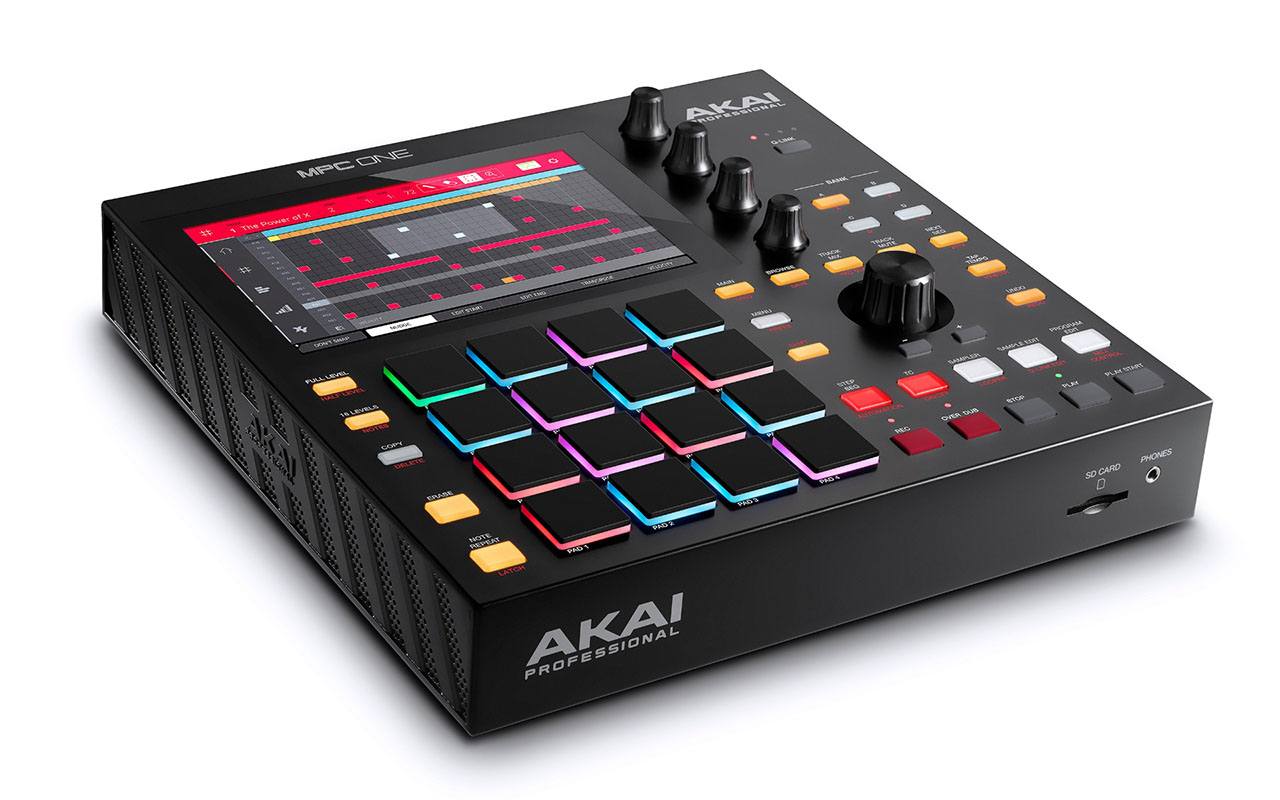
The MPC One is a powerful music-making machine that works all by itself—no computer needed. It has 16 colorful pads, a big touchscreen, and easy-to-use knobs to help you make beats, melodies, and more. You can plug in your other gear, record sounds, and even edit your music right on the screen. It's fast, fun, and built to grow with you as your music skills get better.
Akai MPC X
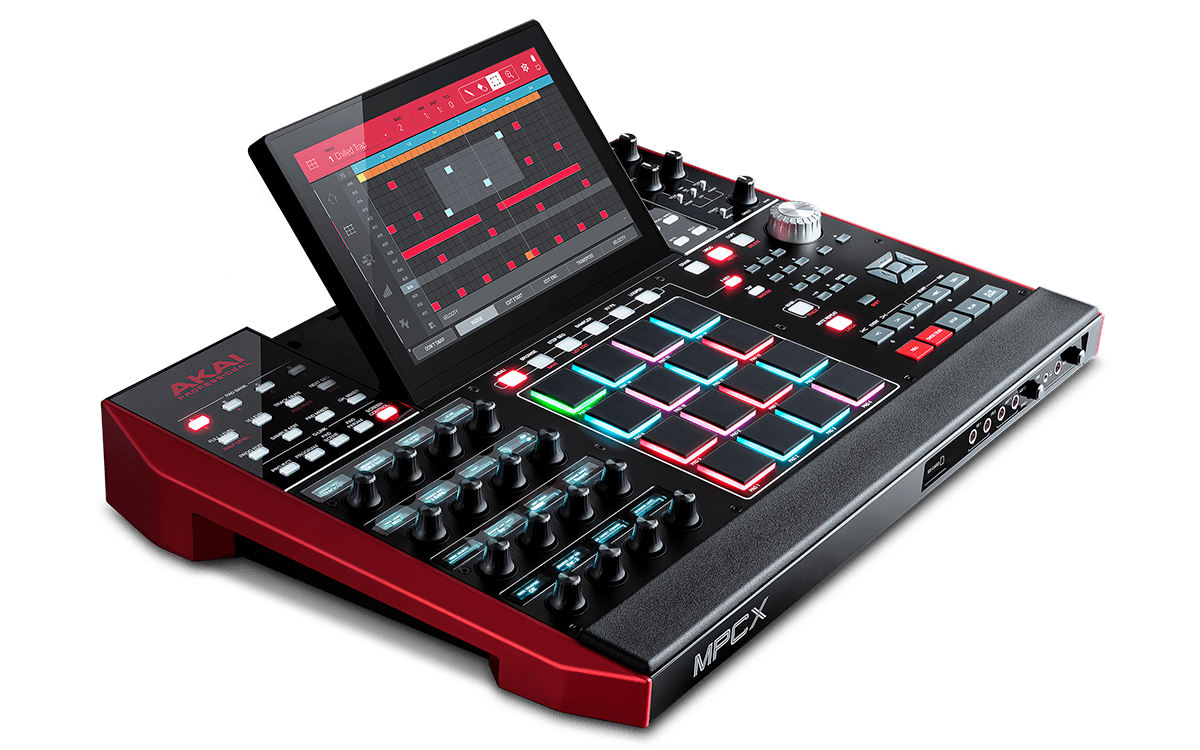
The MPC X is a powerful music-making machine that works with or without a computer. It has a big touchscreen, colorful pads, and tons of sounds built in. You can plug in microphones, turntables, and instruments, or add even more music with USB drives and SD cards. It's great for making beats, recording songs, and controlling other music gear. The MPC X is made for serious creators who want everything in one place.
| Spec | Akai MPC One | Akai MPC X |
|---|---|---|
| Manufacturer | Akai Professional | Akai Professional |
| Year Released | 2020 | 2017 |
| Polyphony | 128 | 128 |
| Sample Rate | 44.1kHz | 44.1kHz |
| Storage | Internal SSD | Internal SSD |
| Pads | 16 velocity-sensitive RGB pads | 16 velocity-sensitive RGB pads |
| Sequencer | Yes | Yes |
| Effects | EQ, Reverb, Delay, Compression | EQ, Reverb, Delay, Compression |
| I/O | MIDI In/Out, USB, Audio In/Out | MIDI In/Out, USB, Audio In/Out |
| Screen | 7-inch multi-touch display | 10.1-inch multi-touch display |
| Software Integration | MPC Software | MPC Software |
| Build | Standalone | Standalone |
| Price | $700 | $2500 |
| More about | Details | Details |
Buy the Akai MPC One on Amazon.com
Buy Now On AmazonBuy the Akai MPC X on Amazon.com
Buy Now On AmazonAkai MPC One vs. Akai MPC X: Which One is Right for You?
Summary: In this blog post, we dive into the details of two popular samplers from Akai Professional: the Akai MPC One and the Akai MPC X. We’ll explore their features, pros and cons, and help you decide which one is better suited for your music production needs.
Introduction
If you’re a music enthusiast or a budding producer, you’re probably familiar with the term “MPC.” The MPC, or Music Production Controller, has been a staple in the music industry for decades, renowned for its ability to help artists create beats and produce music with ease. Two of the most notable models from Akai Professional are the Akai MPC One and the Akai MPC X. Both devices are powerful tools that can take your music production to the next level, but they cater to different needs and budgets. Let’s explore what makes each of these samplers unique and help you decide which one is the perfect fit for you.
Overview of the Akai MPC One
The Akai MPC One is a compact, standalone music production controller released in 2020. It’s designed for producers who want a powerful tool without breaking the bank. With 128-note polyphony, a sample rate of 44.1kHz, and an internal SSD for storage, it offers a solid foundation for music creation. The device features 16 velocity-sensitive RGB pads, a 7-inch multi-touch display, and all the essential ports like MIDI In/Out, USB, and Audio In/Out. It also comes with built-in effects such as EQ, Reverb, Delay, and Compression, and integrates seamlessly with MPC Software.
Overview of the Akai MPC X
The Akai MPC X, on the other hand, is Akai’s flagship model, released in 2017. It’s designed for professional producers who demand the best in terms of features and performance. Like the MPC One, it boasts 128-note polyphony, a sample rate of 44.1kHz, and an internal SSD. However, it stands out with a larger 10.1-inch multi-touch display and additional professional features. The MPC X also includes 16 velocity-sensitive RGB pads, a full array of I/O options, and the same set of effects as the MPC One.
Feature Comparisons
Screen and Display
One of the most noticeable differences between the two models is the size of the display. The MPC One features a 7-inch multi-touch display, which is great for navigating through menus and making quick adjustments. However, if you prefer a larger workspace, the MPC X offers a 10.1-inch multi-touch display, providing a more immersive experience and more room to work with.
Pads and Controls
Both samplers feature 16 velocity-sensitive RGB pads that are responsive and allow for expressive playing. The pads are identical in both models, offering the same level of control and sensitivity. However, the MPC X, being a flagship model, includes more physical controls and buttons, which can speed up your workflow by allowing you to access functions without diving into menus.
Storage and Connectivity
In terms of storage, both the MPC One and MPC X come with an internal SSD, giving you ample space to store your samples and projects. Connectivity options are also similar, with both models offering MIDI In/Out, USB, and Audio In/Out. These connections allow you to integrate external devices and expand your setup as needed.
Software Integration
Both devices are designed to work seamlessly with MPC Software, allowing you to integrate your hardware with your computer-based DAW. This integration provides a hybrid approach to music production, combining the tactile control of hardware with the flexibility of software.
Pros and Cons
Akai MPC One
Pros:
- Compact and portable, ideal for on-the-go production.
- Affordable price point at $700, making it accessible to beginners.
- Full production capabilities in a standalone unit.
Cons:
- Smaller 7-inch display may feel cramped for some users.
- Fewer physical controls compared to the MPC X.
Akai MPC X
Pros:
- Large 10.1-inch display offers more space for editing and navigation.
- Extensive physical controls provide quick access to functions.
- Designed for professional use with advanced features.
Cons:
- High price tag of $2500 may be prohibitive for some users.
- Larger and heavier, making it less portable.
Final Verdict
The Akai MPC One and Akai MPC X are both powerful music production tools, but they cater to different audiences. If you’re a beginner or on a budget, the MPC One offers excellent value for money with its compact design and full production capabilities. It’s perfect for those who want a portable solution without sacrificing power.
On the other hand, if you’re a professional producer looking for the best features and don’t mind investing more, the MPC X is the way to go. Its larger display, extensive controls, and professional features make it ideal for those who need a robust tool for serious music production.
In conclusion, choosing between the MPC One and MPC X depends on your budget, experience level, and production needs. Whether you’re starting your music production journey or looking to upgrade your setup, both of these Akai samplers have something unique to offer.