Akai MPC One — VS — Akai MPC1000
Akai MPC One
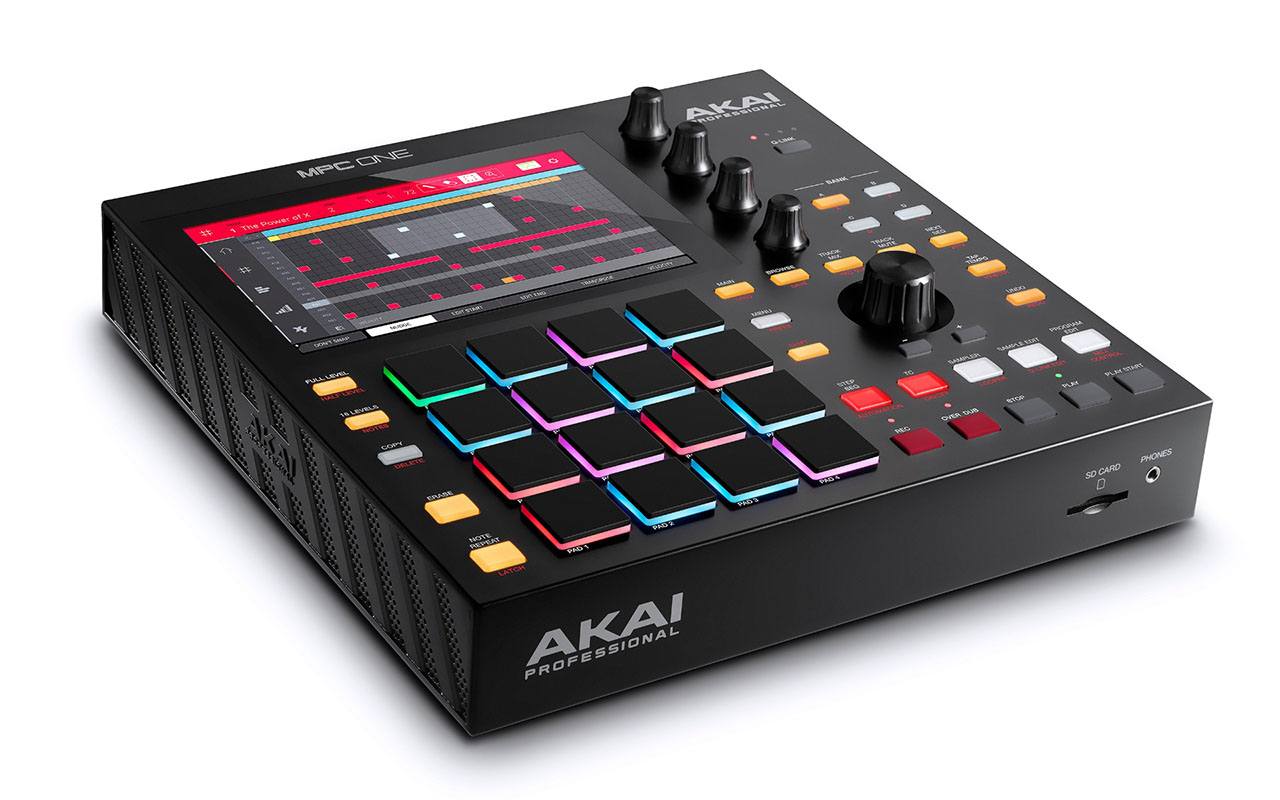
The MPC One is a powerful music-making machine that works all by itself—no computer needed. It has 16 colorful pads, a big touchscreen, and easy-to-use knobs to help you make beats, melodies, and more. You can plug in your other gear, record sounds, and even edit your music right on the screen. It's fast, fun, and built to grow with you as your music skills get better.
Akai MPC1000
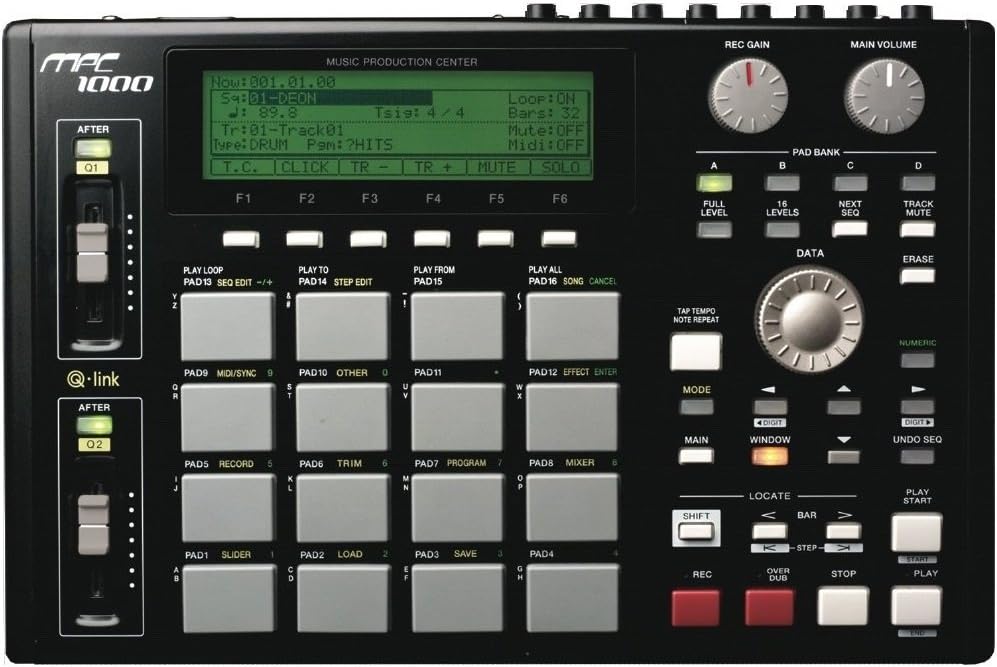
The Akai MPC1000 packs powerful music-making tools into a small, affordable machine. It features 32-voice stereo sampling, a 64-track sequencer, and 16 responsive pads for real-time playing and recording. With 16MB of built-in memory (expandable to 128MB) and the ability to save projects on a Compact Flash card, it’s easy to keep your sounds handy. Plus, you can connect it to a computer via USB to drag and drop your work quickly. Compact and rugged, the MPC1000 is perfect for producers on the go.
| Spec | Akai MPC One | Akai MPC1000 |
|---|---|---|
| Manufacturer | Akai Professional | Akai Professional |
| Year Released | 2020 | 2003 |
| Polyphony | 128 | 64 |
| Sample Rate | 44.1kHz | 44.1kHz |
| Storage | Internal SSD | CompactFlash |
| Pads | 16 velocity-sensitive RGB pads | 16 velocity-sensitive pads |
| Sequencer | Yes | Yes |
| Effects | EQ, Reverb, Delay, Compression | EQ, Compression, Reverb |
| I/O | MIDI In/Out, USB, Audio In/Out | MIDI In/Out, Audio In/Out |
| Screen | 7-inch multi-touch display | LCD |
| Software Integration | MPC Software | MPC Software |
| Build | Standalone | Standalone |
| Price | $700 | $700 used |
| More about | Details | Details |
Buy the Akai MPC One on Amazon.com
Buy Now On AmazonA Quick Summary
In this blog post, we’ll explore the differences between two popular music production centers: the Akai MPC One and the Akai MPC1000. Both are powerful tools for musicians and producers, but they have different features and are suited for different types of users. Let’s dive into the details!
Introduction
Music production centers, or MPCs for short, have been a staple in the music industry for decades. These incredible machines allow producers to create, sample, and sequence music all in one place. Today, we’ll be comparing two famous MPCs: the Akai MPC One and the Akai MPC1000. Whether you’re a seasoned producer or a curious beginner, understanding the differences between these two devices will help you make an informed choice for your music-making journey.
Akai MPC One vs. Akai MPC1000: The Battle of the Beat Makers
A Look at the Basics
The Akai MPC One and the Akai MPC1000 are both standalone music production centers, meaning they don’t require a computer to create beats and music. However, they come from different generations, with the MPC One being released in 2020 and the MPC1000 all the way back in 2003. Despite the years between them, both have held their ground as beloved tools for music producers.
Pads and Polyphony
One of the first things you’ll notice about an MPC is its pads. Both models have 16 velocity-sensitive pads, which means the harder you hit them, the louder the sound. The MPC One’s pads are RGB, meaning they light up in different colors, which can help you keep track of different sounds and samples. The MPC1000’s pads are not RGB, but they are still highly responsive and beloved by many.
When it comes to polyphony, which is the number of notes the machine can play at once, the MPC One has a clear advantage with 128 notes compared to the MPC1000’s 64 notes. This means the MPC One can handle more complex compositions and layering of sounds.
Display and User Interface
The display is another significant difference. The MPC One boasts a 7-inch multi-touch display, making it easy to navigate through menus, edit samples, and sequence your tracks with just a tap or swipe. This touch interface is a big step up in terms of ease of use and modern functionality.
On the other hand, the MPC1000 features a classic LCD screen. While not as flashy or intuitive as the touch screen on the MPC One, many users appreciate its straightforward and reliable nature. The MPC1000’s interface might require a bit more button pressing and scrolling, but many find it a rewarding experience once mastered.
Storage Solutions
When it comes to storage, the MPC One uses an internal SSD, which is fast and allows for ample storage of samples and projects. This means you can work on larger projects without worrying about running out of space.
The MPC1000 relies on CompactFlash cards for storage. While CompactFlash is a bit dated by today’s standards, it was a solid choice for its time and allows for easy swapping of storage cards. However, finding these cards can be tricky, and they don’t offer as much storage capacity as modern SSDs.
Effects and Sound Shaping
Both MPCs come equipped with a range of effects to shape your sound. The MPC One offers EQ, Reverb, Delay, and Compression, giving you a full suite of tools to polish your tracks. The MPC1000 provides EQ, Compression, and Reverb, which are great for its time and still very usable today.
Connectivity and Integration
In terms of connectivity, both models offer MIDI In/Out and Audio In/Out. The MPC One also includes USB connectivity, which adds an extra layer of flexibility for connecting to other devices and transferring files.
When it comes to software integration, both the MPC One and MPC1000 can integrate with MPC Software, allowing you to work seamlessly with your computer if you choose. This integration can be particularly useful for those who like to combine the tactile feel of an MPC with the additional processing power of a computer.
Pros and Cons
Akai MPC One
Pros:
- Modern 7-inch multi-touch display for easy navigation
- RGB pads for better visual feedback
- High polyphony of 128 notes for complex compositions
- Internal SSD for fast and ample storage
- Great connectivity with USB, MIDI In/Out, and Audio In/Out
Cons:
- Higher price point for new units
- Some users might prefer the classic feel of older MPCs
Akai MPC1000
Pros:
- Classic and reliable design
- Solid range of effects for its time
- Still favored by many producers for its unique sound and feel
- More affordable on the used market
Cons:
- Older technology with a non-touch LCD screen
- Limited polyphony of 64 notes
- CompactFlash storage can be limiting and hard to find
Final Verdict: Who Are These Samplers Best For?
The Akai MPC One is best suited for modern producers who want a powerful, all-in-one music production center with a user-friendly interface and plenty of storage. Its modern features and connectivity options make it a top choice for those who want to push the boundaries of their creativity.
The Akai MPC1000 is perfect for those who appreciate a classic piece of gear with a proven track record. It’s an excellent choice for producers who want to capture the iconic MPC sound and feel without breaking the bank.
In conclusion, both the Akai MPC One and MPC1000 have their unique strengths and cater to different needs. Whether you value the latest technology or the charm of a classic device, you can’t go wrong with either of these legendary music production centers. Happy music-making!