Akai MPC One — VS — Akai MPC2500
Akai MPC One
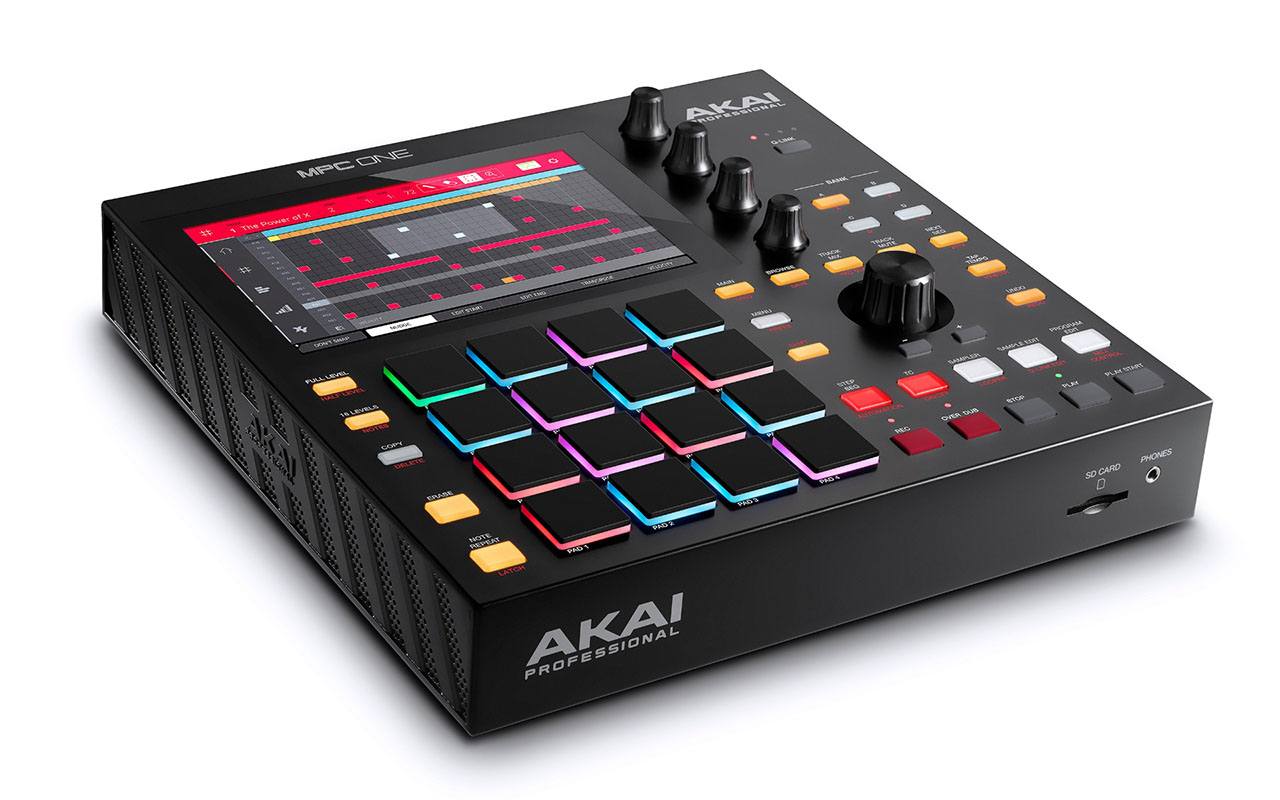
The MPC One is a powerful music-making machine that works all by itself—no computer needed. It has 16 colorful pads, a big touchscreen, and easy-to-use knobs to help you make beats, melodies, and more. You can plug in your other gear, record sounds, and even edit your music right on the screen. It's fast, fun, and built to grow with you as your music skills get better.
Akai MPC2500
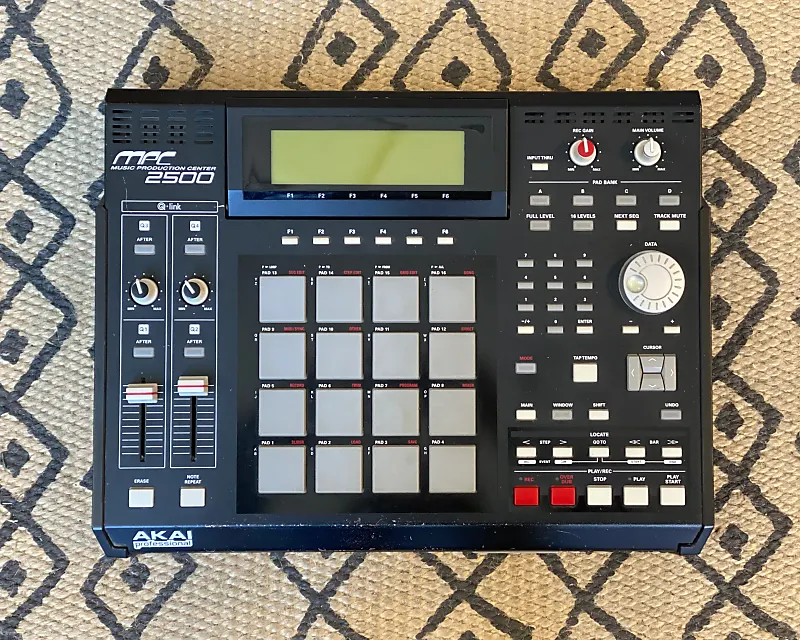
The Akai MPC2500 is a trusted tool for making beats and producing music, used by pros and performers alike. It has 16 classic pads, powerful sampling and editing features, and up to 128MB of memory for loading sounds. You get a 64-track sequencer, built-in effects, and real-time controls to shape your music as you play. With multiple outputs and easy file storage using CF cards or an optional hard drive, the MPC2500 gives you everything you need to create, perform, and finish your tracks—all in one solid machine.
| Spec | Akai MPC One | Akai MPC2500 |
|---|---|---|
| Manufacturer | Akai Professional | Akai Professional |
| Year Released | 2020 | 2005 |
| Polyphony | 128 | 64 |
| Sample Rate | 44.1kHz | 44.1kHz |
| Storage | Internal SSD | CompactFlash, ZIP Drive |
| Pads | 16 velocity-sensitive RGB pads | 16 velocity-sensitive pads |
| Sequencer | Yes | Yes |
| Effects | EQ, Reverb, Delay, Compression | EQ, Compression, Reverb, Delay |
| I/O | MIDI In/Out, USB, Audio In/Out | MIDI In/Out, Audio In/Out |
| Screen | 7-inch multi-touch display | LCD |
| Software Integration | MPC Software | MPC Software |
| Build | Standalone | Standalone |
| Price | $700 | $800 used |
| More about | Details | Details |
Buy the Akai MPC One on Amazon.com
Buy Now On AmazonComparing the Akai MPC One and the Akai MPC2500: A Battle of Beats
Summary
In the world of music production, two powerful samplers stand out: the Akai MPC One and the Akai MPC2500. While the MPC One is a modern marvel with its colorful touchscreen and high polyphony, the MPC2500 is a classic that has stood the test of time with its robust build and reliable performance. This blog will take you on a journey through their features, pros, and cons, helping you decide which sampler is your perfect match.
Introduction
Music producers and beatmakers often find themselves at a crossroads when choosing the right gear for their creative needs. Two iconic devices from Akai Professional, the Akai MPC One and the Akai MPC2500, have captured the hearts of many. While both are standalone samplers with impressive capabilities, they cater to slightly different audiences. Whether you’re a beginner or a seasoned pro, this comparison will help you understand which MPC might be the best fit for you.
Features Face-Off
Year of Release and Design
The Akai MPC One was launched in 2020, making it a modern contender in the music production world. With its sleek design and compact size, it’s perfect for producers who need something portable yet powerful. In contrast, the Akai MPC2500, released in 2005, boasts a more traditional look. Its robust build makes it a favorite among those who prefer the classic feel of older devices.
Polyphony and Sound Quality
When it comes to polyphony, the MPC One takes the lead with 128 voices, allowing for more complex and layered sounds. The MPC2500, on the other hand, offers 64 voices, which might seem limited by today’s standards but still provides ample room for creativity. Both devices have a sample rate of 44.1kHz, ensuring high-quality sound production.
Storage Options
The storage capabilities of these devices set them apart significantly. The Akai MPC One comes with an internal SSD, making it convenient for storing and accessing samples quickly. In contrast, the Akai MPC2500 relies on CompactFlash and a ZIP Drive, which may seem outdated but offers a nostalgic nod to the past.
Pads and Sequencers
Both samplers feature 16 velocity-sensitive pads, but the MPC One ups the game with RGB lighting, which provides visual feedback and customization options. The sequencers in both devices are top-notch, allowing for intricate beat creation and arrangement. However, the MPC One’s modern interface might offer a smoother experience for some users.
Effects and Connectivity
In terms of effects, both samplers offer EQ, Reverb, Delay, and Compression. The Akai MPC One includes additional advanced effects, thanks to its integration with the MPC Software. Connectivity options are similar, with both devices featuring MIDI In/Out and Audio In/Out. The MPC One, however, also includes USB connectivity, making it easier to integrate with modern setups.
Screen and Software Integration
The screen is a major differentiator between these two devices. The MPC One boasts a 7-inch multi-touch display, which allows for intuitive navigation and control. The MPC2500, being older, comes with a basic LCD screen. Both devices integrate with MPC Software, but the MPC One’s touchscreen enhances the software experience.
Pros and Cons
Akai MPC One
Pros:
- Modern design with a multi-touch display
- High polyphony of 128 voices
- Internal SSD for easy storage
- RGB pads for visual feedback
- Powerful software integration
Cons:
- Might be expensive for beginners
- Requires adjustment for those used to traditional interfaces
Akai MPC2500
Pros:
- Classic design with a robust build
- Reliable performance with essential features
- Familiar interface for long-time users
- Affordable in the used market
Cons:
- Limited polyphony compared to modern devices
- Outdated storage options
Final Verdict
Choosing between the Akai MPC One and the Akai MPC2500 depends largely on your needs and preferences. If you’re a modern producer looking for cutting-edge technology, the MPC One is ideal with its touchscreen and advanced features. On the other hand, if you appreciate classic gear and don’t mind a bit of nostalgia, the MPC2500 remains a solid choice. Both devices offer unique experiences and are sure to inspire creativity in different ways.