Akai MPC One — VS — Akai MPC5000
Akai MPC One
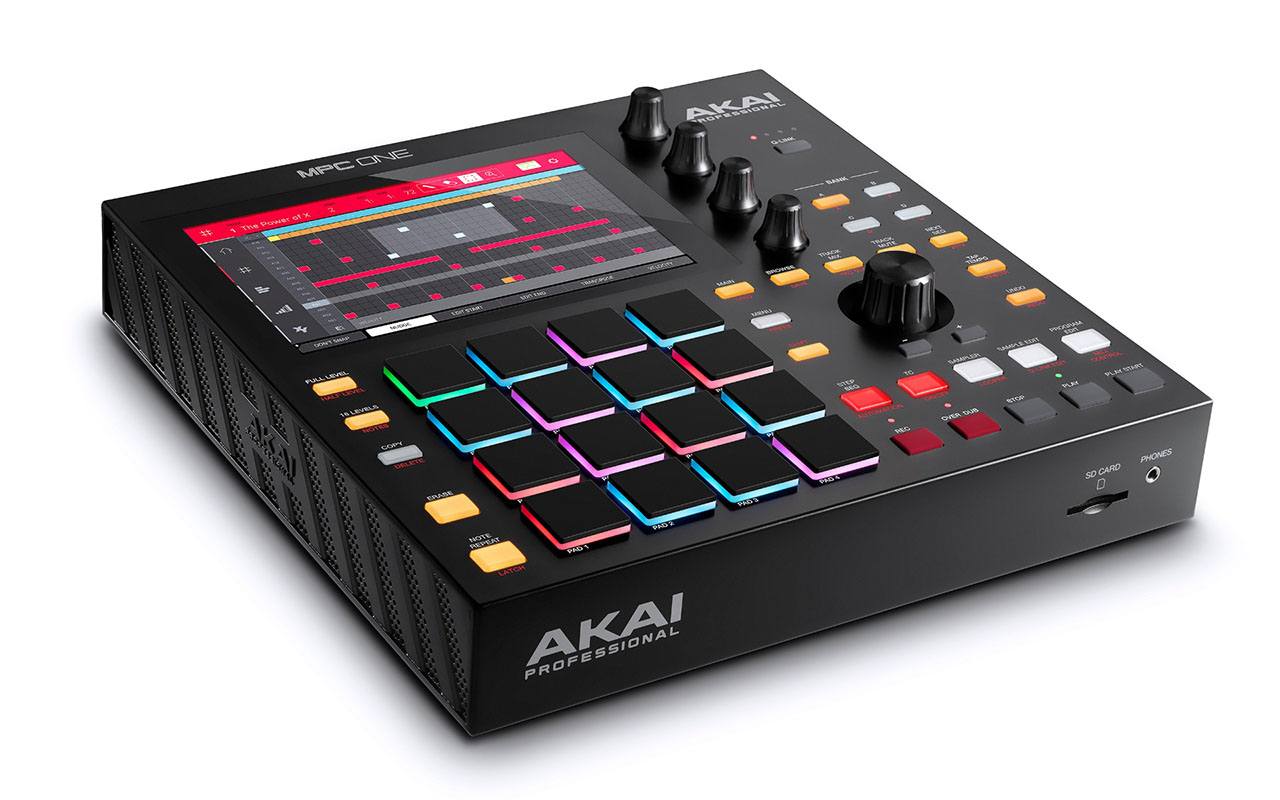
The MPC One is a powerful music-making machine that works all by itself—no computer needed. It has 16 colorful pads, a big touchscreen, and easy-to-use knobs to help you make beats, melodies, and more. You can plug in your other gear, record sounds, and even edit your music right on the screen. It's fast, fun, and built to grow with you as your music skills get better.
Akai MPC5000
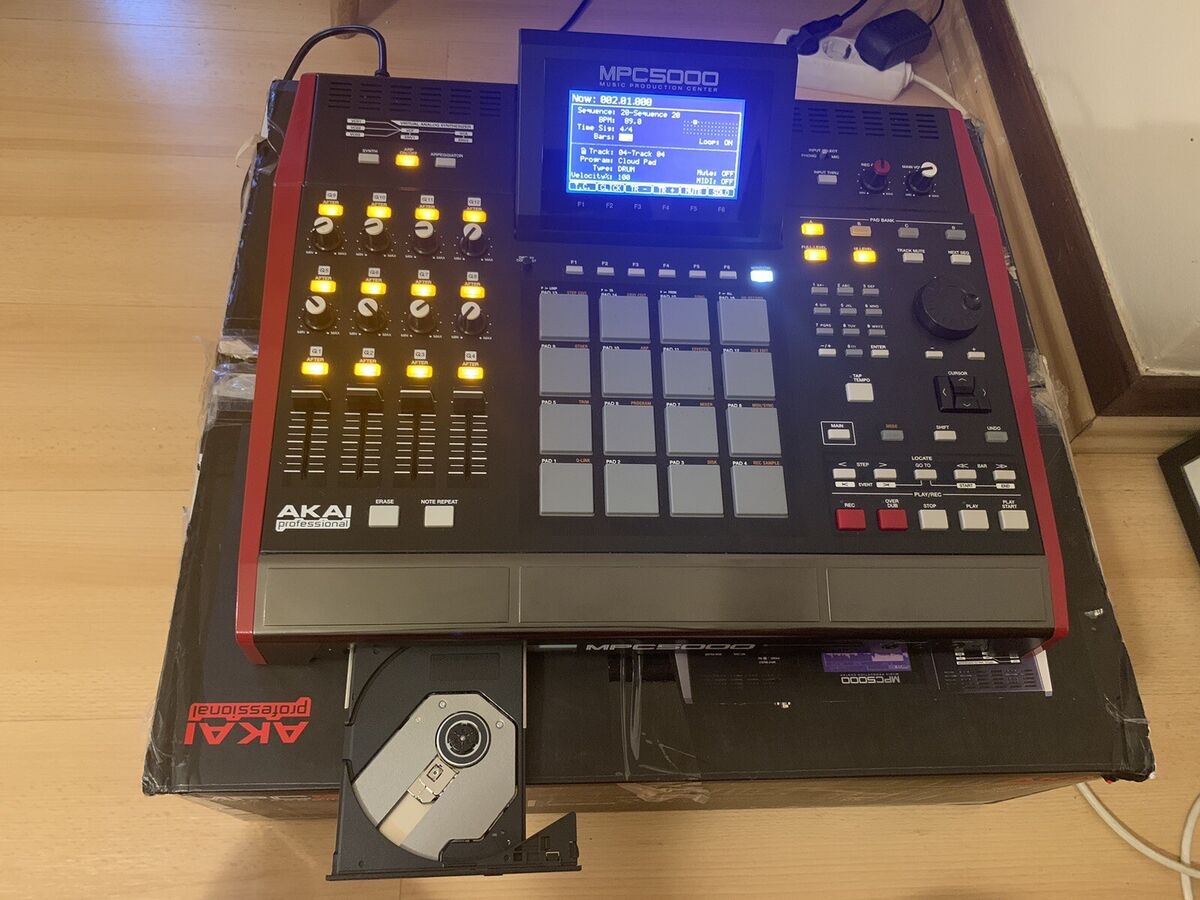
High-end MPC with expanded sampling and advanced effects.
| Spec | Akai MPC One | Akai MPC5000 |
|---|---|---|
| Manufacturer | Akai Professional | Akai Professional |
| Year Released | 2020 | 2006 |
| Polyphony | 128 | 128 |
| Sample Rate | 44.1kHz | 44.1kHz |
| Storage | Internal SSD | Internal Hard Drive, CompactFlash |
| Pads | 16 velocity-sensitive RGB pads | 16 velocity-sensitive pads |
| Sequencer | Yes | Yes |
| Effects | EQ, Reverb, Delay, Compression | EQ, Compression, Reverb, Delay, Filtering |
| I/O | MIDI In/Out, USB, Audio In/Out | MIDI In/Out, Audio In/Out |
| Screen | 7-inch multi-touch display | Color LCD |
| Software Integration | MPC Software | MPC Software |
| Build | Standalone | Standalone |
| Price | $700 | $1200 used |
| More about | Details | Details |
Buy the Akai MPC One on Amazon.com
Buy Now On AmazonAkai MPC One vs. Akai MPC5000: Which Sampler Suits Your Needs?
Summary:
Choosing the right sampler can be a tough decision for music producers. Today, we compare two popular models from Akai Professional: the modern Akai MPC One and the classic Akai MPC5000. Each has its unique features, strengths, and weaknesses. Let’s dive into the details to help you decide which one fits your style and needs best.
Introduction
If you’re into music production, you’ve probably heard of the Akai MPC series. These powerful samplers and sequencers have been a staple in the industry for decades. But with so many models out there, how do you choose the right one? Today, we’re comparing two standout models: the Akai MPC One, a modern marvel from 2020, and the Akai MPC5000, a beloved classic from 2006. Whether you’re a beginner or a seasoned pro, this guide will help you understand what each device offers.
The Akai MPC One
Overview
The Akai MPC One is a compact, standalone sampler that packs a punch. Released in 2020, it’s designed for producers who want a full production suite in a small package. It’s modern, sleek, and brimming with features that make music production a breeze.
Features
The MPC One boasts 128-voice polyphony, which means you can play 128 notes at the same time without losing any sound quality. The sample rate of 44.1kHz ensures crisp audio playback. It comes with an internal SSD for storage, so you have plenty of space to save your beats and samples.
One of the standout features is its 16 velocity-sensitive RGB pads. These pads not only respond to how hard you hit them but also light up, making it easier to stay organized during live performances. The built-in sequencer, along with EQ, Reverb, Delay, and Compression effects, allows you to craft your sound just the way you like it.
The MPC One also features a 7-inch multi-touch display. This screen is a game-changer, as it lets you interact with your music in a tactile way. Plus, with MIDI In/Out, USB, and Audio In/Out, you can connect a variety of devices. Software integration with MPC Software ensures you have all the tools you need for seamless production.
Pros
- Compact Design: Easy to transport and set up anywhere.
- Modern Features: RGB pads and a multi-touch screen enhance creativity.
- Affordable Price: At $700, it’s a great value for the features it offers.
Cons
- Smaller Screen: While functional, it might be a bit small for some users.
- Limited I/O Options: Compared to larger models, it has fewer connectivity options.
The Akai MPC5000
Overview
The Akai MPC5000 was a flagship model back in 2006. Known for its robust build and advanced features, it quickly became a favorite among professional producers. Despite its age, it still holds its ground as a powerful tool for music creation.
Features
Like the MPC One, the MPC5000 offers 128-voice polyphony and a sample rate of 44.1kHz. However, it uses an internal hard drive and CompactFlash for storage, which was state-of-the-art at the time of its release.
The MPC5000 is equipped with 16 velocity-sensitive pads, just like its modern counterpart, but without the RGB lighting. It includes advanced effects such as Filtering, alongside EQ, Compression, Reverb, and Delay. These effects allow for intricate sound shaping.
Its color LCD screen, while not as interactive as a touch display, provides clear and detailed visuals of your project. The connectivity options are solid, with MIDI In/Out and Audio In/Out. Software integration with MPC Software ensures it remains relevant in today’s digital production landscape.
Pros
- Robust Build: Durable and built to last, ideal for heavy use.
- Advanced Features: Offers complex effects like Filtering.
- Legacy Appeal: A classic choice for those who love vintage gear.
Cons
- Bulkier Design: Not as portable as the MPC One.
- Older Technology: Lacks modern features like a touch screen and RGB pads.
- Higher Price: At $1200 used, it’s more expensive than some newer models.
Feature Comparisons
Build and Design
The MPC One is designed for portability and ease of use. Its compact size makes it perfect for producers on the go. The MPC5000, on the other hand, is more robust and durable, built for those who don’t mind a bit more heft in exchange for longevity.
User Interface
The MPC One’s multi-touch display is a standout feature, allowing for intuitive interaction. The MPC5000’s color LCD, while clear, doesn’t offer the same level of interactivity. This difference is important for users who prefer a more tactile experience.
Sound and Effects
Both samplers offer high-quality sound with 128-voice polyphony and a 44.1kHz sample rate. However, the MPC5000’s additional Filtering effect might appeal to producers looking for more advanced sound manipulation.
Connectivity
The MPC One offers modern connectivity options with USB and a range of I/O options, making it versatile for today’s digital setups. The MPC5000’s connectivity, while solid, is more traditional, which might limit its integration with newer gear.
Who Should Choose the MPC One?
The MPC One is perfect for those who want modern features in a compact package. It’s ideal for beginners and producers who need a portable solution without sacrificing power. Its affordable price and intuitive interface make it a great choice for anyone just starting in music production.
Who Should Choose the MPC5000?
The MPC5000 is for those who appreciate the durability and legacy of older gear. It’s suited for experienced producers who value advanced effects and don’t mind the older technology. If you’re a fan of vintage equipment or need a robust tool for heavy studio use, the MPC5000 is worth considering.
Conclusion
In the end, both the Akai MPC One and Akai MPC5000 have their unique strengths. The MPC One is a modern, affordable, and feature-packed option, while the MPC5000 offers durability, advanced features, and a classic appeal. Your choice depends on what you value most in a sampler. Whether you favor portability and modern features or robustness and vintage charm, Akai has something for you.