Akai MPC One — VS — Elektron Analog Rytm MKII
Akai MPC One
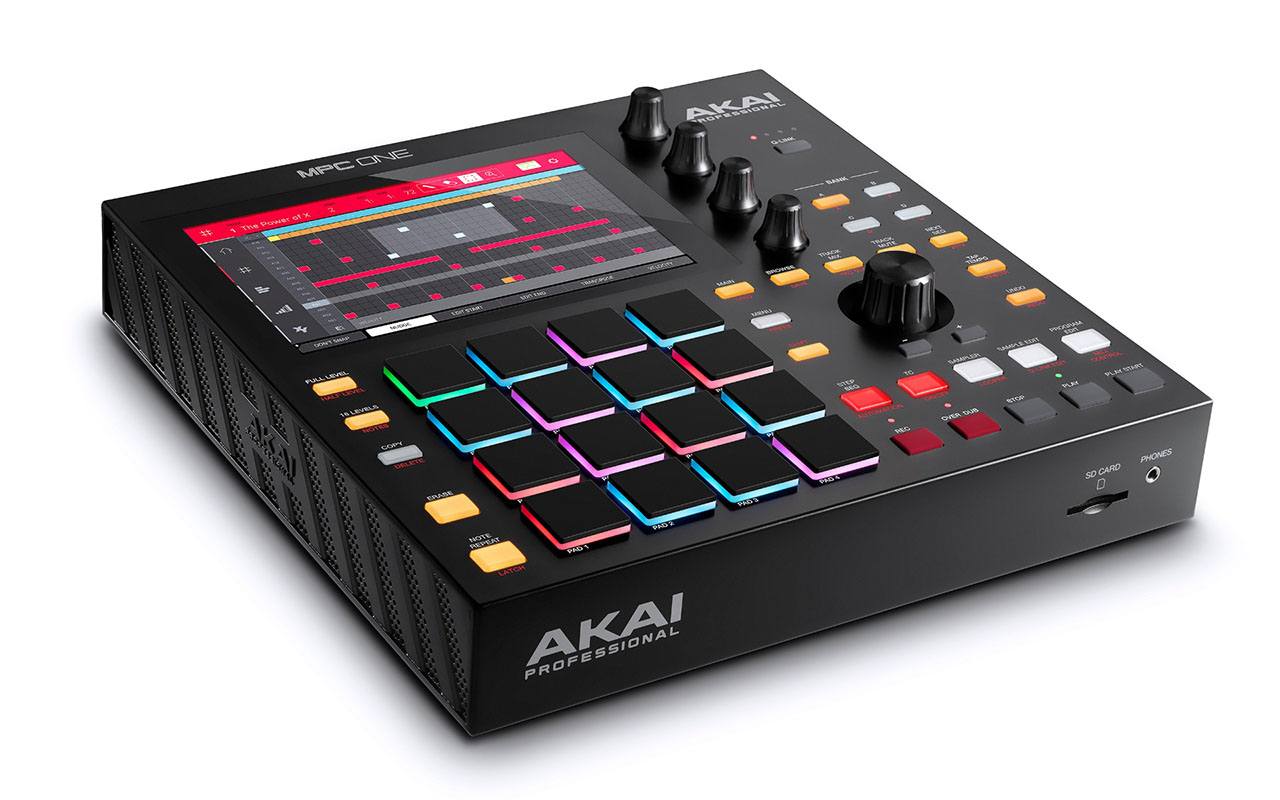
The MPC One is a powerful music-making machine that works all by itself—no computer needed. It has 16 colorful pads, a big touchscreen, and easy-to-use knobs to help you make beats, melodies, and more. You can plug in your other gear, record sounds, and even edit your music right on the screen. It's fast, fun, and built to grow with you as your music skills get better.
Elektron Analog Rytm MKII
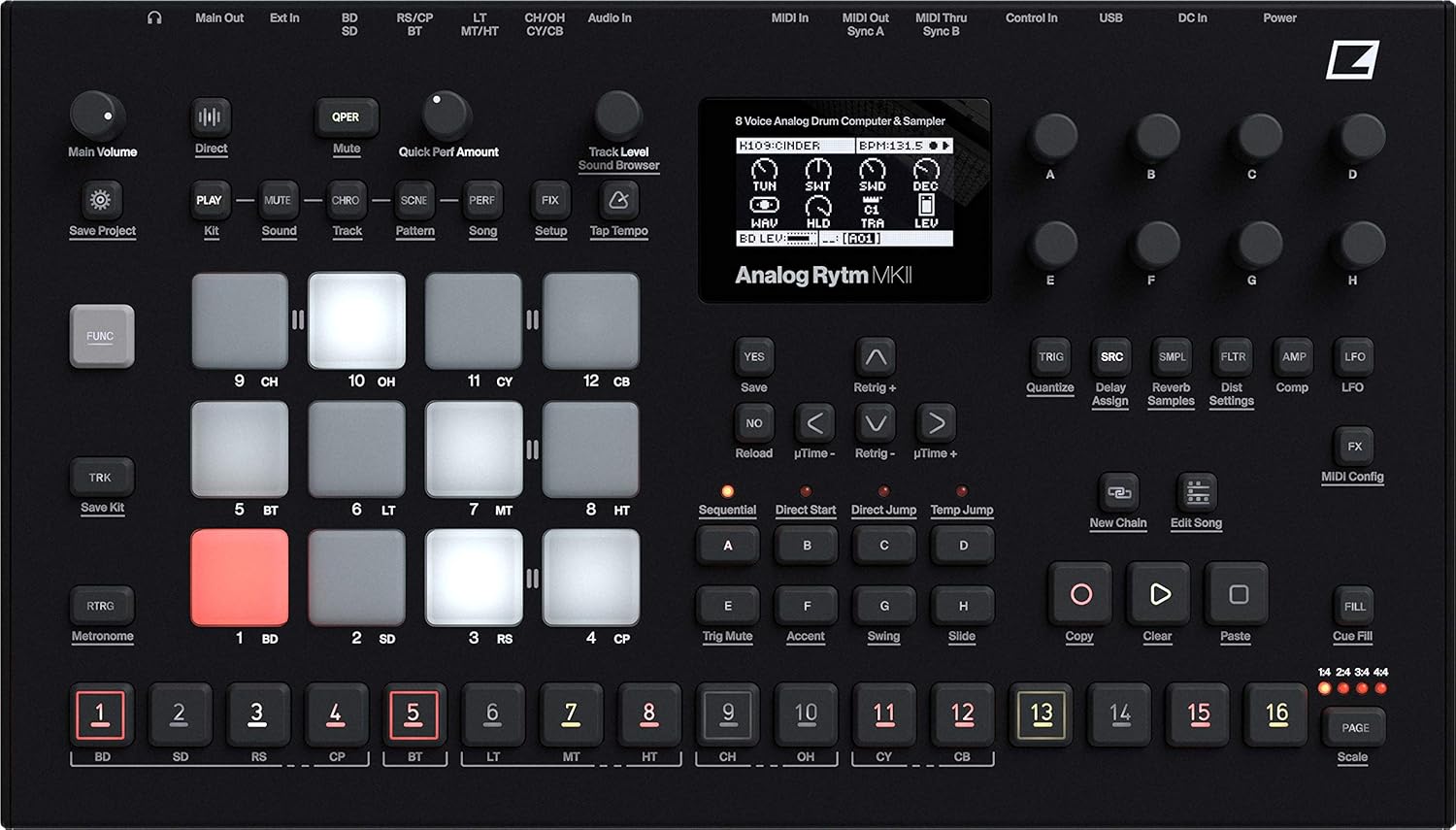
The Analog Rytm MKII is a powerful drum machine and sampler that helps you make awesome beats. It has 8 different drum sounds you can shape with real analog power and digital samples. You can tap on big, fun pads to play your sounds, or use the step sequencer to build cool rhythms. It lets you record sounds, change them up, and mix them however you like. Whether you're making music at home or performing on stage, this beat machine is ready to help you create something amazing.
| Spec | Akai MPC One | Elektron Analog Rytm MKII |
|---|---|---|
| Manufacturer | Akai Professional | Elektron |
| Year Released | 2020 | 2018 |
| Polyphony | 128 | 12 |
| Sample Rate | 44.1kHz | 48kHz |
| Storage | Internal SSD | SD card |
| Pads | 16 velocity-sensitive RGB pads | 8 velocity-sensitive pads |
| Sequencer | Yes | Yes |
| Effects | EQ, Reverb, Delay, Compression | Analog and digital effects |
| I/O | MIDI In/Out, USB, Audio In/Out | MIDI In/Out/Thru, USB, Audio In/Out |
| Screen | 7-inch multi-touch display | OLED display |
| Software Integration | MPC Software | Elektron Transfer |
| Build | Standalone | Desktop |
| Price | $700 | $2299 |
| More about | Details | Details |
Buy the Akai MPC One on Amazon.com
Buy Now On AmazonBuy the Elektron Analog Rytm MKII on Amazon.com
Buy Now On AmazonAkai MPC One vs. Elektron Analog Rytm MKII: Which Sampler is Right for You?
Summary: In this post, we’ll compare the Akai MPC One and the Elektron Analog Rytm MKII. Both are popular samplers, but they have different features and price points. Let’s see which one is right for you!
Introduction
Are you a music enthusiast looking to add a new sampler to your setup? With so many options out there, it can be tough to choose the right one. Today, we’re comparing two popular choices: the Akai MPC One and the Elektron Analog Rytm MKII. Both of these devices are powerhouses in their own right, but they have different features that cater to different needs. Whether you’re just starting out or you’re a seasoned pro, this comparison will help you figure out which sampler suits you best.
Feature Comparison
Build and Design
The Akai MPC One is known for its compact and standalone build. It comes with 16 velocity-sensitive RGB pads, which are perfect for finger drumming and triggering samples. The 7-inch multi-touch display is a standout feature, providing an intuitive interface that feels like using a tablet. This makes it easy to navigate through menus and manage your projects.
On the other hand, the Elektron Analog Rytm MKII is a desktop device with a more robust and analog feel. It has 8 velocity-sensitive pads, which offer a unique playing experience. The OLED display might be smaller than the MPC One’s screen, but it’s bright and clear, providing all the information you need at a glance. This sampler is known for its sturdy design, making it a reliable choice for live performances.
Sound Quality and Effects
When it comes to sound quality, both devices offer impressive capabilities. The MPC One has a polyphony of 128 and a sample rate of 44.1kHz. It includes a variety of effects such as EQ, reverb, delay, and compression, allowing you to shape your sound to your liking.
The Analog Rytm MKII, with its 12-note polyphony and 48kHz sample rate, offers both analog and digital effects. This gives it a unique edge, as you can blend the warmth of analog sounds with the precision of digital effects. This makes it an excellent choice for those who love experimenting with sound textures.
Storage and Connectivity
Storage is another key feature to consider. The MPC One comes with an internal SSD, providing ample space for your samples and projects. It also boasts a wide range of connectivity options, including MIDI In/Out, USB, and Audio In/Out. This makes it easy to integrate into any setup.
In contrast, the Analog Rytm MKII uses an SD card for storage. While this might seem limited compared to an internal SSD, it offers the flexibility to swap out cards as needed. Its connectivity options include MIDI In/Out/Thru, USB, and Audio In/Out, making it versatile in various studio and live settings.
Software Integration
Software integration is crucial for many producers. The MPC One integrates seamlessly with MPC Software, providing a smooth workflow for creating and editing music. This integration is perfect for users who prefer a hybrid approach, combining hardware and software.
The Analog Rytm MKII, meanwhile, uses Elektron Transfer for software integration. While it may not be as extensive as the MPC’s software, it allows you to transfer samples and manage your projects efficiently.
Pros and Cons
Akai MPC One
Pros:
- Compact and standalone design
- Large 7-inch multi-touch display
- High polyphony of 128 notes
- Comprehensive effects suite
- Seamless software integration with MPC Software
- Affordable price point at $700
Cons:
- Limited to a 44.1kHz sample rate
- May feel less rugged compared to the Analog Rytm MKII
Elektron Analog Rytm MKII
Pros:
- Robust and sturdy desktop build
- Unique combination of analog and digital effects
- High-quality 48kHz sample rate
- Versatile connectivity options
- Suitable for live performances
Cons:
- Lower polyphony of 12 notes
- Smaller OLED display
- Higher price point at $1800
Final Verdict
Both the Akai MPC One and the Elektron Analog Rytm MKII are excellent samplers, but they cater to different types of users.
-
Akai MPC One is best for those who want a compact, standalone device with a user-friendly interface. It’s ideal for beginners or those on a budget who still want a powerful sampler with great features.
-
Elektron Analog Rytm MKII is perfect for professional producers who value the unique sound of analog effects and need a reliable device for live performances. Its higher price reflects its robust build and advanced sound capabilities.
Whichever sampler you choose, both will offer you a great platform to create and explore your musical ideas. Happy sampling!