Akai MPC One — VS — Elektron Digitakt II
Akai MPC One
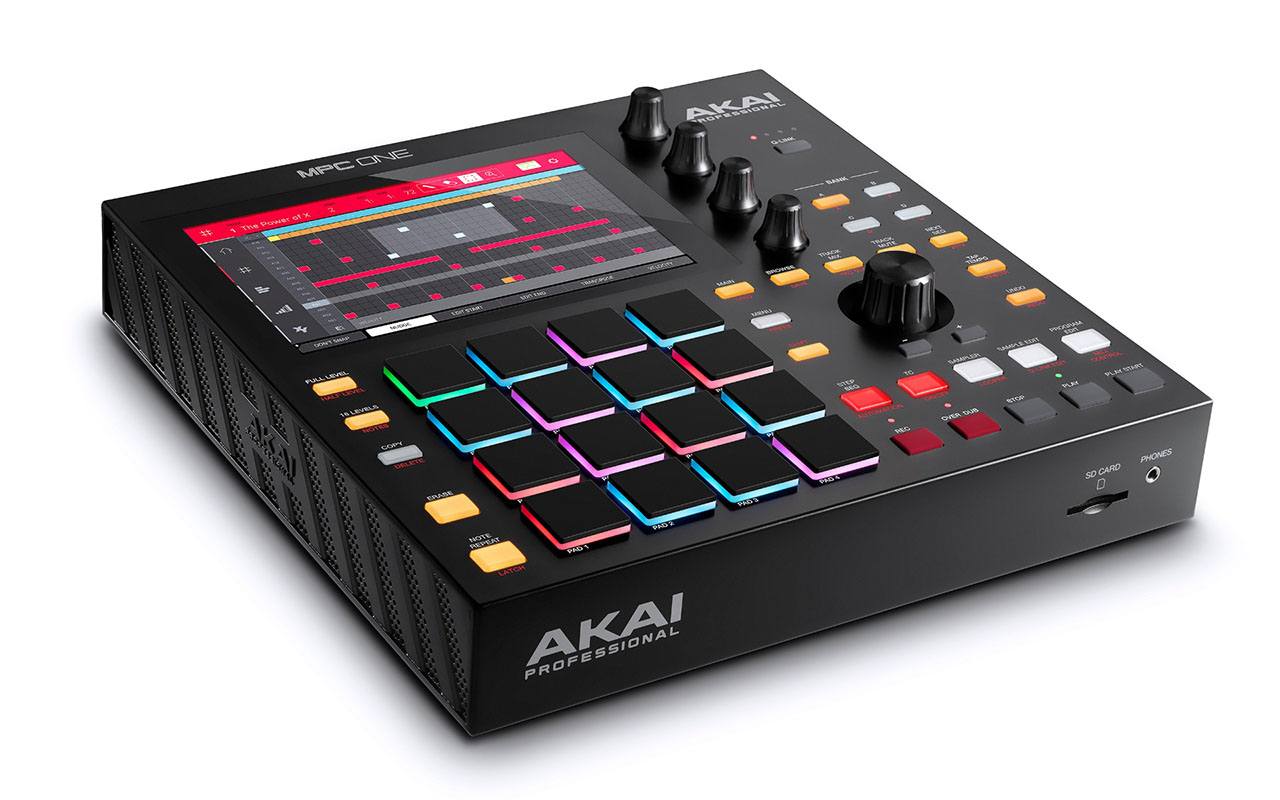
The MPC One is a powerful music-making machine that works all by itself—no computer needed. It has 16 colorful pads, a big touchscreen, and easy-to-use knobs to help you make beats, melodies, and more. You can plug in your other gear, record sounds, and even edit your music right on the screen. It's fast, fun, and built to grow with you as your music skills get better.
Elektron Digitakt II
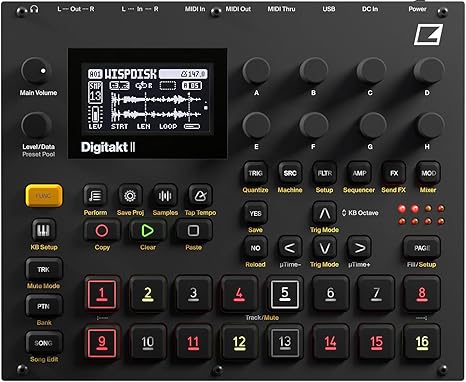
The Digitakt II is a fun music machine that lets you make beats and play with sounds. It has 16 tracks you can use to mix music, record sounds in stereo, or control other gear. You can change and shape your sounds in cool ways, with lots of new and improved features. It has tons of memory so you can store lots of sounds and keep creating for a long time. It's like a sound playground for your imagination!
| Spec | Akai MPC One | Elektron Digitakt II |
|---|---|---|
| Manufacturer | Akai Professional | Elektron |
| Year Released | 2020 | 2024 |
| Polyphony | 128 | 16 |
| Sample Rate | 44.1kHz | 48kHz |
| Storage | Internal SSD | Internal storage |
| Pads | 16 velocity-sensitive RGB pads | No pads, uses buttons |
| Sequencer | Yes | Yes |
| Effects | EQ, Reverb, Delay, Compression | Delay, reverb, chorus, bit reduction, sample reduction, and overdrive per track |
| I/O | MIDI In/Out, USB, Audio In/Out | MIDI In/Out/Thru, USB, Audio Out |
| Screen | 7-inch multi-touch display | OLED display |
| Software Integration | MPC Software | Elektron Transfer |
| Build | Standalone | Desktop |
| Price | $700 | $1149 |
| More about | Details | Details |
Buy the Akai MPC One on Amazon.com
Buy Now On AmazonBuy the Elektron Digitakt II on Amazon.com
Buy Now On AmazonQuick Summary
If you’re into making music and want to know which sampler might be your new best friend, you’ve come to the right place! The Akai MPC One and Elektron Digitakt II are both awesome tools for creating beats and melodies, but they have some differences that might make one a better fit for you.
Introduction
Hey there, music makers! Are you ready to dive into the world of samplers? Today, we’re going to compare two exciting devices: the Akai MPC One and the Elektron Digitakt II. Whether you’re just starting out or you’re already a pro, finding the right sampler can make your music journey even more amazing. Let’s explore what makes each of these samplers special and figure out which one might be perfect for you!
Meet the Akai MPC One
The Akai MPC One is like having a whole music studio right in front of you. It was released in 2020 and is made by Akai Professional. This sampler is a standalone device, which means you don’t need a computer to use it. Just imagine making beats anywhere you want! It has 16 colorful, velocity-sensitive pads that are perfect for tapping out rhythms. With a big 7-inch multi-touch display, you can easily see what you’re doing and make changes to your music with just a few taps.
Features of the Akai MPC One
The MPC One comes with a polyphony of 128, which means it can play a lot of notes at the same time. It records at a sample rate of 44.1kHz, and it has an internal SSD for storing all the sounds you want to use. You can plug in other gear through its MIDI In/Out and USB connections, and it even has audio inputs and outputs. Plus, it has built-in effects like EQ, reverb, delay, and compression to make your music sound even better.
Pros and Cons of the Akai MPC One
Pros:
- Standalone Device: No need for a computer.
- Large Touchscreen: Easy to navigate and edit music.
- 16 RGB Pads: Great for live performances and beat-making.
- Integration with MPC Software: Seamless workflow.
- Affordable Price: $700 makes it accessible to many.
Cons:
- Sample Rate: 44.1kHz might not be high enough for some users.
- Limited Internal Storage: Might require external solutions for more storage.
Meet the Elektron Digitakt II
Now let’s talk about the Elektron Digitakt II, a fun and powerful music-making machine from Elektron, released in 2024. This desktop device is perfect for those who love to get creative with their sounds. Unlike the MPC One, it doesn’t have pads; instead, it uses buttons, which is a different but equally exciting way to play with music. The Digitakt II has 16 tracks, allowing you to mix and match lots of sounds to create something unique.
Features of the Elektron Digitakt II
The Digitakt II offers a polyphony of 16, which is smaller compared to the MPC One but still plenty for most music projects. Its sample rate is 48kHz, giving you crisp and clear sound quality. It has internal storage to keep your favorite samples safe and accessible. The OLED display is bright and clear, helping you navigate through your music-making process. This sampler is all about effects, offering delay, reverb, chorus, bit reduction, sample reduction, and overdrive on each track. You can connect it using MIDI In/Out/Thru and USB, and it has audio outputs for your speakers.
Pros and Cons of the Elektron Digitakt II
Pros:
- High Sample Rate: 48kHz for great sound quality.
- Extensive Effects: Lots of options to shape your sound.
- 16 Tracks: Plenty of room for creativity.
- Bright OLED Display: Easy to read and use.
- Durable Build: Made to last.
Cons:
- Price: At $1149, it’s more expensive.
- No Pads: Some users might miss having pads.
- Desktop Build: Needs a computer for best use.
Feature Comparisons
Polyphony and Sample Rate
The Akai MPC One boasts a higher polyphony of 128, allowing for more complex compositions with many notes playing simultaneously. In contrast, the Elektron Digitakt II offers a polyphony of 16, which is still sufficient for most tracks but may be limiting for more intricate compositions. However, when it comes to sample rate, the Digitakt II has the upper hand with 48kHz compared to the MPC One’s 44.1kHz, promising slightly better sound quality.
Storage and Build
Storage is crucial for saving your music projects and samples. The Akai MPC One comes with an internal SSD, which might offer more storage capacity than the Digitakt II’s unspecified internal storage. As for build, the MPC One is a standalone device, meaning you can use it without a computer, offering more portability. Meanwhile, the Digitakt II is a desktop unit, which is great for studio setups but less convenient for on-the-go music-making.
Pads and Interface
The MPC One features 16 velocity-sensitive RGB pads that are ideal for drumming and live performances. The Digitakt II, on the other hand, uses buttons instead of pads, which might take some getting used to if you’re familiar with pad-based samplers. Both devices have different types of screens: the MPC One has a 7-inch multi-touch display, while the Digitakt II features an OLED display. The choice here depends on whether you prefer touch interaction or button-based control.
Effects and Connectivity
When it comes to effects, both samplers offer plenty of options to shape your sound. The MPC One includes EQ, reverb, delay, and compression, while the Digitakt II provides delay, reverb, chorus, bit reduction, sample reduction, and overdrive per track. The Digitakt II offers a broader range of effects, which might appeal more to those who love to experiment with sound textures. In terms of connectivity, both devices offer MIDI and USB options, but the Digitakt II also has MIDI Thru, providing more flexibility in connecting with other gear.
Who Should Choose Which?
So, which sampler should you pick? If you’re looking for a standalone device with a user-friendly interface and you love using pads for your music-making, the Akai MPC One might be your best bet. It’s perfect for those who want a portable option to create music anywhere and anytime.
However, if you prefer a desktop unit with a variety of effects and a higher sample rate, and you’re okay with using buttons instead of pads, the Elektron Digitakt II could be the right choice. It’s ideal for studio setups and those who enjoy diving deep into sound design.
Final Verdict
Both the Akai MPC One and Elektron Digitakt II are fantastic samplers with their own strengths. The choice ultimately depends on your personal preferences and how you plan to use the device in your music-making journey. If you want the freedom of a standalone device with intuitive controls, go for the Akai MPC One. But if you’re all about detailed sound manipulation and have a studio setup, the Elektron Digitakt II is the way to go. Happy music-making!