Akai MPC One — VS — Elektron Octatrack MKI
Akai MPC One
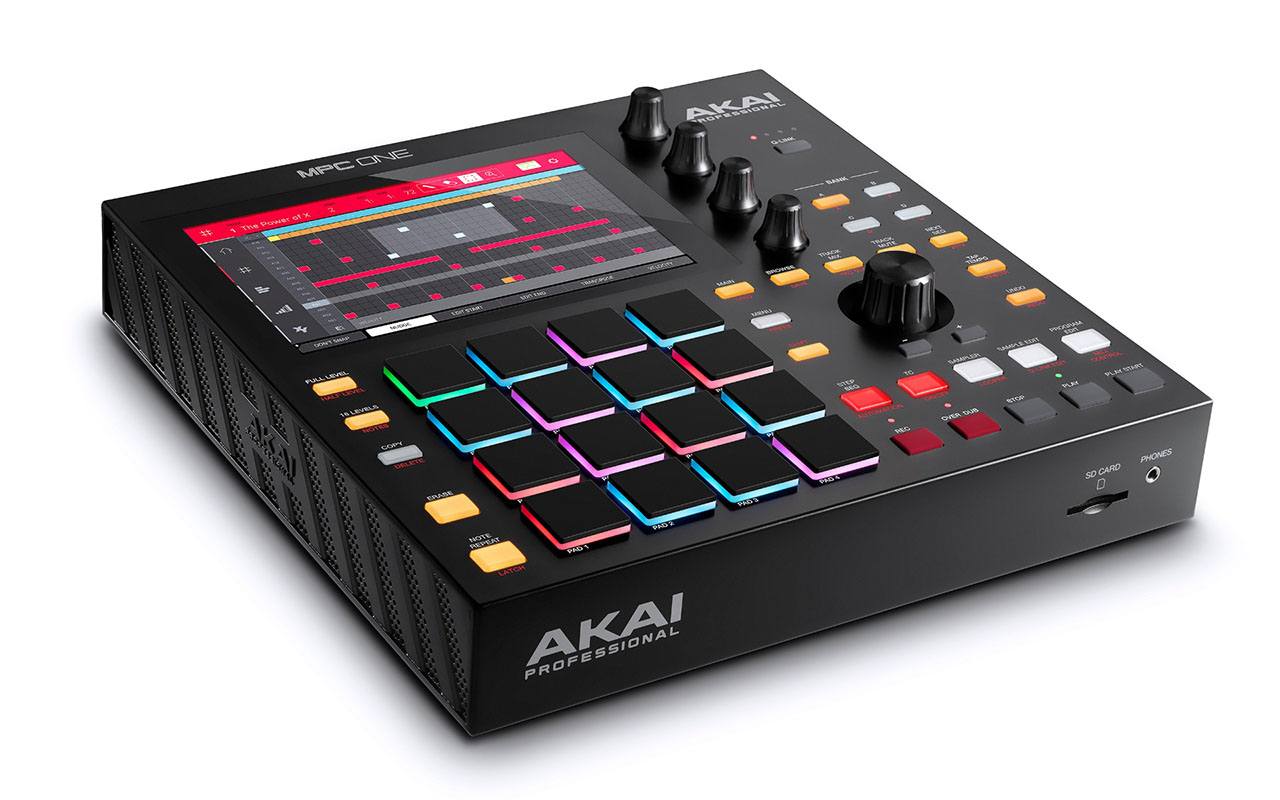
The MPC One is a powerful music-making machine that works all by itself—no computer needed. It has 16 colorful pads, a big touchscreen, and easy-to-use knobs to help you make beats, melodies, and more. You can plug in your other gear, record sounds, and even edit your music right on the screen. It's fast, fun, and built to grow with you as your music skills get better.
Elektron Octatrack MKI
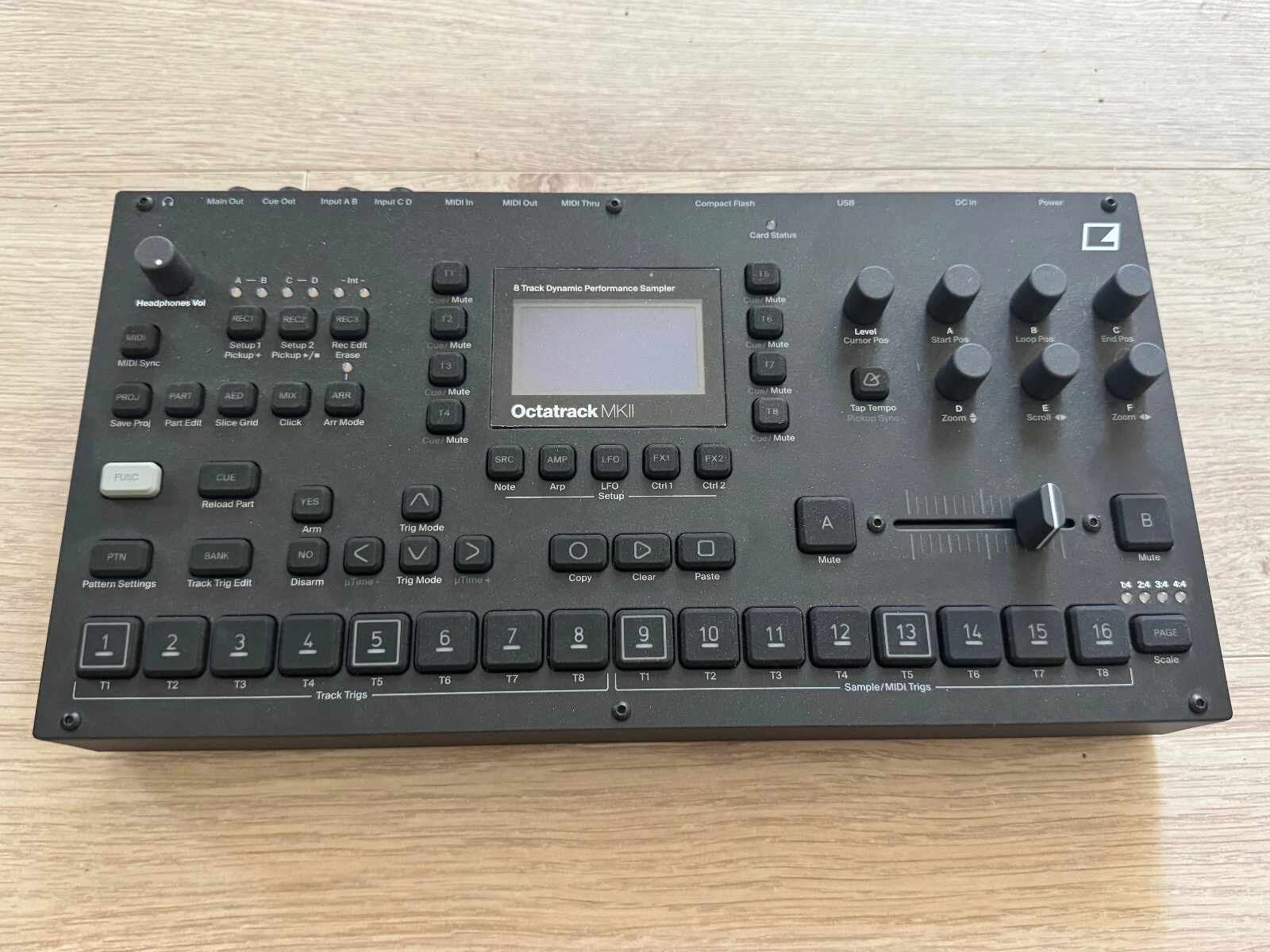
The Elektron Octatrack is a powerful music tool that lets you sample, loop, and remix sounds in real time. It has 8 tracks for playing and twisting audio, plus 8 more for controlling other gear with MIDI. You can load sounds from a memory card or record them live, then use built-in effects, a crossfader, and a step sequencer to create unique tracks. Whether you're performing live or making music in the studio, the Octatrack MK1 gives you deep control over your sound in a hands-on, creative way.
| Spec | Akai MPC One | Elektron Octatrack MKI |
|---|---|---|
| Manufacturer | Akai Professional | Elektron |
| Year Released | 2020 | 2010 |
| Polyphony | 128 | 8 |
| Sample Rate | 44.1kHz | 48kHz |
| Storage | Internal SSD | Compact Flash |
| Pads | 16 velocity-sensitive RGB pads | No pads, uses buttons and encoders |
| Sequencer | Yes | Yes |
| Effects | EQ, Reverb, Delay, Compression | Filters, Delay, Reverb |
| I/O | MIDI In/Out, USB, Audio In/Out | MIDI In/Out/Thru, Audio In/Out |
| Screen | 7-inch multi-touch display | OLED display |
| Software Integration | MPC Software | Elektron Transfer |
| Build | Standalone | Desktop |
| Price | $700 | |
| More about | Details | Details |
Buy the Akai MPC One on Amazon.com
Buy Now On AmazonAkai MPC One vs. Elektron Octatrack MKI: A Battle of the Samplers
If you’re a music lover or an aspiring producer, choosing the right sampler is super important. Today, we’re looking at two popular choices: the Akai MPC One and the Elektron Octatrack MKI. Each has its own strengths and quirks, and we’re going to explore them in detail so you can decide which one might be best for you.
Introduction
Sampling is a key part of making music today. Whether you’re creating beats, crafting soundscapes, or performing live, having the right sampler can make all the difference. The Akai MPC One and the Elektron Octatrack MKI are two top contenders in the world of samplers. Let’s dive into what makes each of them special and how they stack up against each other.
Feature Showdown
Polyphony and Sound Quality
The Akai MPC One offers a whopping 128 voices of polyphony. This means it can handle many sounds at once without breaking a sweat. Its sound quality is driven by a 44.1kHz sample rate, which is pretty standard in the music world.
On the other hand, the Elektron Octatrack MKI comes with 8 voices of polyphony. While this is significantly lower than the MPC One, the Octatrack shines with its 48kHz sample rate, providing a slightly higher sound quality that’s great for detailed and rich audio.
Storage and Sampling
The Akai MPC One is equipped with internal SSD storage, which means you can store a lot of samples directly on the device. This is super convenient for musicians who like to have everything they need right at their fingertips.
In contrast, the Elektron Octatrack MKI uses Compact Flash storage. While this might seem a bit old-fashioned, it offers a reliable and removable storage option, allowing for easy swapping between different sets of samples.
Control and Playing Style
The Akai MPC One features 16 velocity-sensitive RGB pads. These pads are great for finger drumming and playing your samples with expression and dynamics. Additionally, the MPC One sports a 7-inch multi-touch display, making it easy to navigate through your projects and tweak settings.
The Elektron Octatrack MKI doesn’t have pads but uses buttons and encoders for control. While it might take a bit of getting used to, these controls offer a unique and tactile way to interact with your music, giving you precision and flexibility.
Effects and Processing
Both samplers come with built-in effects, but they cater to slightly different needs. The Akai MPC One offers EQ, reverb, delay, and compression, providing a solid toolkit for shaping your sound.
The Elektron Octatrack MKI includes filters, delay, and reverb. Its effects are known for their depth and character, particularly its filters, which can transform sounds in creative ways.
Connectivity and Integration
The Akai MPC One features MIDI In/Out, USB, and audio In/Out, providing plenty of connectivity options. It also integrates with MPC Software, giving you the power to expand your workflow on a computer.
The Elektron Octatrack MKI offers MIDI In/Out/Thru and audio In/Out, with integration through Elektron Transfer. While its connectivity is robust, it doesn’t include USB, which might be a limitation for some users.
Pros and Cons
Akai MPC One
Pros:
- High polyphony (128 voices)
- Convenient internal SSD storage
- Versatile RGB pads and touch display
- Extensive connectivity options
- Strong software integration
Cons:
- Slightly lower sample rate compared to the Octatrack
- Learning curve for beginners
Elektron Octatrack MKI
Pros:
- High sample rate (48kHz) for great sound quality
- Unique and powerful effects, especially filters
- Reliable Compact Flash storage
- Tactile and precise control interface
Cons:
- Lower polyphony (8 voices)
- No built-in pads
- Lacks USB connectivity
Final Verdict
In summary, both the Akai MPC One and the Elektron Octatrack MKI have their own unique strengths. The MPC One is perfect for musicians who need a versatile, all-in-one production tool with plenty of storage and connectivity options. It’s great for those who prefer a more traditional pad-based interface and want to integrate seamlessly with computer software.
The Elektron Octatrack MKI, with its higher sample rate and unique effects, is ideal for those who want to experiment with sound design and enjoy a hands-on approach. Its compact flash storage and precise control make it a favorite among live performers and experimental musicians.
Ultimately, your choice will depend on your specific needs and workflow. Whether you’re looking for a powerful production hub or a creative sound design tool, both samplers have a lot to offer.