Akai MPC One — VS — Korg Electribe Sampler 2
Akai MPC One
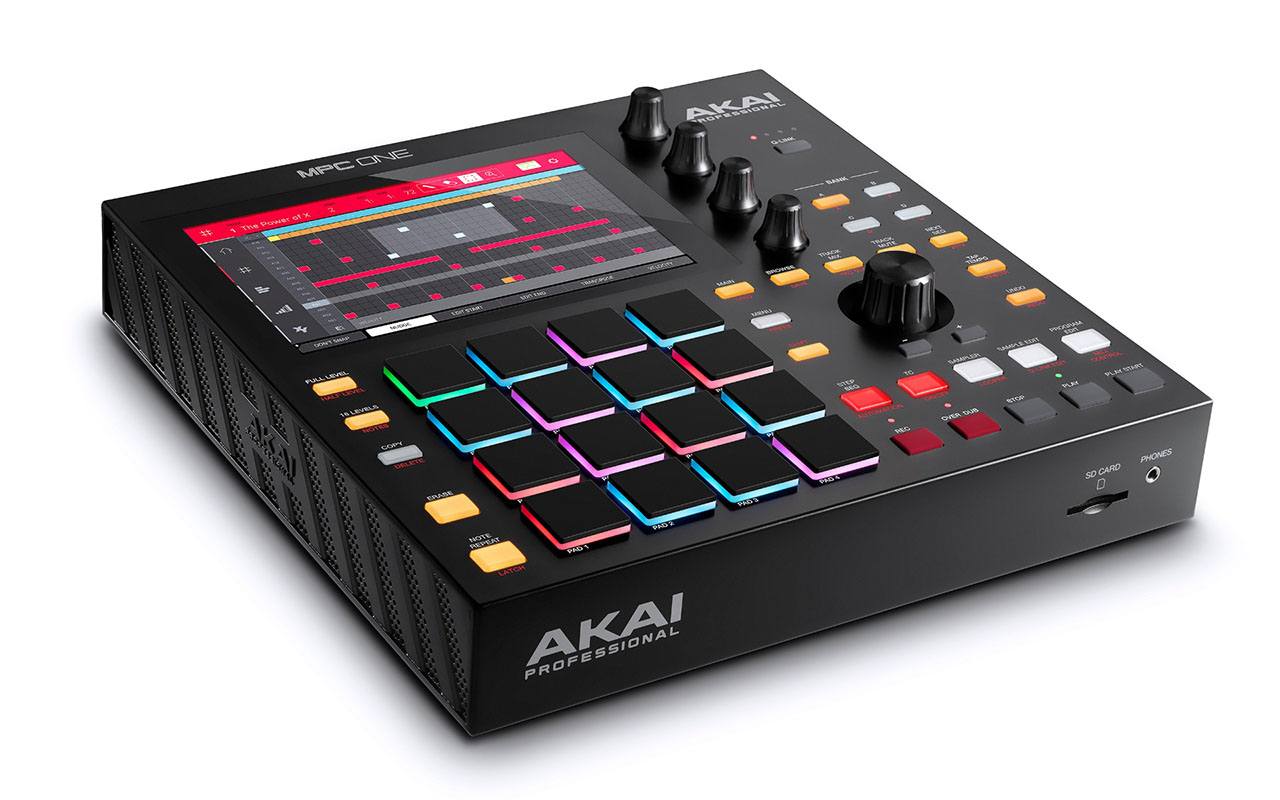
The MPC One is a powerful music-making machine that works all by itself—no computer needed. It has 16 colorful pads, a big touchscreen, and easy-to-use knobs to help you make beats, melodies, and more. You can plug in your other gear, record sounds, and even edit your music right on the screen. It's fast, fun, and built to grow with you as your music skills get better.
Korg Electribe Sampler 2
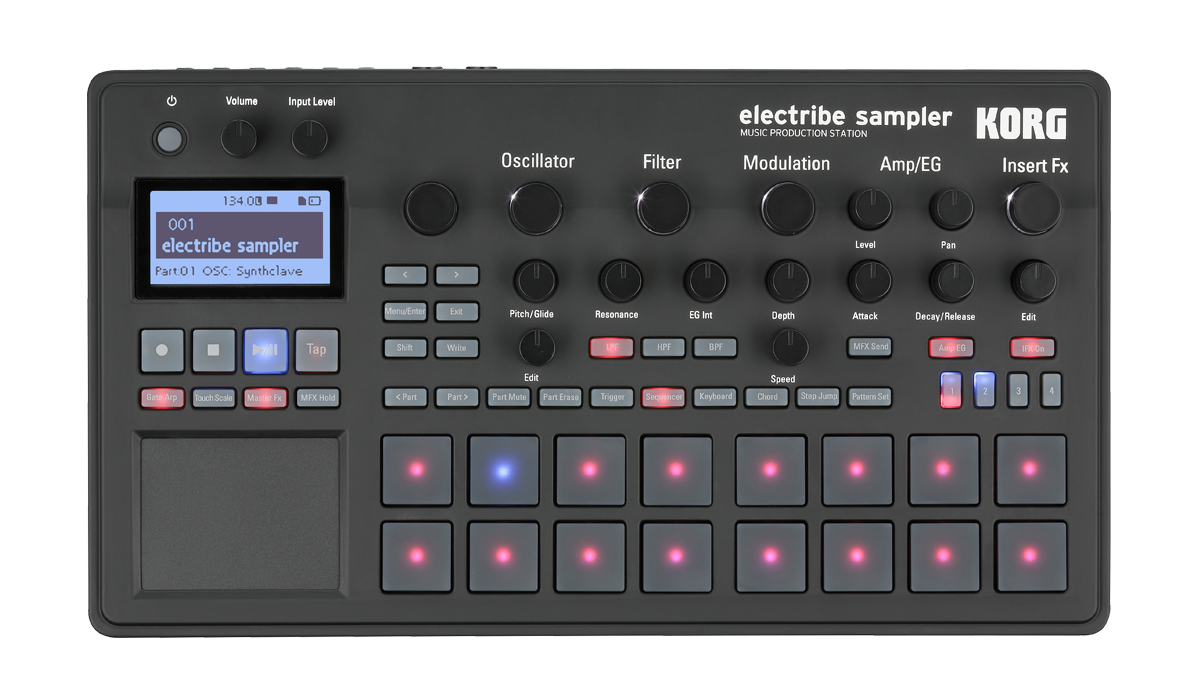
The Korg Electribe Sampler 2 is a fast and easy-to-use music machine that helps you turn your ideas into beats in no time. You can load your own sounds or use the built-in samples, then shape them using knobs and effects. Whether you're tapping out drums, bass, or melodies, the Electribe makes it simple to build full songs quickly. It's great for both live performances and studio work, and you can export your tracks to Ableton Live for more detailed editing. The newest version adds pattern chaining and comes in a bold red color. It's a powerful sampler and sequencer designed for speed and creativity.
| Spec | Akai MPC One | Korg Electribe Sampler 2 |
|---|---|---|
| Manufacturer | Akai Professional | Korg |
| Year Released | 2020 | 2014 |
| Polyphony | 128 | 64 |
| Sample Rate | 44.1kHz | 44.1kHz |
| Storage | Internal SSD | SD card |
| Pads | 16 velocity-sensitive RGB pads | No pads, uses buttons |
| Sequencer | Yes | Yes |
| Effects | EQ, Reverb, Delay, Compression | Multiple effects |
| I/O | MIDI In/Out, USB, Audio In/Out | MIDI In/Out, USB, Audio In/Out |
| Screen | 7-inch multi-touch display | LCD display |
| Software Integration | MPC Software | No |
| Build | Standalone | Desktop |
| Price | $700 | $600 |
| More about | Details | Details |
Buy the Akai MPC One on Amazon.com
Buy Now On AmazonBuy the Korg Electribe Sampler 2 on Amazon.com
Buy Now On AmazonComparison of the Akai MPC One and the Korg Electribe Sampler 2
Summary: In this blog post, we’ll explore the Akai MPC One and the Korg Electribe Sampler 2. Both are great tools for making music, but they have different features and strengths. Whether you’re a beginner or a seasoned musician, understanding these differences can help you choose the right sampler for your needs.
Introduction
Hello, music lovers! Today, we’re diving into the world of samplers. Samplers are magical machines that let you take sounds from the world and turn them into music. Two popular samplers that musicians love are the Akai MPC One and the Korg Electribe Sampler 2. Both of these devices are powerful and packed with features, but they are also different in many ways. Let’s take a closer look at each one to see what makes them special.
Meet the Akai MPC One
The Akai MPC One is a compact and powerful machine. Launched in 2020, it’s a standalone device, which means you don’t need a computer to use it. It’s like having a mini music studio at your fingertips! The MPC One boasts 128-note polyphony, allowing you to layer many sounds together without losing quality. It has a sample rate of 44.1kHz, which is standard for high-quality audio.
One of the standout features of the MPC One is its 16 velocity-sensitive RGB pads. These pads light up in different colors, making it easy and fun to play music. The pads respond to how hard or soft you hit them, which adds emotion and dynamics to your music. The MPC One also has a 7-inch multi-touch display, which is like a tablet screen. This touchscreen makes it easy to navigate through your music projects and control various settings.
Akai has also included a range of effects such as EQ, Reverb, Delay, and Compression, allowing you to shape your sounds just the way you like them. The MPC One has a strong sequencer and integrates seamlessly with MPC Software, which means you can expand your music production capabilities by connecting it to a computer if needed.
Meet the Korg Electribe Sampler 2
The Korg Electribe Sampler 2 is another fantastic tool for music production. Released in 2014, it’s been around for a while and has gained a loyal following. Unlike the MPC One, the Electribe Sampler 2 is a desktop unit, which means it sits on your table and doesn’t have built-in pads. Instead, it uses buttons for input, which some musicians find just as effective for creating beats and melodies.
This sampler also offers 64-note polyphony, which is still quite impressive and suitable for most music projects. Like the MPC One, it supports a sample rate of 44.1kHz. The Electribe Sampler 2 uses SD cards for storage, which makes it easy to expand your library of sounds.
One of the highlights of the Electribe Sampler 2 is its powerful sequencing capabilities. It allows musicians to create complex patterns and grooves with ease. The device comes with multiple effects, providing plenty of options to shape your sounds creatively. Although it doesn’t have software integration, it connects to your setup via MIDI and USB, making it compatible with other gear.
Feature Comparison
Polyphony and Sample Rate
Polyphony refers to how many notes a sampler can play at once. The Akai MPC One offers 128-note polyphony, which is higher than the Korg Electribe Sampler 2’s 64-note polyphony. This means the MPC One can handle more complex arrangements with multiple sounds layered together without any dropout in audio quality.
Both devices have a sample rate of 44.1kHz, ensuring high-quality sound reproduction. This is the same quality as CDs, so you can trust that your music will sound clear and polished.
Storage and Pads
When it comes to storage, the Akai MPC One uses an internal SSD, which provides fast access to your samples and projects. The Korg Electribe Sampler 2, on the other hand, uses an SD card for storage. This makes it easy to swap cards and expand your sample library, but it might be a bit slower compared to the SSD.
The MPC One shines with its 16 velocity-sensitive RGB pads, which are perfect for live performances and expressive playing. In contrast, the Electribe Sampler 2 uses buttons instead of pads. While buttons might not offer the same tactile feedback as pads, they are still effective for programming beats and melodies.
Sequencer and Effects
Both the MPC One and the Electribe Sampler 2 come with powerful sequencers. A sequencer is like a digital conductor that helps organize and play back different parts of your music. The MPC One is known for its strong sequencing capabilities, allowing you to create intricate patterns and arrangements. The Electribe Sampler 2 also excels in this area, offering deep sequencing options to craft complex grooves.
In terms of effects, the MPC One provides a range of options including EQ, Reverb, Delay, and Compression. These effects allow you to shape your sound and add depth to your music. The Electribe Sampler 2 also includes multiple effects, offering plenty of creative possibilities for sound design.
Screen and Software Integration
The Akai MPC One features a 7-inch multi-touch display, which makes navigation intuitive and visually engaging. This touchscreen interface is user-friendly and helps streamline the music production process. In contrast, the Korg Electribe Sampler 2 has an LCD display, which is functional but not as interactive as the MPC One’s touchscreen.
When it comes to software integration, the MPC One has an advantage. It integrates seamlessly with MPC Software, allowing for expanded production capabilities when connected to a computer. The Electribe Sampler 2 does not offer direct software integration, but it can still connect to other gear via MIDI and USB, making it versatile in a hardware setup.
Pros and Cons
Akai MPC One
Pros:
- Standalone device with no need for a computer
- 128-note polyphony for complex arrangements
- 16 velocity-sensitive RGB pads for expressive playing
- 7-inch multi-touch display for easy navigation
- Seamless integration with MPC Software
- Range of effects including EQ, Reverb, Delay, and Compression
Cons:
- Higher price point at $700
- May have a steeper learning curve for beginners
Korg Electribe Sampler 2
Pros:
- Powerful groovebox with deep sequencing capabilities
- Affordable price at $600
- Multiple effects for creative sound design
- Uses SD cards for easy storage expansion
- Compatible with MIDI and USB for hardware integration
Cons:
- 64-note polyphony, which is lower than the MPC One
- No built-in pads, uses buttons instead
- Limited software integration
Final Verdict
In conclusion, both the Akai MPC One and the Korg Electribe Sampler 2 are excellent tools for music production, but they cater to different needs and preferences.
The Akai MPC One is ideal for musicians who want a standalone device with a rich feature set, including high polyphony, expressive pads, and a user-friendly touchscreen interface. It’s a great choice for those who value software integration and are willing to invest a bit more for a comprehensive music production experience.
On the other hand, the Korg Electribe Sampler 2 is perfect for those who enjoy working with a groovebox and appreciate deep sequencing capabilities. It’s an affordable option with good effects and expandable storage, making it suitable for musicians who prefer hardware setups and don’t need extensive software integration.
Ultimately, the best choice depends on your personal preferences, budget, and how you plan to use the sampler in your music-making journey.