Akai MPC One — VS — Korg Volca Sample
Akai MPC One
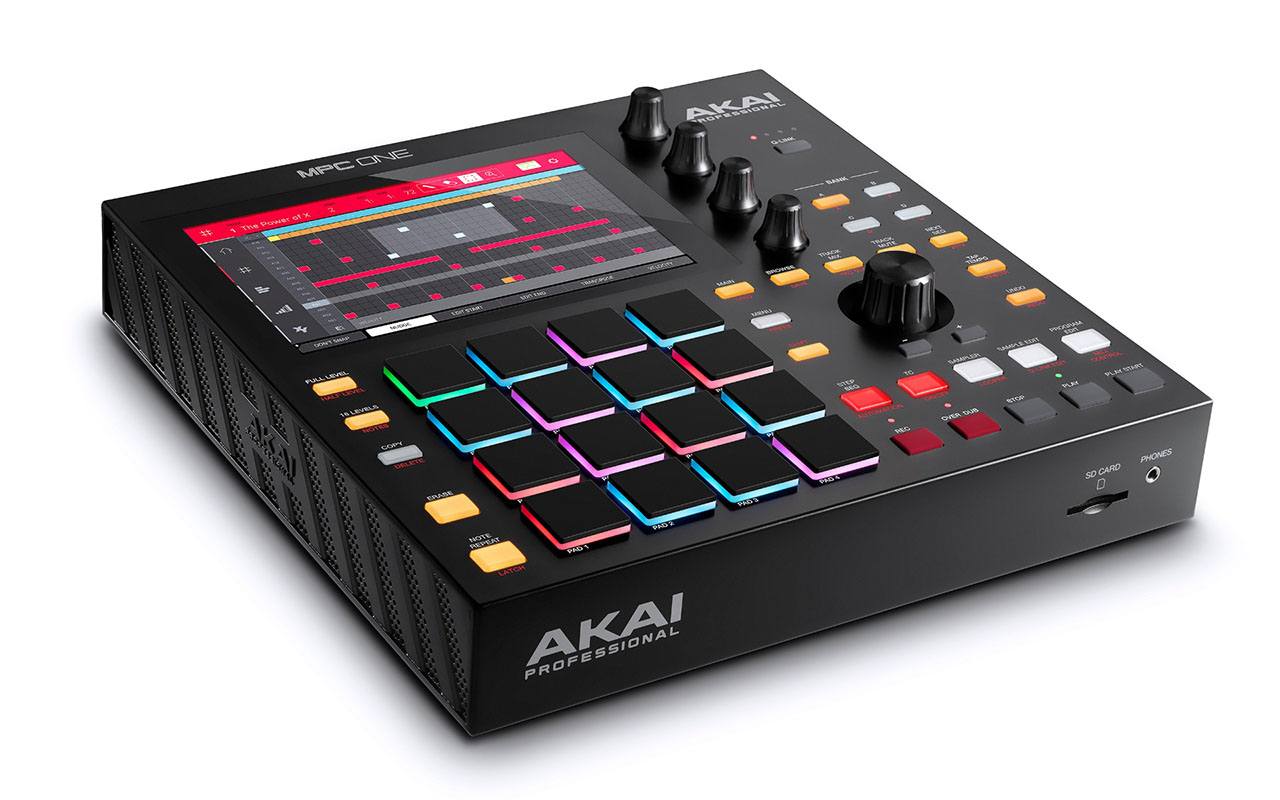
The MPC One is a powerful music-making machine that works all by itself—no computer needed. It has 16 colorful pads, a big touchscreen, and easy-to-use knobs to help you make beats, melodies, and more. You can plug in your other gear, record sounds, and even edit your music right on the screen. It's fast, fun, and built to grow with you as your music skills get better.
Korg Volca Sample
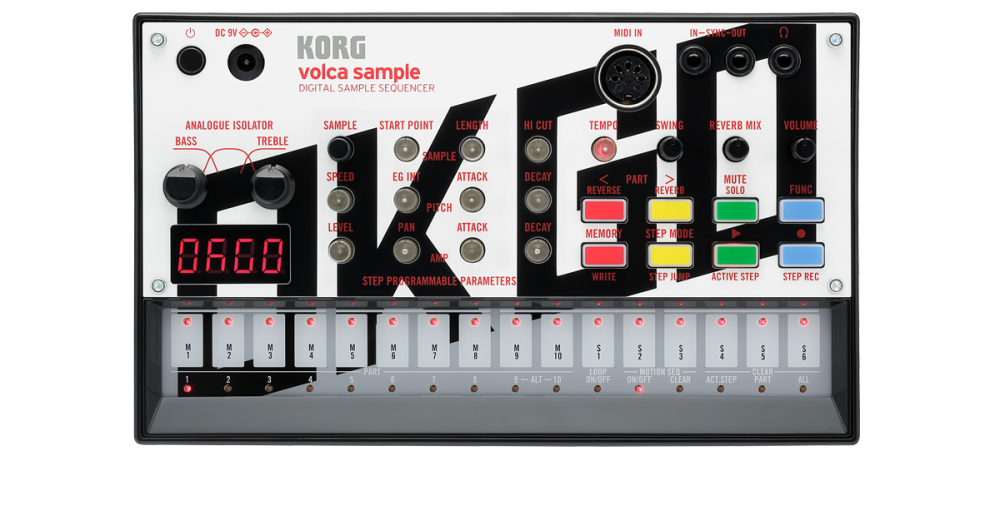
The original Korg Volca Sample is a small, hands-on drum machine that lets you play, tweak, and sequence up to 100 custom sounds. You can build beats, add motion effects, reverse samples, and create grooves with its fun and easy sequencer. It includes features like a powerful analog isolator, reverb, and song mode for more creative control. You could only load new samples using a special iOS app. This model has now been replaced by the improved <a href='/samplers/korg-volca-sample-2'>Volca Sample 2</a>, which adds USB, more memory, and a better workflow.
| Spec | Akai MPC One | Korg Volca Sample |
|---|---|---|
| Manufacturer | Akai Professional | Korg |
| Year Released | 2020 | 2014 |
| Polyphony | 128 | 16 |
| Sample Rate | 44.1kHz | 44.1kHz |
| Storage | Internal SSD | Internal memory |
| Pads | 16 velocity-sensitive RGB pads | No pads, uses buttons |
| Sequencer | Yes | Yes |
| Effects | EQ, Reverb, Delay, Compression | Reverb, Delay |
| I/O | MIDI In/Out, USB, Audio In/Out | MIDI In, Audio Out |
| Screen | 7-inch multi-touch display | LED indicators |
| Software Integration | MPC Software | No |
| Build | Standalone | Portable |
| Price | $700 | $149 |
| More about | Details | Details |
Buy the Akai MPC One on Amazon.com
Buy Now On AmazonAkai MPC One vs. Korg Volca Sample: Which Sampler Should You Choose?
If you’re looking to dive into the world of music production, samplers are a fantastic way to get started. Today, we’re going to compare two popular samplers: the Akai MPC One and the Korg Volca Sample. Both are great tools, but they cater to different kinds of music enthusiasts. Let’s explore what makes each of them unique, so you can decide which one is right for you.
Introduction
Music production can be a thrilling journey, especially when you have the right tools at your disposal. Samplers are essential for creating music as they allow you to record, manipulate, and play back samples. Whether you’re a beginner or an experienced musician, choosing the right sampler can make a big difference in your creative process. In this blog, we’ll take a closer look at two popular options: the Akai MPC One and the Korg Volca Sample. Both are exciting in their own ways, so let’s dive in!
Meet the Contenders
Akai MPC One
The Akai MPC One is a compact, standalone music production center that provides everything you need to create music without needing a computer. With its 16 velocity-sensitive RGB pads, 7-inch multi-touch display, and a wide array of effects, it’s designed for serious music makers who want full production capabilities. Released in 2020, it’s packed with features that make it a top choice for many producers.
Korg Volca Sample
The Korg Volca Sample, on the other hand, is a portable sampler that’s perfect for live performances. It doesn’t have pads like the MPC One; instead, it uses buttons to trigger sounds. This sampler was released in 2014 and is known for its simplicity and ease of use. It’s a great option for those looking to add some sampling magic to their live sets without breaking the bank.
Feature Comparisons
Sound and Polyphony
One of the biggest differences between the Akai MPC One and the Korg Volca Sample is their polyphony. The MPC One offers a whopping 128 voices of polyphony, allowing you to layer multiple sounds without any drop in audio quality. This is perfect for creating complex arrangements and lush soundscapes. In contrast, the Volca Sample has 16 voices of polyphony, which is sufficient for many styles but might feel limiting if you’re used to creating dense, multi-layered tracks.
Both samplers operate at a sample rate of 44.1kHz, ensuring high-quality sound output.
Storage and Build
When it comes to storage, the Akai MPC One boasts an internal SSD, so you can store plenty of your own samples and projects directly on the device. This is a huge advantage for producers who like to have everything they need at their fingertips.
The Korg Volca Sample, on the other hand, relies on internal memory, which is more limited. However, its portable build means you can easily take it anywhere, perfect for musicians on the go.
Pads and Sequencing
The Akai MPC One’s 16 velocity-sensitive RGB pads are one of its standout features. They respond to how hard you hit them, adding an expressive touch to your performances. Coupled with its powerful sequencer, you can craft intricate beats and melodies with ease.
The Korg Volca Sample doesn’t have pads but uses buttons for sample triggering. Its step sequencer is intuitive and perfect for live performances, although it might not be as versatile as the MPC One’s sequencer for detailed composition work.
Effects and Integration
Both samplers come with built-in effects to enhance your sounds. The MPC One includes EQ, Reverb, Delay, and Compression, providing a wide palette for sound shaping. It also seamlessly integrates with MPC Software, allowing for further production possibilities on your computer.
The Volca Sample offers Reverb and Delay effects, which are great for live manipulation. However, it lacks software integration, which might limit its use in a studio environment.
Connectivity and Interface
The Akai MPC One features extensive connectivity options, including MIDI In/Out, USB, and Audio In/Out. This means you can easily connect it to other devices and integrate it into your existing setup. Its 7-inch multi-touch display makes navigation intuitive and user-friendly.
In contrast, the Korg Volca Sample has limited connectivity with only MIDI In and Audio Out. It uses LED indicators instead of a full display, which can be less intuitive for some users.
Pros and Cons
Akai MPC One
Pros:
- High polyphony (128 voices)
- Large internal storage
- 16 velocity-sensitive RGB pads
- Extensive effects and software integration
- 7-inch multi-touch display
Cons:
- Higher price point ($700)
- Larger and less portable
Korg Volca Sample
Pros:
- Affordable price ($180)
- Portable and easy to use
- Suitable for live performance
- Simple and intuitive interface
Cons:
- Limited polyphony (16 voices)
- No pads, uses buttons
- Limited storage and connectivity
- No software integration
Conclusion
Both the Akai MPC One and the Korg Volca Sample are fantastic samplers, but they serve different purposes. The MPC One is a powerhouse for music production, offering a wide range of features and capabilities that are perfect for studio use. However, its higher price and less portable design might not suit everyone.
On the other hand, the Volca Sample is a great choice for musicians who want a simple, portable device for live performances. It’s affordable and easy to use, though it lacks some of the advanced features found in the MPC One.
Final Verdict
If you’re looking for a full-featured music production tool that can handle complex projects, the Akai MPC One is the way to go. Its robust features and large storage capacity make it ideal for serious producers who want to create music without limitations.
However, if you’re a live performer or a beginner looking for a budget-friendly option to get started with sampling, the Korg Volca Sample is a fantastic choice. Its portability and simplicity make it perfect for on-the-go music creation.
No matter which sampler you choose, both the Akai MPC One and the Korg Volca Sample offer unique experiences that can help you unleash your musical creativity. Happy sampling!