Akai MPC One — VS — Native Instruments Maschine Mk3
Akai MPC One
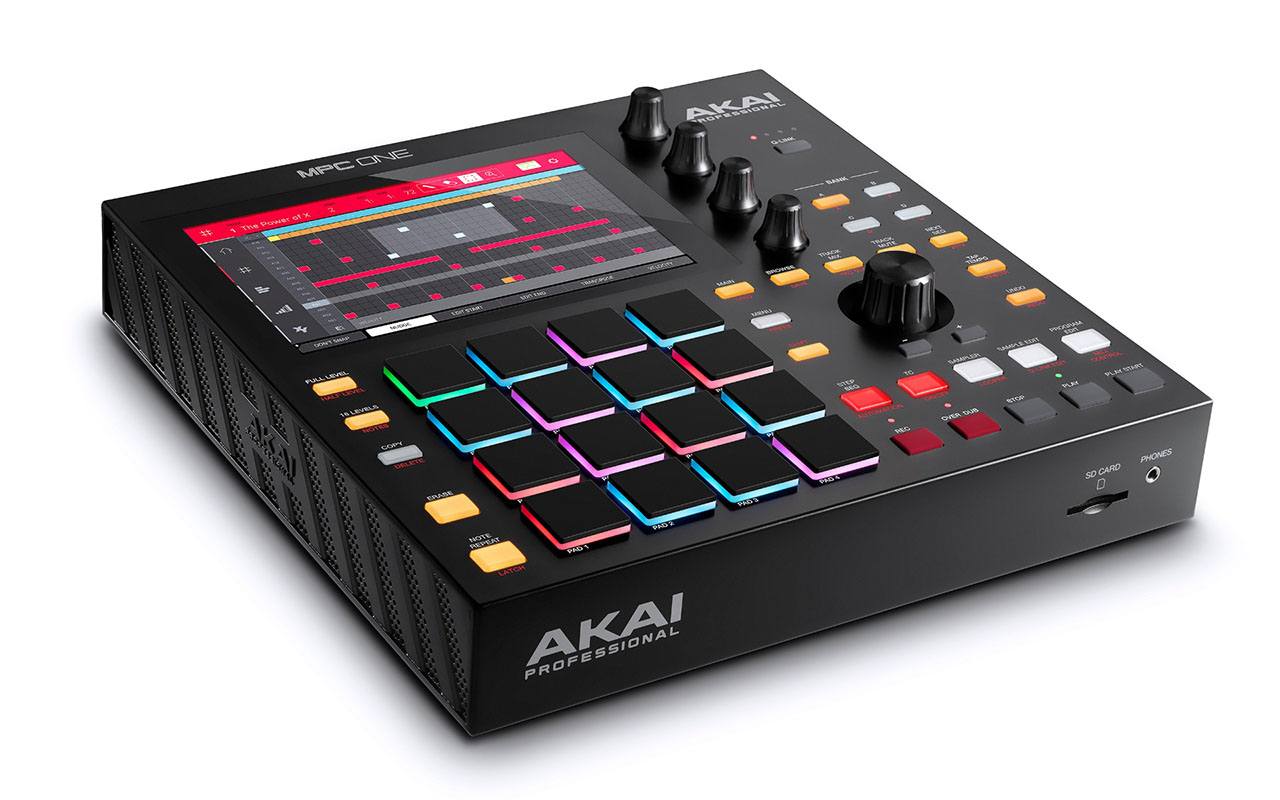
The MPC One is a powerful music-making machine that works all by itself—no computer needed. It has 16 colorful pads, a big touchscreen, and easy-to-use knobs to help you make beats, melodies, and more. You can plug in your other gear, record sounds, and even edit your music right on the screen. It's fast, fun, and built to grow with you as your music skills get better.
Native Instruments Maschine Mk3
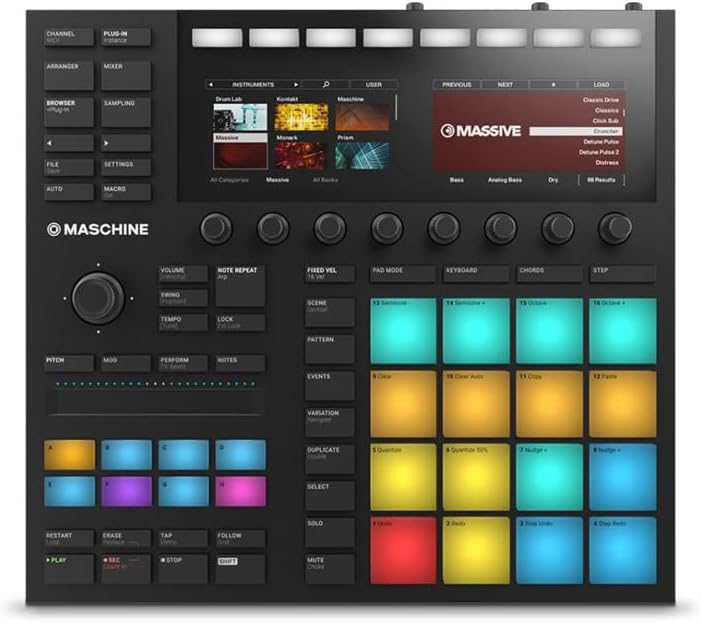
The Native Instruments Maschine Mk3 is an all-in-one music-making system that helps you create songs, beats, and live performances. It combines powerful software with easy-to-use hardware, including a sampler, mixer, effects, and a built-in sound library with 25 GB of professional sounds. You can connect instruments, a microphone, headphones, and even other music gear with the built-in audio interface. The touch-sensitive knobs and Smart Strip let you shape your sounds in creative ways. It works with all the major music programs, so you can plug it in and start making music right away.
| Spec | Akai MPC One | Native Instruments Maschine Mk3 |
|---|---|---|
| Manufacturer | Akai Professional | Native Instruments |
| Year Released | 2020 | 2017 |
| Polyphony | 128 | 128 |
| Sample Rate | 44.1kHz | 44.1kHz |
| Storage | Internal SSD | Internal storage |
| Pads | 16 velocity-sensitive RGB pads | 16 large velocity-sensitive pads |
| Sequencer | Yes | Yes |
| Effects | EQ, Reverb, Delay, Compression | EQ, Reverb, Delay |
| I/O | MIDI In/Out, USB, Audio In/Out | MIDI In/Out, USB, Audio Out |
| Screen | 7-inch multi-touch display | Full color display |
| Software Integration | MPC Software | Maschine Software |
| Build | Standalone | Controller |
| Price | $700 | $700 |
| More about | Details | Details |
Buy the Akai MPC One on Amazon.com
Buy Now On AmazonBuy the Native Instruments Maschine Mk3 on Amazon.com
Buy Now On AmazonAkai MPC One vs. Native Instruments Maschine Mk3: A Comprehensive Comparison
Summary: This blog post compares two popular music production tools: the Akai MPC One and the Native Instruments Maschine Mk3. Both devices offer unique features for music producers, from beginners to professionals. Discover which one suits your needs best!
Introduction
Hey there, music makers! If you’re diving into the world of beat-making and music production, you’ve probably heard about the Akai MPC One and the Native Instruments Maschine Mk3. These two devices are some of the most popular tools out there for creating beats, loops, and all sorts of musical magic. But which one is right for you? Let’s explore the features, pros, and cons of each to help you decide!
The Battle of the Samplers: Akai MPC One vs. Native Instruments Maschine Mk3
Features and Capabilities
Both the Akai MPC One and the Native Instruments Maschine Mk3 are known for their powerful music production capabilities. However, they have some differences that might make one more appealing than the other depending on your needs.
Akai MPC One
The Akai MPC One is a compact standalone device, meaning it can operate without needing a computer. It boasts a 7-inch multi-touch display, making it user-friendly and intuitive. With 128-note polyphony, this sampler allows you to layer multiple sounds without dropping a note. Its internal SSD storage ensures you have plenty of space for your samples and projects. The Akai MPC One includes a wide range of effects like EQ, Reverb, Delay, and Compression, allowing you to shape your sounds creatively. It also has comprehensive I/O options, including MIDI In/Out, USB, and Audio In/Out.
Native Instruments Maschine Mk3
On the other hand, the Native Instruments Maschine Mk3 is designed as a controller, which means it needs to be connected to a computer to function. It comes with a full-color display that helps you navigate its features with ease. Like the MPC One, it offers 128-note polyphony and a sample rate of 44.1kHz. The Maschine Mk3 has 16 large velocity-sensitive pads that allow for expressive beat-making. It also includes effects like EQ, Reverb, and Delay. While it lacks an audio input, it provides MIDI In/Out and USB connections.
Standalone vs. Controller
One of the biggest differences between these two devices is how they operate. The Akai MPC One is a standalone unit, meaning you can use it anywhere without needing to hook it up to a computer. This makes it a great option for musicians who want to produce music on the go. In contrast, the Maschine Mk3 requires a computer to run its Maschine software. This setup might appeal to those who prefer integrating their hardware with powerful music software on a computer.
Pads and Performance
Both samplers come with 16 velocity-sensitive pads, but they have slight differences. The MPC One’s pads are RGB-lit, which can help visually distinguish between different sounds or patterns during a live performance. The Maschine Mk3’s pads are larger, potentially offering a more comfortable drumming experience for some users.
Screen and Interface
The Akai MPC One features a 7-inch multi-touch display, which is larger than the screens on many similar devices. This touchscreen allows for intuitive control over your music, similar to using a smartphone or tablet. The Maschine Mk3, meanwhile, includes a dual full-color display that provides detailed visual feedback, helping you navigate its features and settings easily.
Effects and Sound Shaping
Both devices offer a variety of effects for shaping your sounds. The MPC One includes EQ, Reverb, Delay, and Compression, providing a comprehensive suite for music production. The Maschine Mk3 offers EQ, Reverb, and Delay but omits Compression. Depending on your needs, this might be a deciding factor.
Software Integration
When it comes to software integration, the MPC One works with the MPC Software, providing a complete music production experience. The Maschine Mk3 integrates with the Maschine Software, which is known for its extensive library of sounds and powerful beat-making capabilities. If you’re someone who prefers working with software, the Maschine Mk3 might be more appealing.
Pros and Cons
Akai MPC One Pros and Cons
Pros:
- Standalone Operation: No need for a computer, making it portable and versatile.
- Large Multi-Touch Display: Easy and intuitive to use.
- Comprehensive Effects Suite: Includes Compression, EQ, Reverb, and Delay.
- Wide I/O Options: Offers MIDI In/Out, USB, and Audio In/Out.
Cons:
- Price: At $700, it’s a significant investment.
- Learning Curve: Might be complex for beginners without prior experience in music production.
Native Instruments Maschine Mk3 Pros and Cons
Pros:
- Integrated Software: Powerful Maschine Software with extensive sound library.
- Large Pads: Comfortable for expressive performance.
- Full Color Display: Provides clear visual feedback.
- Affordable Price: Also priced at $700, offering good value for its features.
Cons:
- Requires Computer: Not standalone, limiting portability.
- No Audio In: Lacks an audio input, which might limit recording options.
Conclusion
Both the Akai MPC One and the Native Instruments Maschine Mk3 are excellent choices for music producers. The MPC One is ideal for those seeking a standalone device with a comprehensive set of features and effects. Meanwhile, the Maschine Mk3 is perfect for users who want to integrate their hardware with powerful software and don’t mind working with a computer.
Final Verdict
So, which one should you choose? Here’s a quick breakdown:
-
Choose the Akai MPC One if you want a portable, standalone music production device with a robust set of effects and a user-friendly touchscreen. It’s perfect for musicians who need an all-in-one solution they can take anywhere.
-
Choose the Native Instruments Maschine Mk3 if you prefer working with a computer and want a powerful controller with excellent software integration. It’s great for users who want access to a vast library of sounds and are comfortable using a computer in their music-making process.
In the end, both devices offer incredible tools for making music. Your choice will depend on your specific needs and how you prefer to work. Happy music making!