Akai MPC One — VS — Polyend Play+
Akai MPC One
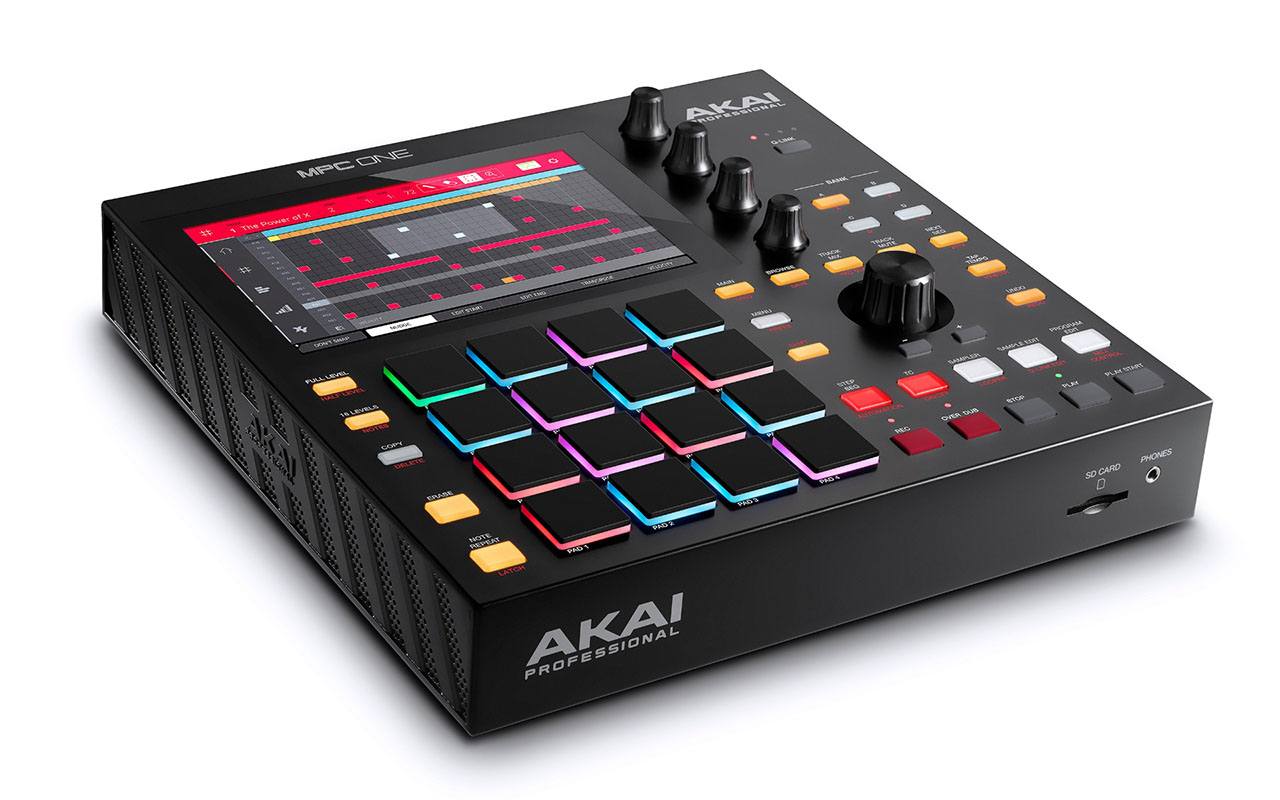
The MPC One is a powerful music-making machine that works all by itself—no computer needed. It has 16 colorful pads, a big touchscreen, and easy-to-use knobs to help you make beats, melodies, and more. You can plug in your other gear, record sounds, and even edit your music right on the screen. It's fast, fun, and built to grow with you as your music skills get better.
Polyend Play+
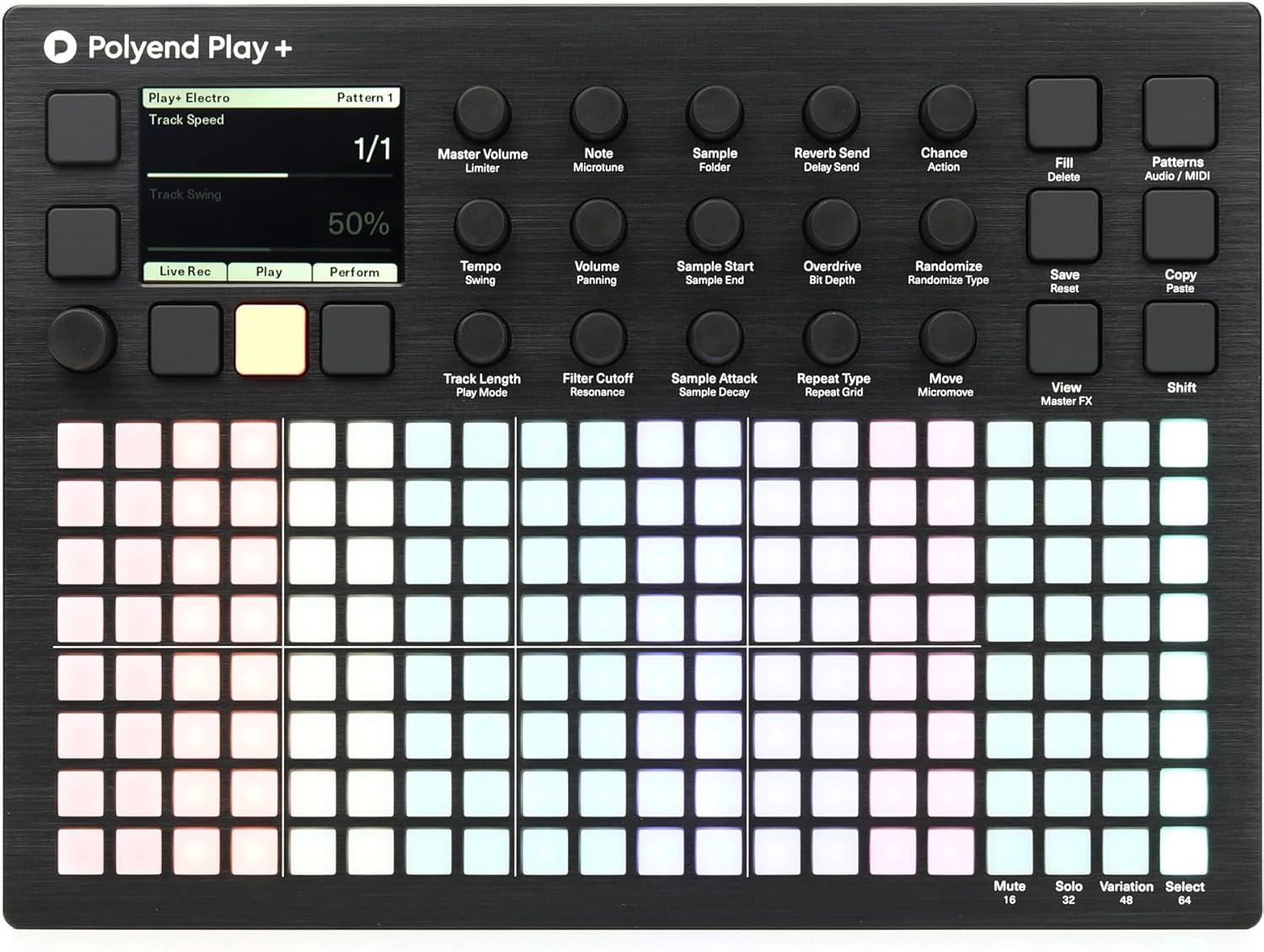
The Polyend Play+ builds on the original Polyend Play by adding upgraded internals and expanded features for creative sequencing, sample playback, and live performance. It supports stereo sample playback, powerful track-based sequencing, per-step automation, and advanced MIDI sequencing—all with a large 8x8 grid and deep performance tools. Ideal for electronic producers and live performers looking for a portable yet capable music workstation.
| Spec | Akai MPC One | Polyend Play+ |
|---|---|---|
| Manufacturer | Akai Professional | Polyend |
| Year Released | 2020 | 2023 |
| Polyphony | 128 | 8 |
| Sample Rate | 44.1kHz | 44.1kHz / 16-bit |
| Storage | Internal SSD | MicroSD card |
| Pads | 16 velocity-sensitive RGB pads | 8x8 velocity-sensitive pad grid |
| Sequencer | Yes | Yes, 16-track pattern-based |
| Effects | EQ, Reverb, Delay, Compression | Reverb, Delay, Overdrive, EQ, Master FX |
| I/O | MIDI In/Out, USB, Audio In/Out | Stereo In, Stereo Out, MIDI In/Out/Thru, USB-C |
| Screen | 7-inch multi-touch display | High-res color display |
| Software Integration | MPC Software | Drag-and-drop sample management via USB |
| Build | Standalone | Modern standalone groovebox sampler |
| Price | $700 | $799 |
| More about | Details | Details |
Buy the Akai MPC One on Amazon.com
Buy Now On AmazonBuy the Polyend Play+ on Amazon.com
Buy Now On AmazonAkai MPC One vs Polyend Play+: Which Sampler is Right for You?
If you’re a music gear enthusiast on the hunt for a new sampler, you’re probably wondering which device to choose: the Akai MPC One or the Polyend Play+. In this blog post, we’ll dive deep into the features, pros, and cons of each device to help you make an informed decision. Whether you’re a budding producer or an experienced performer, read on to discover which sampler is the perfect fit for your musical journey.
Introduction
Sampling is an essential part of modern music production, allowing producers to take snippets of existing sounds and transform them into something new. With advancements in technology, samplers have become more powerful, offering a range of features that cater to both beginners and professionals. Two standout options in the market today are the Akai MPC One and the Polyend Play+. Both are standalone devices, meaning they don’t require a computer to work, but they offer unique capabilities that might suit different types of users.
Feature Comparisons
Design and Build
Starting with the Akai MPC One, it’s designed with a sleek, compact build that packs a punch. It sports 16 velocity-sensitive RGB pads, which are colorful and responsive, perfect for finger drumming. The 7-inch multi-touch display is a standout feature, providing an intuitive interface for editing and arranging music directly on the device. Its standalone design means you can create music anywhere without needing additional equipment.
On the other hand, the Polyend Play+ offers a modern twist with its 8x8 velocity-sensitive pad grid. This grid provides a broader range of interaction, ideal for complex sequencing and live performances. The high-resolution color display, while slightly smaller than the MPC One, offers crisp visuals for navigating its features. The Play+’s modern groovebox design aims to facilitate creativity and portability.
Sound and Polyphony
When it comes to sound, both samplers deliver, but with different strengths. The Akai MPC One boasts a whopping 128 voices of polyphony, allowing for rich and complex compositions. Its effects suite includes EQ, Reverb, Delay, and Compression, providing a versatile palette for sound design.
The Polyend Play+, while limited to 8 voices of polyphony, compensates with its stereo sample playback capability and a robust set of effects, including Reverb, Delay, Overdrive, EQ, and Master FX. These features make it a powerful tool for electronic producers looking to craft intricate soundscapes and live performances.
Sequencing and Performance
Both devices excel in their sequencing capabilities. The Akai MPC One features a traditional sequencer that integrates seamlessly with its MPC Software, offering a familiar workflow for those accustomed to Akai’s ecosystem. Its sequencer is versatile, allowing users to craft beats and melodies with ease.
The Polyend Play+ shines in its 16-track pattern-based sequencer, which is perfect for creating complex arrangements. Its per-step automation feature allows for detailed control over each track, making it a favorite among electronic producers who thrive on precision and creativity.
Connectivity and Storage
Connectivity is crucial for any music production setup. The Akai MPC One offers a range of options, including MIDI In/Out, USB, and Audio In/Out, making it easy to connect with other gear. It also features an internal SSD for storage, offering fast access to samples and projects.
The Polyend Play+ offers Stereo In, Stereo Out, MIDI In/Out/Thru, and USB-C connectivity, which is slightly more advanced, catering to modern setups. It uses a MicroSD card for storage, which provides flexibility in terms of expanding storage capacity and managing samples.
Price and Value
Price is always a consideration, and both devices are competitively priced for their features. The Akai MPC One retails at $700, offering great value for its robust features and integration with MPC Software. The Polyend Play+ is priced slightly higher at $799, but it justifies the cost with its advanced sequencing capabilities and modern features.
Pros and Cons
Akai MPC One
Pros:
- High polyphony (128 voices) for complex compositions
- Large, intuitive 7-inch multi-touch display
- Seamless MPC Software integration
- Comprehensive I/O options
- Affordable price point
Cons:
- Limited to Akai’s ecosystem, which may not appeal to everyone
- Slightly bulkier compared to other portable options
Polyend Play+
Pros:
- Innovative 8x8 pad grid for creative sequencing
- High-resolution color display
- Advanced pattern-based sequencer with per-step automation
- Modern connectivity options (USB-C, MIDI Thru)
- Portable and performance-ready design
Cons:
- Lower polyphony (8 voices), which may limit some compositions
- Higher price point compared to similar devices
Conclusion
Both the Akai MPC One and the Polyend Play+ are remarkable samplers, each offering unique features that cater to different types of users. The Akai MPC One is perfect for musicians who value a comprehensive all-in-one solution with powerful software integration. Its high polyphony and intuitive interface make it ideal for producers looking to create complex tracks without a computer.
In contrast, the Polyend Play+ is suited for electronic producers and live performers who prioritize innovative sequencing capabilities and portability. Its modern design and advanced features make it a compelling choice for those who want to push the boundaries of their performances.
Ultimately, your choice will depend on your specific needs and preferences. Whether you opt for the Akai MPC One or the Polyend Play+, both devices promise to enhance your music-making experience. Explore more about these samplers at their respective pages: Akai MPC One and Polyend Play+.
Happy music-making!