Akai MPC One — VS — Polyend Tracker
Akai MPC One
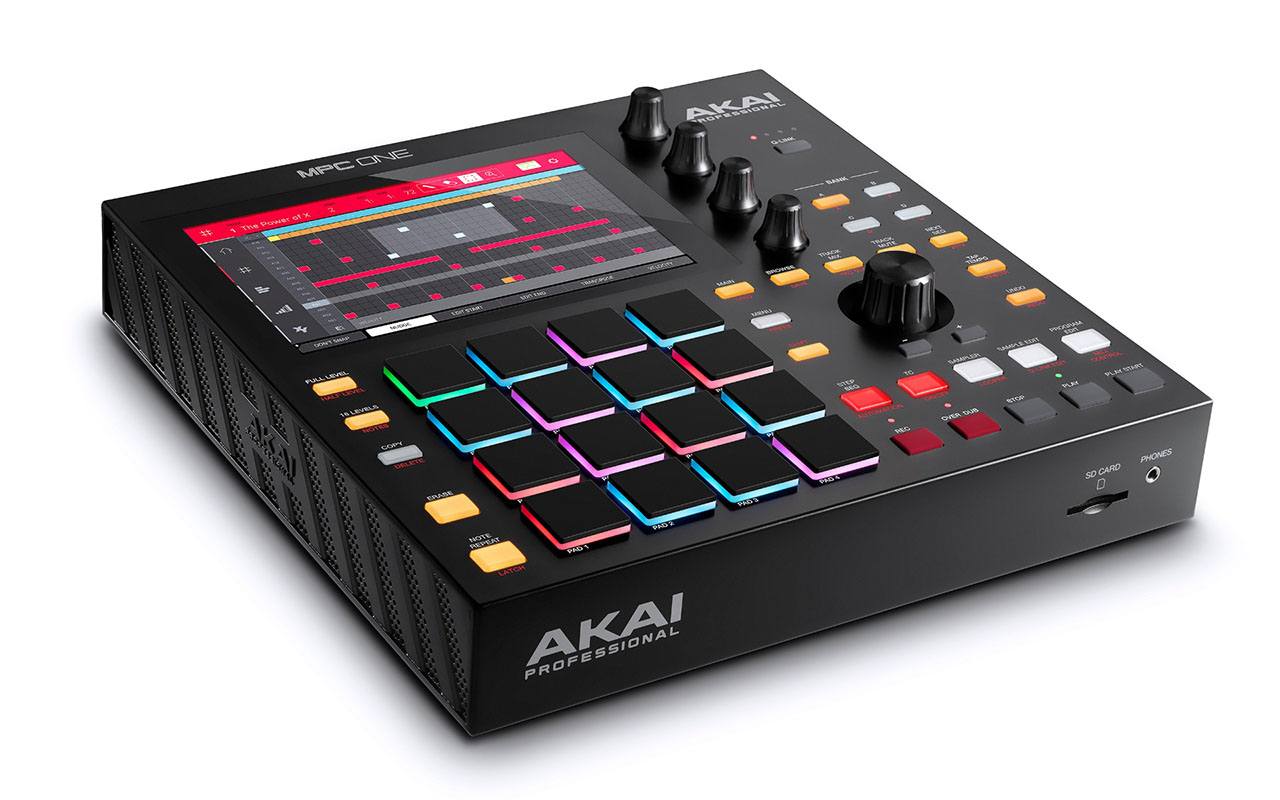
The MPC One is a powerful music-making machine that works all by itself—no computer needed. It has 16 colorful pads, a big touchscreen, and easy-to-use knobs to help you make beats, melodies, and more. You can plug in your other gear, record sounds, and even edit your music right on the screen. It's fast, fun, and built to grow with you as your music skills get better.
Polyend Tracker
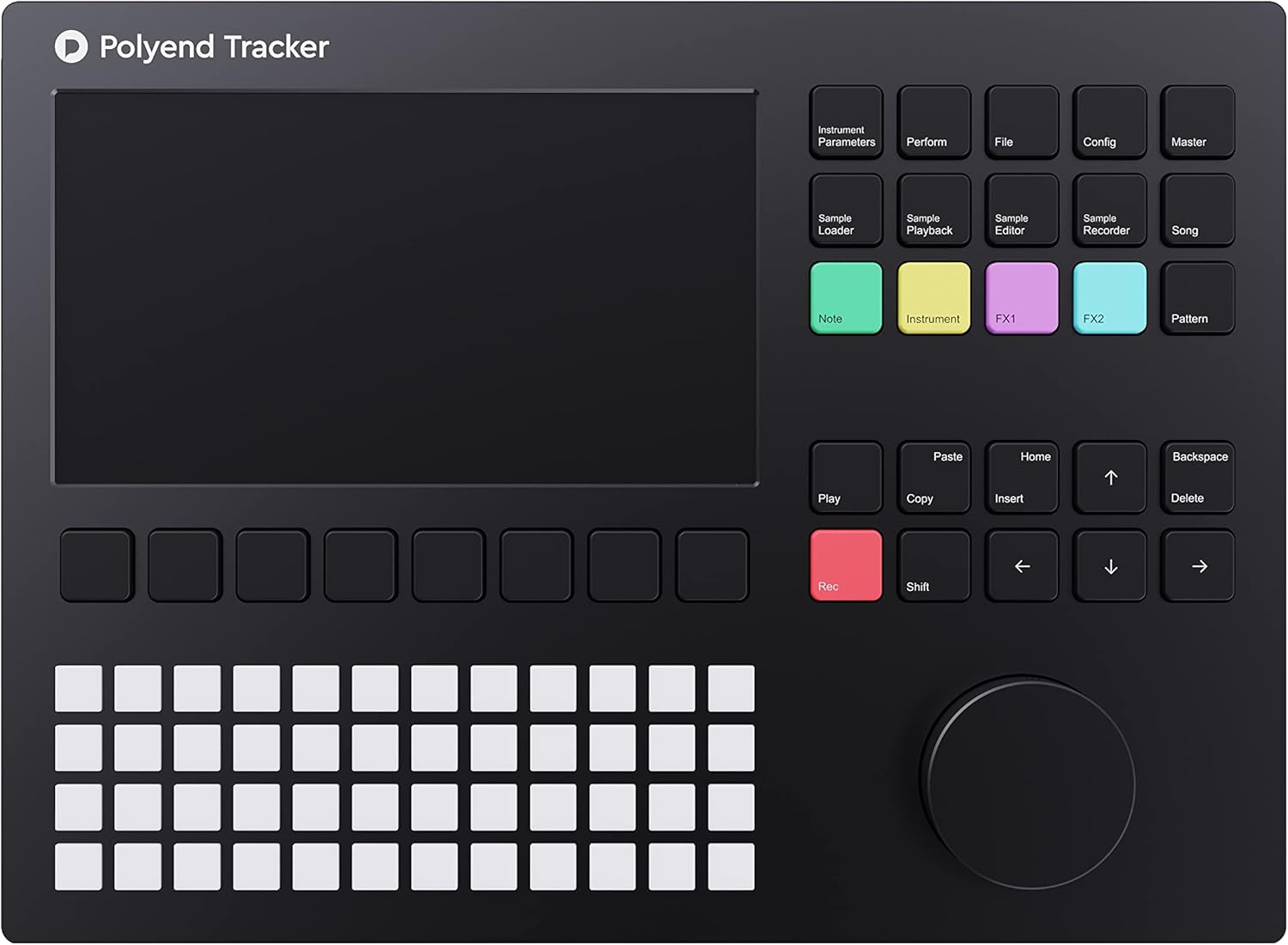
Polyend Tracker is a powerful, easy-to-use music workstation that helps you create and perform your own songs. It's compact, lightweight, and built for making music anywhere—at home, in the studio, or on the go. You can load in your own samples, record new ones with a mic or even from the built-in FM radio, then slice, shape, and play them your way. It has a simple layout, a strong sequencer, and tools like filters and effects to build full tracks. You can also connect it to other gear using MIDI. It's made for creative people who want a fresh, hands-on way to make music.
| Spec | Akai MPC One | Polyend Tracker |
|---|---|---|
| Manufacturer | Akai Professional | Polyend |
| Year Released | 2020 | 2020 |
| Polyphony | 128 | 64 |
| Sample Rate | 44.1kHz | 44.1kHz |
| Storage | Internal SSD | MicroSD card |
| Pads | 16 velocity-sensitive RGB pads | No pads, buttons for input |
| Sequencer | Yes | Yes |
| Effects | EQ, Reverb, Delay, Compression | Multiple effects |
| I/O | MIDI In/Out, USB, Audio In/Out | MIDI In/Out, USB, Audio In/Out |
| Screen | 7-inch multi-touch display | LCD display |
| Software Integration | MPC Software | No |
| Build | Standalone | Tracker-style sampler |
| Price | $700 | $599 |
| More about | Details | Details |
Buy the Akai MPC One on Amazon.com
Buy Now On AmazonBuy the Polyend Tracker on Amazon.com
Buy Now On AmazonAkai MPC One vs. Polyend Tracker: Which Sampler is Right for You?
Summary: The Akai MPC One and the Polyend Tracker are two popular samplers with different strengths. The MPC One is ideal for those who want a versatile, all-in-one production center, while the Polyend Tracker offers a unique approach for creative sequencing. Let’s dive into their features and see which one might be your perfect match.
Introduction
Hey there, music makers! If you’re reading this, you’re probably on the hunt for a new sampler. Samplers are awesome tools that let you create music by recording and manipulating sounds. Today, we’re going to talk about two exciting options: the Akai MPC One and the Polyend Tracker. Both of these devices are loved by musicians, but they’re quite different. Let’s explore what each one has to offer and help you decide which is best for your musical journey.
Feature Comparisons
Year of Release and Build
Both the Akai MPC One and the Polyend Tracker were released in 2020. Even though they came out in the same year, they are built for different kinds of musicians. The MPC One is a standalone device, meaning it’s like having a mini studio in one box. On the other hand, the Polyend Tracker is a tracker-style sampler. This might sound fancy, but it basically means it uses a different way to arrange and play your sounds.
Sound and Polyphony
Polyphony is a big word, but it’s really important for making music. It tells you how many sounds you can play at the same time. The Akai MPC One has a polyphony of 128, which means it can handle lots of sounds without breaking a sweat. The Polyend Tracker has a polyphony of 64, which is less than the MPC One but still pretty good. Both samplers have a sample rate of 44.1kHz, so they can capture high-quality sounds.
Storage and Inputs
When it comes to storage, the MPC One uses an internal SSD. This is great because it’s fast and you don’t have to worry about losing a tiny card. The Polyend Tracker uses a MicroSD card, which is handy if you like swapping cards to organize your sounds.
Both devices have the necessary inputs and outputs: MIDI In/Out, USB, and Audio In/Out. This means you can easily connect them to other gear and instruments.
Pads and Buttons
Playing your sampler is where things get really fun. The Akai MPC One has 16 velocity-sensitive RGB pads. That’s a fancy way to say that the pads light up in different colors and respond to how hard you hit them. The Polyend Tracker doesn’t have pads like the MPC One. Instead, it uses buttons for input. This might take some getting used to if you’ve never tried it, but some people prefer it.
Sequencer and Effects
Both samplers come with a sequencer, which helps you arrange your sounds and create complete songs. The MPC One has a traditional sequencer, while the Polyend Tracker offers a unique sequencing approach that many find inspiring.
In terms of effects, the MPC One is packed with options like EQ, Reverb, Delay, and Compression. The Polyend Tracker also has multiple effects to spice up your sounds, though it doesn’t list them out as clearly.
Screen and Software Integration
The screen on your sampler is like a window into your music world. The MPC One has a large 7-inch multi-touch display, which makes it easy to see what you’re doing. The Polyend Tracker has an LCD display, which is smaller but still does the job.
If you like using software, the MPC One integrates with MPC Software. This can be super useful if you like working on your computer sometimes. The Polyend Tracker doesn’t have software integration, which means you’ll do everything on the device itself.
Price
Now let’s talk about price. The Akai MPC One costs around $700. The Polyend Tracker is more expensive at $1200. Budget is important, so keep this in mind when choosing.
Pros and Cons
Akai MPC One
Pros:
- Versatile Production: The MPC One is like a complete studio in one box. You can do everything from creating beats to recording full songs.
- User-Friendly Pads: The 16 velocity-sensitive RGB pads are fun and easy to use.
- Affordable: At $700, it’s a more budget-friendly option for many musicians.
Cons:
- Standalone Only: While it integrates with MPC Software, some users might prefer more computer-based options.
- Learning Curve: There’s a lot to learn, which might be tricky for beginners.
Polyend Tracker
Pros:
- Unique Sequencing: The tracker-style sequencer is different and might inspire new creative ideas.
- Portable: It’s compact and easy to carry around.
- Multiple Effects: Offers a variety of effects to experiment with.
Cons:
- No Pads: Some users might miss having the pads for playing and creating beats.
- Higher Price: At $1200, it’s more expensive than the MPC One.
- No Software Integration: You’ll be doing everything on the device, which might not suit everyone.
Final Verdict
So, who are these samplers best for? The Akai MPC One is perfect for those who want a powerful, all-in-one music production center. It’s great if you love using pads and want something that integrates with software for more flexibility.
On the other hand, the Polyend Tracker is ideal for musicians looking for a unique approach to sequencing. If you’re someone who loves experimenting with new ways to make music, and you don’t mind not having pads, this might be the sampler for you.
In the end, both devices have their own charm. Think about what features matter most to you and how you like to create music. Whether you choose the MPC One or the Tracker, you’re sure to have a blast making music!