Akai MPC One — VS — Polyend Tracker+
Akai MPC One
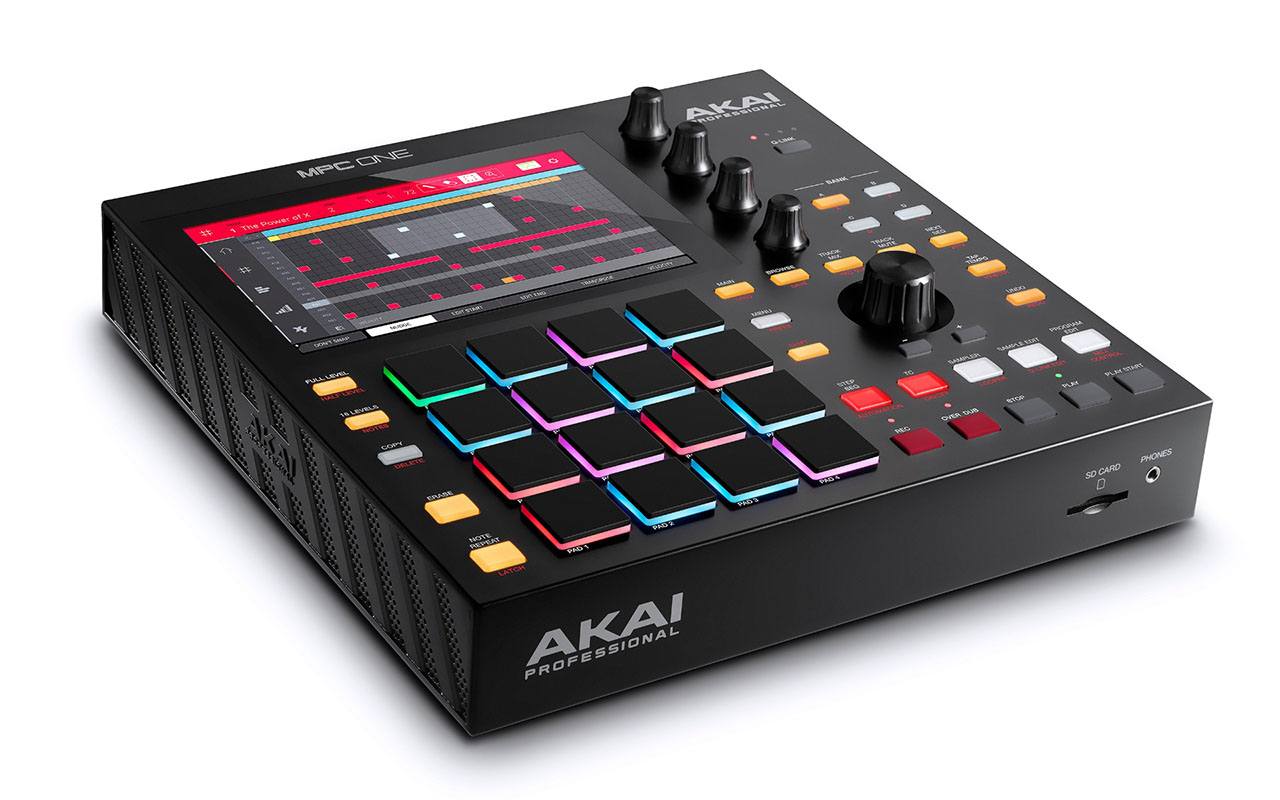
The MPC One is a powerful music-making machine that works all by itself—no computer needed. It has 16 colorful pads, a big touchscreen, and easy-to-use knobs to help you make beats, melodies, and more. You can plug in your other gear, record sounds, and even edit your music right on the screen. It's fast, fun, and built to grow with you as your music skills get better.
Polyend Tracker+
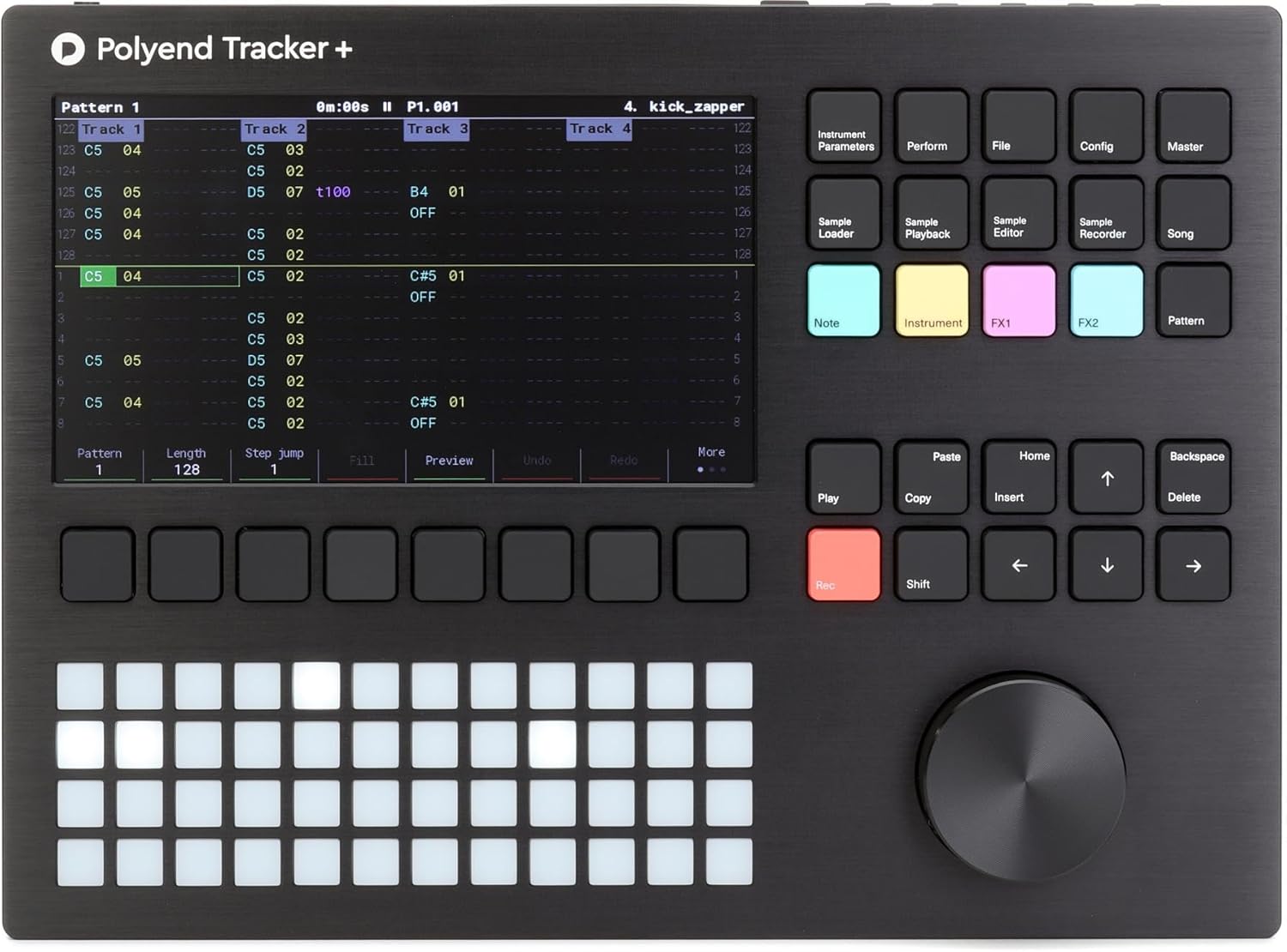
The Polyend Tracker+ is a powerful music-making machine that fits in a small, easy-to-use box. It combines a sampler, drum machine, synthesizer, and sequencer all in one. You get 16 tracks to build full songs, with half for instruments and half for MIDI. It has more memory, faster performance, and new sound tools to help you create better music. You can plug it into your computer with USB or use it on its own. It's perfect for musicians who want a simple but powerful way to make beats and songs anywhere.
| Spec | Akai MPC One | Polyend Tracker+ |
|---|---|---|
| Manufacturer | Akai Professional | Polyend |
| Year Released | 2020 | 2024 |
| Polyphony | 128 | 64 |
| Sample Rate | 44.1kHz | 44.1kHz |
| Storage | Internal SSD | MicroSD card |
| Pads | 16 velocity-sensitive RGB pads | No pads, buttons for input |
| Sequencer | Yes | 16-track Sequencer |
| Effects | EQ, Reverb, Delay, Compression | Multiple effects |
| I/O | MIDI In/Out, USB, Audio In/Out | Stereo Line In, Stereo Line/Headphones Out, MIDI In / MIDI Out,USB-C |
| Screen | 7-inch multi-touch display | LCD display |
| Software Integration | MPC Software | Yes, 14 tracks via USB to your DAW |
| Build | Standalone | Tracker-style sampler |
| Price | $700 | $799 |
| More about | Details | Details |
Buy the Akai MPC One on Amazon.com
Buy Now On AmazonBuy the Polyend Tracker+ on Amazon.com
Buy Now On AmazonQuick Summary
In this blog post, we’ll explore the Akai MPC One and the Polyend Tracker+. These two devices are both fantastic tools for making music, each with its own unique set of features. Whether you’re a beginner or a pro, this comparison will help you find the right sampler for your music-making journey.
Introduction
Hello, music lovers! Today, we’re diving into the world of music samplers. These magical devices let you create, mix, and explore sounds like never before. We’re comparing two popular samplers: the Akai MPC One and the Polyend Tracker+. Both are powerful in their own right but cater to different styles and preferences. Let’s explore their features and see which one might be the best fit for you!
Features Comparison
Build and Design
The Akai MPC One is a standalone music-making machine. This means you don’t need a computer to use it, which is great for making music on the go. It looks impressive with its 16 colorful, velocity-sensitive RGB pads, ideal for finger drumming and triggering samples. The 7-inch multi-touch display makes it easy to navigate and edit your music.
On the other hand, the Polyend Tracker+ has a more compact design. It doesn’t have pads like the MPC One but uses buttons for input, which can be a bit different for those used to pad-based systems. It features a tracker-style layout, which might appeal to those familiar with older music trackers. Its LCD display is smaller, yet it still provides a clear view of your sequences and samples.
Sound and Effects
Both devices offer rich sound capabilities, but they differ in their approaches. The MPC One boasts a 128-voice polyphony, allowing for complex and layered compositions. It also comes loaded with effects like EQ, Reverb, Delay, and Compression, which can be applied to your tracks to enhance the sound.
In contrast, the Polyend Tracker+ offers 64-voice polyphony. While it has fewer voices than the MPC One, it makes up for it with multiple effects that can be creatively applied. This includes unique sound tools that are updated with new features, making it a versatile choice for sound design.
Sequencing and Memory
The MPC One features a traditional sequencer, making it easy to arrange and edit your tracks. It also has internal SSD storage, which provides ample space for your samples and projects. With software integration via MPC Software, it’s a breeze to connect and expand your music-making capabilities.
Meanwhile, the Polyend Tracker+ shines with its 16-track sequencer. This setup allows you to build full songs with half the tracks dedicated to instruments and the other half to MIDI. Its storage is based on a MicroSD card, which is handy for swapping projects and samples. The Tracker+ also offers software integration with a DAW, allowing for seamless transition between hardware and software environments.
Connectivity
When it comes to connectivity, both devices offer robust options. The MPC One features MIDI In/Out, USB, and Audio In/Out, making it easy to connect with other gear. Its ability to integrate with other devices makes it a flexible hub for your studio.
The Polyend Tracker+ also provides a variety of options with Stereo Line In, Stereo Line/Headphones Out, MIDI In/Out, and USB-C. This makes it easy to connect to both computers and other external devices, offering musicians a seamless workflow.
Pros and Cons
Akai MPC One
Pros:
- Standalone functionality - no computer needed
- Large, colorful pads for intuitive playing
- Powerful effects and sound capabilities
- Ample internal storage
- Easy-to-use multi-touch display
Cons:
- Larger and heavier, less portable
- Higher learning curve for beginners
Polyend Tracker+
Pros:
- Compact and portable design
- Powerful 16-track sequencer
- Unique sound tools with regular updates
- Easy integration with DAWs
- Ideal for those familiar with tracker-style workflows
Cons:
- No pads, which might be less intuitive for some
- Smaller screen compared to the MPC One
Who Are They Best For?
The Akai MPC One is perfect for music producers who want a comprehensive, standalone system with tactile, pad-based control. Its rich feature set and intuitive interface make it ideal for anyone from hobbyists to professional producers looking to perform live or work in a studio setting.
In contrast, the Polyend Tracker+ is well-suited for musicians who prefer a compact, versatile device with a tracker-style workflow. It’s excellent for those who enjoy experimenting with sounds and want a portable solution that easily integrates with a computer setup.
Conclusion
Both the Akai MPC One and the Polyend Tracker+ offer unique features that cater to different music-making needs. If you need a standalone powerhouse with colorful pads and a big touchscreen, the MPC One is a fantastic choice. However, if you want a portable, tracker-style device with robust sequencing capabilities, the Tracker+ is your go-to option. Happy music-making!