Akai MPC One — VS — Roland SP-404A
Akai MPC One
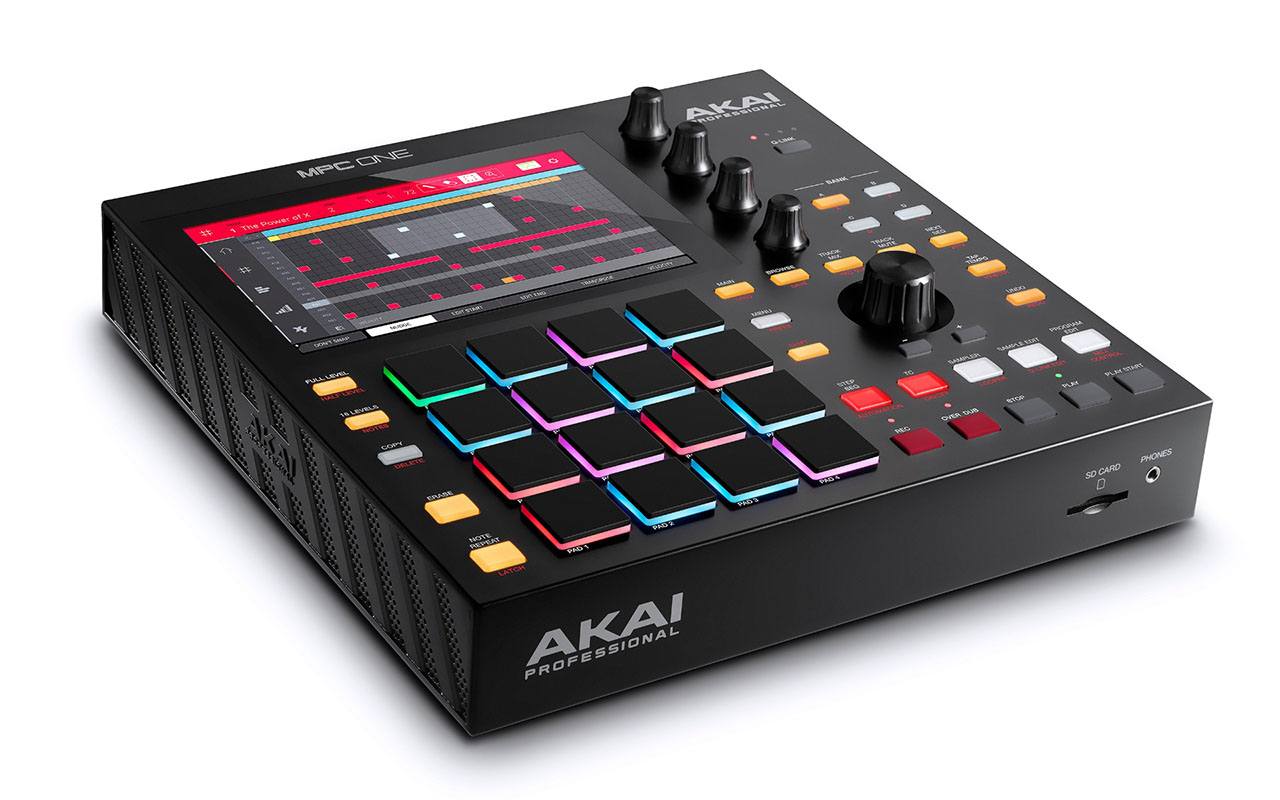
The MPC One is a powerful music-making machine that works all by itself—no computer needed. It has 16 colorful pads, a big touchscreen, and easy-to-use knobs to help you make beats, melodies, and more. You can plug in your other gear, record sounds, and even edit your music right on the screen. It's fast, fun, and built to grow with you as your music skills get better.
Roland SP-404A
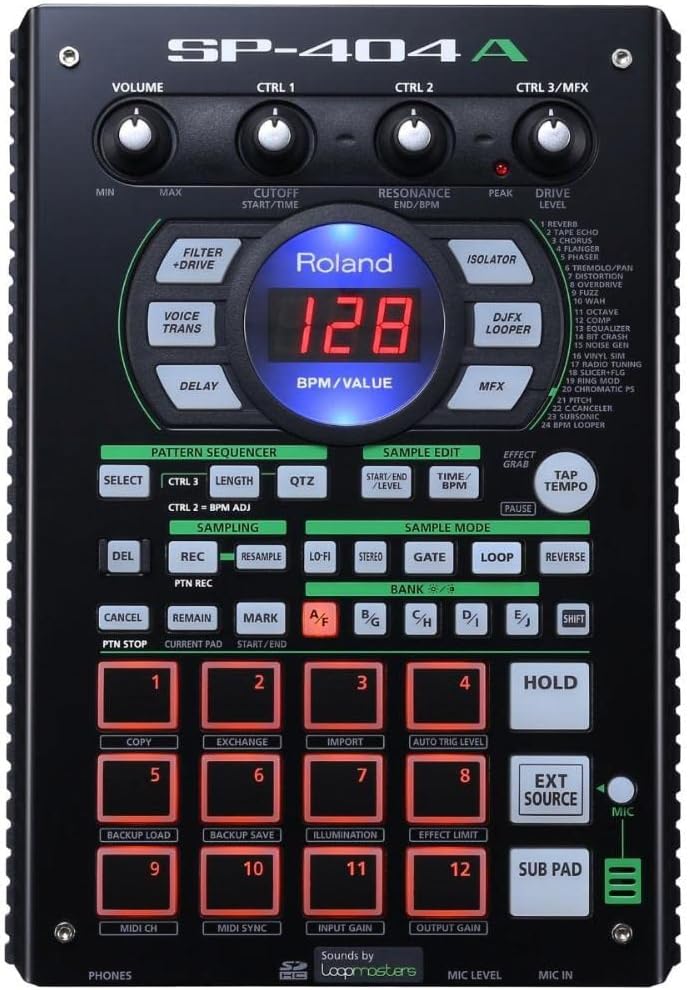
The SP-404A is a fun music machine made for live shows. You can use it to play cool sounds, beats, and effects. It works really well with another music tool called the Roland TR-8, but you can also use it by itself. It has 12 big buttons you can press to play sounds, plus lots of awesome effects to change how your music feels. It even comes with a card full of great sounds to get you started. Whether you're a DJ, a musician, or just love making beats, the SP-404A helps you create music in a fun and easy way.
| Spec | Akai MPC One | Roland SP-404A |
|---|---|---|
| Manufacturer | Akai Professional | Roland |
| Year Released | 2020 | 2017 |
| Polyphony | 128 | 128 |
| Sample Rate | 44.1kHz | 44.1kHz |
| Storage | Internal SSD | SD card |
| Pads | 16 velocity-sensitive RGB pads | 12 velocity-sensitive pads |
| Sequencer | Yes | No |
| Effects | EQ, Reverb, Delay, Compression | Vintage effects, Reverb, Delay |
| I/O | MIDI In/Out, USB, Audio In/Out | MIDI In/Out, USB, Audio In/Out |
| Screen | 7-inch multi-touch display | OLED display |
| Software Integration | MPC Software | Roland Software |
| Build | Standalone | Portable |
| Price | $700 | $600 |
| More about | Details | Details |
Buy the Akai MPC One on Amazon.com
Buy Now On AmazonBuy the Roland SP-404A on Amazon.com
Buy Now On AmazonAkai MPC One vs. Roland SP-404A: A Battle of Beats
Summary: Discover the differences between the Akai MPC One and the Roland SP-404A. Learn which sampler suits your music needs best in this detailed comparison.
Introduction
Welcome to the world of music samplers! If you’re a budding music producer or a seasoned beatmaker, you know that the right equipment can make all the difference. Today, we’re diving into two popular samplers: the Akai MPC One and the Roland SP-404A. These devices are loved by music creators worldwide for their unique features and capabilities. But which one is right for you? Let’s explore!
Features Compared
Design and Build
The Akai MPC One and Roland SP-404A differ in their design philosophy. The MPC One, released in 2020 by Akai Professional, is a compact standalone device, which means it can operate independently without a computer. It features a sturdy build with 16 velocity-sensitive RGB pads that light up beautifully, making it visually exciting and easy to use in low-light settings. Its 7-inch multi-touch display is a game-changer, offering an intuitive interface to navigate through the device’s many features.
On the other hand, the Roland SP-404A, a 2017 update from Roland, is known for its portability. Its design is simple yet effective, with 12 velocity-sensitive pads that are slightly less colorful but still responsive. The SP-404A’s portability makes it an excellent choice for on-the-go music creation, fitting comfortably in a backpack. Its OLED display may not be as large as the MPC One’s screen, but it provides clear visibility of essential information.
Sound and Effects
Both samplers boast a polyphony of 128 voices and a sample rate of 44.1kHz, ensuring high-quality sound production. The Akai MPC One shines with its comprehensive suite of effects, including EQ, reverb, delay, and compression. These effects allow for extensive sound shaping and customization, offering a full production experience in one device.
The Roland SP-404A, while slightly less feature-rich in terms of effects, brings its unique flavor with vintage effects that give your music a classic touch. It also offers reverb and delay, perfect for adding depth and space to your tracks. If you’re a fan of retro sounds, the SP-404A might be more up your alley.
Storage and Connectivity
When it comes to storage, the Akai MPC One comes equipped with an internal SSD, providing ample space for storing your projects and samples directly on the device. This is ideal for producers who prefer a more integrated workflow.
In contrast, the Roland SP-404A relies on SD cards for storage. This makes it easy to swap out cards for different projects or expand storage capacity as needed. However, it might require more careful management of your samples and projects.
Both devices offer robust connectivity options, including MIDI In/Out, USB, and Audio In/Out, ensuring they can easily integrate into any studio setup or live performance rig.
Sequencing and Software Integration
The Akai MPC One is a powerhouse when it comes to sequencing, featuring a full sequencer that allows you to arrange and edit your beats with precision. It also integrates seamlessly with Akai’s MPC Software, offering an extended platform for more complex projects.
In contrast, the Roland SP-404A does not include a sequencer, focusing instead on live performance and sample triggering. It integrates with Roland Software, providing a different kind of workflow that might appeal to those who prioritize live performance over in-depth sequencing.
Pros and Cons
Akai MPC One
Pros:
- Standalone Functionality: Operate independently without a computer.
- Large Touchscreen Display: Easy navigation and detailed visual feedback.
- Comprehensive Effects Suite: Offers a wide range of sound-shaping tools.
- Full Sequencer: Perfect for detailed beat creation and arrangement.
Cons:
- Higher Price Point: At $700, it’s more expensive than the SP-404A.
- Less Portable: Due to its size, it’s less convenient for travel.
Roland SP-404A
Pros:
- Portability: Compact and easy to carry for on-the-go music making.
- Vintage Effects: Unique sound character for retro music lovers.
- Affordable: Priced at $600, it’s more budget-friendly.
Cons:
- Limited Screen Size: Smaller display can be less intuitive for detailed editing.
- No Sequencer: Limits in-depth beat arrangement capabilities.
Final Verdict
Choosing between the Akai MPC One and the Roland SP-404A really comes down to how you plan to use the sampler.
For the Studio Producer: If you’re working primarily in a studio setting and need a comprehensive tool for production, the Akai MPC One is the better choice. Its standalone functionality, large touchscreen, and extensive effects suite make it an excellent centerpiece for any music production setup.
For the Performer on the Go: Meanwhile, if you’re a live performer or someone who values portability and vintage sound, the Roland SP-404A offers a compact, affordable, and efficient option. Its unique effects and ease of transport make it perfect for live gigs and spontaneous music creation.
In summary, both samplers are fantastic tools, each with their own strengths. Consider your specific needs and workflow, and you’ll be sure to pick the right one for your musical journey.