Akai MPC One — VS — Synthstrom Deluge
Akai MPC One
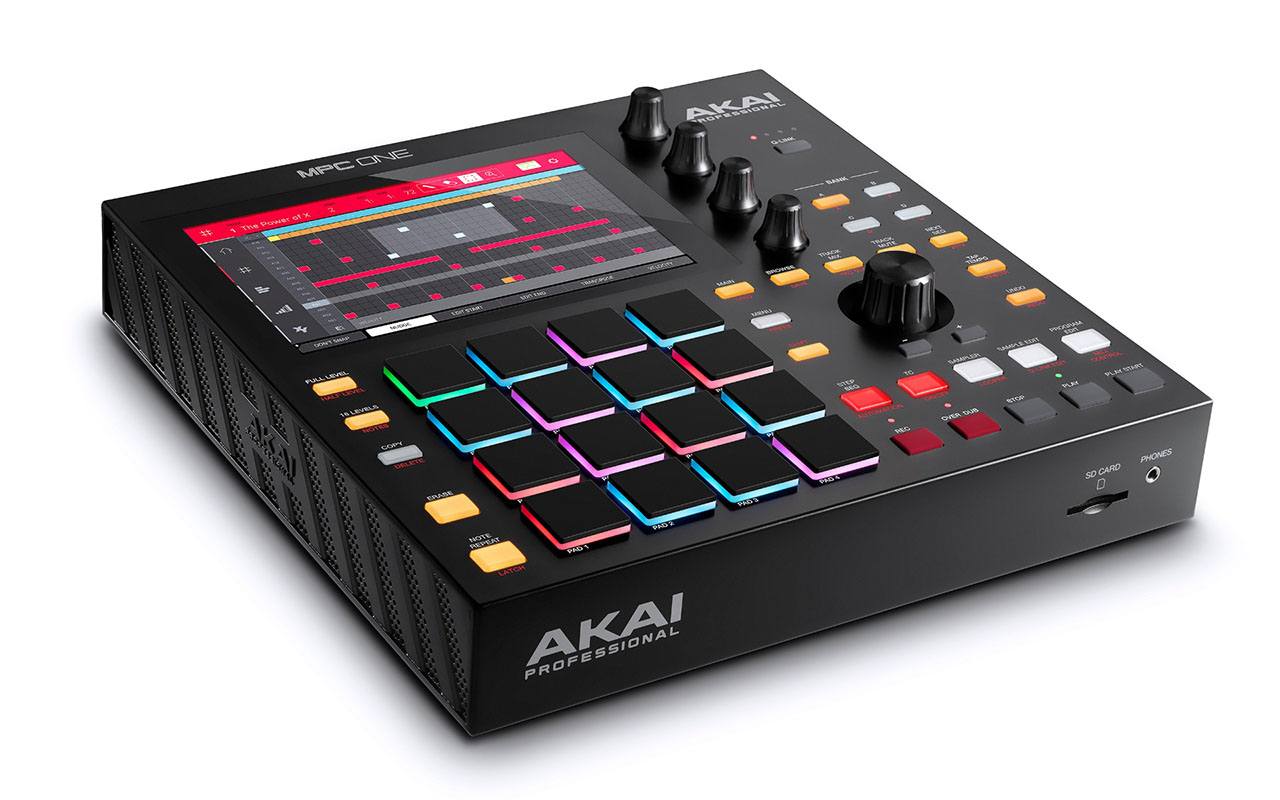
The MPC One is a powerful music-making machine that works all by itself—no computer needed. It has 16 colorful pads, a big touchscreen, and easy-to-use knobs to help you make beats, melodies, and more. You can plug in your other gear, record sounds, and even edit your music right on the screen. It's fast, fun, and built to grow with you as your music skills get better.
Synthstrom Deluge
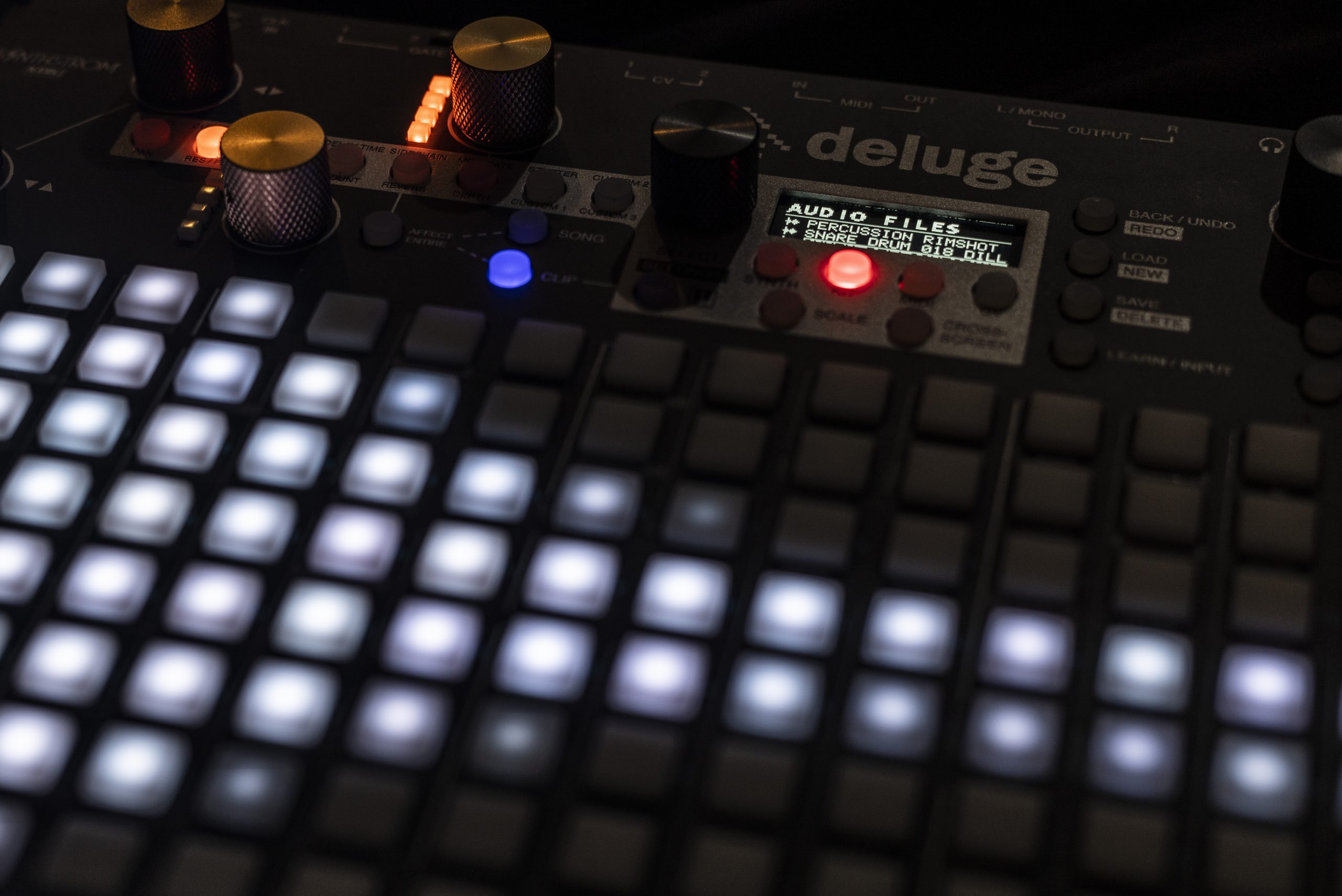
The Synthstrom Deluge is a powerful all-in-one music production workstation that combines a synthesizer, sampler, sequencer, and audio looper in a compact, portable design. Featuring a versatile internal synth engine (subtractive, wavetable, and FM), deep modulation capabilities, and MPE support, it allows for rich sound design and expressive control. Its 128-pad interface enables piano-roll-style sequencing, live performance, and arranging with features like Euclidean sequencing, probability, and advanced timing options. The Deluge streams samples directly from SD, supports multisampling and resampling, and includes robust live looping tools with seamless overdubbing. With extensive connectivity (CV/gate, MIDI, USB), a built-in mic and speaker, and a rechargeable battery for standalone operation, the Deluge is a fully self-contained music creation tool designed for both studio composition and live performance.
| Spec | Akai MPC One | Synthstrom Deluge |
|---|---|---|
| Manufacturer | Akai Professional | Synthstrom Audible |
| Year Released | 2020 | 2017 |
| Polyphony | 128 | 128 |
| Sample Rate | 44.1kHz | 44.1kHz |
| Storage | Internal SSD | MicroSD card |
| Pads | 16 velocity-sensitive RGB pads | No pads, uses buttons and keyboard |
| Sequencer | Yes | Yes |
| Effects | EQ, Reverb, Delay, Compression | Multiple effects |
| I/O | MIDI In/Out, USB, Audio In/Out | MIDI In/Out, USB, Audio In/Out |
| Screen | 7-inch multi-touch display | LCD display |
| Software Integration | MPC Software | No |
| Build | Standalone | Standalone sampler/synth/sequencer |
| Price | $700 | $1529 |
| More about | Details | Details |
Buy the Akai MPC One on Amazon.com
Buy Now On AmazonBuy the Synthstrom Deluge on Amazon.com
Buy Now On AmazonAkai MPC One vs. Synthstrom Deluge: A Battle of the Samplers
Welcome to another exciting post for all music gear enthusiasts! Today, we’re diving into a comparison between two intriguing samplers: the Akai MPC One and the Synthstrom Deluge. Each of these devices has its own unique strengths and features, making them appealing to different types of music creators. Whether you’re looking to create beats on the go or produce electronic music in your studio, this post will help you figure out which sampler might be the best fit for you.
A Brief Overview
Before we get into the nitty-gritty details, here’s a quick summary: The Akai MPC One is a compact standalone music production center known for its intuitive pads and touchscreen interface. Meanwhile, the Synthstrom Deluge offers a powerful blend of sampling, synthesizing, and sequencing capabilities with an innovative button and keyboard interface. Both devices are standalone units, meaning you don’t need a computer to make music with them, but they cater to slightly different needs and budgets.
Features Face-Off
Design and Build
The Akai MPC One is a modern piece of gear, released in 2020 by Akai Professional. It’s designed to be compact yet powerful, with a 7-inch multi-touch display that makes navigation and editing a breeze. The device is equipped with 16 velocity-sensitive RGB pads that are perfect for finger drumming and triggering samples. The build quality is robust, making it ideal for both studio and live performances.
On the other hand, the Synthstrom Deluge, introduced in 2017 by Synthstrom Audible, is more of an all-in-one workstation. It may lack traditional pads, but it compensates with a grid of buttons and a keyboard that serve multiple functions, from playing notes to arranging songs. Its LCD display is smaller and more basic compared to the Akai MPC One’s touchscreen, but it’s packed with features that encourage creativity.
Sound and Sampling
Both samplers offer 128-note polyphony and a sample rate of 44.1kHz, which ensures high-quality sound production. However, the storage options differ significantly. The Akai MPC One comes with an internal SSD, providing faster access to samples and projects. Meanwhile, the Synthstrom Deluge relies on a MicroSD card for storage, which can be seen as a limitation or a benefit, depending on your preference for expandable storage.
Effects and Sequencing
When it comes to effects, the Akai MPC One is equipped with EQ, reverb, delay, and compression. This array of effects gives producers the tools to shape their sound straight out of the box. Its sequencer is also user-friendly, allowing for easy song arrangement.
The Synthstrom Deluge, however, takes effects to the next level with a wider variety of options. While it doesn’t specify the exact types of effects, users appreciate its depth and flexibility. The sequencer on the Deluge is particularly noteworthy; it’s seen as one of the most intuitive and powerful on the market, allowing for complex arrangements and live performances.
Connectivity and Software
Both devices boast comprehensive connectivity options, including MIDI In/Out, USB, and Audio In/Out, which make them versatile in various setups. However, the Akai MPC One shines with its integration with MPC Software, which allows for seamless transitions between hardware and digital workflows.
In contrast, the Synthstrom Deluge operates without any software integration. This could be seen as a downside for those who prefer a hybrid setup, but it’s a plus for purists who want to keep their focus on the hardware.
Pros and Cons
Akai MPC One
Pros:
- User-friendly interface with a 7-inch multi-touch display
- 16 velocity-sensitive RGB pads for expressive playing
- Internal SSD for fast sample access
- Seamless integration with MPC Software
Cons:
- Limited effects compared to the Deluge
- Smaller screen than some other devices
- May not satisfy those looking for a pure synthesizer experience
Synthstrom Deluge
Pros:
- Extensive sequencer and versatile effects options
- All-in-one design with sampling, synthesis, and sequencing
- Highly regarded for live performances
- Portable and compact
Cons:
- Higher price point at $2000
- Lacks the intuitive touchscreen interface
- No pads, which might deter traditional beatmakers
Who Are They Best For?
The Akai MPC One is perfect for beatmakers and producers who enjoy a tactile experience with pads and prefer a user-friendly interface. Its integration with MPC Software is a big plus for those who want to move between hardware and software seamlessly. It’s also an excellent choice for those on a budget, priced at around $700.
The Synthstrom Deluge is ideal for electronic musicians who want a powerful, all-in-one machine that excels in live settings. Its advanced sequencer and effects make it a favorite among those who like to experiment and perform live. While the price is steep, the depth of features justifies the investment for serious musicians.
Final Verdict
In the end, choosing between the Akai MPC One and the Synthstrom Deluge boils down to your specific needs and budget. If you’re a beatmaker looking for an affordable, intuitive device with software integration, the Akai MPC One may be your best bet. However, if you crave a more advanced, feature-rich sampler for live performances and can handle the higher price tag, the Synthstrom Deluge could be the right choice for you.
Whichever you choose, both devices offer a world of creative possibilities to explore and enjoy. Happy music-making!