Akai MPC One — VS — Teenage Engineering EP-133 K.O. II Sampler
Akai MPC One
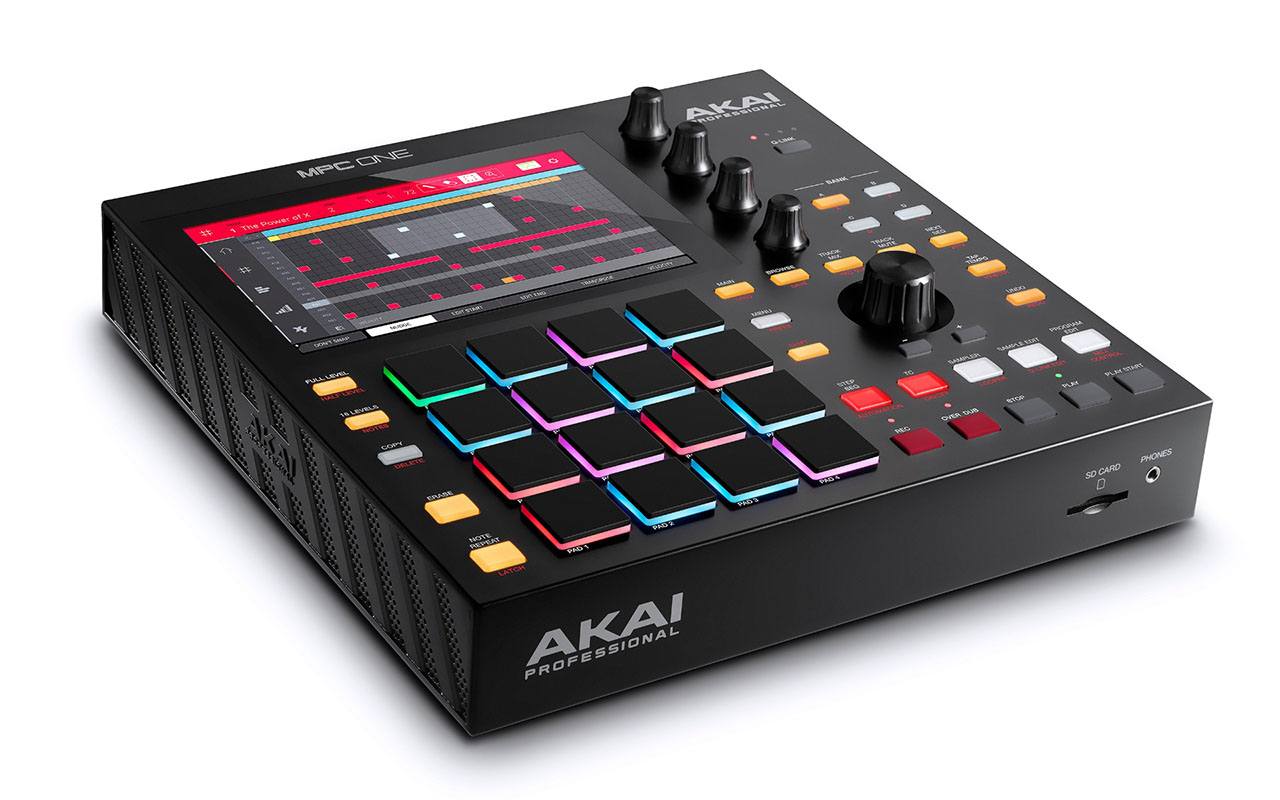
The MPC One is a powerful music-making machine that works all by itself—no computer needed. It has 16 colorful pads, a big touchscreen, and easy-to-use knobs to help you make beats, melodies, and more. You can plug in your other gear, record sounds, and even edit your music right on the screen. It's fast, fun, and built to grow with you as your music skills get better.
Teenage Engineering EP-133 K.O. II Sampler
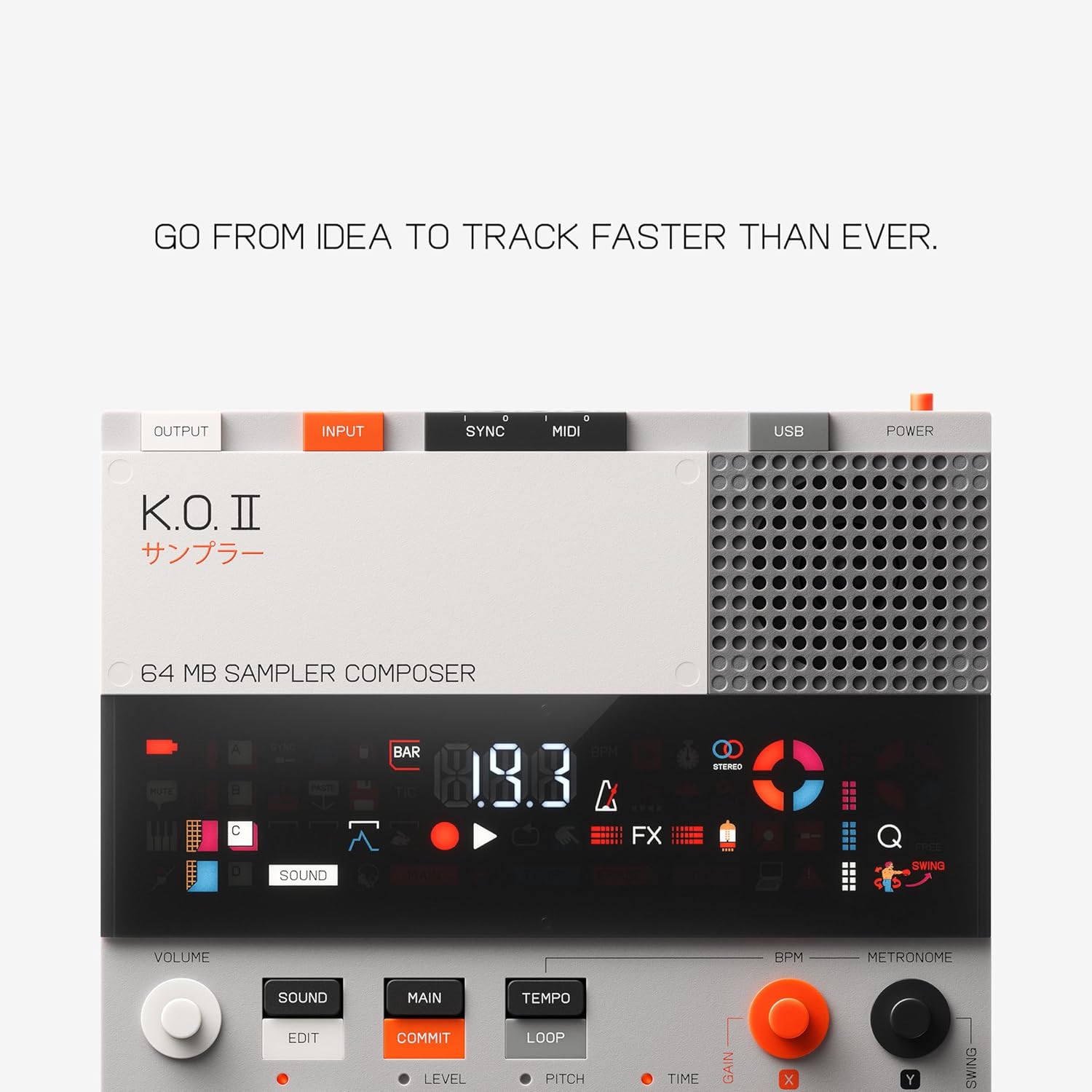
The EP-133 K.O. II is Teenage Engineering's next-gen portable sampler. It features punchy pads, step sequencing, powerful FX, and sample warping—all in a stylish and compact design. It's a fantastic upgrade from the original PO-33 for musicians looking for portability and hands-on performance.
| Spec | Akai MPC One | Teenage Engineering EP-133 K.O. II Sampler |
|---|---|---|
| Manufacturer | Akai Professional | Teenage Engineering |
| Year Released | 2020 | 2023 |
| Polyphony | 128 | Polyphonic (unspecified) |
| Sample Rate | 44.1kHz | 16-bit / 46.875kHz |
| Storage | Internal SSD | Internal + microSD |
| Pads | 16 velocity-sensitive RGB pads | 16 velocity-sensitive pads |
| Sequencer | Yes | Yes |
| Effects | EQ, Reverb, Delay, Compression | Filter, Delay, Reverb, Compression |
| I/O | MIDI In/Out, USB, Audio In/Out | USB-C, Line In/Out, MIDI via TRS |
| Screen | 7-inch multi-touch display | OLED display |
| Software Integration | MPC Software | Minimal, plug-and-play |
| Build | Standalone | Durable plastic housing with step sequencer |
| Price | $700 | $299 |
| More about | Details | Details |
Buy the Akai MPC One on Amazon.com
Buy Now On AmazonBuy the Teenage Engineering EP-133 K.O. II Sampler on Amazon.com
Buy Now On AmazonSampler Showdown: Akai MPC One vs. Teenage Engineering EP-133 K.O. II Sampler
If you’re a music lover or a beatmaker, you know how important it is to have the right tools. Today, we’re comparing two popular samplers: the Akai MPC One and the Teenage Engineering EP-133 K.O. II Sampler. Both of these devices are unique and offer different features. Let’s dive in and see which one might be the best fit for your music-making journey!
Introduction
Samplers are like magic boxes that let you create music by recording and manipulating sounds. They can help you turn a simple beat into a full song. The Akai MPC One and the Teenage Engineering EP-133 K.O. II are two exciting options in the world of samplers. They each have their strengths and weaknesses, which we’ll explore in this post. Whether you’re a beginner or a seasoned producer, there’s something in this comparison for you!
Meet the Contenders
Akai MPC One
Akai Professional is a well-known brand in the music industry, and the MPC One is a powerful machine released in 2020. It boasts 128 voices of polyphony, which means it can play up to 128 notes simultaneously. It has a large 7-inch multi-touch display, making it easy to navigate through its features. The MPC One is a standalone device, meaning you don’t need a computer to make music. It’s packed with 16 colorful velocity-sensitive pads, and it includes a variety of effects like EQ, Reverb, Delay, and Compression. With a price tag of $700, it’s designed for serious music creators.
Teenage Engineering EP-133 K.O. II Sampler
Released in 2023, the Teenage Engineering EP-133 K.O. II is a portable and stylish sampler. It’s not just an upgrade from the original PO-33; it’s a whole new experience. With polyphonic capabilities, 16 velocity-sensitive pads, and a sleek OLED display, it’s perfect for musicians on the go. It supports sample rates up to 16-bit / 46.875kHz and offers internal storage plus a microSD slot. Priced at $299, it’s a budget-friendly option for those looking for portability without sacrificing performance.
Feature Comparison
Build and Design
The Akai MPC One is built to be a standalone powerhouse. Its robust design includes an internal SSD for storage, which ensures quick access to your sounds and beats. The 7-inch display is a standout feature, offering a clear and interactive way to control your music. Its intuitive interface makes it easy to edit and arrange your compositions.
On the other hand, the Teenage Engineering EP-133 K.O. II is all about portability. Encased in durable plastic, it’s lightweight and compact. The OLED display, though smaller than the MPC One’s screen, provides clear visuals and is complemented by a step sequencer for hands-on performance. Its minimalistic design makes it ideal for musicians who need a device that’s easy to carry around.
Sound and Effects
When it comes to sound, the MPC One shines with its 44.1kHz sample rate and a broad range of effects. You can sculpt your sound with precision using its EQ, Reverb, Delay, and Compression features. The 16 velocity-sensitive RGB pads provide a colorful and responsive interface for live performances.
Meanwhile, the EP-133 K.O. II offers a unique sound experience with its 16-bit / 46.875kHz sample rate. It includes powerful FX options such as Filter, Delay, Reverb, and Compression. Despite its smaller size, it holds its ground with distinct sound manipulation features and sample warping capabilities.
Connectivity and Integration
The MPC One is equipped with extensive connectivity options, including MIDI In/Out, USB, and Audio In/Out. It integrates seamlessly with MPC Software, making it a versatile tool for studio setups. Its standalone build means you can create music without needing a computer, providing flexibility for various production environments.
Conversely, the EP-133 K.O. II offers USB-C, Line In/Out, and MIDI via TRS connections. While its software integration is minimal, its plug-and-play design ensures it’s easy to use right out of the box. This makes it an attractive option for musicians who prefer simplicity and straightforward functionality.
Pros and Cons
Akai MPC One
Pros:
- Large, user-friendly touch display
- High polyphony (128 voices)
- Extensive effects and sound sculpting
- Standalone operation without a computer
Cons:
- Higher price point ($700)
- Larger and less portable
Teenage Engineering EP-133 K.O. II Sampler
Pros:
- Compact and portable design
- Budget-friendly price ($299)
- Powerful FX and sample warping
- Easy plug-and-play operation
Cons:
- Smaller screen
- Unspecified polyphony limits
Conclusion
Both the Akai MPC One and the Teenage Engineering EP-133 K.O. II have their own unique strengths. The MPC One is perfect for those who need a powerful, standalone music production machine with robust features and extensive connectivity. It’s ideal for studio use and offers a lot for its price.
On the other hand, the EP-133 K.O. II is great for musicians who value portability and affordability. It’s an excellent choice for beginners or those who need a compact and effective sampler for on-the-go music-making.
Final Verdict
If you’re looking for a powerful, all-in-one music production tool, the Akai MPC One is the way to go. It’s perfect for serious producers who need a full-featured device.
However, if you’re just getting started or need something portable and easy to use, the Teenage Engineering EP-133 K.O. II Sampler is a fantastic choice. It’s affordable, stylish, and ready to travel with you wherever your music takes you.
Happy music-making!