Akai MPC One — VS — Teenage Engineering OP-1 Field
Akai MPC One
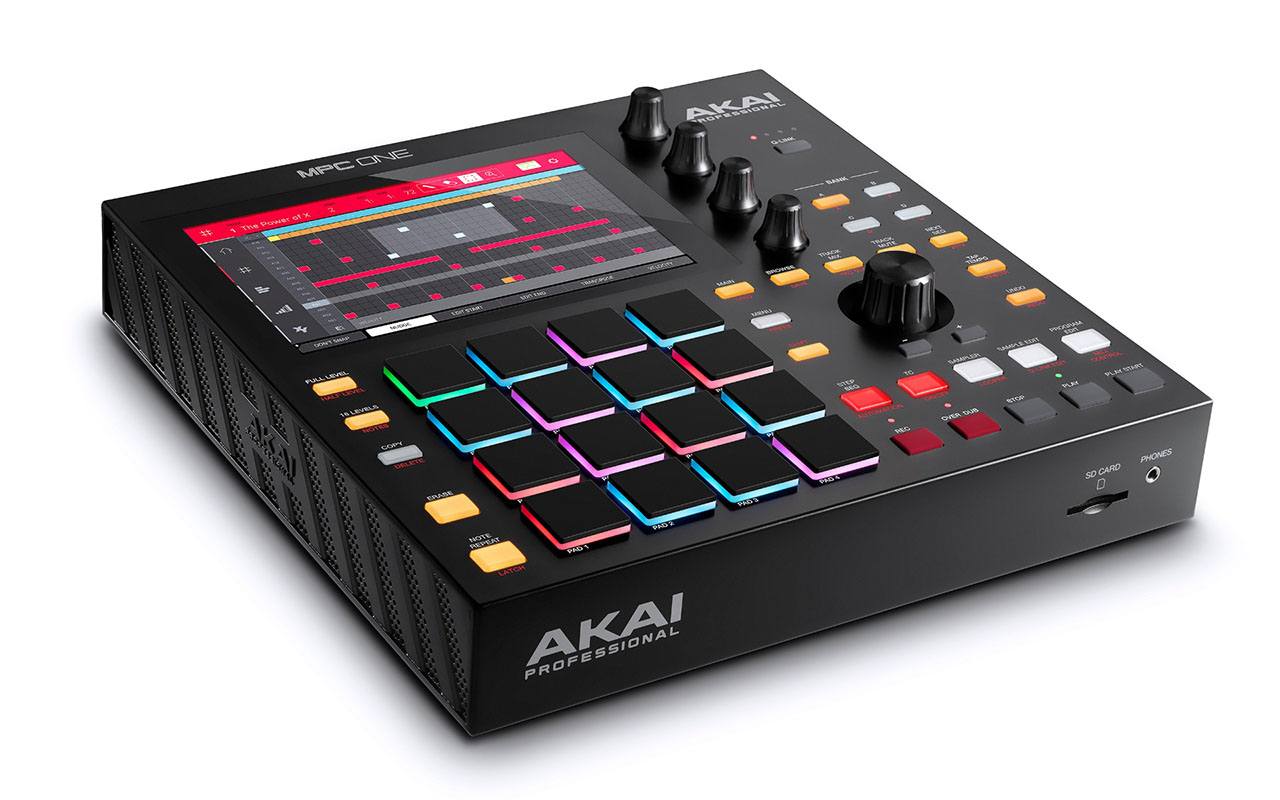
The MPC One is a powerful music-making machine that works all by itself—no computer needed. It has 16 colorful pads, a big touchscreen, and easy-to-use knobs to help you make beats, melodies, and more. You can plug in your other gear, record sounds, and even edit your music right on the screen. It's fast, fun, and built to grow with you as your music skills get better.
Teenage Engineering OP-1 Field
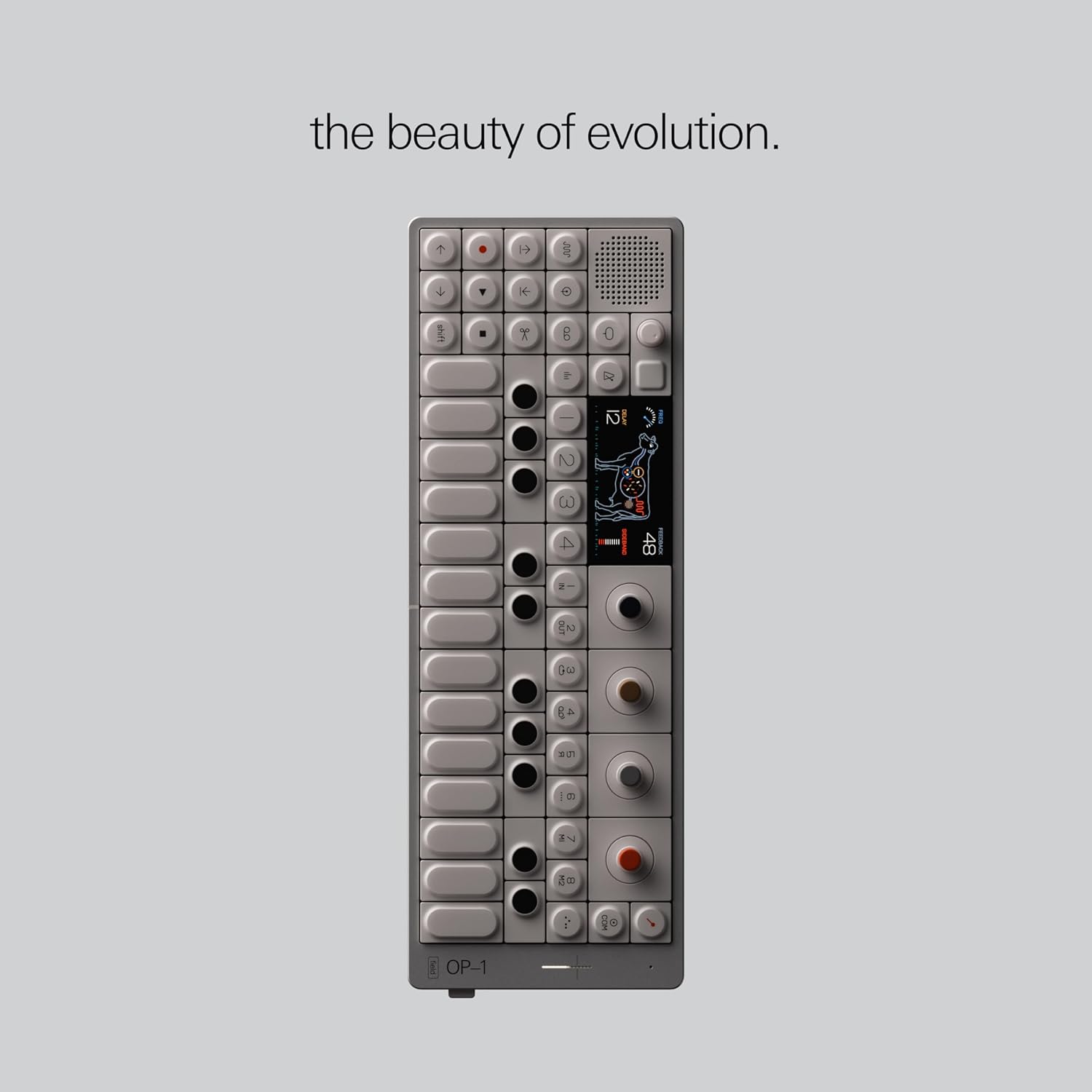
The OP-1 Field is a super cool, all-in-one music maker you can take anywhere. It's small, strong, and sounds amazing. You can play music, record sounds, and mix it all together right on the device. It has a bright screen, loud speakers, and even velcro on the back to add fun stuff. You can connect it to your phone or computer, and it works great with other music gear too. Whether you're at home or outside, it's ready to help you create awesome music.
| Spec | Akai MPC One | Teenage Engineering OP-1 Field |
|---|---|---|
| Manufacturer | Akai Professional | Teenage Engineering |
| Year Released | 2020 | 2022 |
| Polyphony | 128 | 8 |
| Sample Rate | 44.1kHz | 44.1kHz |
| Storage | Internal SSD | Internal storage |
| Pads | 16 velocity-sensitive RGB pads | No pads, uses buttons |
| Sequencer | Yes | Yes |
| Effects | EQ, Reverb, Delay, Compression | Multiple effects |
| I/O | MIDI In/Out, USB, Audio In/Out | USB Audio, MIDI |
| Screen | 7-inch multi-touch display | OLED display |
| Software Integration | MPC Software | No |
| Build | Standalone | Portable synth/sampler/sequencer |
| Price | $700 | $1999 |
| More about | Details | Details |
Buy the Akai MPC One on Amazon.com
Buy Now On AmazonBuy the Teenage Engineering OP-1 Field on Amazon.com
Buy Now On AmazonComparing the Akai MPC One and the Teenage Engineering OP-1 Field
Summary: The Akai MPC One and the Teenage Engineering OP-1 Field are both powerful samplers but cater to different needs. While the MPC One is a full-featured production powerhouse, the OP-1 Field offers a unique, portable experience with its minimalist design.
Introduction
Hey there, music enthusiasts! Are you ready to explore two of the coolest music-making machines out there? Today, we’re diving into the world of samplers, and we’ve got two amazing gadgets to talk about: the Akai MPC One and the Teenage Engineering OP-1 Field. These devices are like magic boxes that let you create music anywhere, but they each have their own style and features. Let’s see what makes them special and which one might be the best fit for you!
Feature Comparisons
Sound and Polyphony
When it comes to making music, polyphony is an important feature. Polyphony tells us how many notes or sounds the device can play at once. The Akai MPC One is a real powerhouse with a whopping 128-note polyphony. This means it can handle lots of sounds and layers, making it great for complex music projects. On the other hand, the OP-1 Field offers an 8-note polyphony. While this is much less than the MPC One, it encourages creativity by pushing you to think about which sounds matter most in your music.
Sample Rate and Storage
Both devices have a sample rate of 44.1kHz, which is standard for high-quality audio. However, they differ in how they store your creations. The MPC One comes with an internal SSD, providing ample storage for your samples and projects. The OP-1 Field also has internal storage, but it’s more about having just enough space to keep your ideas portable and ready to go.
Pads and Interface
The Akai MPC One features 16 velocity-sensitive RGB pads, which are perfect for drumming and triggering samples with precision. The colorful pads help you keep track of different sounds easily. In contrast, the OP-1 Field doesn’t have pads. Instead, it relies on buttons, which contribute to its compact and portable design. This can be a fun and refreshing way to interact with your music, especially if you like unique workflows.
Sequencer and Effects
Both samplers have a built-in sequencer, allowing you to arrange your music effortlessly. The MPC One’s sequencer is tied to its powerful MPC Software, offering a robust environment for crafting tunes. It also includes effects like EQ, Reverb, Delay, and Compression, which are essential for shaping your sounds. The OP-1 Field offers multiple effects as well, but in a more quirky and experimental way, fitting its unique character.
Connectivity and Integration
Connectivity is where these devices start to stand out from each other. The MPC One has a wide range of I/O options, including MIDI In/Out, USB, and Audio In/Out, making it a versatile hub for your studio setup. It integrates seamlessly with the MPC Software, providing a comprehensive production experience. The OP-1 Field is more minimalist, offering USB Audio and MIDI connections, with no direct software integration. This simplicity is part of its charm, focusing on being a standalone musical sketchpad.
Screen and Build
The MPC One boasts a 7-inch multi-touch display, making navigation and editing a breeze. Its standalone build is designed for serious music production. The OP-1 Field, on the other hand, features a smaller OLED display, which fits its portable and compact nature. It’s perfect for musicians on the move who want to capture ideas quickly and creatively.
Price
Price is always a significant factor when choosing gear. The MPC One is priced at $700, offering a lot of features for a reasonable cost. The OP-1 Field is more expensive at $1300, reflecting its unique design and portable capabilities.
Pros and Cons
Akai MPC One
Pros:
- High Polyphony: With 128-note polyphony, it’s perfect for complex projects.
- Versatile Pads: The 16 velocity-sensitive RGB pads are great for dynamic performances.
- Comprehensive I/O: Offers extensive connectivity for studio setups.
- Robust Software Integration: Tightly integrated with MPC Software for a full production experience.
- Affordable Price: At $700, it’s a cost-effective choice for serious music makers.
Cons:
- Less Portable: Its standalone design is not as travel-friendly as the OP-1 Field.
- Learning Curve: The extensive features might be overwhelming for beginners.
Teenage Engineering OP-1 Field
Pros:
- Unique Workflow: Encourages creativity with its button interface and quirky effects.
- Portable Design: Compact and lightweight, ideal for on-the-go music making.
- Minimalist Aesthetic: Appeals to those who prefer simplicity and elegance.
- Encourages Creativity: The 8-note polyphony pushes you to focus on the essentials.
Cons:
- Limited Polyphony: Only 8-note polyphony, which might be restrictive for some users.
- Higher Price: At $1300, it’s a more significant investment.
- Basic Connectivity: Limited I/O options compared to the MPC One.
Final Verdict
The Akai MPC One and the Teenage Engineering OP-1 Field each offer unique advantages. The MPC One is best suited for musicians who want a comprehensive, studio-grade production tool with rich feature sets and software integration. It’s perfect for those who want to dive deep into music production with a powerhouse device.
On the other hand, the OP-1 Field is ideal for music enthusiasts who crave portability and a unique approach to music creation. It’s for those who love experimenting with sounds on the go and appreciate a minimalistic design.
In conclusion, if you’re looking for a robust production station, go for the Akai MPC One. But if you want a portable and creative musical companion, the Teenage Engineering OP-1 Field is the way to go. Happy music making!