Akai MPC X — VS — Akai MPC1000
Akai MPC X
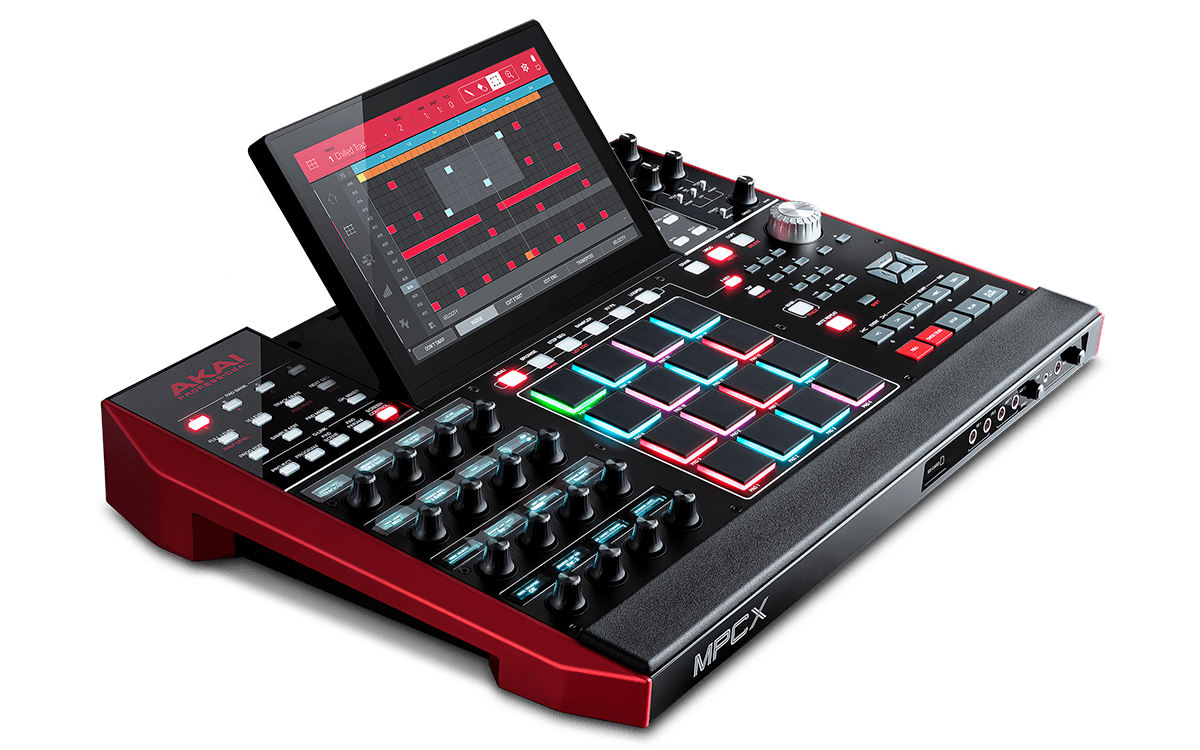
The MPC X is a powerful music-making machine that works with or without a computer. It has a big touchscreen, colorful pads, and tons of sounds built in. You can plug in microphones, turntables, and instruments, or add even more music with USB drives and SD cards. It's great for making beats, recording songs, and controlling other music gear. The MPC X is made for serious creators who want everything in one place.
Akai MPC1000
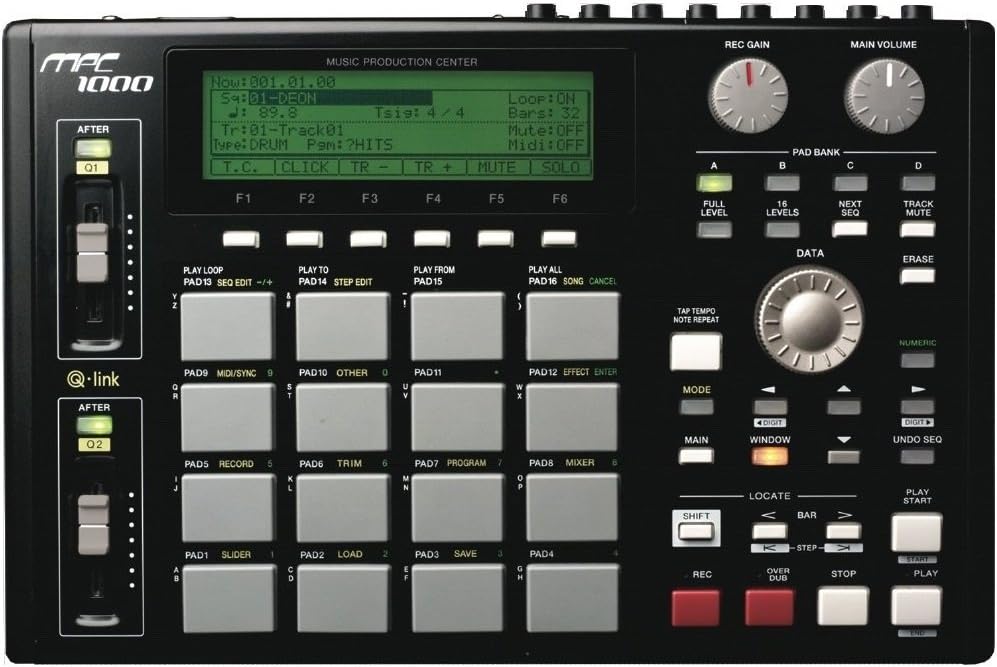
The Akai MPC1000 packs powerful music-making tools into a small, affordable machine. It features 32-voice stereo sampling, a 64-track sequencer, and 16 responsive pads for real-time playing and recording. With 16MB of built-in memory (expandable to 128MB) and the ability to save projects on a Compact Flash card, it’s easy to keep your sounds handy. Plus, you can connect it to a computer via USB to drag and drop your work quickly. Compact and rugged, the MPC1000 is perfect for producers on the go.
| Spec | Akai MPC X | Akai MPC1000 |
|---|---|---|
| Manufacturer | Akai Professional | Akai Professional |
| Year Released | 2017 | 2003 |
| Polyphony | 128 | 64 |
| Sample Rate | 44.1kHz | 44.1kHz |
| Storage | Internal SSD | CompactFlash |
| Pads | 16 velocity-sensitive RGB pads | 16 velocity-sensitive pads |
| Sequencer | Yes | Yes |
| Effects | EQ, Reverb, Delay, Compression | EQ, Compression, Reverb |
| I/O | MIDI In/Out, USB, Audio In/Out | MIDI In/Out, Audio In/Out |
| Screen | 10.1-inch multi-touch display | LCD |
| Software Integration | MPC Software | MPC Software |
| Build | Standalone | Standalone |
| Price | $2500 | $700 used |
| More about | Details | Details |
Buy the Akai MPC X on Amazon.com
Buy Now On AmazonAkai MPC X vs. Akai MPC1000: Battle of the Beat Machines
Summary: The Akai MPC X and MPC1000 are both powerful music production centers with unique strengths. The MPC X is a modern powerhouse with cutting-edge features, while the MPC1000 is a classic favorite known for its simplicity and reliability.
Introduction
Hello, music makers! Today, we’re diving into the world of samplers, comparing two iconic machines: the Akai MPC X and the Akai MPC1000. If you’re into music production, you’ve probably heard of Akai’s legendary MPC series. These devices have been a staple in studios around the world for decades. But with so many options out there, how do you choose the right one for you? Let’s explore the features, pros, and cons of the MPC X and MPC1000 to help you decide.
Meet the Contenders
Akai MPC X
Released in 2017, the Akai MPC X is the brand’s flagship model. It’s packed with state-of-the-art technology like a 10.1-inch multi-touch display and internal SSD storage. With 128-note polyphony, it’s built for serious music production. The MPC X is a standalone device, meaning you can create music without needing a computer. It’s designed for professionals who want the latest and greatest in music production technology.
Akai MPC1000
The Akai MPC1000, on the other hand, is a classic. Released in 2003, it has a nostalgic charm that’s hard to resist. Though it lacks some of the advanced features of the MPC X, it offers a reliable 64-note polyphony and uses CompactFlash for storage. It’s also a standalone unit, beloved for its simplicity and ease of use. The MPC1000 is great for those who appreciate the classic Akai sound and want a more straightforward approach to music creation.
Feature Comparisons
Sound and Polyphony
Let’s start by talking about sound. Both samplers offer a 44.1kHz sample rate, ensuring high-quality audio. However, the MPC X boasts an impressive 128-note polyphony, allowing for more complex compositions with multiple layers. The MPC1000, with its 64-note polyphony, may not handle as many simultaneous sounds, but it still delivers a rich, classic sound that’s appreciated by many.
Pads and Controls
Pads are crucial when it comes to samplers. The MPC X features 16 velocity-sensitive RGB pads, which light up and feel great to play. These pads are not only responsive but also visually appealing, making it easier to keep track of your beats. The MPC1000 also has 16 velocity-sensitive pads, though they are not RGB. Despite lacking the colorful lights, the MPC1000’s pads are known for their durability and classic feel.
Display and Interface
The interface is where these two models really differ. The MPC X’s 10.1-inch multi-touch display is like having a tablet built into your sampler. This screen makes navigation a breeze and allows for quick adjustments. The MPC1000, in contrast, has a simple LCD screen. While it doesn’t offer the same level of interactivity, many users find its straightforward interface charming and effective for focused music creation.
Storage and Connectivity
Storage and connectivity are essential for modern music production. The MPC X comes with internal SSD storage, offering ample space for your sounds and projects. It also includes MIDI In/Out, USB, and Audio In/Out connections, making it versatile for various studio setups. The MPC1000 uses CompactFlash cards for storage, which might seem outdated but works well for those who prefer a more traditional approach. It also features MIDI In/Out and Audio In/Out, maintaining solid connectivity options.
Effects and Sequencing
Both samplers include onboard effects like EQ, reverb, and compression. The MPC X adds delay to the mix, giving you more options for sound shaping. Sequencing is a strong suit for both models, allowing you to build complex patterns and arrangements. However, the MPC X’s powerful processing capabilities make sequencing even more fluid and detailed.
Pros and Cons
Akai MPC X
Pros:
- Large, interactive multi-touch display
- Massive 128-note polyphony
- High-quality effects and sequencing
- Modern connectivity and storage options
Cons:
- High price point ($2500)
- May be overkill for beginners
Akai MPC1000
Pros:
- Classic, reliable sound
- Simple, user-friendly interface
- Affordable used price ($700)
- Durable and portable
Cons:
- Limited polyphony compared to modern options
- CompactFlash storage may be inconvenient
Who Are These Samplers For?
The Akai MPC X is perfect for professional producers who need cutting-edge features and a seamless workflow. Its large screen and advanced capabilities make it ideal for those working on complex projects. If you’re someone who loves the latest technology and has a budget to match, the MPC X is the way to go.
On the other hand, the Akai MPC1000 is great for those who appreciate a more straightforward, classic approach. It’s perfect for beginners or anyone who wants to experience the charm of Akai’s older models. If you value simplicity and affordability, the MPC1000 is a fantastic choice.
Final Verdict
Both the Akai MPC X and MPC1000 have their unique strengths. The MPC X is a powerhouse of modern music production, while the MPC1000 offers a nostalgic, reliable experience. Ultimately, the best choice depends on your needs, budget, and personal preferences. Whether you go for the high-tech MPC X or the classic MPC1000, you’re sure to have a blast making music with these iconic machines. Happy music-making!