Akai MPC X — VS — Akai MPC2500
Akai MPC X
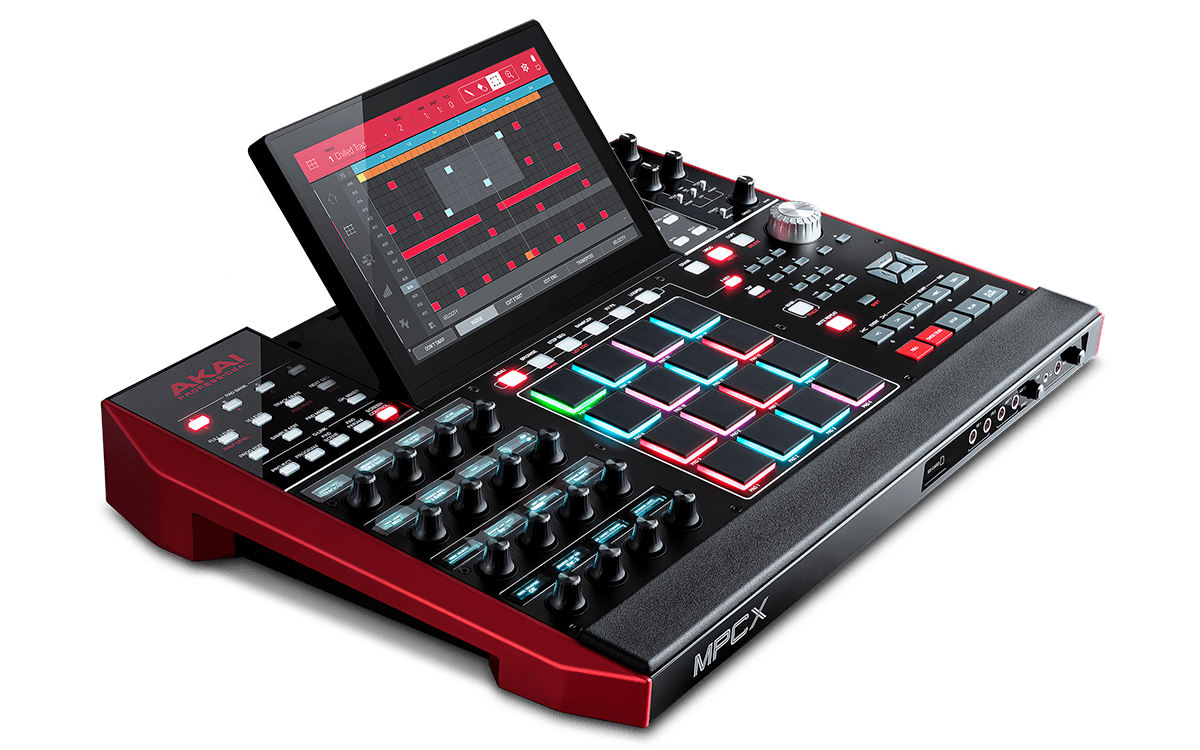
The MPC X is a powerful music-making machine that works with or without a computer. It has a big touchscreen, colorful pads, and tons of sounds built in. You can plug in microphones, turntables, and instruments, or add even more music with USB drives and SD cards. It's great for making beats, recording songs, and controlling other music gear. The MPC X is made for serious creators who want everything in one place.
Akai MPC2500
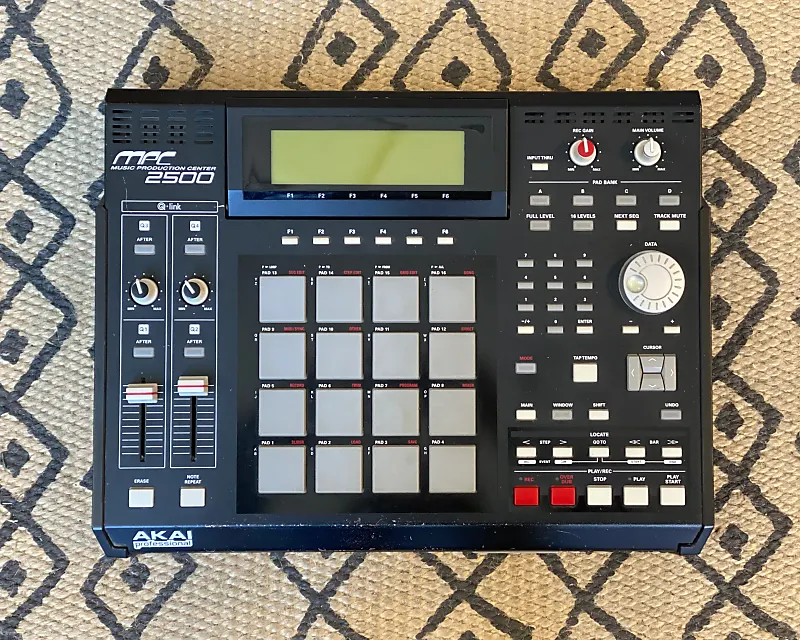
The Akai MPC2500 is a trusted tool for making beats and producing music, used by pros and performers alike. It has 16 classic pads, powerful sampling and editing features, and up to 128MB of memory for loading sounds. You get a 64-track sequencer, built-in effects, and real-time controls to shape your music as you play. With multiple outputs and easy file storage using CF cards or an optional hard drive, the MPC2500 gives you everything you need to create, perform, and finish your tracks—all in one solid machine.
| Spec | Akai MPC X | Akai MPC2500 |
|---|---|---|
| Manufacturer | Akai Professional | Akai Professional |
| Year Released | 2017 | 2005 |
| Polyphony | 128 | 64 |
| Sample Rate | 44.1kHz | 44.1kHz |
| Storage | Internal SSD | CompactFlash, ZIP Drive |
| Pads | 16 velocity-sensitive RGB pads | 16 velocity-sensitive pads |
| Sequencer | Yes | Yes |
| Effects | EQ, Reverb, Delay, Compression | EQ, Compression, Reverb, Delay |
| I/O | MIDI In/Out, USB, Audio In/Out | MIDI In/Out, Audio In/Out |
| Screen | 10.1-inch multi-touch display | LCD |
| Software Integration | MPC Software | MPC Software |
| Build | Standalone | Standalone |
| Price | $2500 | $800 used |
| More about | Details | Details |
Buy the Akai MPC X on Amazon.com
Buy Now On AmazonA Quick Summary
The Akai MPC X and the Akai MPC2500 are two standout samplers from Akai Professional, known for their powerful music-making capabilities. While the MPC X is loaded with modern features and technology, the MPC2500 offers proven reliability and a classic feel.
Introduction
Hey there, music gear lovers! Are you on the hunt for the perfect sampler to add to your studio? Well, you’re in luck! Today, we’re diving into a comparison of two popular samplers from Akai Professional: the Akai MPC X and the Akai MPC2500. Whether you’re a seasoned producer or just starting your musical journey, choosing the right gear is key to making great music. So, let’s explore these two samplers and see which one might be the best fit for you!
Meet the Samplers
Both the Akai MPC X and the Akai MPC2500 are standalone devices, which means they don’t need a computer to work. They each have their own unique qualities that make them special. But what sets them apart? Let’s take a closer look!
The Akai MPC X
The Akai MPC X is a flagship sampler that came out in 2017. It’s packed with modern features that make it a powerhouse for music production. With its large 10.1-inch multi-touch display, you can easily navigate through your music projects. It has 16 velocity-sensitive RGB pads that light up in different colors, making it both fun and functional to use.
One of the standout features of the MPC X is its 128-voice polyphony, which means it can play up to 128 sounds at once! This is perfect for complex musical arrangements. It also has an internal SSD for storage, so you can keep all your samples right on the device. Plus, with built-in effects like EQ, Reverb, Delay, and Compression, your music will sound polished and professional.
The Akai MPC2500
On the other hand, we have the Akai MPC2500, which was released in 2005. It’s a classic piece of gear that many producers still love today. The MPC2500 features 16 velocity-sensitive pads, just like the MPC X, but without the fancy RGB lighting. It has a smaller LCD screen, which means you’ll be using buttons and knobs a bit more.
This sampler offers 64-voice polyphony, which is half of what the MPC X has. But don’t let that fool you; it’s still capable of creating amazing music! The MPC2500 uses CompactFlash cards and ZIP Drives for storage, which might seem a bit outdated but works just fine. It also comes with great effects like EQ, Compression, Reverb, and Delay to enhance your sound.
Feature Comparisons
Now that we’ve introduced both samplers, let’s compare them in more detail. We’ll look at their features and see how they stack up against each other.
Display and Interface
The display is one of the most noticeable differences between the two samplers. The Akai MPC X boasts a large 10.1-inch multi-touch screen, which is a game-changer for ease of use. It allows you to touch, drag, and swipe through menus, making the creative process smoother and more intuitive.
In contrast, the MPC2500 comes with a more traditional LCD screen. It’s smaller and doesn’t have touch capabilities, so you’ll rely on physical buttons and knobs to navigate. While this might slow down the workflow a bit, some producers appreciate the tactile feel of using hardware controls.
Pads and Polyphony
Both samplers feature 16 velocity-sensitive pads. However, the MPC X takes it a step further with RGB lighting. This not only looks cool but also helps in organizing and differentiating sounds during live performances.
When it comes to polyphony, the MPC X doubles the MPC2500 with 128 voices compared to 64. This means you can layer more sounds and create more complex arrangements without running into limitations.
Storage and Connectivity
The MPC X is equipped with an internal SSD, providing ample space for storing samples and projects. It’s a modern solution that complements the device’s advanced features. Additionally, the MPC X has extensive I/O options, including MIDI In/Out, USB, and Audio In/Out, making it versatile for various setups.
The MPC2500, on the other hand, relies on CompactFlash cards and ZIP Drives for storage. While this might seem old-school, it can be a reliable method for those who prefer a more hands-on approach. Its connectivity options are similar, with MIDI In/Out and Audio In/Out, ensuring compatibility with most setups.
Effects and Sequencing
Both samplers offer a range of effects like EQ, Reverb, Delay, and Compression, allowing you to shape your sound right on the device. The sequencer on both is powerful, enabling you to create intricate patterns and beats. However, the MPC X benefits from software integration with MPC Software, enhancing its sequencing capabilities further.
Build and Price
In terms of build, both are standalone units, which means they can operate independently without a computer. The MPC X, being a modern flagship model, is priced at around $2500. It’s a significant investment but offers cutting-edge technology.
The MPC2500, available for around $800 used, is an affordable option for those looking to experience the classic MPC feel without breaking the bank.
Pros and Cons
Let’s break down the pros and cons of each sampler to help you make an informed decision.
Akai MPC X
Pros:
- Large, intuitive multi-touch display
- RGB pads for better organization
- High polyphony of 128 voices
- Internal SSD for ample storage
- Extensive connectivity options
- Professional-grade effects
Cons:
- Higher price point
- Might be overwhelming for beginners
Akai MPC2500
Pros:
- Classic feel with tactile controls
- Reliable and proven performance
- Affordable price on the used market
- Great for those who prefer traditional workflows
Cons:
- Smaller, non-touch display
- Limited polyphony compared to modern devices
- Outdated storage options
Final Verdict
Both the Akai MPC X and the Akai MPC2500 are fantastic samplers, but they cater to different types of users.
If you’re someone who loves cutting-edge technology and doesn’t mind investing in a top-of-the-line device, the Akai MPC X is perfect for you. Its advanced features make it ideal for professional producers who want maximum flexibility and creative freedom.
On the other hand, if you appreciate the classic feel and prefer a more hands-on approach, the Akai MPC2500 is a great choice. It’s especially suitable for beginners or those on a budget who still want a powerful and reliable sampler.
In the end, both samplers offer incredible tools for making music. Your choice will depend on your personal preferences, budget, and production needs. Happy music-making!