Akai MPC X — VS — Akai MPC5000
Akai MPC X
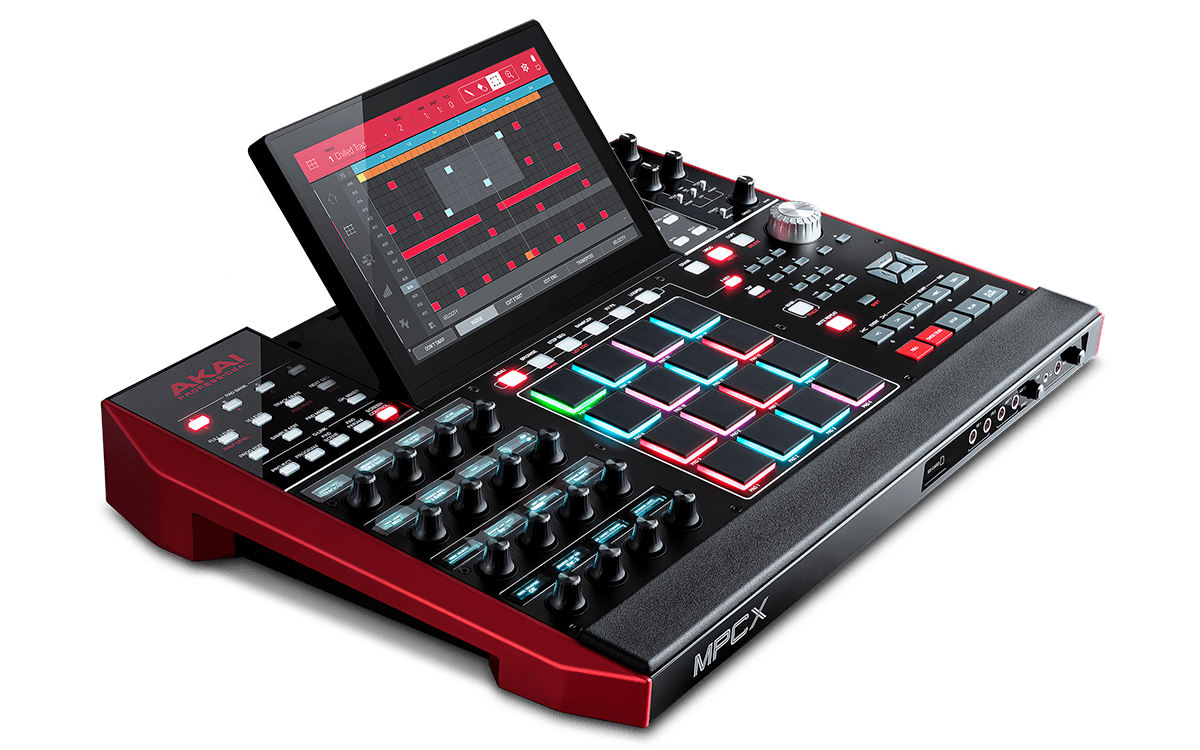
The MPC X is a powerful music-making machine that works with or without a computer. It has a big touchscreen, colorful pads, and tons of sounds built in. You can plug in microphones, turntables, and instruments, or add even more music with USB drives and SD cards. It's great for making beats, recording songs, and controlling other music gear. The MPC X is made for serious creators who want everything in one place.
Akai MPC5000
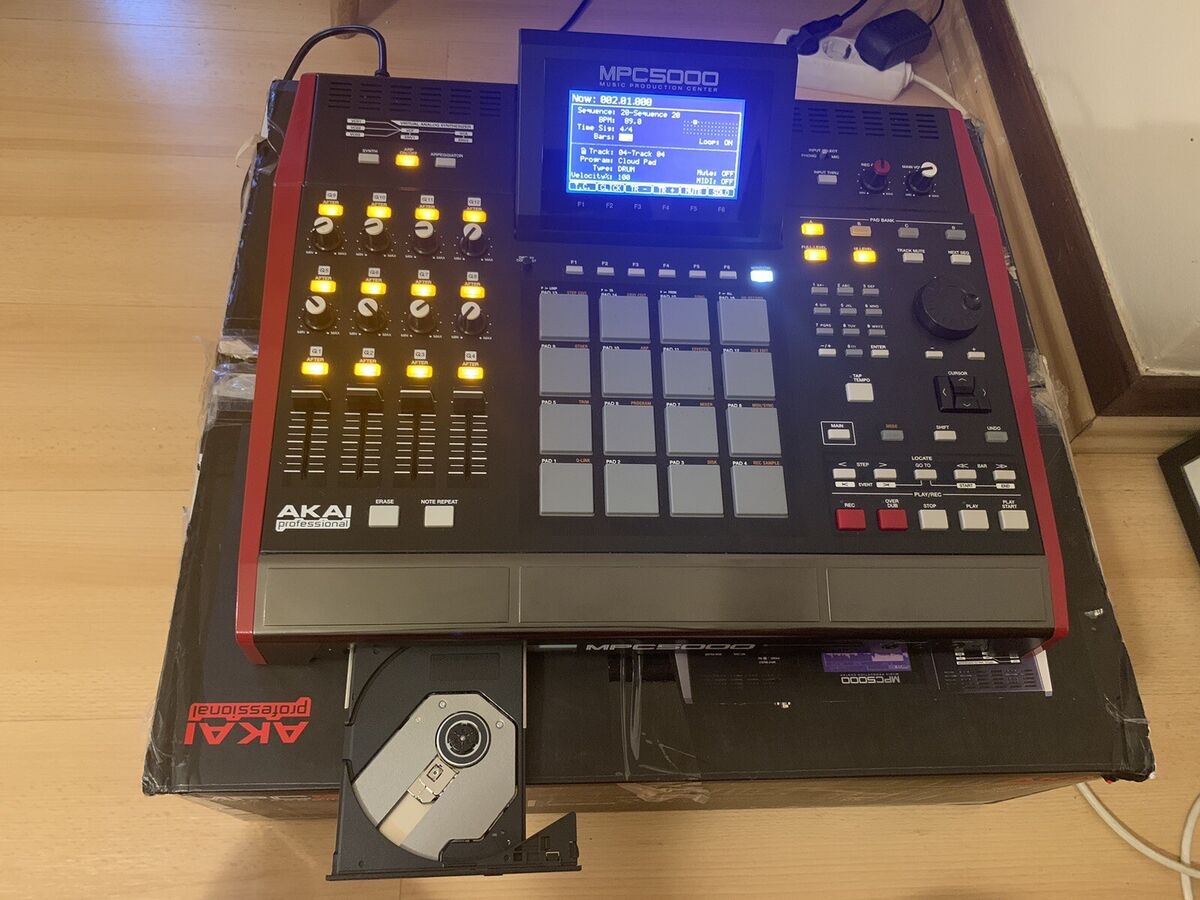
High-end MPC with expanded sampling and advanced effects.
| Spec | Akai MPC X | Akai MPC5000 |
|---|---|---|
| Manufacturer | Akai Professional | Akai Professional |
| Year Released | 2017 | 2006 |
| Polyphony | 128 | 128 |
| Sample Rate | 44.1kHz | 44.1kHz |
| Storage | Internal SSD | Internal Hard Drive, CompactFlash |
| Pads | 16 velocity-sensitive RGB pads | 16 velocity-sensitive pads |
| Sequencer | Yes | Yes |
| Effects | EQ, Reverb, Delay, Compression | EQ, Compression, Reverb, Delay, Filtering |
| I/O | MIDI In/Out, USB, Audio In/Out | MIDI In/Out, Audio In/Out |
| Screen | 10.1-inch multi-touch display | Color LCD |
| Software Integration | MPC Software | MPC Software |
| Build | Standalone | Standalone |
| Price | $2500 | $1200 used |
| More about | Details | Details |
Buy the Akai MPC X on Amazon.com
Buy Now On AmazonAkai MPC X vs. Akai MPC5000: Which One is Right for You?
If you’re a music enthusiast looking for a powerful sampler, the Akai MPC X and the Akai MPC5000 are two excellent choices. Both offer a range of features to help you create amazing beats and samples. But which one is right for you? In this blog post, we’ll compare these two samplers in detail, looking at their features, pros and cons, and who each one is best suited for.
Introduction
When it comes to music production, the Akai MPC brand is legendary. Known for their outstanding samplers and sequencers, Akai has been at the forefront of music technology for decades. The Akai MPC X and Akai MPC5000 are two popular models that have captured the hearts (and ears) of music producers worldwide. But what’s the difference between them? Let’s dive into the details and find out!
Feature Comparison
Year of Release and Design
The Akai MPC X was released in 2017, making it one of the newer models in the MPC lineup. It’s a flagship MPC with a sleek design and a large 10.1-inch multi-touch display. Its modern look is complemented by 16 velocity-sensitive RGB pads that light up in different colors, making it visually appealing and easy to use during live performances.
On the other hand, the Akai MPC5000 was released in 2006. While it’s an older model, it still holds its own with a solid build and a colorful LCD screen. The design might not be as flashy as the MPC X, but it has a certain charm that many music producers appreciate. Its 16 velocity-sensitive pads might not have RGB lighting, but they are just as responsive.
Polyphony and Sample Rate
Both the Akai MPC X and MPC5000 offer 128-note polyphony, allowing you to layer multiple sounds without any issues. They both also share a sample rate of 44.1kHz, which is the standard for professional audio production. This means you can expect high-quality sound from both devices.
Storage Solutions
One of the key differences between these two samplers is their storage solutions. The Akai MPC X comes with an internal SSD, providing faster access to your samples and projects. This modern storage solution ensures that you won’t experience any delays when loading your sounds.
In contrast, the Akai MPC5000 uses an internal hard drive and CompactFlash cards for storage. While this was cutting-edge technology at the time of its release, it may feel a bit outdated today. However, it still provides ample storage for your projects and samples.
Pads and Sequencers
Pads are a crucial element of any sampler, and both the Akai MPC X and MPC5000 deliver in this department. The MPC X features 16 velocity-sensitive RGB pads, which not only look great but also provide excellent feedback when playing. The RGB lighting allows you to color-code your samples, making it easier to navigate your projects.
The MPC5000 also has 16 velocity-sensitive pads, but without the RGB lighting. While they might not be as visually striking, they are just as responsive and reliable. Both devices come with built-in sequencers, allowing you to create complex patterns and beats with ease.
Effects and Software Integration
Effects are a must-have for any music producer, and both the Akai MPC X and MPC5000 come equipped with a range of options. The MPC X offers EQ, reverb, delay, and compression, providing all the essential tools you need to shape your sound.
The MPC5000 also includes EQ, compression, reverb, and delay, but it adds filtering to the mix. This extra effect can give you more creative possibilities when crafting your tracks. Both devices integrate with MPC Software, allowing you to expand your production capabilities with additional plugins and features.
Inputs and Outputs
When it comes to connectivity, the Akai MPC X has the edge with its modern I/O options. It includes MIDI In/Out, USB, and audio In/Out, giving you plenty of flexibility when connecting to other gear and devices.
The Akai MPC5000 also offers MIDI In/Out and audio In/Out, but it lacks USB connectivity. While this might not be a deal-breaker for some, it could be a consideration if you’re looking for seamless integration with your computer and other modern devices.
Pros and Cons
Akai MPC X
Pros:
- Modern design with a large 10.1-inch multi-touch display
- 16 velocity-sensitive RGB pads for easy navigation
- Fast internal SSD for storage
- Comprehensive effects suite
- USB connectivity for seamless integration
Cons:
- Higher price point at $2500
- May be overkill for beginners
Akai MPC5000
Pros:
- Solid build with a colorful LCD screen
- 16 velocity-sensitive pads for reliable performance
- Additional filtering effect
- More affordable at $1200 used
- Classic MPC charm
Cons:
- Older storage solution with hard drive and CompactFlash
- Lacks USB connectivity
- May feel dated compared to newer models
Summary
The Akai MPC X and Akai MPC5000 are both excellent samplers with their own unique strengths. The MPC X offers a modern design and advanced features, while the MPC5000 provides a classic feel with reliable performance.
Final Verdict
If you’re a professional music producer looking for the latest technology and features, the Akai MPC X is the way to go. Its modern design, advanced effects, and fast storage make it perfect for those who want the best of the best.
However, if you’re on a budget or prefer a classic feel, the Akai MPC5000 is a great choice. It offers solid performance and a range of effects at a more affordable price.
Whether you’re a seasoned pro or just starting out, both the Akai MPC X and MPC5000 have a lot to offer. With this guide, you can make an informed decision and find the sampler that’s right for you.