Akai MPC X — VS — Elektron Analog Rytm MKII
Akai MPC X
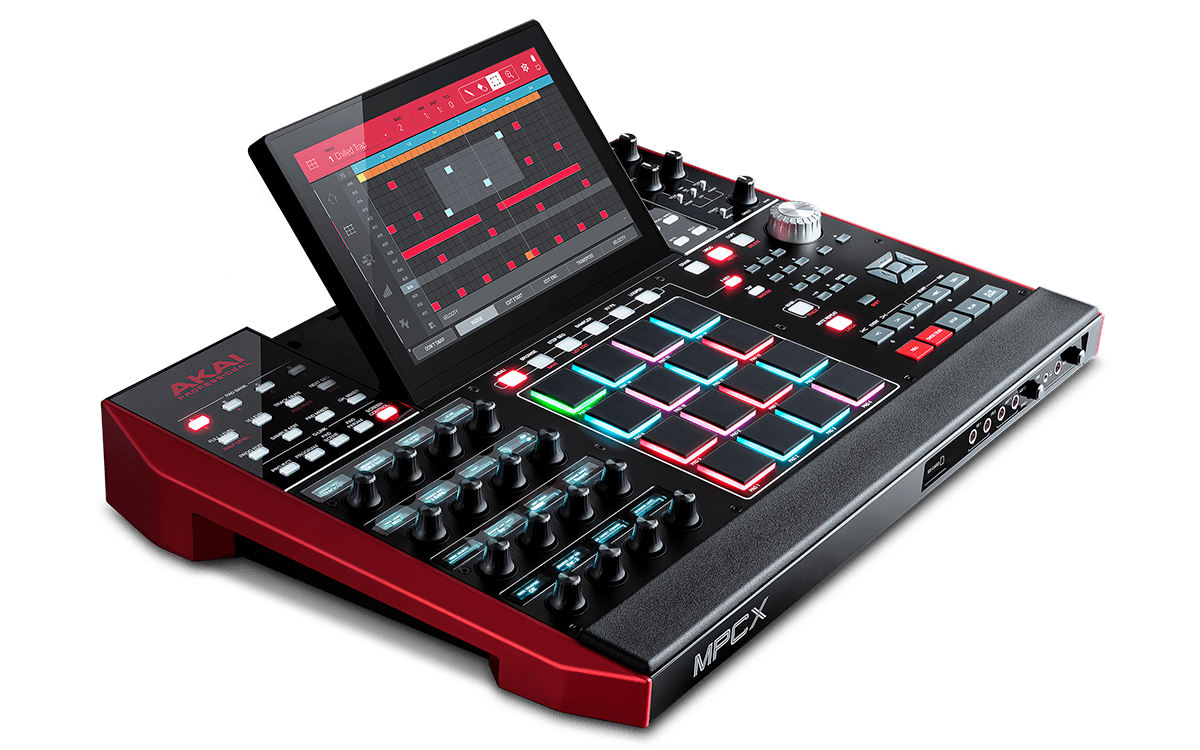
The MPC X is a powerful music-making machine that works with or without a computer. It has a big touchscreen, colorful pads, and tons of sounds built in. You can plug in microphones, turntables, and instruments, or add even more music with USB drives and SD cards. It's great for making beats, recording songs, and controlling other music gear. The MPC X is made for serious creators who want everything in one place.
Elektron Analog Rytm MKII
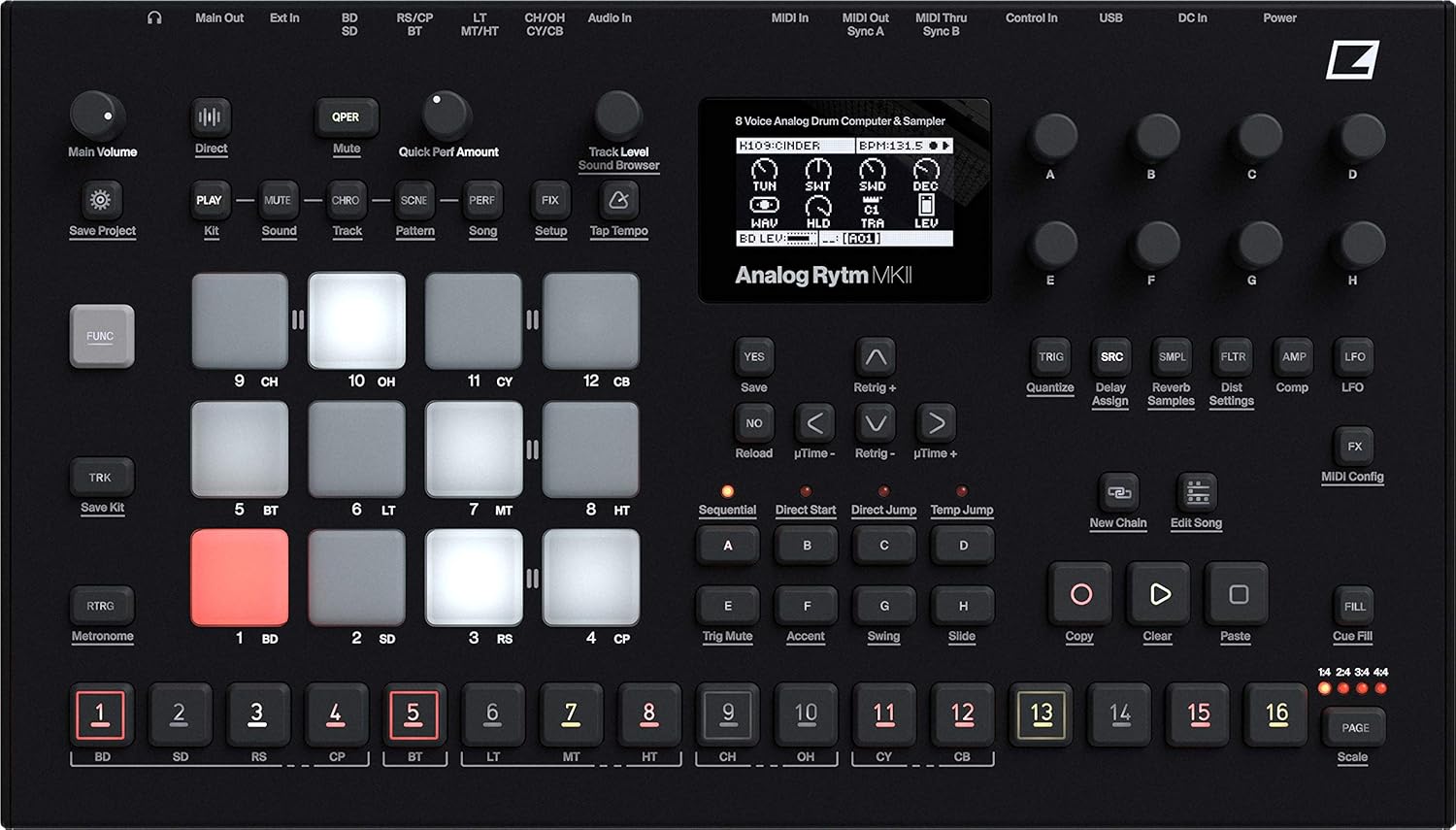
The Analog Rytm MKII is a powerful drum machine and sampler that helps you make awesome beats. It has 8 different drum sounds you can shape with real analog power and digital samples. You can tap on big, fun pads to play your sounds, or use the step sequencer to build cool rhythms. It lets you record sounds, change them up, and mix them however you like. Whether you're making music at home or performing on stage, this beat machine is ready to help you create something amazing.
| Spec | Akai MPC X | Elektron Analog Rytm MKII |
|---|---|---|
| Manufacturer | Akai Professional | Elektron |
| Year Released | 2017 | 2018 |
| Polyphony | 128 | 12 |
| Sample Rate | 44.1kHz | 48kHz |
| Storage | Internal SSD | SD card |
| Pads | 16 velocity-sensitive RGB pads | 8 velocity-sensitive pads |
| Sequencer | Yes | Yes |
| Effects | EQ, Reverb, Delay, Compression | Analog and digital effects |
| I/O | MIDI In/Out, USB, Audio In/Out | MIDI In/Out/Thru, USB, Audio In/Out |
| Screen | 10.1-inch multi-touch display | OLED display |
| Software Integration | MPC Software | Elektron Transfer |
| Build | Standalone | Desktop |
| Price | $2500 | $2299 |
| More about | Details | Details |
Buy the Akai MPC X on Amazon.com
Buy Now On AmazonBuy the Elektron Analog Rytm MKII on Amazon.com
Buy Now On AmazonAkai MPC X vs. Elektron Analog Rytm MKII: Which Sampler is Right for You?
Summary
The Akai MPC X and Elektron Analog Rytm MKII are both powerful samplers loved by music producers for their unique features. While the MPC X offers a more comprehensive standalone experience with a large touchscreen and extensive polyphony, the Analog Rytm MKII stands out with its analog effects and compact design. Here’s a deep dive into what makes each of these samplers special.
Introduction
Welcome to the world of music production, where creativity meets technology! If you’re a music gear enthusiast, you probably know how important samplers are in creating your unique sound. Today, we’re comparing two popular samplers: the Akai MPC X and the Elektron Analog Rytm MKII. Whether you’re a beginner or a seasoned producer, this guide will help you understand the differences between these two devices and decide which one is the right fit for your music-making journey.
Feature Comparisons
Build and Design
The Akai MPC X is a flagship standalone device that boasts a sleek and professional build. With its large 10.1-inch multi-touch display, it’s designed to give you a comprehensive overview of your projects. The 16 velocity-sensitive RGB pads are perfect for drumming, and the overall design is aimed at providing a seamless standalone experience.
On the other hand, the Elektron Analog Rytm MKII is a desktop device known for its compact and robust design. It features 8 velocity-sensitive pads and an OLED display, which offers a more minimalistic but clear interface. Its portability makes it a great choice for those who are constantly on the move.
Sound Capabilities
When it comes to polyphony, the MPC X takes the lead with 128 voices, allowing for complex and layered compositions. It operates at a sample rate of 44.1kHz, which is the standard for most music production.
The Analog Rytm MKII, while offering fewer voices with a polyphony of 12, provides a richer sound experience through its analog and digital effects. It supports a higher sample rate of 48kHz, providing slightly better audio clarity and detail.
Storage and Connectivity
The MPC X comes with an internal SSD, offering ample storage for all your samples and projects. It includes MIDI In/Out, USB, and Audio In/Out connectivity, making it highly versatile in terms of integration with other gear.
The Analog Rytm MKII uses an SD card for storage, which might be less convenient compared to an internal SSD but provides flexibility in terms of expandability. It also includes MIDI In/Out/Thru, USB, and Audio In/Out, but adds the MIDI Thru option for more extensive MIDI setups.
Effects and Sequencing
Both samplers include a sequencer, essential for creating beats and patterns. The MPC X features digital effects such as EQ, Reverb, Delay, and Compression, which are great for sculpting your sound.
The Analog Rytm MKII stands out with its unique combination of analog and digital effects. This gives it a distinctive sound character, making it a favorite among those who love the warmth and depth of analog sound processing.
Software Integration
The MPC X integrates with MPC Software, offering enhanced control and additional features when connected to a computer. This makes it a great option for those who like to combine hardware and software workflows.
The Analog Rytm MKII uses Elektron Transfer for software integration, which is more straightforward but less feature-rich compared to the MPC Software. It is ideal for users who prefer focusing on hardware performance.
Pros and Cons
Akai MPC X
Pros:
- Large Screen: The 10.1-inch multi-touch display provides an intuitive interface for editing and arranging music.
- High Polyphony: 128 voices allow for complex compositions.
- Standalone Functionality: No need for a computer to operate effectively.
- Extensive I/O Options: Supports a wide range of connectivity.
Cons:
- Price: At $2500, it is a significant investment.
- Size: The large build may not be suitable for small spaces or portable use.
Elektron Analog Rytm MKII
Pros:
- Analog Effects: Provides a warm and unique sound character.
- Compact Design: Easy to transport and fits well in small studios.
- High Sample Rate: 48kHz offers great audio detail.
- MIDI Thru: Allows for more complex MIDI setups.
Cons:
- Limited Polyphony: With only 12 voices, it may not suit complex arrangements.
- Storage: Uses SD cards, which may be less convenient than internal SSDs.
Final Verdict
Both the Akai MPC X and the Elektron Analog Rytm MKII are exceptional samplers, but they cater to different needs. The Akai MPC X is perfect for producers who want an all-in-one standalone device with extensive features and a large interface. Meanwhile, the Elektron Analog Rytm MKII is ideal for those who seek portability and love the unique character of analog effects.
In conclusion, your choice will depend on your specific needs and preferences. If you value a comprehensive standalone setup with lots of voices, go for the MPC X. If you prefer a portable machine with analog warmth, the Analog Rytm MKII might be your best bet. Happy music-making!