Akai MPC X — VS — Elektron Digitakt
Akai MPC X
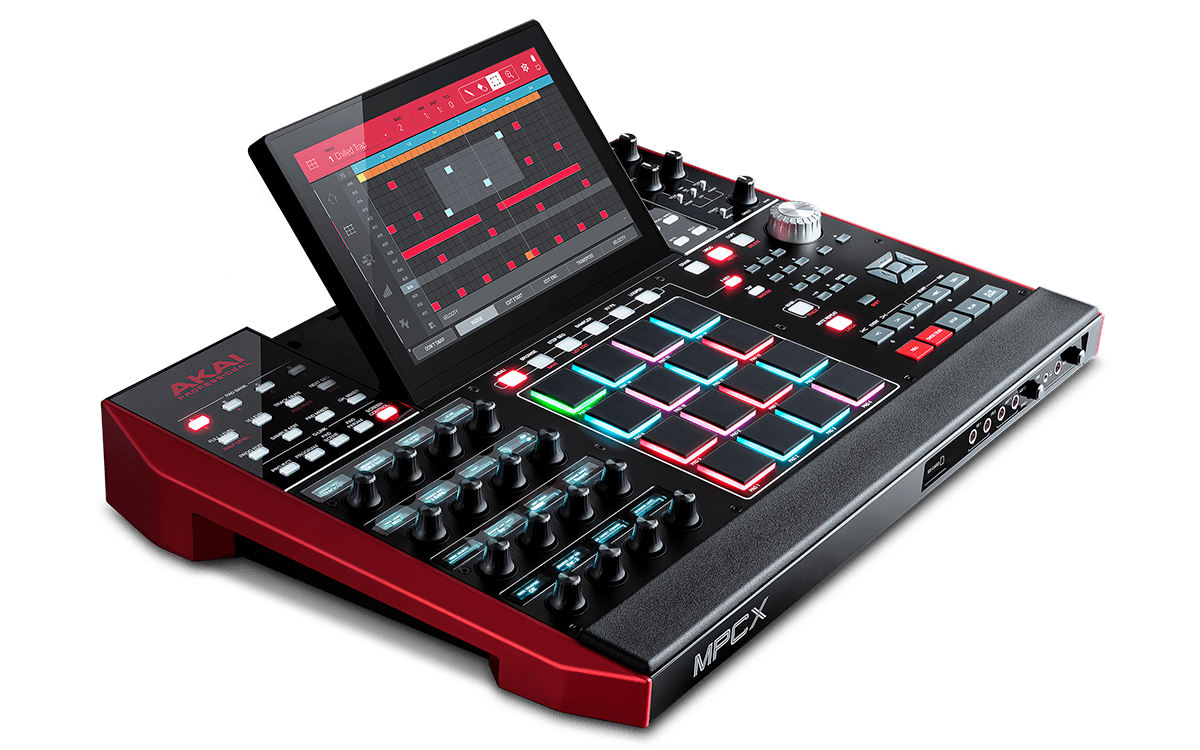
The MPC X is a powerful music-making machine that works with or without a computer. It has a big touchscreen, colorful pads, and tons of sounds built in. You can plug in microphones, turntables, and instruments, or add even more music with USB drives and SD cards. It's great for making beats, recording songs, and controlling other music gear. The MPC X is made for serious creators who want everything in one place.
Elektron Digitakt
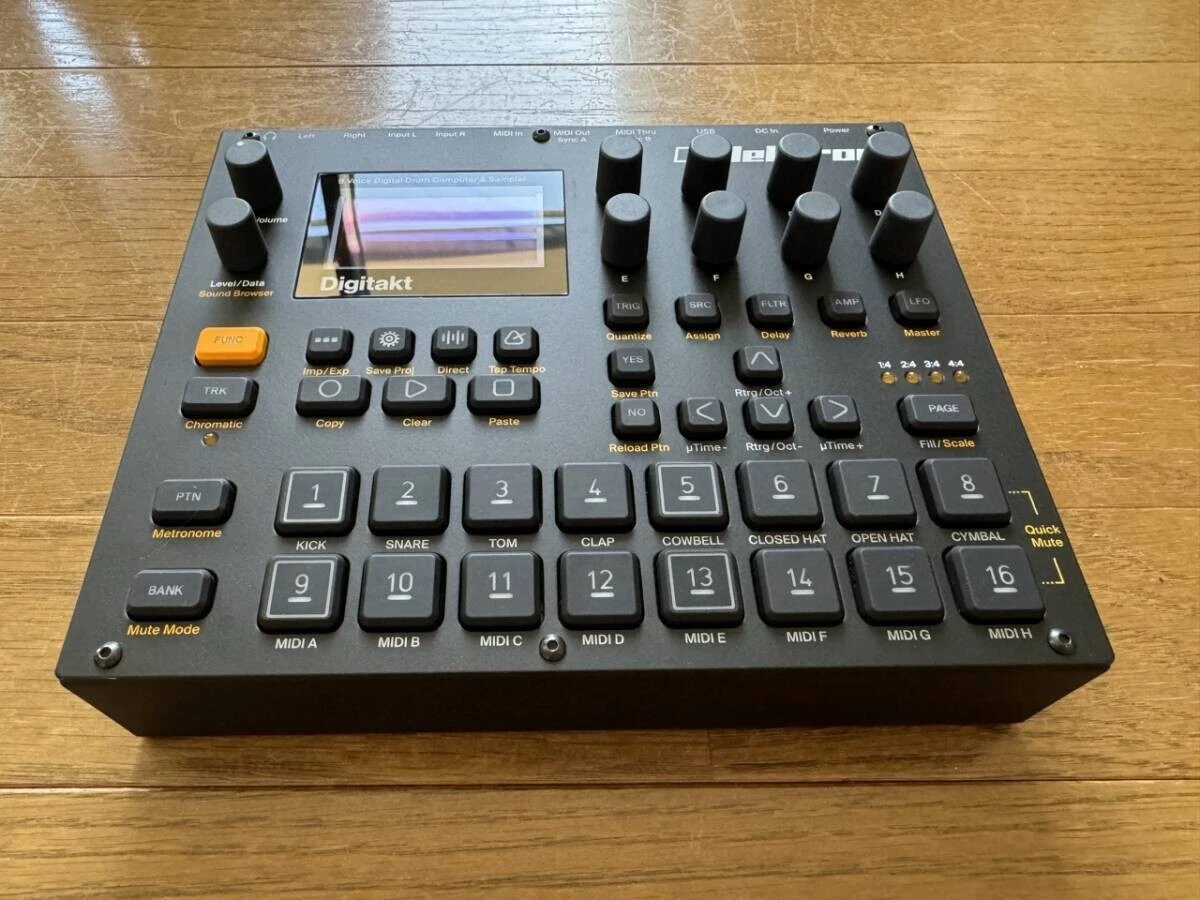
Digitakt is a super cool music machine that helps you make beats and mix sounds. It's small, tough, and built to last. You can record sounds, play them back, and create your own songs using 8 sound tracks and 8 more tracks to control other music gear. It also has awesome buttons and a bright screen to help you see what you're doing. Whether you're just starting or already making music, Digitakt gives you all the tools you need to have fun and make people dance!
| Spec | Akai MPC X | Elektron Digitakt |
|---|---|---|
| Manufacturer | Akai Professional | Elektron |
| Year Released | 2017 | 2017 |
| Polyphony | 128 | 8 |
| Sample Rate | 44.1kHz | 48kHz |
| Storage | Internal SSD | Internal storage |
| Pads | 16 velocity-sensitive RGB pads | No pads, uses buttons |
| Sequencer | Yes | Yes |
| Effects | EQ, Reverb, Delay, Compression | Reverb, Delay |
| I/O | MIDI In/Out, USB, Audio In/Out | MIDI In/Out/Thru, USB, Audio Out |
| Screen | 10.1-inch multi-touch display | OLED display |
| Software Integration | MPC Software | Elektron Transfer |
| Build | Standalone | Desktop |
| Price | $2500 | $700 |
| More about | Details | Details |
Buy the Akai MPC X on Amazon.com
Buy Now On AmazonAkai MPC X vs. Elektron Digitakt: A Comprehensive Comparison
Summary: Discover which sampler is the best fit for you as we explore the Akai MPC X and Elektron Digitakt. Both 2017 releases are powerhouses in their own right, but they cater to different music creation styles and needs.
Introduction
Welcome to the world of music production, where rhythm and melody come alive. Today, we’ll dive into the vibrant realms of two popular samplers: the Akai MPC X and the Elektron Digitakt. Whether you’re a budding musician or a seasoned producer, choosing the right gear can make all the difference. Join us as we explore these samplers, comparing their features, strengths, and weaknesses to help you find your ideal music-making companion.
Feature Comparison
Design and Build
The Akai MPC X is a standalone behemoth, sporting a sturdy build with an impressive 10.1-inch multi-touch display. Its 16 velocity-sensitive RGB pads invite you to tap and create with ease, making it a perfect fit for those who love tactile interactions. In contrast, the Elektron Digitakt is a compact desktop unit, designed for those who value portability without sacrificing power. Its buttons replace traditional pads, catering to a different style of beat-making.
Polyphony and Sample Rate
When it comes to polyphony, the Akai MPC X takes the lead with 128 voices, allowing for complex compositions with a rich tapestry of sounds. The Elektron Digitakt offers 8 voices, which, while more limited, encourages a more focused approach to sound design. The Digitakt’s higher sample rate of 48kHz compared to the MPC X’s 44.1kHz ensures crisp and clear audio quality, which is particularly beneficial for high-fidelity soundscapes.
Storage and Connectivity
The MPC X boasts an internal SSD, providing ample space for your sound library. It also features a comprehensive array of inputs and outputs, including MIDI In/Out, USB, and Audio In/Out, ensuring seamless integration with your studio setup. The Digitakt, with its internal storage, is more compact but still sufficient for most sample-based projects. Its connectivity options include MIDI In/Out/Thru and USB, making it versatile for live performances and studio sessions alike.
Sequencing and Effects
Both samplers shine in sequencing capabilities. The MPC X’s professional-grade sequencer is complemented by effects like EQ, Reverb, Delay, and Compression, enabling detailed sound manipulation. On the other hand, the Digitakt offers a deep sequencing experience with built-in Reverb and Delay, perfect for those who enjoy crafting intricate rhythms and textures.
Display and Software Integration
The Akai MPC X’s large touchscreen is a highlight, providing an intuitive interface for navigating through projects and parameters. Its integration with MPC Software ensures a smooth workflow between hardware and computer. Meanwhile, the Digitakt’s OLED display, while smaller, is clear and functional. Elektron Transfer software aids in sample management, making it ideal for producers who prefer a hands-on approach with software assistance.
Pros and Cons
Akai MPC X
Pros:
- Standalone operation with a large touchscreen
- Extensive polyphony and storage options
- Comprehensive effects suite
Cons:
- Higher price point at $2500
- Larger and less portable compared to the Digitakt
Elektron Digitakt
Pros:
- Compact and portable design
- High sample rate for clear sound
- Affordable price at $700
Cons:
- Limited polyphony with 8 voices
- Smaller screen and no pads
Final Verdict
Choosing between the Akai MPC X and the Elektron Digitakt ultimately depends on your music production style and needs. The Akai MPC X is ideal for those who require a standalone powerhouse with extensive features and don’t mind investing in a larger setup. It’s perfect for studio producers looking for a comprehensive tool with ample creative possibilities.
Conversely, the Elektron Digitakt is a fantastic choice for musicians who prioritize portability and affordability. Its compact design and intuitive interface make it a favorite among live performers and electronic music enthusiasts who enjoy crafting beats on the go.
In conclusion, both samplers bring unique strengths to the table. Whether you choose the feature-rich MPC X or the agile Digitakt, both will inspire and elevate your music-making journey.