Akai MPC X — VS — Polyend Play
Akai MPC X
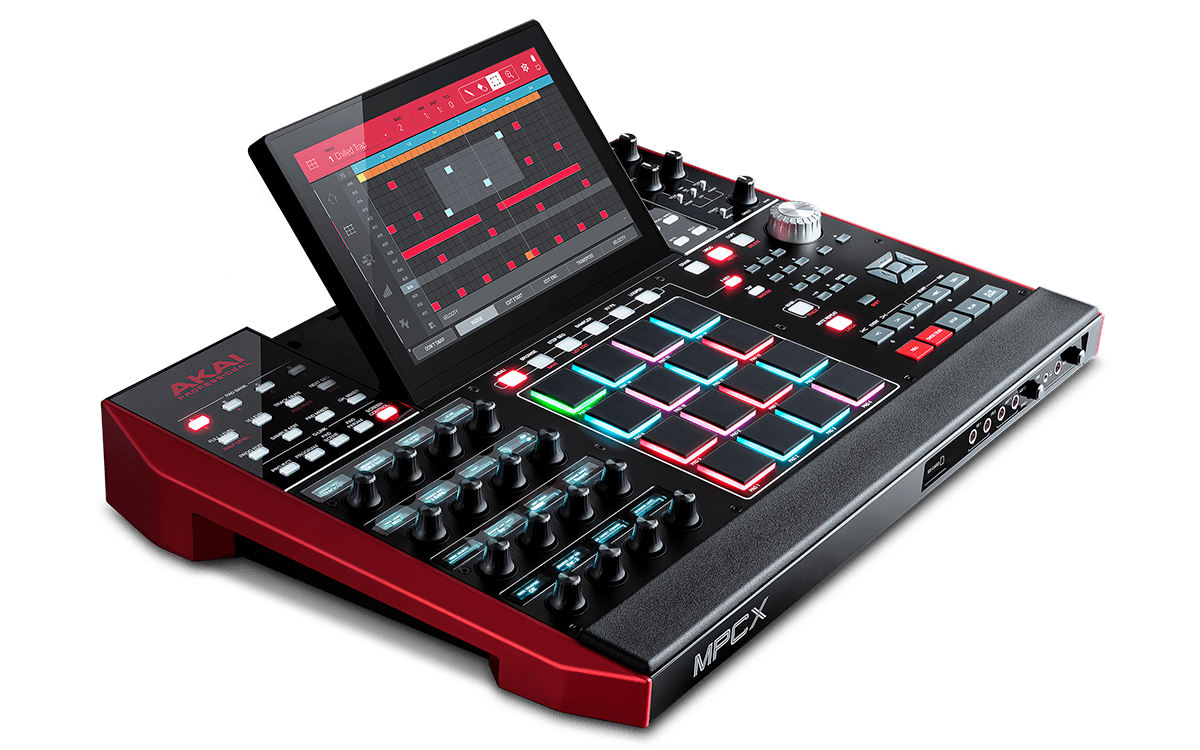
The MPC X is a powerful music-making machine that works with or without a computer. It has a big touchscreen, colorful pads, and tons of sounds built in. You can plug in microphones, turntables, and instruments, or add even more music with USB drives and SD cards. It's great for making beats, recording songs, and controlling other music gear. The MPC X is made for serious creators who want everything in one place.
Polyend Play
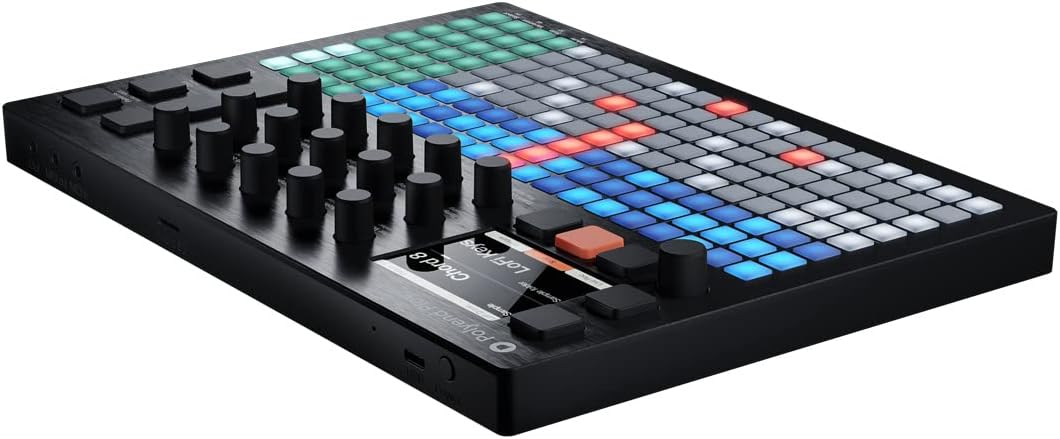
The Polyend Play is a powerful and intuitive sampler and groovebox designed for creative freedom without the complexity. It features over 30 ready-to-use sample kits, eight audio tracks, and eight polyphonic MIDI tracks, all accessible through a user-friendly interface tailored for both studio production and live performance. With 35 unique playback modes, randomizer and step repeater functions, a flexible 64-step sequencer, customizable pattern placement, onboard effects, and deep MIDI integration, the Play invites hands-on experimentation and effortless arrangement—whether you're jamming or building complete tracks from scratch.
| Spec | Akai MPC X | Polyend Play |
|---|---|---|
| Manufacturer | Akai Professional | Polyend |
| Year Released | 2017 | 2022 |
| Polyphony | 128 | 64 |
| Sample Rate | 44.1kHz | 44.1kHz |
| Storage | Internal SSD | MicroSD card |
| Pads | 16 velocity-sensitive RGB pads | 16 velocity-sensitive pads |
| Sequencer | Yes | Yes |
| Effects | EQ, Reverb, Delay, Compression | Multiple effects |
| I/O | MIDI In/Out, USB, Audio In/Out | MIDI In/Out, USB, Audio In/Out |
| Screen | 10.1-inch multi-touch display | LCD display |
| Software Integration | MPC Software | No |
| Build | Standalone | Groovebox |
| Price | $2500 | $1100 |
| More about | Details | Details |
Buy the Akai MPC X on Amazon.com
Buy Now On AmazonBuy the Polyend Play on Amazon.com
Buy Now On AmazonComparing the Akai MPC X and the Polyend Play: Which Sampler is Right for You?
Summary: Discover the features and differences between the Akai MPC X and the Polyend Play. This detailed guide will help you understand which sampler fits your music production needs.
Introduction
Welcome to the world of samplers! If you’re a music enthusiast looking to explore new sounds or a producer searching for the perfect tool to enhance your beats, you’ve come to the right place. Today, we’re diving into a detailed comparison of two popular samplers: the Akai MPC X and the Polyend Play. Both of these devices are powerhouses in their own right, but they cater to different needs and preferences. So, let’s get started and find out which one is the perfect fit for you!
Features and Comparisons
Design and Build
First up is the design and build quality. The Akai MPC X, released in 2017, is a flagship model from Akai Professional. It features a standalone build with a large 10.1-inch multi-touch display, making it easy to interact with your music in a hands-on manner. The 16 velocity-sensitive RGB pads are responsive and colorful, enhancing both playability and creativity.
In contrast, the Polyend Play, introduced in 2022, is a sleek groovebox with a more compact design. It also features 16 velocity-sensitive pads but opts for a smaller LCD display. This makes it portable and convenient for on-the-go music creation. While the Akai MPC X is a bit more substantial, the Polyend Play is lighter, which might appeal to musicians who travel frequently.
Sound and Polyphony
When it comes to sound quality, both samplers offer a 44.1kHz sample rate, ensuring clear and crisp audio playback. However, the Akai MPC X boasts a polyphony of 128, allowing for more complex and layered compositions. This is especially beneficial for producers who work with intricate arrangements and need more voices simultaneously.
The Polyend Play offers a polyphony of 64, which is still quite capable but may be limiting for some users. If you’re someone who focuses on simplicity and straightforward beats, this limitation might not be a deal-breaker, but it’s essential to consider if you’re planning elaborate productions.
Storage Options
Storage is another crucial factor to consider. The Akai MPC X comes with an internal SSD, providing ample space for storing samples, projects, and more. This built-in storage solution ensures you have everything you need right at your fingertips.
On the other hand, the Polyend Play uses a microSD card for storage. This allows for expandable storage options, which is great if you like to keep your samples organized and on separate cards. However, it might require additional purchases for larger storage capacities.
Effects and Sequencing
Both samplers come equipped with a sequencer, which is a must-have for creating and arranging music. The Akai MPC X offers a comprehensive range of effects, including EQ, Reverb, Delay, and Compression, providing you with the tools to polish your tracks and add depth to your sound.
The Polyend Play also includes multiple effects, but it doesn’t specify the exact types. This could mean a more straightforward approach to effects, which might be suitable for users who prefer a minimalistic workflow without getting lost in too many options.
Connectivity and Integration
Connectivity is vital for integrating samplers into your music setup. Both devices feature MIDI In/Out, USB, and Audio In/Out, ensuring compatibility with various gear and software. The Akai MPC X shines with its software integration, as it comes with MPC Software, allowing for seamless connection with your digital audio workstation (DAW).
The Polyend Play, however, does not offer software integration. This could be a downside for those who rely heavily on DAWs for their music production. But if you prefer a standalone experience or already have a preferred workflow, this might not be a significant concern.
Price Considerations
Price is always a consideration when investing in new gear. The Akai MPC X is priced at $2500, reflecting its flagship status and extensive feature set. It’s a significant investment but offers a lot in return for serious producers and musicians.
In contrast, the Polyend Play is more budget-friendly at $1100. It’s an attractive option for those who want a powerful sampler without breaking the bank. For beginners or those exploring music production as a hobby, the Polyend Play offers excellent value for its price.
Pros and Cons
Akai MPC X
Pros:
- Large multi-touch display for intuitive control
- High polyphony (128) for complex arrangements
- Extensive effects and professional features
- Internal SSD for convenient storage
- Seamless software integration with MPC Software
Cons:
- Higher price point ($2500)
- Bulkier, less portable design
Polyend Play
Pros:
- Compact and portable design
- Budget-friendly price ($1100)
- Expandable storage with microSD card
- Velocity-sensitive pads for dynamic play
Cons:
- Lower polyphony (64)
- No software integration
- Limited effect details
Final Verdict: Who Is Each Sampler Best For?
After exploring the features, pros, and cons of the Akai MPC X and the Polyend Play, it’s clear that each device has its strengths and caters to different users.
The Akai MPC X is best for professional producers and musicians who need a robust, feature-rich sampler capable of handling complex projects. Its high polyphony, extensive effects, and software integration make it a powerhouse for studio work and serious production.
On the other hand, the Polyend Play is ideal for beginners, hobbyists, or those looking for a portable and affordable option. Its straightforward workflow, compact design, and expandable storage make it an excellent choice for creating music on the go or exploring new sounds without a significant investment.
Ultimately, the right choice depends on your specific needs, workflow, and budget. Whether you’re looking for a top-of-the-line sampler or a portable groovebox, both the Akai MPC X and the Polyend Play offer exciting possibilities for your music journey. Happy sampling!