Akai MPC X — VS — Polyend Tracker
Akai MPC X
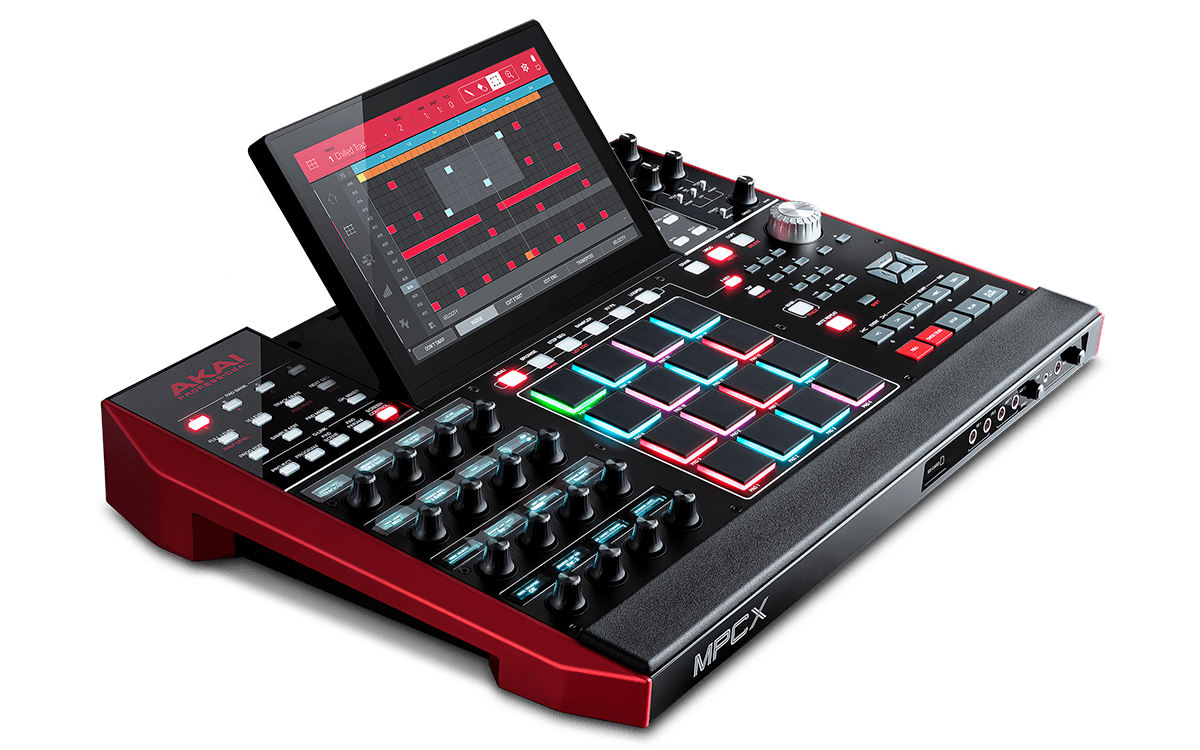
The MPC X is a powerful music-making machine that works with or without a computer. It has a big touchscreen, colorful pads, and tons of sounds built in. You can plug in microphones, turntables, and instruments, or add even more music with USB drives and SD cards. It's great for making beats, recording songs, and controlling other music gear. The MPC X is made for serious creators who want everything in one place.
Polyend Tracker
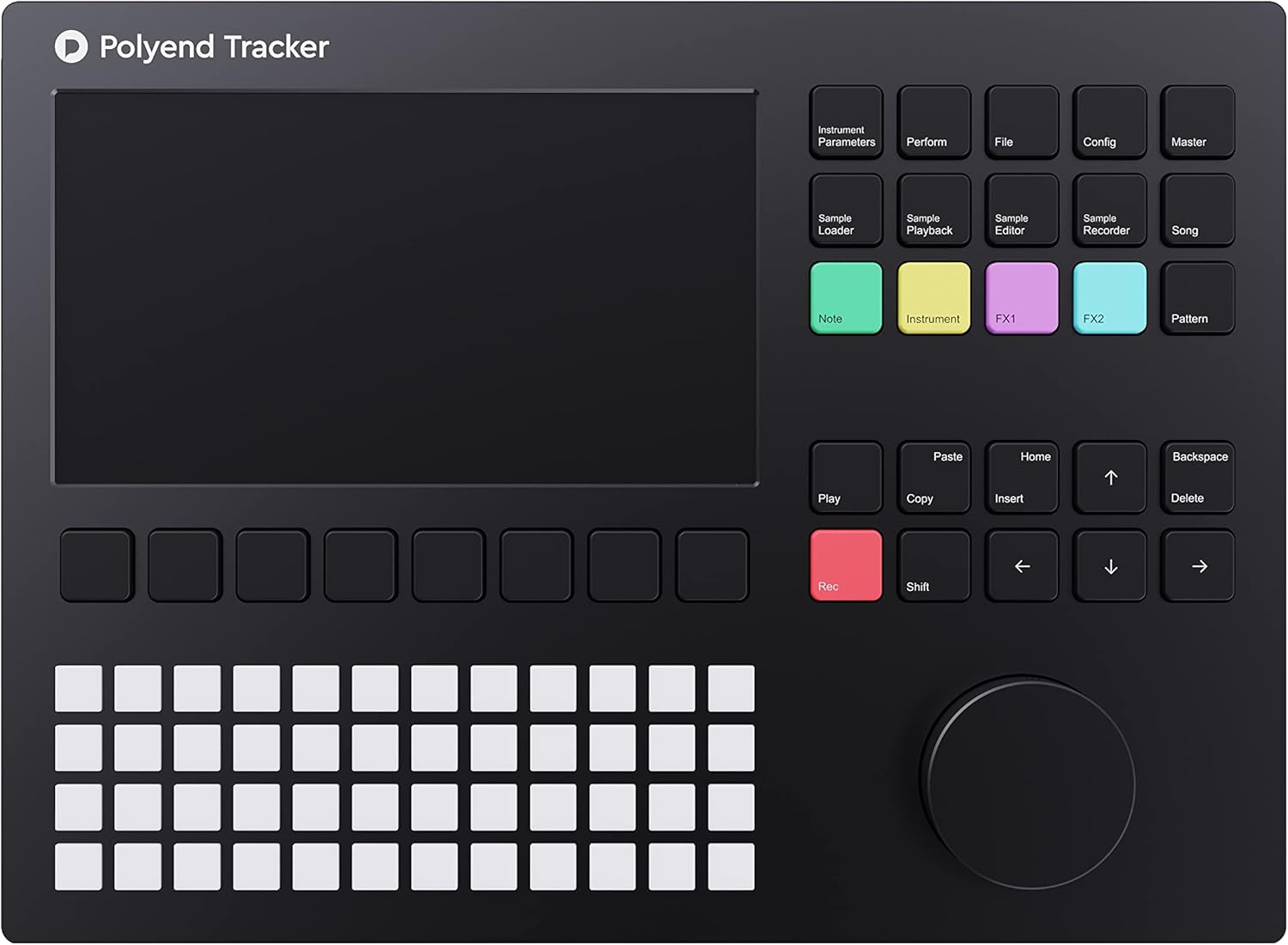
Polyend Tracker is a powerful, easy-to-use music workstation that helps you create and perform your own songs. It's compact, lightweight, and built for making music anywhere—at home, in the studio, or on the go. You can load in your own samples, record new ones with a mic or even from the built-in FM radio, then slice, shape, and play them your way. It has a simple layout, a strong sequencer, and tools like filters and effects to build full tracks. You can also connect it to other gear using MIDI. It's made for creative people who want a fresh, hands-on way to make music.
| Spec | Akai MPC X | Polyend Tracker |
|---|---|---|
| Manufacturer | Akai Professional | Polyend |
| Year Released | 2017 | 2020 |
| Polyphony | 128 | 64 |
| Sample Rate | 44.1kHz | 44.1kHz |
| Storage | Internal SSD | MicroSD card |
| Pads | 16 velocity-sensitive RGB pads | No pads, buttons for input |
| Sequencer | Yes | Yes |
| Effects | EQ, Reverb, Delay, Compression | Multiple effects |
| I/O | MIDI In/Out, USB, Audio In/Out | MIDI In/Out, USB, Audio In/Out |
| Screen | 10.1-inch multi-touch display | LCD display |
| Software Integration | MPC Software | No |
| Build | Standalone | Tracker-style sampler |
| Price | $2500 | $599 |
| More about | Details | Details |
Buy the Akai MPC X on Amazon.com
Buy Now On AmazonBuy the Polyend Tracker on Amazon.com
Buy Now On AmazonAkai MPC X vs Polyend Tracker: Which Sampler is Right for You?
When it comes to making music, choosing the right tools is essential. If you’re in the market for a sampler, two standout options are the Akai MPC X and the Polyend Tracker. Each has its own strengths and quirks. In this blog post, we will explore these two devices in detail, comparing their features, strengths, and weaknesses to help you decide which one might be the best fit for your musical journey.
Introduction
Sampling has long been a cornerstone of modern music production. Whether you’re creating hip-hop beats, electronic soundscapes, or anything in between, a sampler can be your best friend. The Akai MPC X and the Polyend Tracker are two popular choices among music producers. They offer unique features and capabilities that cater to different creative processes. But which one is right for you? Let’s dive in and find out!
Feature Comparisons
Design and Build
Akai MPC X: Released in 2017 by Akai Professional, the MPC X is a flagship device. It has a sturdy build designed for professional use. The standout feature is its 10.1-inch multi-touch display that allows for intuitive navigation and editing. It also sports 16 velocity-sensitive RGB pads that are perfect for finger drumming and triggering samples.
Polyend Tracker: Introduced in 2020, the Polyend Tracker offers a unique approach with its tracker-style interface. Unlike the MPC X, it doesn’t have pads; instead, it uses a grid of buttons for input. The device is compact and portable, making it easy to carry around. Its LCD display, though smaller than the MPC X’s, is designed to give you all the essential information at a glance.
Polyphony and Sound
Akai MPC X: With a polyphony of 128 voices, the MPC X can handle complex arrangements effortlessly. This makes it ideal for intricate compositions and layering multiple sounds.
Polyend Tracker: The Tracker offers a polyphony of 64 voices. While this is less than the MPC X, it is still ample for most musical applications, especially considering its focus on step sequencing and pattern-based arrangements.
Both devices offer a sample rate of 44.1kHz, ensuring high-quality sound reproduction.
Storage Options
Akai MPC X: The MPC X comes with an internal SSD, providing ample space for storing samples and projects. This means you don’t have to worry about running out of space quickly.
Polyend Tracker: The Tracker uses a MicroSD card for storage. This makes it easy to swap cards and expand your storage capacity as needed, though it requires managing physical cards.
Connectivity
Both the Akai MPC X and Polyend Tracker feature comprehensive connectivity options, including MIDI In/Out, USB, and Audio In/Out. This ensures that they can easily integrate into any studio setup.
Effects and Sequencing
Akai MPC X: The MPC X offers a wide range of effects, including EQ, Reverb, Delay, and Compression. Its advanced sequencer allows you to create complex rhythms and patterns with ease.
Polyend Tracker: The Tracker also supports multiple effects but stands out with its unique sequencing approach. Its tracker-style sequencing is reminiscent of early computer music programs, offering a different way to visualize and construct music.
Software Integration
Akai MPC X: One of the strengths of the MPC X is its integration with MPC Software. This allows for seamless workflow between hardware and software, giving you the best of both worlds.
Polyend Tracker: The Tracker does not offer software integration. This might be a downside for those who rely heavily on DAWs, but it also encourages a more standalone and focused approach to music creation.
Pros and Cons
Akai MPC X
Pros:
- Large, intuitive touchscreen display
- High polyphony (128 voices)
- Comprehensive effects and professional-grade features
- Seamless software integration with MPC Software
Cons:
- Higher price point ($2500)
- Larger and less portable
Polyend Tracker
Pros:
- Unique tracker-style sequencing
- Portable and compact design
- Expandable storage via MicroSD card
- More affordable price ($1200)
Cons:
- Lower polyphony (64 voices)
- No pads, which might limit some performance styles
- Lack of software integration
Final Verdict
In summary, both the Akai MPC X and the Polyend Tracker are fantastic samplers, each with its own strengths. The Akai MPC X is perfect for professionals who need a powerful, feature-rich device with software integration. Its large screen and high polyphony make it versatile for various musical genres and complex compositions.
On the other hand, the Polyend Tracker is ideal for those who appreciate a unique approach to sequencing and want a portable solution at a more accessible price. It encourages creativity with its distinct tracker-style workflow and is great for artists who prefer working in a standalone environment.
Who Should Choose the Akai MPC X?
- Professional producers who require extensive features and integration with software.
- Musicians looking for a versatile, standalone workstation with a high polyphony count.
- Individuals with a bigger budget seeking a flagship device.
Who Should Choose the Polyend Tracker?
- Artists who enjoy the tracker-style workflow and want a compact, portable device.
- Producers looking for a more budget-friendly option without sacrificing essential features.
- Musicians who prefer a standalone, focused approach to music creation.
Ultimately, your choice will depend on your specific needs, workflow preferences, and budget. Whether you go for the Akai MPC X or the Polyend Tracker, you’re bound to find a powerful ally in your music-making journey.