Akai MPC X — VS — Sonicware Lofi-12 XT
Akai MPC X
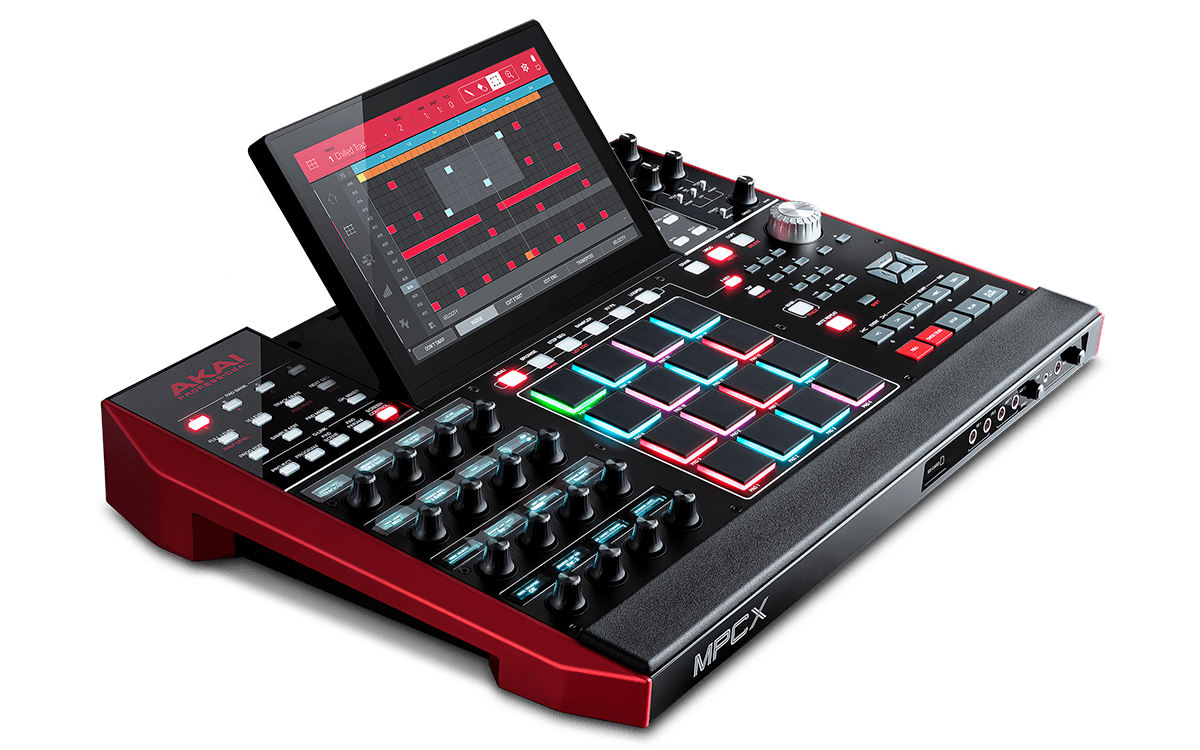
The MPC X is a powerful music-making machine that works with or without a computer. It has a big touchscreen, colorful pads, and tons of sounds built in. You can plug in microphones, turntables, and instruments, or add even more music with USB drives and SD cards. It's great for making beats, recording songs, and controlling other music gear. The MPC X is made for serious creators who want everything in one place.
Sonicware Lofi-12 XT
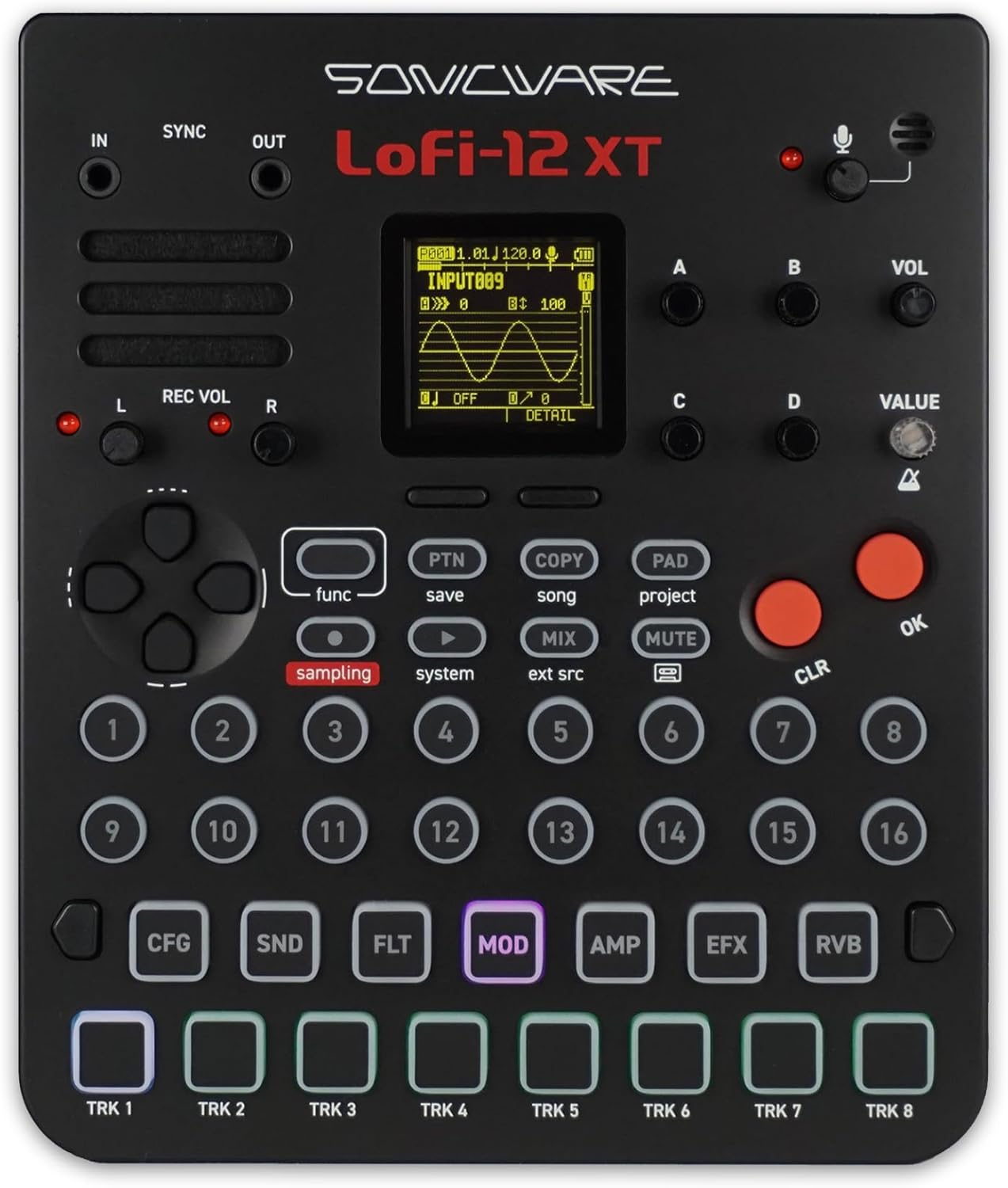
The Sonicware Lofi-12 XT is a powerful groovebox sampler that focuses on crunchy, nostalgic lo-fi sound design. It features multi-engine sampling modes, real-time time stretch, and a rich effects section, all in a highly portable form factor. The Lofi-12 XT adds stereo sampling and new workflow features compared to the original.
| Spec | Akai MPC X | Sonicware Lofi-12 XT |
|---|---|---|
| Manufacturer | Akai Professional | Sonicware |
| Year Released | 2017 | 2023 |
| Polyphony | 128 | 10 |
| Sample Rate | 44.1kHz | 12kHz / 24kHz / 48kHz |
| Storage | Internal SSD | SD card |
| Pads | 16 velocity-sensitive RGB pads | 8 velocity-sensitive pads |
| Sequencer | Yes | Yes |
| Effects | EQ, Reverb, Delay, Compression | Reverb, Delay, Bit Crusher, Chorus, EQ |
| I/O | MIDI In/Out, USB, Audio In/Out | Line In/Out, Headphone, MIDI In/Out, USB-C |
| Screen | 10.1-inch multi-touch display | OLED screen |
| Software Integration | MPC Software | None |
| Build | Standalone | Portable groovebox |
| Price | $2500 | $289 |
| More about | Details | Details |
Buy the Akai MPC X on Amazon.com
Buy Now On AmazonBuy the Sonicware Lofi-12 XT on Amazon.com
Buy Now On AmazonAkai MPC X vs. Sonicware Lofi-12 XT: Which Sampler is Right for You?
Welcome to the exciting world of samplers, where music creation meets endless possibilities! Today, we’re diving deep into two popular samplers: the Akai MPC X and the Sonicware Lofi-12 XT. Whether you’re a budding musician or a seasoned producer, choosing the right gear is important. Let’s compare these two devices to help you decide which one suits your musical needs.
Introduction
Music samplers are like magic boxes that let you create, manipulate, and perform music in unique ways. The Akai MPC X and Sonicware Lofi-12 XT are two different kinds of samplers that cater to different musical tastes and workflows. The MPC X is a powerhouse with all the bells and whistles, while the Lofi-12 XT is a compact groovebox designed for those who love lo-fi sounds. Let’s explore their features, pros and cons, and see who each one is best for!
Feature Comparisons
Build and Design
The Akai MPC X is built for serious music creators. It’s a standalone unit, meaning it can work all by itself without a computer. It has a big, bright 10.1-inch multi-touch display and 16 colorful, velocity-sensitive RGB pads that light up when you play them. This sampler is like a music-making machine, ready for any challenge you throw at it.
On the other hand, the Sonicware Lofi-12 XT is a portable groovebox. It’s much smaller and lighter, making it easy to take with you wherever you go. It has an OLED screen and 8 velocity-sensitive pads. This groovebox is perfect for musicians who love to create music on the fly and enjoy the retro lo-fi sound.
Sound and Polyphony
The MPC X offers a whopping 128-note polyphony, which means you can play many sounds at once without your music cutting out. It supports a standard sample rate of 44.1kHz, great for high-quality sound production.
In contrast, the Lofi-12 XT offers a lower polyphony of 10 notes, which may seem limited, but it adds to the charm of its lo-fi aesthetic. You can choose between different sample rates: 12kHz, 24kHz, and 48kHz. This flexibility allows you to create those crunchy, nostalgic sounds that lo-fi lovers adore.
Storage and Connectivity
When it comes to storage, the MPC X has an internal SSD, giving you plenty of space to store your sounds and projects. It also has various connectivity options like MIDI In/Out, USB, and Audio In/Out, making it highly versatile for studio setups.
The Lofi-12 XT uses an SD card for storage, which is convenient for swapping out your samples on the go. It features Line In/Out, Headphone, MIDI In/Out, and USB-C ports, providing ample connectivity for a portable device.
Effects and Sequencing
Both samplers come with built-in effects to spice up your music. The MPC X offers EQ, Reverb, Delay, and Compression, which are perfect for professional sound shaping. It also has a robust sequencer to arrange your music efficiently.
The Lofi-12 XT includes Reverb, Delay, Bit Crusher, Chorus, and EQ. These effects are tailored for lo-fi music, giving your tracks that warm, vintage feel. It also has a sequencer to help you build your beats and melodies.
Software Integration
A unique feature of the MPC X is its integration with MPC Software, allowing you to expand your music production with a computer if you choose. This gives you access to even more tools and plugins for creativity.
The Lofi-12 XT, however, is a standalone groovebox without software integration. This makes it straightforward and focused on hands-on music creation without the need for a computer.
Pros and Cons
Akai MPC X
Pros:
- Powerful and versatile with a large touch screen
- High polyphony for complex music
- Plenty of connectivity options
- Built-in SSD storage
- Complete music production suite
Cons:
- Expensive at $2500
- Large and less portable
- May have a steep learning curve for beginners
Sonicware Lofi-12 XT
Pros:
- Affordable at $289
- Portable and lightweight
- Unique lo-fi sound quality
- Simple and intuitive interface
- Flexible sample rate options
Cons:
- Limited polyphony
- Smaller display
- No software integration
Final Verdict
Both the Akai MPC X and Sonicware Lofi-12 XT have their own strengths. The MPC X is perfect for professional producers who need a comprehensive music production tool with high-quality sound and a wide range of features. It’s best for those who want a powerful, all-in-one music machine and don’t mind the investment.
The Lofi-12 XT, on the other hand, is ideal for music enthusiasts who love lo-fi sounds and prefer a more hands-on, portable device. It’s great for beginners or those who want to create music quickly and easily without breaking the bank.
In conclusion, both samplers are fantastic in their own right, catering to different musical preferences and needs. Whether you’re aiming for studio-quality production or craving the charm of lo-fi beats, there’s a sampler out there for you. Happy music-making!